Why Ceramic PVC Garment Bags Deserve a Real Cost Check
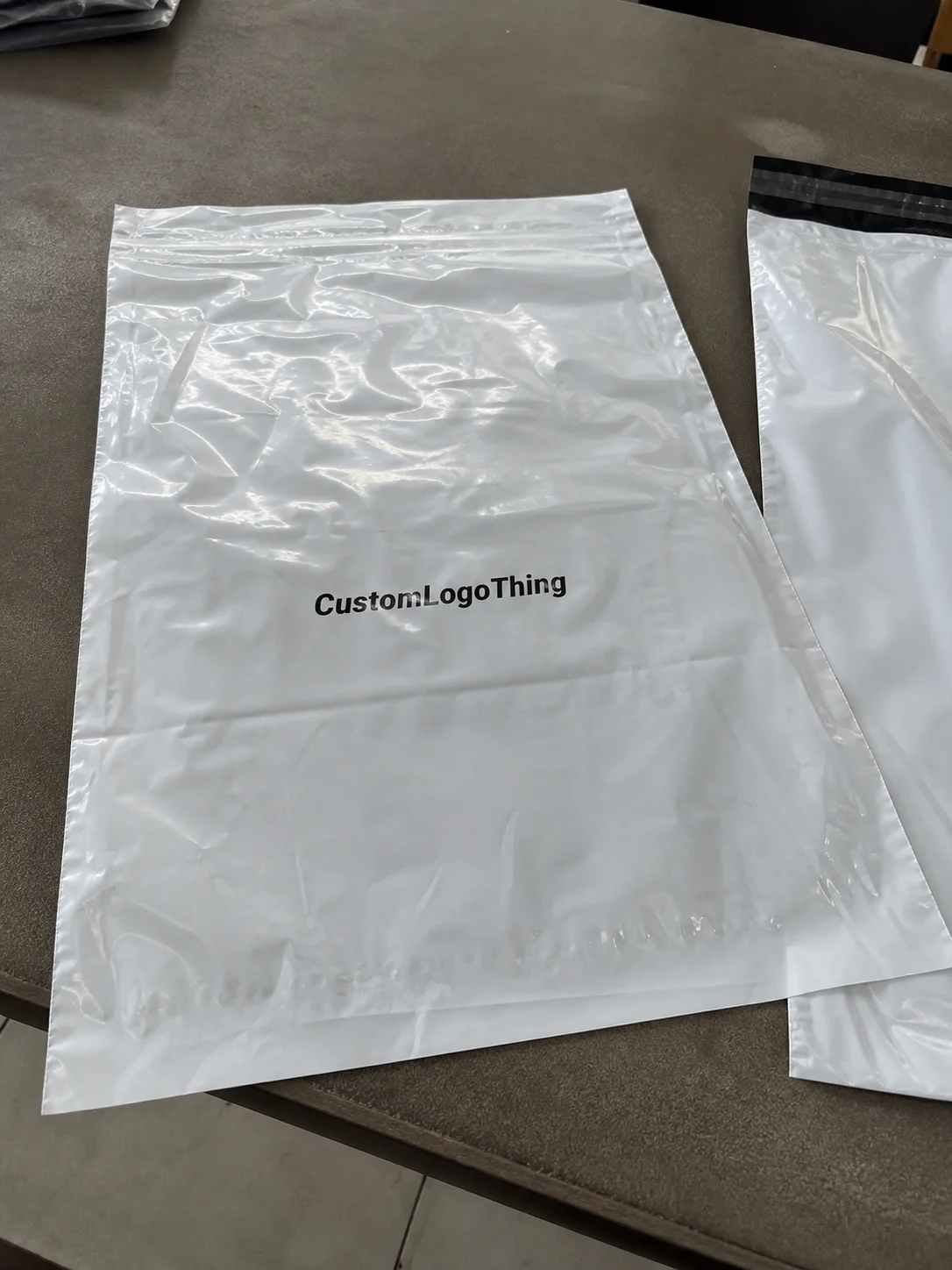
If you are doing a ceramic PVC Garment Bags unit cost review, the first thing to clear up is that the bag that looks “simple” on screen rarely prices simply. A small change in thickness, zipper grade, print coverage, or panel structure can move the unit price enough to change the whole buying decision. Flat appearance does not mean flat pricing.
These bags are used for premium garment protection in retail, travel, wardrobe storage, and branded presentation. Buyers usually want visibility, shape retention, and moisture resistance, not a sleeve that wrinkles in transit and looks tired after the first use. In real procurement, the right bag is the one that protects the garment and still looks clean after handling.
The lowest quote is often not the lowest landed cost. Freight, carton strength, inner packing, breakage, and rework can erase any apparent savings. A buyer can save two or three cents on the unit and lose far more in damage, complaints, or repacking labor. Cheap on paper is not the same as cheap in the warehouse.
For most programs, the real cost drivers are durability, appearance, moisture resistance, visibility, and expected reuse. A one-time promotional bag can be lighter and simpler. A wardrobe or travel bag needs better film stability, stronger seams, and a zipper that does not start failing after a few cycles.
The term “ceramic PVC” is usually used to describe a cleaner, more polished, higher-clarity PVC finish than basic clear PVC. Depending on the supplier, that may mean a glossier surface, a smoother hand feel, or a frosted effect that hides fingerprints and minor scuffs. The premium is tied to presentation and consistency, not some special material category with a universal standard.
Product Construction, Material Feel, and Common Custom Options
A garment bag is not just a sheet of plastic with a zipper. The structure usually includes the PVC film, reinforced seams, a hanger opening, a zipper closure, and sometimes handles or gussets. Some bags are stitched. Others are welded. That choice affects appearance, leak resistance, strength, and cost.
Light-duty display bags are built for short-term visual use. They tend to be thinner, lighter, and less expensive. Heavy-Duty Garment Bags are meant for repeated handling, storage, and shipping, so they need thicker film and stronger joining methods. If the bag is expected to move from warehouse to retail floor to consumer closet, the spec should reflect that reality instead of a photo-only requirement.
Common custom options include logo printing, tinting, frosted or glossy finish, size changes, branded zipper pulls, and label pockets. Each add-on creates some combination of setup work, tooling fees, decoration cost, or extra assembly time. A single-color logo on one panel is manageable. Full-surface printing with tight alignment is a different level of complexity.
From a buyer’s point of view, sample inspection matters more than any sales sheet. Check clarity. Check odor. Check seam strength. Check whether the zipper runs smoothly without snagging. Load the bag with the actual garment you plan to use, then see whether the bag hangs straight and keeps its shape. An empty sample can look excellent and fail completely once it is filled.
Three choices tend to affect cost the fastest:
- Thicker film increases material cost and stiffness.
- Extra panels or gussets improve volume but add labor.
- Special hardware such as custom zipper pulls or hooks adds both parts cost and assembly time.
Key Specifications That Change Performance and Price
Thickness is one of the first numbers to ask for because it drives both durability and unit cost. For lighter display use, factories may quote around 0.12 mm to 0.18 mm PVC. For a sturdier retail or travel bag, 0.20 mm to 0.30 mm is more common. Go thicker than needed and you pay for material you may never fully use. Go too thin and the bag starts to look tired after a few trips.
Size is the next obvious lever. Standard garment bag dimensions often cover shirts, jackets, coats, suits, bridal wear, and longer travel garments. A short coat bag usually costs less than a long bridal gown bag because it uses less film and less packing volume. If the garment is bulky, asking for a wider body or gusset is usually smarter than forcing a narrow format that creases the fabric.
Closure and hardware matter more than many buyers expect. A standard zipper is the baseline. A better zipper costs more, but it also lowers the chance of returns and complaint handling. A reinforced hanger opening helps the bag hang properly. Hooks, snaps, and extra fasteners can be useful, but only if they serve the real use case. Otherwise they are just expensive decoration.
Print specs change the math too. A single-color logo on one panel is much easier to produce than a full-wrap print or a layout with tight registration. Artwork complexity affects prepress work, proofing time, and sometimes the number of setup steps before the line can start. Busy art usually means a higher quote and more revision rounds.
Before comparing suppliers, buyers should ask for the following in writing:
- Seam type and reinforcement method.
- Loading capacity or recommended garment weight.
- Storage conditions needed to keep the film stable.
- Packing format per carton and per inner pack.
- Print method, ink type, and artwork placement limits.
Packaging buyers who handle test-heavy programs often look for shipping and handling guidance aligned with groups like ISTA. If sustainability paperwork matters, any paper inserts or outer cartons may need traceability through organizations such as FSC. PVC itself is a separate material discussion, so do not assume paper-based certifications cover the whole product.
Ceramic PVC Garment Bags Unit Cost Review: What Affects Pricing and MOQ
Here is the direct answer from a ceramic pvc garment Bags Unit Cost Review standpoint: the main pricing drivers are material thickness, finished size, order quantity, print method, accessory count, and whether the bag is a stock pattern or fully custom. That is the core of the quote. Everything else sits around it.
MOQ changes the unit price quickly. Lower MOQ usually means a higher per-piece cost because setup work, cutting, printing, and labor are spread across fewer units. If a factory needs 3,000 units to make the line efficient, a 300-piece order will never look cheap. That is not a negotiation trick. It is the math of setup-heavy production.
| Order profile | Typical unit cost range | MOQ pattern | Best fit |
|---|---|---|---|
| Light-duty stock-style bag, minimal print | $0.55-$0.95 per piece | 1,000-3,000 pcs | Promotions, simple retail packaging |
| Standard custom bag, one-color logo | $0.85-$1.60 per piece | 1,000-5,000 pcs | Brand use, repeat wardrobe storage |
| Heavier-duty bag, thicker film, premium zipper | $1.40-$2.80 per piece | 2,000-8,000 pcs | Retail display, premium garment protection |
| High-custom design, multi-color print, special hardware | $2.20-$4.50+ per piece | 3,000 pcs and up | Luxury presentation, brand-specific packaging |
Those ranges are practical, not fixed. Exact cost per piece depends on artwork, film market movement, and how efficiently the shipment is packed. If the order is international, freight and duties can distort the final landed cost enough to make a slightly higher ex-factory quote the better option overall.
Every serious quote should separate tooling fees, sample fee, packaging fee, and shipping. If a supplier gives only one number, ask for the breakdown. Otherwise there is no clean way to compare offers. One quote may include carton reinforcement, another may quietly leave it out.
There are a few straightforward ways to bring the cost down when the use case allows:
- Use standard sizes instead of one-off dimensions.
- Simplify artwork and reduce print coverage.
- Choose the right thickness for the actual application instead of defaulting to the heaviest option.
- Combine similar SKUs into one color run if the bag family allows it.
- Increase order volume if repeat demand is likely and storage space exists.
For buyers comparing bulk pricing, confirm the exact same film thickness, zipper grade, print coverage, and carton packing method. If those details differ, one quote may simply be hiding a spec downgrade. That happens more often than it should.
Production Steps, Lead Time, and Sample Approval
The production flow is usually simple on paper: inquiry, spec confirmation, artwork review, sample making, approval, bulk production, quality check, packing, and dispatch. The process becomes complicated when the buyer changes the bag size after sample approval and expects the schedule to stay intact. It never does.
Most delays come from unclear artwork files, late sample revisions, or last-minute changes. If the logo file is low resolution or the print placement is vague, the supplier has to stop and ask questions. That adds days, sometimes more. Clean files and disciplined approvals keep the order moving.
Sampling usually takes longer than stock orders because the factory may need to adjust tooling, print trial graphics, and confirm finishing details. Bulk production typically starts after sample approval and deposit. A practical planning window is often 7-14 business days for sampling and 12-20 business days for bulk production after approval. More complex custom features can stretch both stages.
Before paying, ask for:
- Pre-production sample photos or a physical sample if the bag is for premium use.
- Material confirmation with thickness and finish in writing.
- Packing method details so the bags arrive clean and not warped.
Rush orders can happen, but only if the artwork is ready, materials are in stock, and the factory schedule has room. If a supplier promises a compressed timeline without asking any questions, the risk usually shows up later in print quality, packing, or carton damage. Fast is useful only if the order is still correct.
Quality Control and Buyer Checks That Prevent Expensive Mistakes
The strongest quotes are not always the best buys. A well-priced order still needs consistent quality control, because garment bags fail in predictable ways: cloudy film, weak seams, sticking zippers, off-center prints, and packing that traps dust or causes creases. Most of these problems are visible before bulk shipment if the supplier is checking properly.
Good inspection starts with the basics. Confirm thickness with the right measurement method, not just a verbal claim. Check clarity across the whole panel, because uneven film can be obvious once the bag is hung under light. Run the zipper multiple times. If it snags in a sample, it will usually snags more, not less, in production.
Seam strength matters more than many buyers expect. A bag can survive a quick visual inspection and fail the moment a heavier garment is inserted. That is why loading a sample with the actual garment type matters. A coat bag, a bridal bag, and a suit bag do not behave the same way once weight and volume are added.
Printing should also be checked under normal viewing conditions. A logo that looks acceptable under factory lighting can appear misaligned under retail light or when photographed for e-commerce. Ask for alignment tolerances if the design is sensitive. If the artwork has fine text, keep in mind that thin lines can blur on glossy film more easily than on paper.
There is also a packaging issue that gets ignored too often: how the bags are folded and packed. If the fold lines are too tight, the bags can arrive creased and cloudy at the edges. If the cartons are weak, the product may be crushed before it ever reaches the customer. The bag itself may be fine. The packing may not.
A practical buyer checklist looks like this:
- Measure finished dimensions against the approved spec.
- Verify zipper movement on multiple samples from the same lot.
- Inspect seam consistency at corners and stress points.
- Confirm print placement and color against the approved proof.
- Check carton condition, inner packing, and count accuracy before shipment.
These checks do not add much time, but they can save a lot of money. A slightly better zipper or thicker seam is cheaper than handling returns on a large order. That is especially true for premium retail or travel use, where the bag itself becomes part of the product experience.
Next Steps: How to Request an Accurate Quote and Avoid Waste
If you want an accurate quote, send exact bag dimensions, target thickness, logo file, quantity, and desired finish before asking for pricing. Vague requests create vague quotes. Then everyone spends time clarifying the same details after the estimate has already been given.
Ask for two options: a value spec and a premium spec. That gives you a clear view of the tradeoff between cost per piece and performance. In many cases, the mid-tier option is the one that makes sense, because it improves zipper life and film stability without pushing the order into unnecessary expense.
If the bag is going to retail stores, fashion showrooms, or premium storage use, request sample photos or a physical sample. That matters when finish, zipper feel, or clarity influences the customer’s perception. On-screen images do not show how the film feels, how it folds, or whether it scratches easily during handling.
Before placing the order, confirm the following:
- Incoterms and shipping responsibility.
- Packing details, including carton quantity and inner packing.
- Payment terms and deposit structure.
- Lead time from sample approval to shipment.
If you are comparing suppliers, compare the expected lifespan too. A cheaper bag that clouds, tears, or loses zipper function early is not a bargain. For a serious ceramic PVC Garment Bags Unit Cost review, the smarter decision balances presentation, durability, and landed cost. That is how buyers avoid paying for weak specs and calling it savings.
FAQs
What is the typical unit cost for ceramic PVC garment bags?
It depends on thickness, size, print coverage, and order quantity. In many cases, lighter custom bags land around $0.55-$0.95 per piece, while heavier or more customized versions can move into the $1.40-$4.50+ range. Lower MOQ usually pushes the unit price up. Compare the same spec across suppliers before making a decision.
How does MOQ affect ceramic PVC garment bags pricing?
Higher MOQ spreads setup and production costs across more units, which usually lowers the unit cost. Smaller runs carry a higher per-bag price because the line still needs to be prepared, printed, and packed. If repeat demand is likely, a larger first order can reduce total spend.
What specifications should I confirm before ordering?
Confirm size, material thickness, zipper style, print method, and finish. Also verify seam type, packaging format, and whether a hanger opening is included. Get all specs in writing before sampling or bulk production. That avoids the classic “we thought you meant something else” problem.
How long does production usually take for custom garment bags?
Sampling usually takes 7-14 business days and bulk production often takes 12-20 business days after sample approval and deposit. More complex custom features extend the timeline. Rush orders are possible sometimes, but only when artwork is ready and materials are available.
How can I lower the unit cost without hurting quality?
Use standard sizes where possible, simplify artwork, and Choose the Right thickness for actual use instead of overbuying material. You can also reduce print coverage or avoid unnecessary hardware. Smart cost control is not about cutting corners. It is about paying for what the bag actually needs to do.


