If you are buying hats for a team, brand launch, or promotion, the embroidered baseball caps Sample Approval Checklist is the part that protects the budget from small, expensive surprises. A mockup can look sharp and still hide a crown that sits too high, a sweatband that feels scratchy, or embroidery that crowds the front panel. Screens are generous. Production is not.
The sample is the last low-cost chance to catch those problems before hundreds or thousands of caps are stitched, boxed, and shipped. Approving from a polished PDF is not the same as approving the product. It is only approving the promise.
Why small sample mistakes become big cap orders
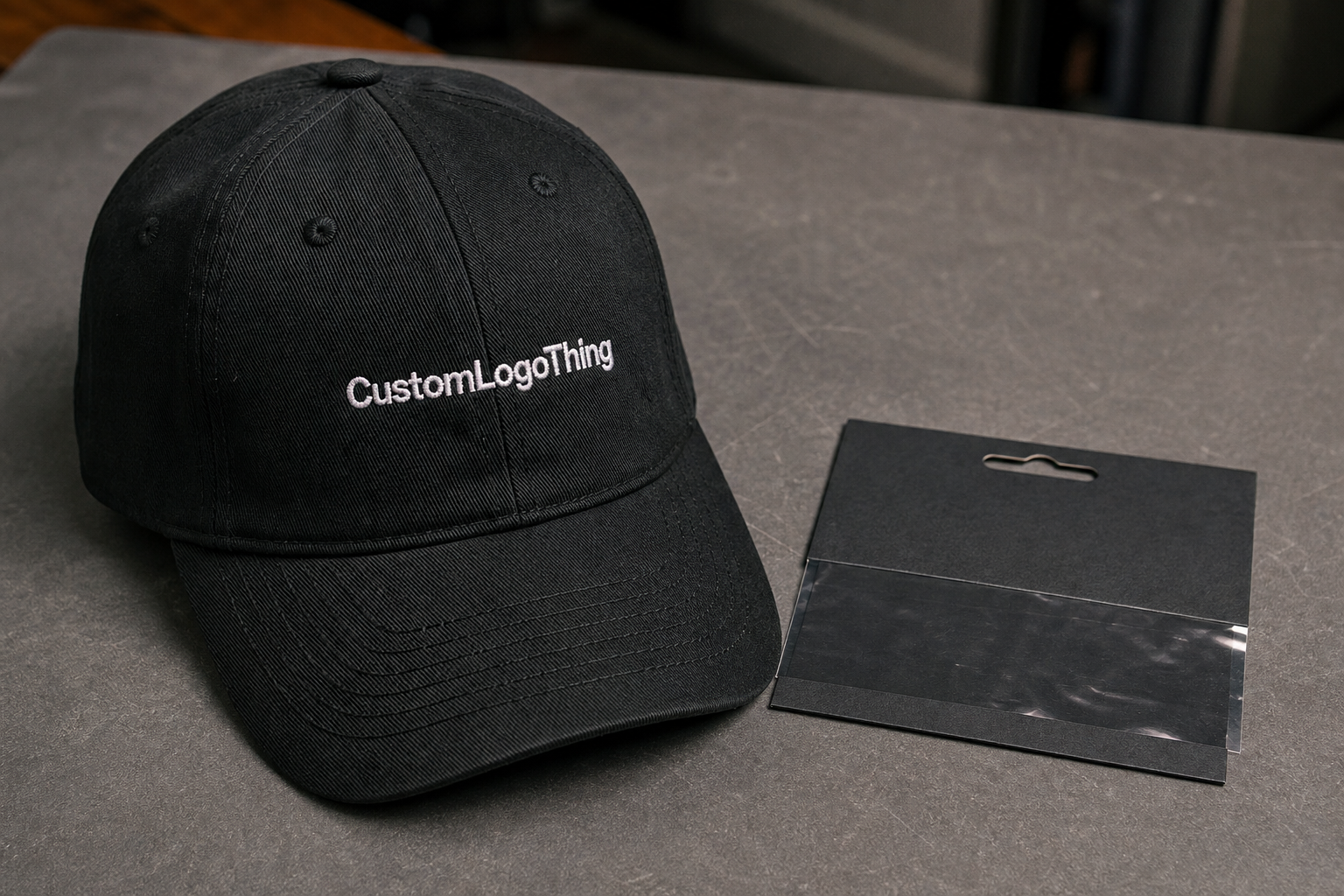
Most sample failures are not about whether the logo artwork is technically correct. The artwork can match the file and still look wrong on the cap. The real trouble usually shows up in crown shape, stitch density, panel structure, and fit. Those are the details that separate a decent sample from a costly mistake.
A cap should be judged against the actual wearer and use case, not against a render alone. A retail-style curved-brim cap for fashion has different priorities from a promotional hat meant for event handouts. If both are compared against the same screen image, the review misses the point.
The risky details are often the least glamorous. Brim curve changes the face of the cap. Panel structure changes how embroidery sits. Sweatband feel affects whether people keep wearing it after the first hour. Placement matters too; a logo that is 5 mm too low can look off even if nobody can explain why.
“The sample is not about approving a picture. It is about approving how the hat actually sits, feels, and wears.”
Think of the sample as a fail-safe, not a formality. The job is not to chase perfection. The job is to catch expensive mistakes while they are still cheap. That is the purpose of an embroidered baseball caps Sample Approval Checklist.
Physical inspection beats digital confidence in other categories too. Packaging, inserts, and shipping cartons can look fine in mockups while failing under handling. Standards groups such as the ISTA focus on that gap for a reason: real-world movement reveals issues that screens never show. The same logic applies to caps.
Embroidered baseball caps sample approval checklist: process and timeline
The flow is straightforward on paper. Artwork is submitted. The maker confirms cap style, fabric, thread colors, and placement. A stitch-out or physical sample is produced. You review it, send notes, and either approve or request changes. The approved sample becomes the reference for bulk production.
That sounds tidy. It rarely is.
Simple samples with clean artwork can move in about 5 to 10 business days if the construction is standard and the thread colors are already on hand. More custom builds, special fabrics, or multiple revision rounds can stretch to 2 to 4 weeks, and longer if a second physical sample is needed. If the cap uses unusual panel construction, leather strap details, or layered embroidery, expect the schedule to slow down. That is normal.
The fastest approvals happen when the buyer locks the key decisions before sampling starts:
- Cap style: dad hat, structured six-panel, trucker, snapback, or low-profile curved brim.
- Fabric: cotton twill, washed cotton, polyester, nylon, or mesh back.
- Thread colors: exact Pantone references or the closest practical match.
- Logo placement: center front, offset, side, back, or under-brim.
- Closure type: snapback, Velcro, buckle, fitted, or strapback.
Vague feedback slows the entire project. “Looks off” does not help anyone fix anything. “Move the logo 3 mm higher, reduce stitch density on the letters, and soften the brim curve” is usable. Clear notes save a round. Mixed opinions sent separately by three people usually create one extra round, because nobody can tell which comment is final.
| Sample path | Typical timing | Common cost impact | Best for |
|---|---|---|---|
| Basic stitch-out review | 5-10 business days | Lowest sample fee | Simple logos, standard caps |
| Physical cap sample | 7-15 business days | Moderate sample and shipping cost | Most branded cap orders |
| Revision + resample | 2-4 weeks | Higher setup, freight, and labor cost | Custom shapes, tight color matching |
Fit, construction, and embroidery specs that matter most
Fit starts with silhouette. A cap can be technically correct and still feel wrong because the crown is too tall, too shallow, or too stiff. The details that change the result most are crown height, panel count, closure type, visor shape, and fabric weight.
A structured six-panel cap behaves differently from an unstructured five-panel cap. A trucker mesh-back style wears lighter but shows construction choices more clearly. A low-profile cap sits closer to the head and reads more casual. A high-crown snapback has a louder, more retail look. None of those is better by default. They just solve different problems.
Embroidery needs a closer look than the logo outline. Check stitch density, backing material, thread sheen, and edge clarity. Too much density makes the embroidery stiff and can pucker the front panel. Too little density and fine text starts to blur. Small text under about 4 mm high is risky on curved panels. That is not a matter of taste. It is a production limit.
Reasonable tolerances matter. A 1-2 mm shift in placement may be acceptable on a casual promo hat, while a premium retail style often needs tighter control. Thread color can also vary slightly between dye lots, so judge whether the difference is visible from normal viewing distance, not under a bright lamp and an unforgiving eye.
Use case should drive the spec. For team uniforms, comfort and repeatability matter most. For retail merch, stitch polish and fit consistency matter more. For promotional giveaways, cost and speed usually win, but that does not mean a sloppy sample should pass. A cheap hat that looks cheap still wastes money.
Packaging can matter too. If the order includes hang tags, printed inserts, or retail cartons, certification groups such as FSC may be relevant for the paper components. That does not change the cap itself, but it matters for brands with packaging standards or sustainability claims.
Cost and pricing: what sample approval can change
Sample approval affects more than the prototype fee. It changes the final unit cost, the number of revision rounds, shipping charges, and sometimes the production schedule. A buyer who signs off on the wrong cap body can end up paying for rework, rush freight, or a second sample that should never have been needed.
Typical sample charges vary by complexity. A basic embroidered cap sample may run around $20-$60 before shipping. A more custom build can be higher if tooling, special patches, or dense multi-location embroidery are involved. If a supplier credits part of the sample fee against bulk production, that helps. If not, treat the sample cost as part of the real approval budget.
The cleanest way to protect price is to reduce uncertainty before sampling starts. MOQ pricing can shift when the design changes after sampling, because setup and production planning are built around the approved version. If you approve one style and later decide the logo should be larger or the crown should be different, those costs may reset. A “small tweak” can turn into a new production run.
Pay for an extra sample only when the risk is real. If the cap is tied to a high-visibility launch, a premium resale line, or a design with fine text and exact color matching, a second sample is often cheaper than a bulk mistake. If the order is a simple giveaway and the first sample is already close, do not buy more reassurance just because the team wants one more look.
A strong Embroidered Baseball Caps Sample Approval Checklist keeps pricing under control because it removes ambiguity. The fewer open questions left at approval, the fewer charges show up later under labels like “revision support” or “adjustment.”
Step-by-step buyer checklist for sample sign-off
Start with the artwork, because that is the easiest place to catch trouble early. Confirm logo size, placement, thread colors, spelling, and any small text that may distort on curved panels. If the embroidery includes outlines or layered fills, check whether the edges are sharp enough and whether stitch direction supports the letter shapes.
- Check the sample in daylight and indoor light. Color and sheen shift more than most buyers expect.
- Put it on an actual head. A cap can look fine on a table and wrong on a person.
- Inspect symmetry. Look at the front panel, side seams, brim curve, and logo alignment.
- Touch the sweatband and inner seams. Rough finishing is a comfort issue, not just a cosmetic one.
- Measure against the spec sheet. Confirm crown height, logo size, and placement before you approve.
Document everything in one place. Use a single approval file or email thread with clear labels: approve, revise, or accept as is. If the sample is accepted with small exceptions, write those exceptions down so they carry into production. “Looks good overall” is easy to read and useless to manufacture from.
Confirm who has approval authority before the first sample arrives. The marketing manager, brand owner, and event coordinator may all have opinions, but only one person should push final sign-off. Otherwise the project turns into a group chat with a deadline.
One useful habit is to compare the sample against the actual purpose. If the cap is for staff wear, comfort and durability may matter more than a perfect photo. If it is for retail, finishing details matter more because customers will handle it up close. That difference sounds obvious until it gets missed.
“If it needs a second look, it is cheaper to catch it now than explain it later on a bulk run.”
Common mistakes that cause rework or delays
The biggest mistake is approving from photos only. Photos are useful for progress checks, not final sign-off. A screen cannot tell you if the brim feels too flat, if the crown sits too tall, or if the stitch backing is rough against skin. Those are physical issues.
Another expensive error is ignoring changes in size, closure, or colorway because the logo looked fine. A good logo on the wrong cap body is still the wrong product. Buyers also get burned when they approve one version verbally and another version by email. If the records do not match, production follows the clearest instruction, not the one someone remembers from last Tuesday.
Scattered feedback causes more trouble than most buyers expect. One person wants the logo bigger. Another wants it lower. Someone else wants the brim darker. The result is usually a revised sample that satisfies nobody and delays everything. Collect comments first, then send one clean response.
Changing artwork after approval is the fastest way to derail the schedule. If the file changes after the sample is signed off, expect a new proof, possible remake, and a fresh delay. That is not punishment. It is how embroidery production works. The machine does not care that the change felt minor.
Another quiet problem is assuming all thread colors translate the same way across fabrics. A color that looks balanced on cotton twill may read darker on polyester or more muted on washed cotton. Light, surface texture, and thread sheen all affect the result. A good sample review notices that before bulk begins.
Next steps before you green-light production
Before approval, gather every note into one final file. Separate the items into three groups: yes, no, and revise. If the sample is accepted with exceptions, write those exceptions down clearly so they carry into production. Memory is where expensive mistakes go to hide.
Confirm the revised sample deadline, final production lead time, and ship date before sending approval. If the order is large or the embroidery is tight, ask for a pre-production photo or final stitched reference. That extra checkpoint is often worth it on higher-risk orders. If the order is small and straightforward, keep it moving.
For most buyers, the best habit is simple: treat the Embroidered Baseball Caps Sample Approval Checklist as the last gate before production starts, not as a formality. The hats get made from what you approve, not from what you intended.
A careful sign-off saves time, money, and a lot of awkward explaining later. The sample is the moment to be picky, practical, and unsentimental about details. That is not overthinking. That is buying well.
What should be included in an embroidered baseball caps sample approval checklist?
Include artwork placement, thread colors, stitch quality, fit, crown shape, brim curve, and closure type. Also check shipping condition, labeling, packaging, and any production notes that need to carry into the bulk order.
How many embroidered baseball cap sample rounds are normal before approval?
One revision round is common for clean artwork and clear specs. Two rounds is not unusual for custom structures, tight color matching, or unusual embroidery placement.
What sample approval mistakes are most expensive on embroidered baseball caps?
Approving the wrong cap fit, wrong crown style, or wrong thread color usually costs the most. Small logo issues also become expensive fast once bulk production starts.
How long does embroidered cap sample approval usually take?
Simple samples can move in about 5 to 10 business days. More custom builds or revision-heavy projects can take 2 to 4 weeks or longer.
Should I approve embroidered baseball caps from photos or a physical sample?
Use photos only for quick previews, not final sign-off. Physical samples are better because fit, texture, color, and stitch depth are hard to judge on a screen.