event merch custom poly mailer bags wholesale order planning
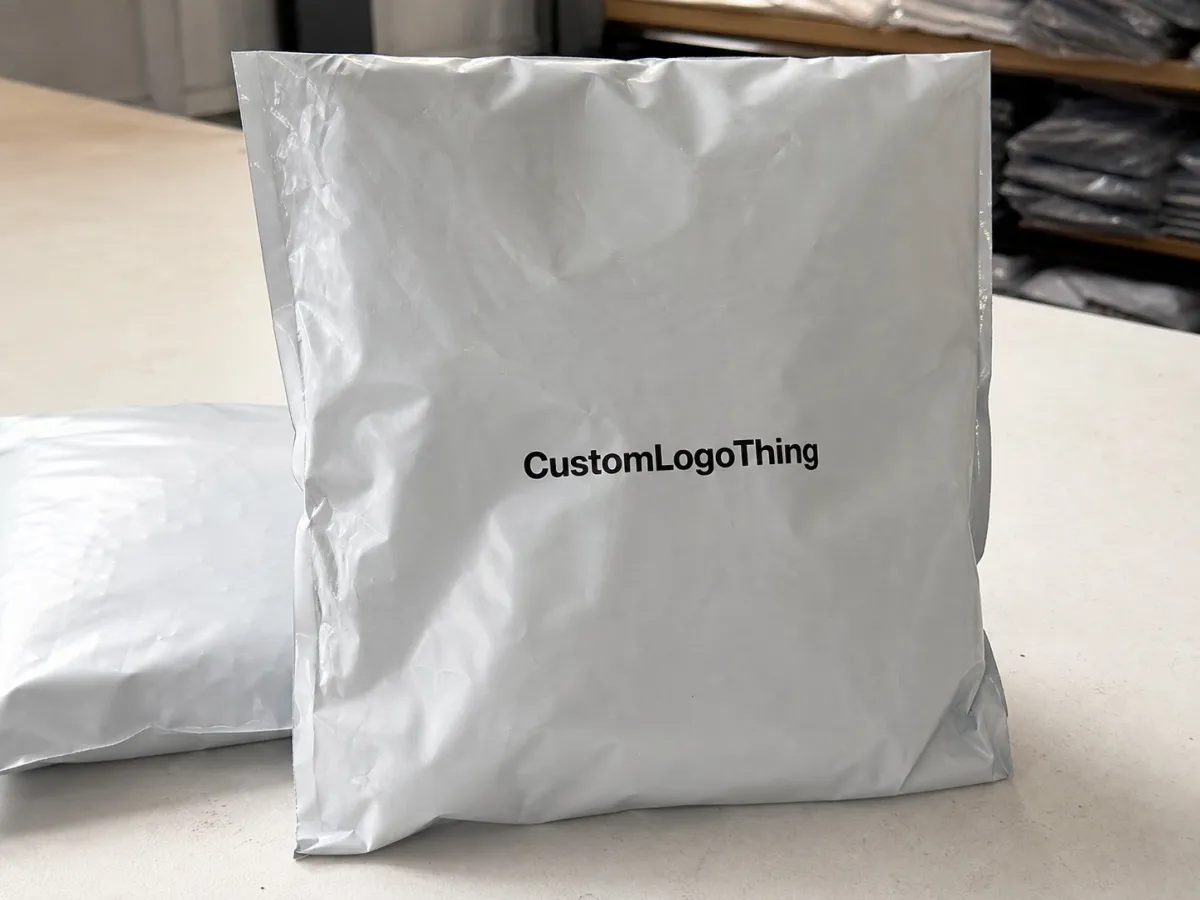
A tee, a tote, and a stack of inserts do not automatically require a box. For many event kits, a Custom Poly Mailer does the job with fewer materials, less packing time, and a lower landed cost. The packaging looks deliberate instead of improvised, which matters when the first thing a recipient sees is the shipping shell.
That is why event merch Custom Poly Mailer Bags wholesale order planning usually starts with a simple sorting question: what actually needs protection, and what only needs a clean branded outer layer? Soft goods compress well. Flat mailers keep them compact. The math changes fast if the merchandise is rigid, fragile, or likely to get scuffed. A tumbler, hard notebook, or structured gift set still belongs in a box. A folded shirt, lanyard, sticker sheet, and insert card usually do not.
There is also a cost reason buyers keep returning to mailers. Boxes add corrugate, void fill, tape, more labor, and often more dimensional weight. Poly mailers remove a few of those pain points at once. The difference is easy to miss on a single order and obvious across a season of event fulfillment. When the shipping spend is visible, packaging choices stop being decorative and start being operational.
One useful rule holds up across most merch programs: use a mailer for flat, flexible kits; use a box for anything that can crush, break, or move around too much in transit. That sounds plain because it is. The best packaging decisions usually are.
If you are comparing formats, the Wholesale Programs page is a useful place to map the order against broader packaging needs. Some teams only need a mailer. Others are actually building a mixed packaging system and do better by matching the mailer with inserts, labels, or a secondary carton.
If the merch folds flat and stays put, the mailer is usually the cleaner answer. If it rattles, dents, or needs crush protection, force it into a box and move on.
Size and film choices that keep event merch flat in transit
Measure the packed stack, not the item alone. That is the mistake that creates slack mailers, sloppy seals, and merchandise that slides around during transit. A flat T-shirt can look tiny on a table and become much thicker once it is folded, bagged, and paired with inserts. Add the real packed thickness before you choose the size. A good fit should leave room for sealing and handling, not enough room to let the contents drift.
For many apparel runs, 10 x 13 inch and 12 x 15.5 inch mailers are common starting points. Thicker hoodies, bulkier totes, and small event kits often need 14.5 x 19 inch or larger. Film thickness usually sits between 2.5 mil and 4 mil. Lighter soft goods can work in the lower range, especially if the packing is tidy and the ship route is short. Heavier pieces, higher handling risk, and premium merch usually deserve 3.5 mil to 4 mil.
There is a practical difference between a bag that merely fits and a bag that packs cleanly. A clean fit cuts down on wrinkling, corner dents on inserts, and the worn look that shows up when too much air sits inside the package. Nobody opens a box and thinks, "I love that this shipment was oversized." They notice when the pack feels tight and controlled.
Closure style matters more than many first-time buyers expect. A standard peel-and-seal flap is enough for most outbound event merch. A tear strip improves opening. A dual-seal strip can help if the same mailer may be reused for returns or repacking. If tamper evidence matters, say so before the quote is finalized; it changes both cost and structure.
For a broader look at formats and finishes, the Custom Poly Mailers page is a solid reference point.
| Mailer spec | Best use | Typical print setup | Wholesale range | Notes |
|---|---|---|---|---|
| 10 x 13 in, 2.5-3 mil | Folded tees, slim inserts | 1-color or 2-color logo | $0.18-$0.28 at 5,000 pcs | Lowest cost when the packed stack stays flat |
| 12 x 15.5 in, 3 mil | Totes, heavier shirts, light kits | 1-3 colors, bold artwork | $0.22-$0.38 at 5,000 pcs | Good middle ground for mixed event merch |
| 14.5 x 19 in, 3.5-4 mil | Hoodies, bulkier kits | 1-4 colors, larger print area | $0.30-$0.55 at 5,000 pcs | Better for weight, handling, and presentation |
Artwork, print limits, and add-on details that stop rework
Poly mailers reward simple art. Large logos print cleanly. Thin rules, tiny type, soft gradients, and reversed text are far less forgiving. A design that looks sharp on screen can blur, fill in, or shift once it runs on film. If the artwork depends on small detail, simplify it before quoting. The proof will improve, and so will the final package.
The print method should be part of the first conversation. Flexographic printing is common for large wholesale runs and usually keeps unit cost in check. Gravure supports higher-end work and can handle strong coverage, but setup and volume expectations are different. Digital is useful when the order is shorter or the artwork changes from one version to another, though the per-unit cost can climb quickly. A buyer comparing package branding options should treat the print method like a design decision, not just a factory choice.
Dielines, bleed, and safe zones matter as much as the logo. Keep critical details away from the flap, seal edge, and trim line. QR codes should sit where the surface stays flat and scannable. If the mailer needs inside printing, variable labels, or special placement for sponsor logos, ask early. Those extras can change packing speed, registration, and the number of rounds needed before approval.
Overdesigned mailers are common and usually self-defeating. A strong logo, one dominant color field, and a short URL or QR code are often enough for event merch. That is especially true for kits that move through trade shows, conferences, and pop-ups, where the package must read clearly from arm's length and survive a few rough touches.
Version control is the quiet problem that causes loud mistakes. If an order has multiple SKUs, keep one art file per size and one approval trail per version. One bag size per kit. One file per build. That discipline feels tedious until it saves a reprint.
Cost, MOQ, and quote factors for wholesale orders
Wholesale pricing for mailers is driven by a small set of variables: size, film thickness, print coverage, custom dimensions, and the amount of handling the order needs before shipment. The bigger the bag and the heavier the ink coverage, the higher the unit cost. Special sizes also cost more because they slow production and increase material waste. None of that is mysterious, even when quotes are written as if it were.
MOQ tends to rise with customization. A stock-size mailer with a simple one-color logo may start around 1,000 to 2,000 pieces. Fully custom dimensions, special finishes, or denser print coverage can push the minimum to 3,000, 5,000, or more. That is not a penalty. It is how wholesale production keeps the math workable.
Tiered pricing is where experienced buyers often save real money. A quote at 3,000 pieces might look acceptable until the next tier drops the unit price enough to justify the larger run. On a 5,000-piece order, the gap between tiers can sometimes absorb freight or packaging overhead. On 10,000 pieces, the savings are more obvious, especially if the design stays straightforward.
Freight belongs in the same conversation as the unit price. Carton pack counts, pallet configuration, and dimensional weight can make a good-looking quote less attractive once the shipment is actually moving. Ask for the landed cost, not just the factory cost. That single question exposes whether the number on the page is real or just neat.
When comparing quotes, ask for three levels:
- Minimum order quantity.
- Most likely order quantity.
- Next pricing tier where the unit cost drops.
That makes the tradeoff visible. If the larger tier saves only pennies and cash flow is tight, stay conservative. If the step-down is meaningful, the bigger run usually pays back faster than expected.
For buyers lining up multiple packaging formats, the rest of our Custom Packaging Products catalog can help compare mailers with inserts, cartons, and related branded packaging pieces.
Process, timeline, and production steps from approval to delivery
Start with one complete brief. Dimensions, quantity, artwork, ship-to ZIP code, and the in-hands date should all be included up front. If the event has a hard launch day, say that plainly. Unclear deadlines create expensive packaging because everyone has to guess which deadline matters most.
The normal sequence is simple enough: quote, spec confirmation, artwork proof, revision if needed, final approval, production, packing, and shipment. The part that stretches the schedule is usually approval. A proof waiting on a reply is not a paused production slot; it is an opportunity for someone else to take that slot.
Typical custom mailer timelines often run 12 to 15 business days from proof approval, then transit time on top of that. Larger runs, heavier print coverage, custom sizes, or specialty film can add days. Cross-country shipping adds more. Event deadlines are unforgiving, so build the transit window into the schedule instead of assuming the parcel will move on a best-case path.
Late art changes are the most predictable way to lose time. Multiple SKUs, unclear color targets, and missing shipping details do similar damage. If the factory has to stop and ask basic questions after proofing begins, the job slows immediately. Good buyers protect the schedule by sending complete files and limiting the revision count.
For transit-sensitive orders, ask how the mailer spec has been evaluated against real parcel handling. A supplier familiar with ISTA testing language is usually thinking beyond the mockup. That matters if the brand cares about the package arriving flat, scuff-free, and ready to hand out the moment it lands.
Sustainability claims deserve the same discipline. If the material is recycled or recyclable, document the basis. If the claim depends on local recycling access, say that carefully. Industry resources such as Packaging School and related packaging guidance are useful for checking what can be stated honestly on the artwork or the mailer itself.
Add buffer. Always. A shipment that is technically on time but arrives after the event starts is still late.
Why repeat buyers stick with the same mailer spec
A good mailer spec should become boring on the second order. That is the point. Repeatability matters more than novelty in event fulfillment, because the real job is to make the next shipment look and perform like the last one without extra drama.
When a supplier keeps the dieline, approved artwork, bag size, film thickness, and carton count on file, the reorder gets faster immediately. The best partners also know when not to change a spec. If the previous run packed well, sealed cleanly, and held up in transit, there is no reason to redesign the package just because it is being reordered.
Pricing history is worth keeping too. If the last run was 5,000 pieces, ask what 7,500 or 10,000 would do to the unit cost. That kind of comparison matters more than a glossy sample. The savings often show up on the second or third purchase, which is why experienced buyers track the old tiers instead of starting from zero every time.
File discipline helps more than most teams expect. Store the art file, proof, spec sheet, and shipping notes together. Then the next order becomes a confirmation exercise, not a detective project. That is not glamorous. It is just efficient.
One useful test: if a supplier can explain why the spec worked, keep them in the loop. If they only discuss price and never mention fit, print limits, or handling, they may be quoting packaging rather than understanding it.
What to send now to lock your order quickly
If the goal is a fast, accurate quote, send five things first: item dimensions, target quantity, print file, ship-to ZIP, and in-hands date. That short list removes most of the back-and-forth and gets the conversation out of placeholder territory. If the merch is a kit rather than a single item, include a packed-stack photo or a rough mockup. A clear image can prevent a lot of guessing.
Also note the bag style, color expectation, and whether the order needs individual polybagging or carton-packed units. Those details affect labor, packing speed, and freight. If the finish should be matte, say so. If the packaging should be opaque or transparent, say that too. Precision is faster than vague brand language.
Before approval, compare at least two quantity breaks. Sometimes the lowest unit price sits one tier higher than expected. Sometimes it does not. The point is to see the spread before the budget is locked. That is a basic wholesale habit, and it still saves money more often than not.
If you are deciding between a mailer and another format, compare the merch honestly. Flat apparel and insert-driven kits belong in a mailer. Fragile pieces, heavier objects, and rigid items belong in a box. If the event kit needs a more premium shelf feel, retail-style boxes may fit better. If the priority is shipping flat and packing fast, stay with the mailer and keep the structure simple.
For teams managing repeated drops, the cleanest path is usually the same: confirm the spec, lock the art, check freight, and save the approved files for the reorder. That is the part of event merch custom Poly Mailer Bags wholesale order planning that actually reduces risk and keeps the landed cost under control.
How do I size custom poly mailer bags for event merch without overbuying?
Measure the merch after it is folded, stacked, and ready to ship, not just by the flat garment size. Leave enough room for sealing and handling, but do not jump to a larger bag unless the packed stack truly needs it. If the kit includes inserts or multiple pieces, test one sample with the real contents before placing the wholesale order.
What affects wholesale pricing on event merch poly mailer bags the most?
Bag size, film thickness, and print coverage usually move pricing the fastest. MOQ and quantity breaks can lower unit cost, but custom dimensions or more colors push it back up. Freight and carton pack counts matter too, because a low unit price can still land badly if shipping is inefficient.
What artwork files do I need for a custom poly mailer quote?
Send a vector logo when possible, plus clear color targets and any brand standards that matter. Include the exact bag dimensions, quantity, and the date the order has to arrive. If the design uses QR codes or small type, flag that early so print limits do not become a surprise later.
How long does event merch custom poly mailer bags wholesale order planning usually take?
The schedule depends on proofing, approval speed, production, and transit time, not just the factory run. Late art changes can restart parts of the clock, so lock the design before production begins. Larger orders, custom sizes, or multi-SKU packs need extra buffer if the merch has a fixed event date.
Can I reorder the same mailer spec later without starting over?
Yes, if the supplier has your dieline, art files, and exact spec on record. Confirm the same size, print setup, and film choice so the reorder matches the first run. Ask for prior pricing tiers too, since repeat buys should be faster and easier to quote.
For buyers who want fewer surprises, the winning formula is plain: size, quantity, artwork, lead time, and a reorder plan that can actually be repeated. That is where Event Merch Custom Poly Mailer bags wholesale order planning saves the most time and keeps the shipment under control.


