If you're comparing Poly Mailer Bags material options for giftable ecommerce orders, the material is not a footnote. It controls the first impression, the shipping protection, and the amount of money you spend per shipment. A thin shiny bag can look sharp on a render and cheap in hand. A better spec reads as intentional the second the customer pulls it from the parcel stack.
From a packaging buyer's point of view, the best choice is usually the one that balances presentation with practical shipping reality. For lightweight apparel, small accessories, and flat gift sets, poly mailers often beat corrugated cardboard on freight cost and packing speed. For anything with corners, glass, or a rigid insert, you need to think harder. Pretty is nice. Arriving intact pays the bills.
Why poly mailer bags material options for giftable ecommerce orders change the feel
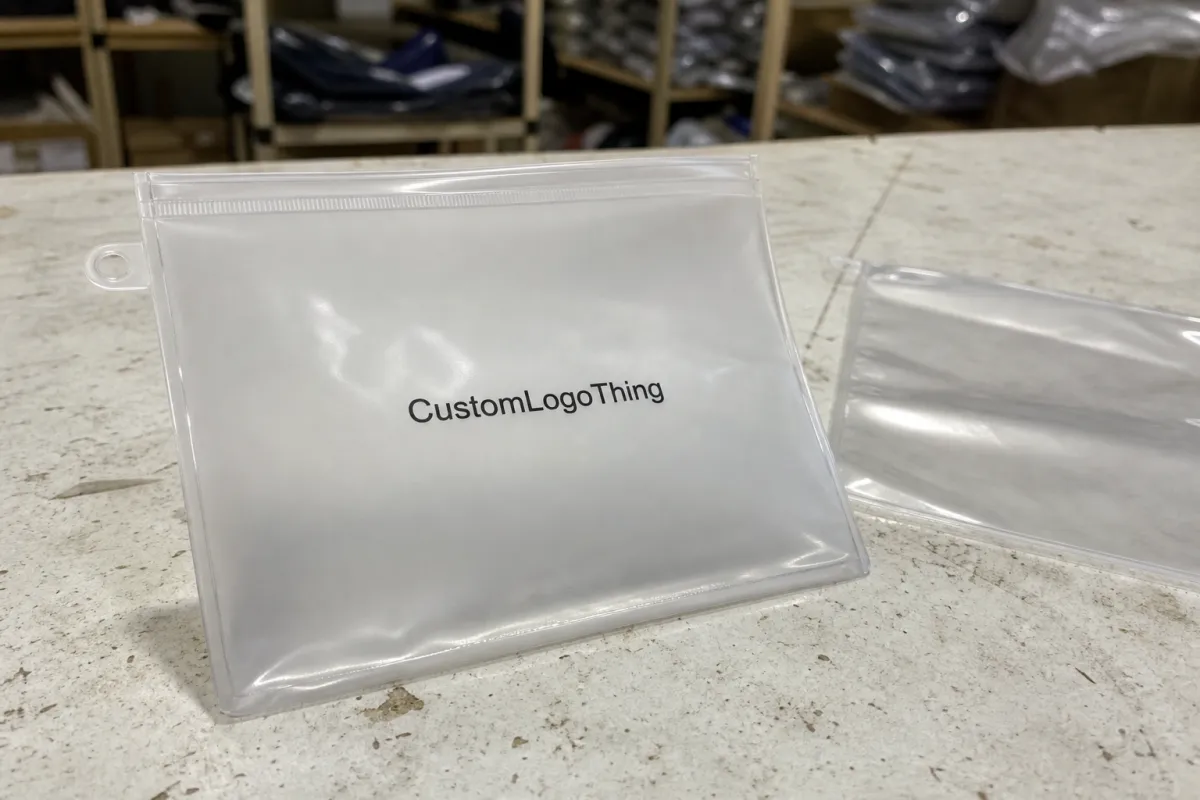
The same logo can look premium on one mailer and ordinary on another because the film itself changes how the package reads. Opacity, surface sheen, stiffness, and print hold all affect that reaction. That is why Poly Mailer Bags material options for giftable ecommerce orders deserve more attention than most brand teams give them. The buyer sees the package before they ever touch the product. If the mailer feels flimsy, the order starts at a disadvantage.
Giftable ecommerce is a special case. You are not shipping a disposable utility item. You are sending something meant to feel chosen. That is why material choice matters for subscriptions, boutique apparel, candles in flat cartons, accessory sets, and sample bundles. Mailers work especially well when the contents are lightweight, the shape is flat, and the shipping route is ordinary. No need to drag a box through the system if the product does not need one.
Mailers also beat boxes on cost and speed. A bag takes less warehouse space, folds faster, and usually ships at a lower dimensional weight. That is useful for brands that want a polished look without paying for kraft paper outer packaging or moving everything into heavy carton stock. If the product can stay protected in a flexible outer layer, poly mailers are usually the leaner option.
If the package needs to feel giftable, spec the feel first and the price second. Cheap-looking packaging is a silent refund driver.
Here is the decision frame I use: choose the material that makes the order look deliberate on arrival, not the one with the loudest marketing claim. If the film is too thin, the bag wrinkles and telegraphs every seam. If it is too opaque or too glossy, the package can look harsh. Good Poly Mailer Bags material options for giftable ecommerce orders make the shipment look cared for without adding box-level cost.
Film types and finishes that make mailers look premium
LDPE is the workhorse. It is soft, flexible, and forgiving, which is why many custom mailers use it for apparel and flat gifts. Co-extruded PE pushes performance higher by combining layers, so the outside can print cleanly while the inner layer improves toughness and seal behavior. Recycled PE is a practical choice when the brand wants recycled materials in the spec without making the bag feel like a compromise. None of these options is automatically premium or cheap. The print and finish decide that.
Finish changes perception fast. Glossy film reflects light, makes color pop, and usually looks cleaner in product photography. Matte film hides scuffs and fingerprints better, which matters if the shipment gets handled hard in transit. Soft-touch effects can add a more tactile, giftable feel, but they are not magic. If the artwork is weak or the colors are muddy, no coating saves it. That is the part people skip, then blame the factory.
Clarity and privacy are a real tradeoff. Clear or frosted mailers can show off the item silhouette, which works for aesthetic products or branded inserts. Opaque white and black films hide contents better and usually give a more polished packing line appearance. If the order includes varied products and you want the warehouse to look tidy, opacity helps. If the brand wants the customer to get a preview, transparency works.
For sustainability claims, be careful. A bag with recycled content is not the same as biodegradable packaging, and customers know the difference more often than brands assume. If you want a credible environmental story, ask whether the film uses post-consumer waste, whether the claim is documented, and whether the supplier can back it with paperwork. For general reference on certified fiber systems, FSC certified programs are worth reviewing even if your project is primarily plastic-based. The point is simple: use the right claim for the right material.
| Material / finish | Best use | Typical cost impact | Buyer note |
|---|---|---|---|
| LDPE glossy | Apparel, accessory kits, bright branding | Low to moderate | Sharp color, but it shows scuffs more easily |
| LDPE matte | Gift sets, premium basics, minimal designs | Moderate | Better at hiding handling marks |
| Co-extruded PE | Higher-end mailers, heavier flat goods | Moderate to higher | Better toughness and print consistency |
| Recycled PE | Brands with a reuse or recycled story | Moderate, sometimes higher | Ask for sample consistency and color variation limits |
Strength, seal, and print specs buyers should verify
Do not let anyone sell you on vague durability language. Ask for the specs that actually predict performance: film thickness, seal width, adhesive strength, seam construction, and print coverage. A bag with a 2.5 mil film and weak side seals can fail faster than a 3.0 mil bag with a stronger closure. The extra tenth of a mil is not the whole story, which is annoying but true.
For lighter apparel, a 2.0 to 2.5 mil film often works. For bulkier or oddly shaped items, 3.0 to 4.0 mil is safer. If the item has corners, rigid trim, or layered inserts, I would not try to save a few cents by dropping to the thinnest gauge available. You are buying fewer returns, fewer complaints, and fewer damaged-sounding emails. That is where the real cost lives.
Print coverage matters too. One-color logos are simpler and cheaper. Full-coverage artwork hides scuffs better because the entire surface already carries brand color. PMS matching usually costs more than standard process color, especially on smaller runs, but it keeps the brand palette consistent. If the package is gift-facing, consistency is often worth the premium. Nobody wants a pale blue mailer that was supposed to be navy.
For test standards, ask whether the supplier checks puncture resistance, edge splitting, and adhesive failure after storage or simulated handling. The shipping side of the business is not gentle. A packaging spec that survives a warehouse shelf can still fail after a rough carrier route. For transport testing guidance, the ISTA resources are useful because they focus on how packages behave after the carton leaves the building. That is the part that matters.
Before you approve a run, look at these items together:
- Film thickness in mil or micron, not just “strong” or “durable”
- Seal quality on the closure strip and side seams
- Print coverage and whether large solid areas reveal streaking
- Adhesive performance after a few days in storage
- Surface abrasion if the bag will travel through busy fulfillment lines
Cost, pricing, and MOQ for custom poly mailers
Unit cost changes faster than most buyers expect. Material grade, size, thickness, print colors, bag style, and order volume all push the number around. A simple 1-color custom mailer in a standard size can come in roughly around $0.12-$0.22 per unit at mid-volume. Add heavier film, better finish, or more print coverage and that can move into the $0.18-$0.35 range, sometimes higher for smaller orders. If a quote looks dramatically cheaper, check what was left out.
MOQ depends on production method and complexity. Digital print can support lower minimums and is useful for test runs or new brands. Flexographic work, custom pantone matching, special finishes, and multiple print colors usually push the minimum upward. If you need a custom shape, special adhesive, or unusual recycled blend, expect the minimum to climb again. That is not a penalty. It is just production math.
Hidden costs are where budgets get mangled. Plates, setup, sampling, freight, and repacking can add more to a small order than the bag itself. Buyers often compare only unit price, then discover that the freight on a low-volume order wiped out the savings. Ask for landed cost, not just factory price. Ask for the shipping carton count too. A cheap quote that arrives in flimsy outer cartons is not cheap once damaged bags show up.
For comparison shopping, ask every vendor for the same structure:
- Bag size and film thickness
- Material type and finish
- Print colors and coverage area
- MOQ and price breaks by quantity
- Freight estimate to your warehouse
That is the cleanest way to compare Custom Poly Mailers without getting distracted by pretty sales language. If your project also needs inserts, labels, or secondary cartons, you can compare the rest of the pack through Custom Packaging Products. Same logic, same discipline.
Process, timeline, and production steps for approval
The production flow should be boring. That is a compliment. It should move from brief to spec confirmation, artwork review, proof approval, sample approval if needed, production, packing, and dispatch. Each step protects you from a mistake that becomes expensive once the bags are printed. If a supplier cannot explain that sequence clearly, keep looking.
Simple reorders can move quickly. New artwork, special colors, or a custom film blend take longer. A clean reorder on a standard spec may ship in about 10-15 business days after proof approval. New projects often sit in the 12-20 business day range, and that can stretch if tooling, sample signoff, or artwork cleanup is involved. The schedule is not the place for wishful thinking.
The usual bottlenecks are predictable. Missing dielines. Low-resolution logos. Late signoff from the brand team. Unclear finish choices. If you delay on those points, the factory does not magically recover the lost days. It just produces later. Lock the size, material, print count, and target ship date before production starts. Otherwise the timeline drifts while everyone pretends it is fine.
Here is the approval approach I recommend for Poly Mailer Bags material options for giftable ecommerce orders:
- Confirm the exact size against the packed product, not just the item itself
- Choose film type and finish before asking for final artwork setup
- Approve a sample or digital proof with the real logo colors attached
- Check seal placement and closure strip position before the run starts
That process keeps small details from turning into expensive reprints. It also makes it easier to compare the final result against your brand standard, which is the whole point.
Which mailer construction fits apparel, skincare, and small gifts
Apparel is usually the easiest fit. Tees, socks, scarves, and lightweight knitwear can ship in flexible film with a reliable self-seal. The package stays flat, the warehouse can move fast, and the customer still gets a polished outer layer. For that category, Poly Mailer Bags material options for giftable ecommerce orders often come down to whether you want soft matte presentation or glossy color pop.
Skincare and small gift kits need a cleaner finish and better moisture protection. If the inner pack includes jars, droppers, or slim cartons, a more opaque mailer can help the shipment look organized and private. It also reduces visual clutter if the order is split across multiple SKU types. That matters more than people think, especially for premium gifting.
Insert strategy changes the bag spec. Tissue, thank-you cards, product samples, and folded brochures all take space. If the mailer is sized to the item alone, the close can look strained and the adhesive may not hold as cleanly. Leave enough room for the full presentation. A little extra width is cheaper than a return because the seal popped open in transit.
Move up in strength when the product has corners, glass, hard edges, or layered packaging. This is where thin film gets punished. If you are shipping a candle in a rigid box, a bundled accessory set, or a product with sharp components, a stronger bag is the sensible choice. If the product is soft and flat, overspecifying the bag wastes money. There is no prize for buying the thickest film in the catalog.
For brands that want a more premium route, sometimes the answer is not a mailer at all. A rigid gift set may need a carton, tissue, and outer shipper. If the product needs higher crush resistance, it can be smarter to pair a mailer with an inner carton or switch to kraft paper-based packaging. If you are balancing multiple packaging layers, the fit should be judged as a system, not a single component.
Supplier checks that reduce defects and customer complaints
Quality control should focus on what the customer will notice after the shipment leaves the plant. Check seam integrity, adhesive consistency, ink adhesion, and batch color consistency before anything ships. A beautiful proof means very little if the run drifts by the time the bags are packed. The ugly truth is that most complaints come from a few repeat defects, not from one spectacular failure.
Ask for physical samples when the finish is premium-facing. A glossy film that looks rich on screen can print with banding in real life. A matte finish that seems elegant in a mockup can arrive dull if the surface texture is wrong. If the supplier only offers render images, be cautious. Real samples tell you more in two minutes than a dozen polished emails.
Packing standards matter too. Nested stacks keep the bags flat. Strong outer cartons prevent edge curl and crush. Moisture protection helps preserve adhesive performance in storage. That is basic, but plenty of buyers skip it and then act surprised when the warehouse opens a warped case. If you are shipping at scale, even small storage damage can slow fulfillment.
Use a simple scorecard when choosing a vendor:
- Response speed when you ask for specs or corrections
- Proof accuracy against the artwork you supplied
- Sample quality under real light, not just on a screen
- Defect handling if something arrives out of spec
- Documentation for recycled content, if that claim matters
If you are comparing multiple suppliers, ask about their handling of post-consumer waste content, whether claims are traceable, and whether they can support other packaging needs through a broader Wholesale Programs setup. That keeps procurement simpler when your brand scales into multiple SKU types and packaging formats.
Next steps before you request a quote
Before you ask for pricing, lock the spec list. Size, film type, thickness, finish, print colors, closure style, and target MOQ should be decided first. Otherwise every quote comes back on a different footing, and you waste time comparing apples to oranges. Buyers lose the most time when the spec is fuzzy. Suppliers do too, if they are honest.
Prepare the three inputs that speed up quoting: artwork files, estimated monthly volume, and the packed product dimensions. If the item has a gift insert or extra fold, include that in the dimensions. If you know the target delivery date, state it plainly. That does not force a factory to bend time, but it does keep the schedule realistic. Honestly, that helps everyone.
For gift-facing orders, ask for a proof or sample before approval. The whole point is to avoid signing off on a package that feels cheap on arrival. Compare the same poly mailer bags material options for giftable ecommerce orders across your shortlist, then judge them on price, print clarity, closure quality, and delivery reliability. That comparison is more useful than any sales pitch.
If you need help narrowing the field, start with the product, not the marketing line. A flat apparel order may only need LDPE with a clean matte print. A more premium kit may justify co-extruded PE or recycled PE with stronger finish control. That is how you choose packaging that looks intentional and still makes sense financially.
For more general packaging support, you can review the broader product range through FAQ and build from there. The right mailer is not the fanciest one. It is the one that ships cleanly, looks deliberate, and does not waste money on features the order never needed.
What are the best poly mailer bags material options for giftable ecommerce orders?
LDPE works well for soft, flexible bags that need a cleaner hand feel. Co-extruded PE is better when you want stronger barrier performance and a more polished exterior. Recycled PE can still look premium if the print, finish, and opacity are chosen carefully.
Is matte or glossy finish better for giftable mailers?
Glossy finish usually makes color pop and looks sharper in photos. Matte finish hides scuffs better and feels quieter, which some brands prefer for premium gifts. Choose based on the brand look and how rough the package may be in transit.
What thickness should I choose for custom poly mailer bags?
Use lighter gauges for flat, low-weight products that do not need much puncture resistance. Move up in thickness if the contents have corners, rigid edges, or a higher chance of tearing through the film. If the order is giftable and customer-facing, do not spec the thinnest option just to shave a tiny amount off the unit cost.
How does MOQ affect pricing on printed poly mailers?
Higher quantities usually reduce unit cost because setup is spread across more bags. Lower MOQs are possible, but they often come with a higher price per bag. Custom colors, extra print coverage, and special finishes can push MOQ requirements upward.
Can recycled material still work for premium ecommerce packaging?
Yes, if the film is stable, the print is clean, and the finish suits the brand. The package should still feel intentional, not like a compromise product. Ask for samples, because recycled content can vary more in appearance than virgin film.


