Retail Merch Caps unit cost is rarely decided by the blank alone. It is usually shaped by the choices made before production starts: cap body, decoration method, packaging, and how clearly the artwork is prepared at proof stage. That is useful for buyers, because caps can look premium on shelf, move through production without much drama, and hold branding well without the size complexity of apparel or the breakage risk of glass and ceramic goods.
From a packaging and merchandising point of view, caps are practical. One size can support a pilot run, a store reset, or a seasonal launch without forcing a full size curve. They stack well, ship efficiently, and are easy to explain in an internal approval chain. Compared with shirts, there is less inventory risk. Compared with drinkware, there is less protective packout and far less concern about damage in transit.
Most cap orders miss margin not because the blank was expensive, but because the buyer changed the art, the closure, or the packing format after the quote.
How Caps Cut Shelf Spend Without Looking Cheap
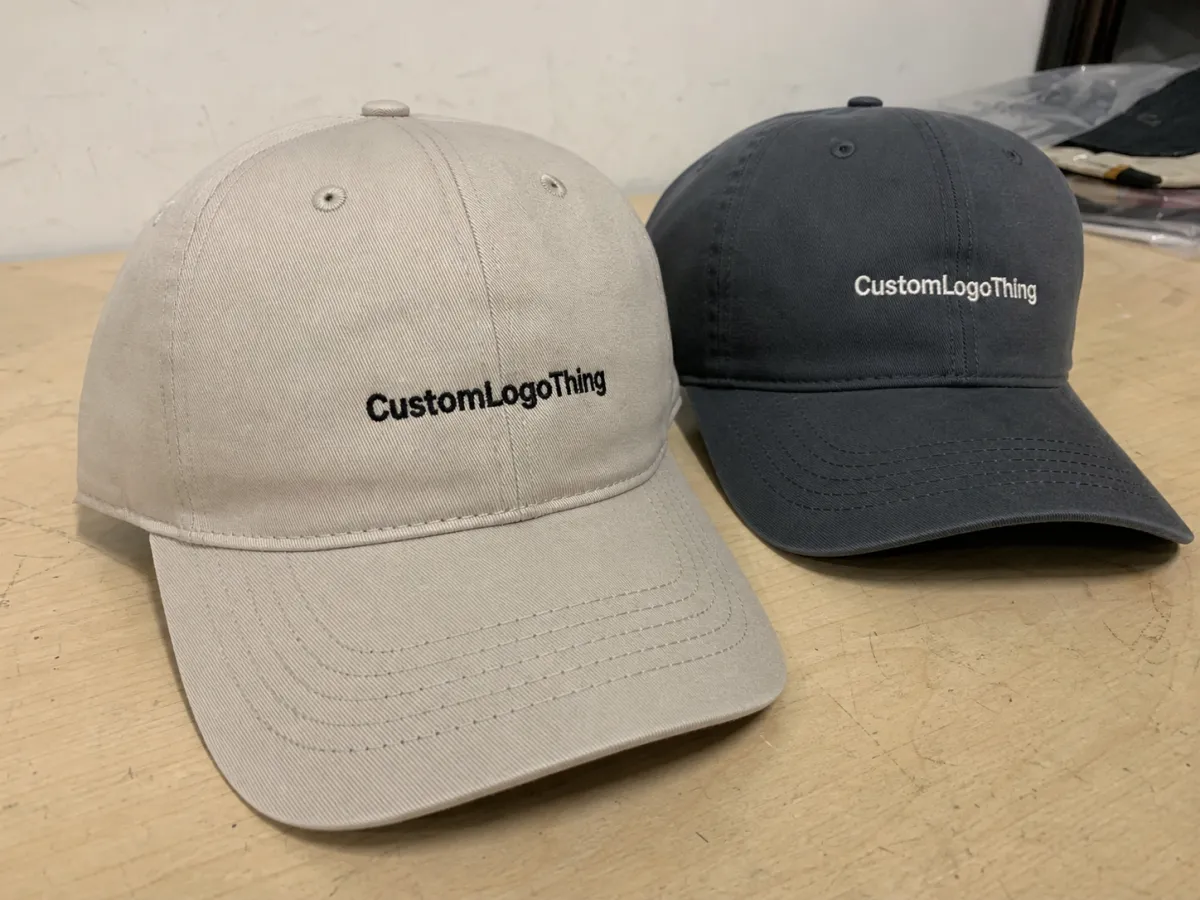
A cap earns its place in retail because it does not need much decoration to do its job. A single front logo, a clean crown shape, and a silhouette that suits the brand can carry the whole product. That is one reason Retail Merch Caps unit cost often looks better than buyers expect once the spec is disciplined. The blank can stay simple while the item still reads as finished.
Shirts ask for more. They need size runs, more packing labor, and a higher chance of dead stock in the wrong size mix. Drinkware brings different costs: cartons, void fill, breakage risk, and more attention to drop performance if the item has to survive distribution center handling. Caps sit in the middle. They are visible enough to justify branding, but simple enough to keep the order moving.
- Store resets: a cap can be merchandised quickly and reordered without redesigning the base item.
- Event launches: one style can support a short, high-visibility brand push without heavy setup.
- Seasonal drops: smaller runs can test color or graphic demand before the next buy.
That mix matters when the buyer needs a product that looks retail-ready but still respects spend. A well-chosen cap can signal a higher tier than its cost per piece suggests, especially if the crown height, brim curve, and logo placement are selected with shelf presentation in mind.
The best retail cap programs usually avoid trying to make one item do everything. A lifestyle brand may want a washed cotton dad cap with low-profile embroidery. A sports-oriented line may need a structured crown and a cleaner front panel. A streetwear launch might read better with a five-panel build and a flatter front. The material and shape do more than most buyers expect; they decide whether the product looks intentional or generic once it lands on peg or shelf.
Material and Decoration Choices That Change the Buy
Body style is the first pricing and presentation decision. A structured cap holds its shape and usually reads more premium under retail lighting. An unstructured dad cap feels softer and more casual. Trucker caps add mesh backs for breathability and a familiar promotional look. Five-panel caps give a flatter front that suits bold marks. Performance caps bring lighter fabrics and a sportier finish. None is automatically better. The right choice depends on the brand position and the artwork.
Fabric matters just as much as silhouette. Cotton twill is common because it balances cost and appearance. Washed cotton gives a softer hand and a more relaxed look, but it can create color variation from lot to lot. Polyester and nylon are common in performance or sport styles because they dry faster and hold shape well. Mesh backs reduce heat, but they also change the visual weight of the product. If the cap is going into a retail environment, that surface choice affects how it catches light and how the logo reads from a distance.
Decoration changes both the look and the cost profile. Embroidery is the standard for simple logos and text. It has strong shelf appeal, but it needs artwork that can be translated into stitch counts. Woven patches handle more detail and often look cleaner for thin lines or small type. PVC patches create a more dimensional finish, though they often carry tooling fees and a more obvious setup path. Printed patches and woven labels help when color complexity would make embroidery too heavy or too expensive.
Match the cap body to the art, not the other way around. A small wordmark usually performs best as embroidery on a structured or mid-profile crown. A detailed illustration with gradients or tiny shapes often needs a patch or print treatment to stay legible. That choice can stop Retail Merch Caps unit cost from creeping upward because the decoration method was forced to solve a design problem it was never built for.
Retail presentation details matter too. Matte fabric reads more restrained than sheen. Crown height changes how the cap sits on a peg or shelf. Brim shape changes the silhouette from sport to lifestyle. Closure type changes the buying experience. A plastic snapback feels different from an antique brass buckle, and the market notices. If the cap will be sold with hang tags or individual polybags, those choices should be in the quote from the start rather than added after approval.
Material quality also affects returns and customer perception in small but real ways. A sweatband that feels scratchy, a brim that arrives with uneven stiffness, or a crown that collapses after a few wears can turn a low-cost win into a retail headache. Buyers do not need luxury-grade construction for a merch program, but they do need consistency in the feel of the front panel, the inside finish, and the shape retention after packing.
Construction Specs That Protect Margin and Presentation
Good quoting depends on locked specifications. If the cap is still being described in broad terms, the price will wobble. Buyers should confirm panel count, crown profile, visor curve, closure type, sweatband details, and ventilation before they ask for numbers. A six-panel structured snapback and a five-panel dad cap can both look like “a cap” in a brief, but they do not behave the same in production or on shelf.
- Panel count and crown shape: six-panel, five-panel, structured, or unstructured.
- Visor style: flat, gently curved, or pre-curved.
- Closure: snapback, buckle, hook-and-loop, or fitted.
- Fit strategy: one-size adjustable, size-specific, or limited size range.
- Branding location: center front, side hit, back hit, or multiple placements.
Fit strategy is a bigger margin issue than many buyers expect. Adjustable one-size caps simplify inventory and reduce the chance of dead stock. Fitted options can look more elevated, but they add complexity and can leave the buyer with uneven demand by size. For most retail launches, one-size adjustable is the safer commercial decision unless the brand position truly calls for a fitted build.
Several specification fields prevent quote drift. Pantone references keep colors honest. Thread count and stitch density tell the factory how much work the logo will take. Patch size and placement set the visual footprint. Carton pack count affects freight efficiency and shelf-ready handling. If barcode labels, individual polybags, or custom inserts are needed, they should be stated early. Those details are where setup charges and labor creep into retail merch caps unit cost without much warning.
Hidden cost triggers usually fall into a short list: custom molds for molded patches or metal badges, oversized embroidery areas, multiple cap colorways, and special inserts that need hand packing. None of those are impossible. They just need to be priced as real work, not treated as free extras. The same applies to small changes such as shifting a logo a few millimeters, adding a second stitch color, or requesting a different thread sheen. Each one can be minor by itself, then expensive once multiplied across a run.
QC should be built into the spec, not treated as an afterthought. Buyers should expect checks for stitch pull, seam symmetry, patch centering, brim curve, closure function, and carton count. If the cap is meant to sit flat on a shelf, the crown must hold its shape. If the front logo is meant to be the focal point, the placement tolerance needs to be tight. If the cap includes a woven label or hang tag, the finish on those components should match the main item rather than feeling like a separate purchase.
Retail Merch Caps Unit Cost, Pricing, and MOQ
The pricing picture becomes clearer once the blank cap is separated from decoration and packout. Retail merch caps unit cost is shaped by cap body choice, decoration method, color count, packaging, and whether the supplier needs setup charges or digitizing fees. That is why two caps that look similar on a screen can land at very different cost-per-piece levels in a real quote.
Quantity changes the math quickly. Fixed costs get spread out as the run grows, so pricing usually improves at common breakpoints such as 100, 250, 500, and 1,000 units. A buyer who only compares the lowest number on one line often misses the real story. MOQ, artwork setup, and freight can make a “cheap” quote more expensive than a cleaner tiered offer with slightly better unit pricing.
| Cap Style | Common Decoration | Typical MOQ | Indicative Cost per Piece at 500 Units | Retail Read |
|---|---|---|---|---|
| Structured snapback | Flat embroidery | 100-300 | $2.40-$3.90 | Clean, mainstream, easy to brand |
| Dad cap | Small embroidery or woven label | 100-250 | $2.20-$3.60 | Soft, casual, easy to merchandise |
| Trucker cap | Woven patch or embroidery | 100-300 | $2.60-$4.10 | High visibility, familiar retail look |
| Five-panel cap | Patch or print treatment | 100-300 | $2.70-$4.50 | Streetwear feel, strong front panel |
| Performance cap | Print transfer or light embroidery | 200-500 | $3.10-$5.25 | Sport-oriented, lighter hand feel |
Important: these ranges are illustrative factory numbers before freight, duties, tax, and any late-stage art change. A digitizing fee might run $25-$75 for embroidery, while patch tooling can add $60-$180 or more depending on complexity. Molded PVC or metal badge work can move higher. At 100 units, those charges are obvious. At 1,000 units, they disappear into the total more easily.
The cleanest way to compare quotes is to force sameness across the options. Same cap body. Same decoration method. Same packaging level. Same delivery address. If one supplier quotes a polybagged cap with a woven patch and another quotes a loose cap with direct embroidery, the numbers are not comparable. That mistake is common, and it is exactly how retail merch caps unit cost gets misread in a buying meeting.
Another point that gets ignored is landed cost timing. A low factory price can turn into a weaker program if the freight lane is slow or if the order misses the sales window. Buyers should look at the quote alongside in-hands date, shipping mode, and any warehouse receiving rules. A cap that lands two weeks late is often more expensive in practice than the one with a slightly higher base price that arrives when the floor team needs it.
The best quote is not the lowest line item. It is the one that survives proof approval, production, and store delivery without surprise charges.
Production Process, Timeline, and Proof Approval
The production path should be simple enough to explain in one pass. First comes brief intake. Then artwork review. Then the digital proof. After that, the supplier may send a photo sample or a pre-production sample if the order is more complex. Production follows, then quality check, then final shipment. The process sounds basic, but every delay usually enters through one of three doors: unclear art, late approval, or missing spec data.
Simple embroidery runs can move relatively fast once the design is final. Patch-heavy orders, custom labels, or mixed-color programs tend to take longer because there are more components to align. A realistic planning window is often 12-15 business days from proof approval for a straightforward run, while more detailed builds can stretch into 15-25 business days before freight. Shipping method then decides whether the launch lands on time or only technically “in production.”
Late art changes are the most expensive delay because they trigger another round of proofing and sometimes another round of setup. Missing Pantone references create color guesswork. Stock shortages can force a body-style change that nobody wanted. Delayed sign-off on the proof pushes every downstream date. None of that is unusual, which is exactly why the schedule needs to be managed like a packaging project, not an informal merch request.
For transit, ask whether the supplier thinks about packaging and carton stress the way a logistics team would. ISTA-style thinking matters because crushed brims and collapsed crowns are not cosmetic details; they affect sell-through. If the program includes paper hang tags or insert cards, FSC-certified stock keeps the paper story easier to verify. Useful references: ISTA and FSC.
A good approval step does three things. It locks one final artwork version. It confirms the ship date in writing. It chooses the freight method that matches the launch window instead of the cheapest line on paper. That discipline protects retail merch caps unit cost more than most buyers realize, because rush handling and rework are where margins usually get damaged. It also keeps the buyer from inheriting avoidable errors such as the wrong closure color, a patch that is too large for the front panel, or a carton pack count that creates receiving delays at the warehouse.
There is a practical reason to ask for a pre-production sample on more complex orders. A sample exposes real-world issues that are hard to catch in a mockup: how stiff the crown feels, whether the logo puckers on curved fabric, and whether the closure sits square after packing. For simple repeat orders, a sample may be overkill. For a new construction, a sample can save money by catching a problem before the full run starts.
How to Keep Reorders Consistent Across Runs
Consistency is where a cap program becomes a program. The same cap body, the same decoration placement, and the same color standard make reorders predictable and keep the retail wall looking intentional. If the first run looks one way and the second run drifts, the buyer ends up doing design control work on top of procurement work. That is a poor use of time.
Quality control should be specific enough to check quickly. Stitch alignment matters. Patch centering matters. Closure function matters. Carton counts matter. Label accuracy matters. These are not glamorous details, but they reduce return risk and protect presentation at point of sale. A cap with a crooked logo or inconsistent crown shape may still ship, but it will not hold the same confidence on shelf.
Buyers also notice supplier behavior almost immediately. Strong suppliers send clear updates, surface changes early, and price the order without smoke. Weak suppliers hide small fees until paperwork is almost done. Strong suppliers keep proofing tight, which catches problems before the run starts. That is how a buyer gets fewer damaged launches and less time spent cleaning up the second or third production run.
A reorder should not become a redesign. If the cap body and spec sheet stay frozen, the second run should feel boring in the best possible way.
In practical terms, that means saving the original proof, the final spec sheet, the packaging notes, and the approved color references. If the supplier has those documents, there is far less room for guesswork. That stability is one of the easiest ways to protect retail merch caps unit cost over time, because it keeps rework, sampling, and surprise changes out of the process. It also shortens the approval cycle on future buys, since the buyer can compare against a known standard rather than rebuilding the order from scratch.
Reorder consistency also depends on material continuity. If the first order used a brushed cotton twill and the reorder uses a stiffer twill from a different mill, the cap can look and feel different even when the artwork is identical. The same is true for thread sheen, sweatband texture, and buckle finish. None of those differences may show up in a quote line, but they show up on shelf.
What to Send for a Fast Quote and Clean Purchase Order
Buyers get better pricing when the request is complete. The fastest quote usually starts with one packet that includes artwork files, target quantity, cap style, decoration method, delivery address, and the required in-hands date. If any of those elements are missing, the supplier has to guess, and guessing is where quote spread begins.
- Artwork: vector files, logo placement notes, and Pantone references if color accuracy matters.
- Spec: cap body style, closure type, crown profile, and decoration method.
- Volume: target quantity plus any fallback tier if the MOQ is tight.
- Logistics: delivery address, in-hands date, and whether freight needs to be expedited.
- Packaging: polybag, hang tag, carton pack count, and barcode or label needs.
Ask for two quote versions if the launch is time-sensitive: one that prioritizes the lowest unit price, and one that trades a little price for a lower MOQ or faster turnaround. That second option often saves a program when the retail window is fixed and the buyer needs a fallback path.
Before production starts, confirm the art placement, thread or patch colors, packaging format, carton quantity, and reorder expectations. Those are the details that stop a clean order from becoming a messy one. They also make the PO easier to approve internally because the business case is visible, not implied. If the quote matches the launch plan, the decision gets faster. If it does not, the order should wait.
It helps to send the request in a format that can be compared line by line. A buyer who lists “cap” without body style, closure, and decoration is inviting vague pricing. A buyer who specifies “six-panel structured snapback, flat embroidery, one color logo, black body, polybagged, 500 units, ship to warehouse by a fixed date” gets a quote that can actually be used. That level of clarity is the simplest way to keep retail merch caps unit cost under control while protecting the look of the final piece.
For internal approval, the strongest purchase orders usually show three things together: landed cost, production timeline, and a simple specification summary. If those three match the merchandising plan, sign-off tends to move faster. If they do not, the order often slows down while teams try to reconstruct missing details. The cleaner the intake, the fewer revisions are needed later.
What changes retail merch cap pricing the most?
Decoration method usually moves pricing fastest because embroidery, patches, and print treatments have different setup and labor needs. Quantity matters next, because fixed costs spread out as the run gets larger. Packaging, color count, fabric choice, and custom cap bodies can also push the quote up.
How do I lower cap unit cost without making the product look basic?
Use one strong logo placement instead of multiple decoration zones. Choose a standard cap body with a clean structure and a retail-ready finish. Keep thread colors and packaging simple, but do not remove the details that improve shelf appeal, such as a tidy crown shape or a well-centered patch.
What MOQ should I expect for custom retail merch caps?
Many programs start around 100 to 300 pieces, depending on the cap style and decoration method. Lower MOQs are possible, but the unit price usually rises because setup costs are spread across fewer units. Ask for tiered pricing so you can see where the break points begin to improve.
How long does a custom cap order usually take?
Proofing can move quickly when the artwork is final and the cap spec is already clear. Production time varies by decoration method, but simple orders are usually faster than patch-heavy or custom-packaged builds. Freight choice can change the final arrival date even when production stays on schedule.
Can I reorder the same style at the same price?
Usually yes if the cap body, quantity, decoration method, and packaging stay the same. Price can still move if raw material stock changes or if your reorder quantity changes materially. Keep the original proof, spec sheet, and supplier notes so the next run matches the first one.
What should I check on samples before approving production?
Check the front logo size, placement, stitch quality, patch edges, crown shape, closure function, and overall hand feel. Look at the sample under store lighting if possible. A cap can look acceptable on a screen and still feel wrong once it is in hand.
The practical lens is simple: lock the spec, compare the tiers, and judge the quote against the real retail merch caps unit cost, not just the headline number.


