For event merch, event merch Unstructured Dad Hats Unit cost is never just the blank cap price. The real number includes decoration, setup, freight, packaging, and the chance that the hat actually gets worn after the event. A soft cap with a small logo can be one of the best-value pieces in branded goods, but only if the spec matches the audience and the timeline.
Buyers who focus only on headline unit price often miss the costs that show up later: digitizing, extra placement charges, proof revisions, or a packaging change that was not in the first quote. Fit matters too. If the hat rides high, pinches the forehead, or feels flimsy, the "cheap" option stops being cheap very quickly. Why treat the blank cap as the whole story? A better way to judge the purchase is landed cost plus expected wear.
What event merch unstructured dad hats unit cost really buys
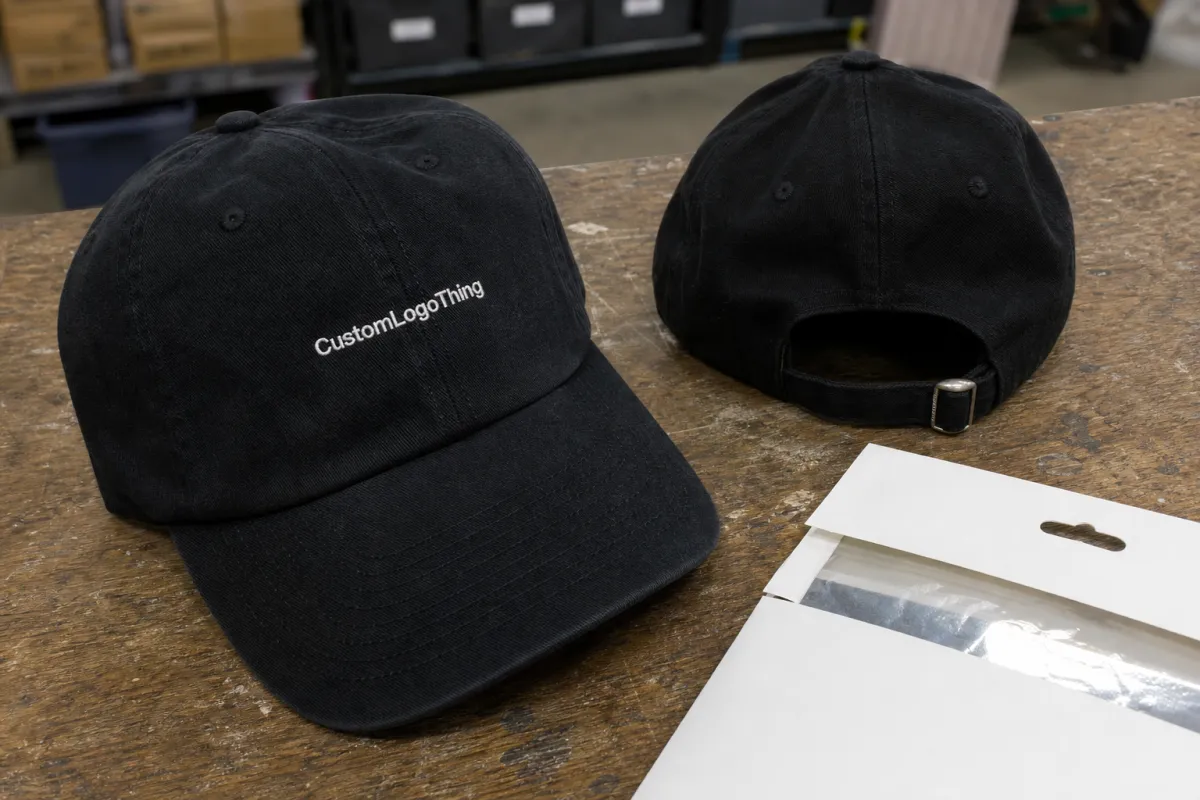
An unstructured dad hat works because it is forgiving. The crown collapses naturally, the profile stays casual, and the cap avoids the rigid look that many event teams want to avoid. That makes it a strong choice for staff kits, sponsor drops, volunteer uniforms, street teams, and VIP gifts. It also broadens acceptance, since the same logo that looks formal on a stiff cap can feel easy to wear on a relaxed one.
Cheap is the wrong lens.
The phrase event merch Unstructured Dad Hats unit cost only helps if the quote is broken out clearly. A useful quote should identify the blank cap, embroidery or patch setup, decoration placement, labels or hang tags, packaging, and the freight assumption. A low first number can be misleading if digitizing, a second location, or polybagging gets added later. Final landed cost is often meaningfully higher than the first line item.
For decision-making, think in terms of wear value. A $3.00 hat worn 20 times is a very different purchase from a $6.50 hat that sits unused after the event. Which one is really cheaper? The first one is usually better value, even if it is not the lowest sticker price. This is why buyers should compare cost per unit, expected wear, and whether the cap will still look acceptable after real use.
Crown shape, brim curve, and closure options that affect fit
The crown determines how the hat sits on different head shapes. A relaxed crown is easier to distribute because it fits a wider range of wearers and packs better for transport. A stiff front panel can look neater, but it also narrows the fit range. On event crews and broad-audience giveaways, that often leads to mixed reactions after pickup.
Brim curve changes the look and the use case. A pre-curved bill usually works best for staff, outdoor activations, and general giveaways because it reads as ready to wear. A gently curved bill feels a little more lifestyle-driven and frames the logo without making the cap look overly promotional. Flat brims sit outside the core dad-hat lane and are less common when the audience is wide.
Closure choice affects both fit and perceived quality. A self-fabric strap with a metal buckle usually looks more finished than Velcro and holds up better over time. Snapbacks are faster to adjust, but they shift the cap toward a more promotional feel. Velcro is practical when hats are handed out quickly, though it can age poorly. If the cap is for staff or a gift, buckle closure is usually the safest spec.
Confirm panel depth and interior comfort details before approval. Those small variables affect how far the cap sits down on the head, how it looks in photos, and whether people keep wearing it during warm events. If the order will be visible on stage or on camera, ask for the actual crown depth and closure spec rather than relying on a generic product sheet.
Fabric, embroidery, and color-match specs to confirm early
Fabric choice changes the feel, the color response, and the final price. Chino twill is usually the safest middle ground because it has a clean surface and predictable dye behavior. Brushed cotton feels softer and more casual, which suits lifestyle events. Washed cotton gives a worn-in look but makes exact shade matching harder. Poly-cotton blends often hold shape well and can be easier to keep consistent across larger runs.
Material weight matters too. A cap in the 7 to 8 oz range typically feels light enough for everyday wear while still keeping decent structure. Heavier fabrics can look more premium, but they also crease differently and may be less forgiving in transit. The right choice depends on whether the priority is softness, polish, or consistency across a large order.
Embroidery is where hidden cost shows up. Flat stitch is standard, but dense art takes longer and can add setup or production time. A simple one-color logo is cheaper than a multi-color mark with small text or thin outlines. Side hits, back embroidery, and oversized front placements all add time and usually add cost. If the artwork has gradients or hairline details, expect simplification during digitizing; embroidery has physical limits.
Color approval should happen early, especially on washed or brushed fabrics. Those finishes can make the same dye lot read differently under warehouse light, daylight, and venue lighting. Thread is not ink, so exact matches are rare. Ask for the closest thread card reference and confirm where a small shift is acceptable. If the brand is strict, request PMS references and review the proof before production starts.
Before sign-off, confirm the core spec set:
- Panel count and crown depth
- Fabric type and fabric weight
- Decoration size and placement
- Thread colors and stitch style
- Closure type and metal finish
For larger event programs, packaging also matters. If the hats will travel far or pass through several hands, carton strength and pack method should be part of the quote. Some teams reference ISTA guidance when shipping conditions are rough, because the cheapest box is not always the one that protects the product best. If inserts or tags are included, paper stock can be specified with FSC-certified material when sourcing policy requires it.
Unit cost, MOQ, and price breaks for bulk event runs
Event merch Unstructured Dad Hats unit cost usually drops as quantity rises because setup gets spread across more pieces. That is the basic math, but it is also where budgets get distorted. A small order absorbs digitizing, proofing, and decoration setup across very few hats. A larger run can reduce those same fixed costs enough to make the total project much more efficient.
For a standard stock hat with one embroidery location, working ranges often land around these levels:
| Quantity | Typical cost per piece | What usually changes |
|---|---|---|
| 100-199 | $4.50-$7.25 | Setup cost still weighs heavily |
| 250-499 | $3.20-$5.50 | Better spread of digitizing and proofing |
| 500-999 | $2.35-$4.20 | Stronger price break and more room for options |
| 1,000+ | $1.75-$3.50 | Lowest unit cost and best freight efficiency |
Those numbers are working ranges, not promises. A brushed cotton cap with one clean logo may land near the low end, while a more complex spec can climb fast. The point is to compare like with like, not to chase the lowest line item and hope the rest somehow works itself out.
Ask for the full quote before you compare suppliers.
MOQ matters because it shapes the entire math of the order. Some factories allow lower minimums on stock blanks, but custom colors, special trims, or private labels can push the minimum higher. If you only need a short run for one event, a supplier with flexible MOQ may be worth a slightly higher per-unit price. If the program repeats, a larger buy can lower the average cost and simplify reorders later.
Price breaks also depend on decoration complexity. One simple logo at one location is usually the cleanest path, while multiple placements, special thread, or mixed techniques can erase the savings from higher volume. It helps to ask for quotes at several quantities. That makes the breakpoints visible, and it can reveal where the real savings begin.
Proofing, production steps, and turnaround expectations
Proofing is where expensive mistakes get caught early. A digital mockup should show the logo size, placement, thread colors, and final cap color against the selected blank. If a patch, woven label, or printed insert is involved, ask for those views too. A quick approval can save a full production cycle, but only if the proof is actually specific enough to review.
Production often follows a predictable sequence: artwork prep, digitizing, sample or proof approval, blank sourcing, decoration, finishing, and packing. Each step adds time, and each step can move if the artwork changes. Rush orders compress the schedule, but they do not remove the work. That is why buyers should allow room for revisions before they promise a launch date.
Turnaround depends on stock, season, and the complexity of the decoration. Standard runs may move quickly when blanks are already in inventory, but custom colors and busy production calendars slow everything down. A holiday event, trade show, or campus rollout can create bottlenecks that do not show up in the first quote. If timing matters, ask for a dated production window rather than a vague estimate.
Need it for an event next week? Then the proof has to move first.
Operational details that keep large event orders on schedule
Shipping instructions should be as specific as the decoration spec. A clear ship-to contact, receiving hours, dock requirements, and carton count can prevent delays that have nothing to do with manufacturing. If the order must arrive in multiple waves, spell that out up front. It is much easier to plan split shipments before production begins than after a pallet is already in transit.
Packaging also affects the unboxing experience. Polybags are functional, but they are not always ideal for premium gifts or sponsor kits. Individual inserts, size cards, or custom tags can make the item feel more finished, though they add cost and may require extra approval. If sustainability is a priority, ask whether recycled mailers, FSC paper, or reduced-plastic packing is available without changing the production schedule.
Receiving and inventory matter just as much as production. If the hats will be distributed across multiple locations, count cartons against the packing list immediately. Missing pieces are easier to resolve on day one than after the event booth opens. The smartest orders are not just well made; they are easy to receive, count, and hand out without panic.
How to place the order and avoid launch-week delays
Start with the audience. Staff, volunteers, sponsors, and customers do not want exactly the same hat, even if the logo is identical. Pick the closure, crown, and finish with that in mind. A relaxed, wearable spec usually performs better than a trendy one when the goal is broad adoption.
Then lock the artwork. Keep the file simple, keep the colors intentional, and trim the tiny details that embroidery cannot reproduce cleanly. If the logo is too busy, simplify it before digitizing instead of after. That saves time, and it usually improves the final result.
After that, confirm the full quote. Decoration, setup, freight, packaging, and any rush charges should be visible before approval. One missing line can change the entire budget. The cleanest orders are the ones that leave almost nothing to interpret.
Finally, approve with the end use in mind. Will the hat be photographed, shipped, worn all day, or handed out in a crowd? That answer should shape the spec. A small change in crown depth or closure can be the difference between a giveaway people keep and one they forget.


