Why coffee roaster unstructured dad hats bulk order planning pays off
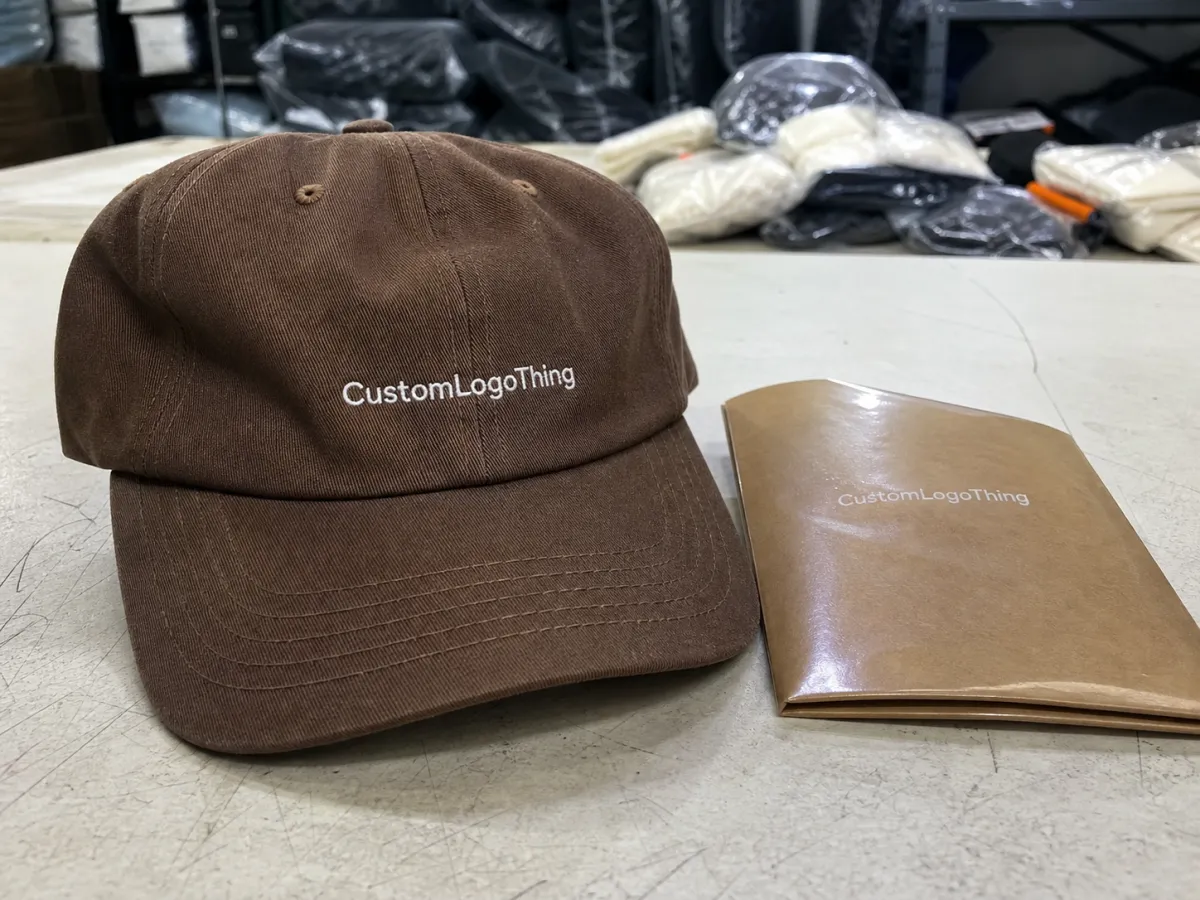
A soft unstructured cap can make a coffee brand feel instantly wearable, but it also exposes weak art decisions faster than most buyers expect. That is why coffee roaster Unstructured Dad Hats bulk order planning needs to happen before you ask for a quote, not after a mockup comes back, because logo size, stitch density, and thread color are all easier to control on paper than after production has started.
For roasters, these hats do real work. They fit staff uniforms without looking stiff, they sell well as retail merch because the low crown feels casual, and they make smart event giveaways or subscription add-ons because the price point can stay friendly while the perceived value stays solid. In practice, buyers are usually trying to balance three things at once: a clean look, a low landed cost, and an order that does not stall the team for weeks.
The money is usually saved before the first sample is made. Once artwork is finalized, quantity tiers are set, and the decoration method is chosen, the quote becomes much easier to trust. If those decisions keep changing, the project starts collecting extra setup fees, extra proof rounds, and avoidable delays.
Brand alignment matters too. A hat color that works with the roastery bag, the cafe interior, and the shelf display usually does better than a random “nice looking” color that never shows up anywhere else in the brand system. Thread color, label style, and patch material should feel like they belong beside the coffee bags, not just sit on top of them.
A dad hat is forgiving on the head and unforgiving on the logo. If the artwork is too small, too busy, or too close to the seam, the hat will make that obvious.
That is the real reason coffee roaster unstructured dad hats Bulk Order Planning pays off: it turns a merch decision into a controllable production job instead of a guessing game.
Unstructured dad hat product details that matter for coffee roasters
The standard build is straightforward, but the details still matter. A true unstructured dad hat usually has a soft crown, a low profile, a pre-curved brim, and an adjustable strapback closure. That combination makes one-size ordering practical for staff and retail because it avoids the sizing split that can complicate other headwear categories.
On the front panel, the decoration choice matters just as much as the blank. Flat embroidery gives a crisp result for simple logos and short wordmarks. Woven patches handle finer detail better when the logo has thin lines, gradients, or small text. PVC patches work well for bold marks, especially if the brand wants a slightly more dimensional look. Side hits, back embroidery, and woven labels are useful when the front panel should stay clean and the brand story can live in a smaller placement.
Fabric choice affects both hand feel and production stability. Brushed cotton twill has a familiar, durable texture and holds embroidery well. Garment-washed cotton brings a softer, broken-in look that many coffee buyers like because it feels closer to merch people actually wear on weekends. Blends can be useful if you want a slightly different drape or color depth, but they should be tested with the chosen decoration method because not every fabric behaves the same under thread tension.
Before you quote, confirm the build details that influence the final result:
- Panel count: five-panel or six-panel construction changes the front canvas and seam placement.
- Brim finish: pre-curved brims are common, but the stitch density and curve can vary.
- Closure hardware: fabric strap, metal buckle, or tri-glide each gives a different feel.
- Sweatband finish: a clean inner band helps the hat feel more retail-ready.
- Colorway range: some blanks have 8-12 stock colors, while others are more limited.
Those details may sound small, yet they directly affect how a hat sits on the head, how the logo reads from three feet away, and how confidently a buyer can tie the merch back to the rest of the coffee brand.
Specifications to lock before you request a quote
Accurate quotes start with clear specifications. For coffee roaster unstructured dad hats Bulk Order Planning, the most useful inputs are hat color, panel count, fabric type, decoration method, logo size, and whether the artwork will appear only on the front or in multiple locations. If any of those pieces stay vague, pricing tends to wobble from one revision to the next.
Artwork files should be ready for production, not just for viewing. Vector files in AI, EPS, or PDF format are the cleanest starting point. Pantone references help if the thread or print needs color matching, and embroidery files often need small adjustments so thin strokes do not disappear in stitching. A good supplier will tell you where simplification is needed, especially on small chest-style marks that become tiny on a hat front.
Packaging should be decided early too. A hat going straight to a roastery back room has different needs than a hat headed for retail shelves or e-commerce fulfillment. Individual polybags, hangtags, barcode stickers, carton counts, and fold direction all affect how much repacking your team must do later. If you want help comparing volume tiers or merch formats, our Wholesale Programs page is the right place to start, and our FAQ covers the common file and ordering questions that slow first runs down.
Approval checkpoints keep the order moving:
- Mockup signoff: confirm logo size, placement, and thread or patch color.
- Sample approval: check the physical sample for crown shape, stitch density, and closure feel.
- Shipping confirmation: verify destination, contact name, and carton instructions before production starts.
From a buyer's point of view, the cleaner the brief, the fewer chances there are for expensive interpretation. That is especially true on soft caps, where small changes in logo scale or border width can change the whole look.
Bulk order cost, pricing, MOQ, and unit cost drivers
Pricing usually breaks into a few parts: the base hat, the decoration, setup or digitizing, packaging, and freight. In practical terms, a stock dad hat with simple embroidery might land in a very different range than a patch-decorated hat with hangtags and retail polybags, so comparing quotes line by line matters more than chasing a single headline number. For coffee roaster unstructured dad hats Bulk Order Planning, the buyer wins by separating what is fixed from what is optional.
Typical unit cost drops as quantity rises because setup gets spread across more pieces and the fabric or decoration run becomes more efficient. Small runs carry more overhead per unit. Larger runs usually bring better pricing, but only if the artwork is locked and the colorway count stays controlled. If you split an order across too many colorways, the savings can shrink fast.
| Decoration approach | Typical MOQ | Common add-on cost per unit | Best fit |
|---|---|---|---|
| Flat embroidery on stock blank | 48-100 pieces | $2.00-$4.50 | Simple logos, staff wear, fast retail trials |
| Woven patch on stock blank | 100-250 pieces | $2.50-$5.50 | Fine detail, small text, polished merch drops |
| PVC patch on stock blank | 100-300 pieces | $3.00-$6.00 | Bold branding, outdoor feel, heavier visual impact |
| Woven label or side hit | 100+ pieces | $0.75-$2.00 | Subtle branding, co-branded releases, premium add-ons |
A good quote should also show setup fees clearly. Digitizing for embroidery often sits around $25-$65 for a standard logo, while patch tooling or mold work can run higher depending on the material and detail level. If the order needs extra thread colors, specialty backing, rush freight, or split deliveries, those costs should be visible before approval, not discovered after production is underway.
As a rough landed-cost guide, a simple stock-hat embroidery order can often fall around $7.50-$11.50 per piece at moderate quantities, while more decorated retail builds can climb into the low teens depending on packaging and freight. That is why the lowest quote is not always the best quote; the cleanest quote is usually the one that tells you exactly where the money is going.
Process, timeline, and lead time from artwork to delivery
A reliable order flow keeps the project calm. The usual sequence is artwork review, mockup creation, digitizing or patch setup, sample approval, bulk production, inspection, and shipment. If the hats are already in stock and the art is simple, that can move fairly quickly. If the design uses multiple placements, color-matched thread, or custom labels, the schedule needs more breathing room.
For many stock-hat embroidery orders, 12-15 business days after proof approval is a realistic working range, plus transit time. Patch orders often need a little more time because the patch itself has a separate production step, and custom labels or special packaging can push the schedule out further. During busy periods, it is common for lead times to stretch by several days, especially if the blank color is popular or the decoration line is already full.
There are a few simple ways coffee roasters can save time. Send a clean vector file on the first pass. Choose one decoration location unless there is a strong reason to add more. Approve the first proof quickly and keep one internal decision owner in charge of signoff. That last point sounds basic, but it prevents the common situation where marketing likes one version, operations wants another, and retail wants a third.
Delay usually comes from avoidable revisions:
- late color changes after the mockup is already approved
- logo edits after sample production has started
- unclear shipping instructions or missing delivery contact details
- carton count or label changes that appear after packing begins
For multi-store or wholesale distribution, I also like to check shipping requirements against ISTA handling and transit guidance so the cartons arrive looking as good as the hats inside them. It is a practical habit, especially when the order is going to coffee bars, pop-ups, or several retail locations at once.
Quality control and retail-ready packaging for hat orders
Good QC on soft hats starts with consistency. Stitch tension should stay even across the run, the logo should sit centered on the front panel, patch edges should be trimmed cleanly, and the brim should keep a consistent shape from piece to piece. On unstructured hats, small variations are visible quickly because the cap does not have a rigid frame hiding the work underneath.
For resale, the practical checks are different from the production checks. Strap function matters because customers will actually adjust the hat. Color matching between lots matters because roastery merch often gets reordered months later. Seam integrity matters because a loose seam makes a hat feel cheap even if the front decoration looks good. Uniform presentation matters too, especially if the hats will sit beside bags, mugs, and gift cards in a retail display.
Packaging should match the use case:
- Bulk cartons: best for internal distribution, staff issue, and cost control.
- Individual polybags: useful for e-commerce, gift bundles, and cleaner retail handling.
- Tagged units: helpful when the hat needs to display a price, story, or product code on the shelf.
If you add hangtags or belly bands, ask for paper stock that aligns with your brand's sustainability claims. That is where FSC certification can matter, especially if the roastery already speaks about sourcing and responsible materials in the rest of its packaging. A hat tag does not need to be fancy, but it should feel like it belongs with the rest of the brand system.
For coffee roasters, the best merch does not need extra repacking before it reaches the floor. If the hat looks right when it comes out of the carton, it is much easier to move from receiving to retail without burning time on cleanup work.
Next steps to lock art, counts, and delivery
The fastest way to get a useful quote is to gather the basics before you send the request: logo file, preferred hat color, decoration method, target quantity, packaging style, and ship-to address. Those six items answer most of the cost questions immediately and make coffee roaster unstructured dad hats Bulk Order Planning much easier to compare across options.
A simple decision order works best. First choose the blank hat style. Then confirm the decoration location. After that, finalize quantity tiers so the pricing breakpoints are easy to read. Once those pieces are fixed, it becomes much easier to compare embroidery against patches, compare retail packaging against bulk packing, and compare the first run against the reorder plan.
One internal owner should approve the mockup. That keeps the project from bouncing between teams and losing days to small edits. It also protects the order from the common trap where everyone likes the idea of the merch, but nobody is clearly responsible for signing off the actual production file.
If the hats are being built for a roast brand with real retail aspirations, think beyond the first carton. A well-planned first run can serve staff, in-store retail, online add-ons, and event giveaways at the same time. That is the real value of coffee roaster unstructured dad hats bulk order planning: the order is built around unit cost, timeline, and resale use from the start, so the finished hats can move straight into the business instead of creating extra work.
Frequently Asked Questions
How many coffee roaster unstructured dad hats should I order for a first run?
Start with a quantity that clears the MOQ and leaves a small buffer for samples, staff use, and any pieces that do not pass inspection. If the hat is for retail, a modest first run is usually smarter than guessing high, because sell-through tells you more than a spreadsheet. For event merch, it can also help to split the order between a core color and a smaller test color if the supplier can support that mix cleanly.
What decoration method works best for coffee roaster unstructured dad hats?
Flat embroidery is usually the cleanest choice for simple logos and short wordmarks because it reads clearly on the soft front panel. Woven or PVC patches are stronger choices when the mark has fine detail, tiny type, or shapes that embroidery would simplify too much. Oversized front art is risky on an unstructured crown because the fabric can distort and make the logo look less stable than it did on the mockup.
What should I confirm before requesting bulk pricing?
Confirm hat style, color, decoration placement, artwork format, and total quantity so the quote reflects the actual build. Ask whether setup, digitizing, packaging, and freight are included or listed separately. Provide the delivery ZIP or country early, because shipping can change the final landed cost more than many buyers expect.
How long does a bulk dad hat order usually take?
Lead time depends on artwork readiness, mockup approval, decoration method, and whether the blank hat is in stock. Simple embroidered stock-hat orders are often the quickest, while patch work, custom labels, or special packaging can add time. Rush service may be possible in some cases, but it usually narrows the decoration choices and increases cost.
Can I mix hat colors in one coffee roaster order?
Yes, but color splits can affect MOQ, pricing tiers, and production scheduling depending on blank inventory. Keep the decoration method consistent across colors if you want cleaner pricing and fewer approval steps. It also helps to ask how mixed-color orders will be packed so retail and cafe distribution stay organized without extra sorting work.


