Use this Event Merch Teams waterproof apparel mailers Print Proof Checklist before anyone signs off on production. The expensive version is easy to picture: thousands of tour hoodies arrive at a damp outdoor venue, the sponsor logo is clipped by the side seal, the barcode sits under the flap, and volunteers discover the problem while the first boxes are already being opened. That is not a dramatic packaging failure. It is a preventable approval failure.
Waterproof Apparel Mailers are the flexible poly bags, shipping mailers, or handout bags used to protect shirts, hoodies, caps, staff kits, VIP bundles, race packets, and sponsor merch from rain, wet cartons, mud, beer spills, and rough event handling. A Print Proof Checklist is the approval tool that catches artwork placement, bag size, closure direction, barcodes, QR codes, warning text, and packing-use details before the press run starts.
That approval step matters more for event merchandise than it does for a routine ecommerce reorder. Venues move quickly, reprints rarely meet the same delivery window, and temporary staff will pack what the design tells them to pack, even if the layout quietly points them in the wrong direction.
“The cheapest bag in the quote becomes the most expensive bag the moment the artwork is wrong.”
Most buyers see three kinds of proof. A digital PDF proof shows layout, dimensions, text, and artwork position. A pre-production photo proof shows a printed sample after setup, usually photographed for approval. A physical sample proof is the better choice when fit, color, film feel, or retail presentation has to be judged in hand. None of these replaces a careful review. The proof is not a formality; it is the last inexpensive place to catch problems.
Event merch teams waterproof apparel mailers print proof checklist basics
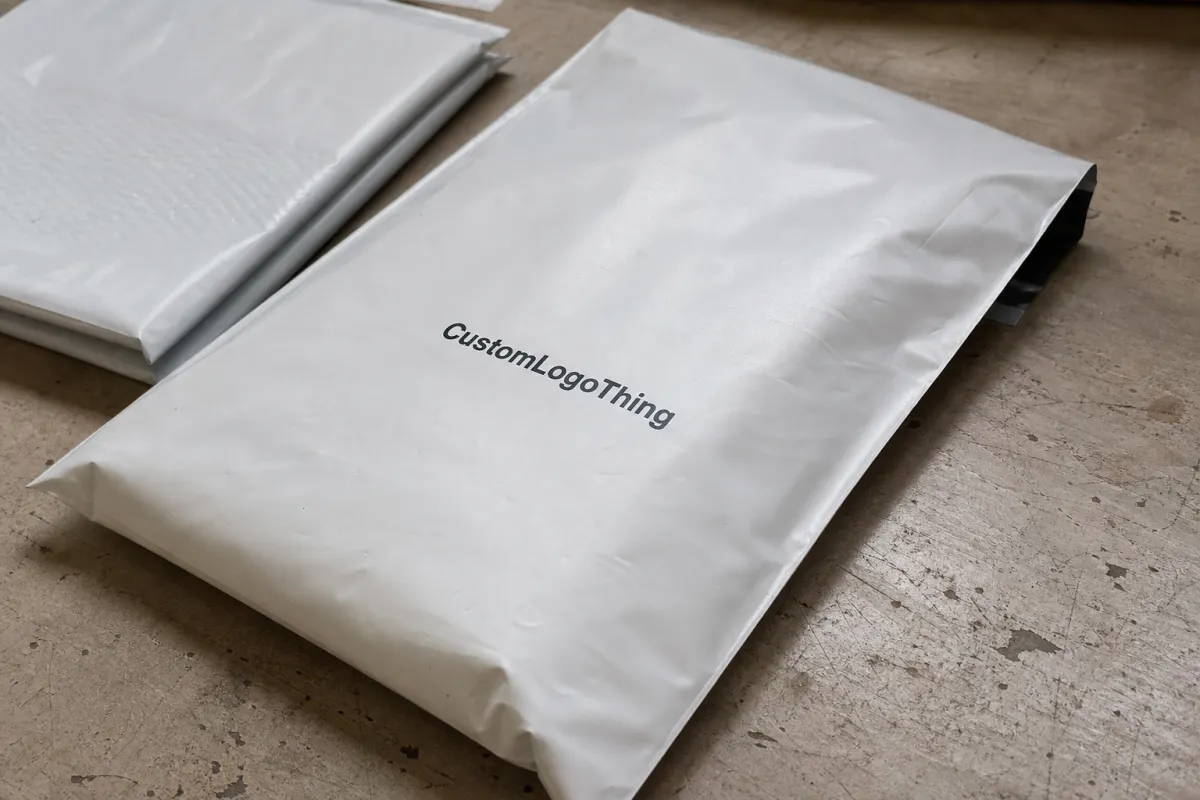
Start with the job the bag has to do. A waterproof apparel mailer is usually a flexible poly-based bag built to protect product during shipping, staging, storage, or handout. Common films include LDPE, co-extruded poly, recycled-content poly, and related flexible packaging materials. Closure choices vary by use: permanent adhesive strips for shipping, resealable strips for returns or staged kits, die-cut handles for handout bags, vents for air release, hang holes for retail presentation, or gussets for bulkier apparel.
If the team is still comparing formats, Custom Packaging Products is a useful place to review broader packaging options, while Custom Poly Mailers is the more direct starting point for apparel mailers. The right bag depends less on the prettiest mockup and more on the bundle inside it, the delivery path, and the way the crew will use it on site.
The print proof locks down the manufacturing details before production. It should show the flat bag layout, finished dimensions, bleed, safe zones, seam areas, flap location, adhesive strip position, front and back orientation, and barcode or QR placement. If the proof does not clearly show where the flap folds and where the seals land, ask for a corrected version. Guessing at orientation is how good artwork ends up hidden by a closure.
Color planning also belongs in the proof stage. The supplier should indicate whether the print will use CMYK, spot colors, or a combination. If the mailer film is dark, tinted, metallic, or transparent, ask whether a white ink underbase is needed. A bright logo on a white PDF can look dull or muddy once printed on colored film if opacity is not addressed.
Waterproof, in this category, does not mean the bag can sit in standing water without consequence. It usually means the film resists water penetration and the closure helps protect the contents during normal shipping, staging, and event handling. If cartons are left in a puddle outside the loading dock, the problem has moved beyond the mailer specification. For transport and packaging performance expectations, teams often look at methods and guidance from organizations such as ISTA and material references associated with packaging.org.
What event teams usually send in the bag
- Folded tees, hoodies, sweatshirts, and crewnecks
- Caps, lanyards, wristbands, credentials, and sponsor inserts
- Staff uniforms, volunteer kits, and backstage packs
- VIP bundles, press packs, and influencer mailers
- Race packets, festival merch, and pre-sorted pickup orders
How waterproof apparel mailer printing actually works
Most custom apparel mailers are printed before or during bag converting, depending on the material, order size, artwork, and equipment. In simple terms, the film is printed, folded or formed, sealed, cut, and packed into cartons. Each step has tolerances. A print that looks perfectly centered on a flat artboard may shift slightly after sealing and cutting, which is why safe zones and seam allowances are not negotiable.
Flexographic printing is common for larger runs of poly mailers. It uses plates, inks, and a press setup that make sense when the order volume can absorb the setup cost. Unit pricing often improves as quantity increases, but plates, ink changes, and setup time can make short runs less attractive.
Digital printing is useful for smaller quantities, fast-turn projects, variable artwork, or event tests where the team does not want to commit to plates. The unit cost is usually higher, and there may be limits on color matching, film choices, or ink coverage, but the flexibility can be worth it. Offset printing is more common in paperboard and carton work than in flexible poly mailers, although it still belongs in the broader packaging conversation.
Film thickness affects both feel and performance. Apparel mailers often sit somewhere around the 2 to 3 mil range, though exact specs vary by product, supplier, and use case. Thicker film can improve puncture resistance and make a bag feel more substantial, but it costs more and may change how efficiently product packs into cartons. A lightweight tee mailer does not need the same film as a bulky hoodie kit with inserts.
Surface finish changes the result as well. Gloss film tends to make colors look brighter, while matte film can feel more premium but may soften contrast. Recycled-content films can be a good fit for sustainability goals, although buyers should confirm how recycled content affects appearance, strength, and print consistency. Plain claims are better than vague ones. Ask what percentage is recycled content, whether it is post-consumer or post-industrial when that distinction matters, and whether the material is compatible with the intended recycling stream.
Key proof details event merch teams should check first
Bag size comes first. A mailer that fits one folded tee may be useless for a heavyweight hoodie or a boxed cap. Check the flat dimensions, usable interior space, gusset needs, seal depth, and the way the merch will actually be packed. Buyers often get tripped up by outside measurements. The outside size is not the same as usable space once seams, seals, flaps, and product thickness are involved.
Next, compare artwork orientation against the real packing flow. If the flap sits on the wrong side, the logo can face backward on tables, inside bins, or at the handout counter. That error usually happens when the proof is approved by someone reviewing a flat PDF, not by someone who understands how the product will be inserted and handed over. The proof has to match the human motion, not only the graphic file.
Safe zones matter more than most people expect. Artwork placed too close to seams, folds, punch holes, vents, or adhesive strips can warp, disappear, or get clipped during print finishing. Ask the supplier to mark non-print areas and tolerance zones on the proof. If they cannot point to the seal line, flap fold, and cut edge, the proof is not ready for approval.
Color control deserves a careful read. Pantone targets, film color, opacity, ink coverage, and print method all influence the final result. A sponsor logo built from CMYK may be acceptable on a white mailer but noticeably off on a tinted or dark film. For brand-sensitive marks, ask whether the proof is for placement only or whether it also represents color expectations. Many PDF proofs are not reliable for color because monitors, file settings, and viewing conditions vary.
QR codes and barcodes need practical testing, not just a visual check. Confirm that each code scans at actual size, with proper quiet zones, enough contrast, and no wrinkles, seals, folds, or flap edges running through it. A code can look sharp on the proof and still fail on a fulfillment table if it sits where the bag curves around a hoodie. That is a boring issue until a check-in line stalls.
Compliance details also belong on the proof. Depending on the product, region, and channel, that may include suffocation warnings, resin identification codes, recycling marks, country-of-origin language, retailer routing labels, or internal SKU information. If sponsor logos are involved, the approved marks should be clearly distinguished from placeholders. Do not let an old sponsor lockup sneak into production because someone assumed the art file was final.
| Proof or print path | Best for | Typical strengths | Tradeoffs |
|---|---|---|---|
| Digital proof | Most standard mailer orders | Fast, low cost, useful for layout, text, size, and orientation checks | Color, texture, opacity, and finish are only approximations |
| Pre-production photo proof | Brand-sensitive launches and sponsor-heavy graphics | Shows actual print placement and a closer view of production appearance | Adds time and may add setup cost |
| Physical sample proof | New bag sizes, unusual film colors, premium presentation, or large orders | Best for fit, feel, pack testing, and handout presentation | Slower and more expensive than PDF approval |
| Flexographic production proof | High-volume event mailers | Good unit economics at scale and repeatable production once dialed in | Plate costs, setup fees, and revision limits matter on smaller runs |
Cost, MOQ, and pricing variables that change the quote
Pricing for waterproof apparel mailers is shaped by quantity, bag size, film thickness, print method, number of colors, print coverage, recycled content, closure type, freight, and proofing requirements. Packaging quotes can look simple until one specification changes and the pricing moves with it.
For small digital runs, the unit cost is usually higher, but the team may avoid plate fees and keep more flexibility for late artwork changes. Larger flexographic runs usually bring the unit cost down, provided the MOQ and setup costs fit the event quantity. A simple one-color custom poly mailer may start in the low thousands, while custom sizing, specialty film, heavy ink coverage, multi-color printing, or recycled-content material can push minimums higher. Exact numbers depend on the supplier, film market, artwork, and timeline.
The practical tradeoffs are straightforward. Thicker film improves durability but raises cost. Matte or specialty finishes can make the package feel more polished, but they can also add production cost or lengthen lead time. A larger bag protects bulky merch better, but an oversized mailer around a single tee looks sloppy and wastes film, carton space, and freight. The correct size is the one that fits the folded bundle with enough room to pack efficiently, not the biggest size that feels safer on a spec sheet.
Proofing cost deserves attention even when it is bundled into the quote. Digital proofs are often included or inexpensive. Physical samples and pre-production proofs may add cost and days, but they can be worthwhile when the order is large, the event date is immovable, or sponsor branding is strict. Spending a little extra before production is usually easier than funding a rush reprint after freight is already booked.
Ask for price breaks at two or three quantities and one alternate specification. A comparison such as 2.5 mil versus 3 mil, standard poly versus recycled-content poly, or one-color versus two-color printing gives the team a real decision. One isolated quote rarely tells the whole story.
- Small run: higher unit cost, better flexibility, useful for limited events or late-changing artwork
- Mid-volume: often the best balance of setup cost, unit pricing, and manageable inventory
- Large run: strongest unit economics, but least forgiving if the proof is wrong
Process and timeline from artwork upload to approved mailers
The clean process is simple on paper: confirm the use case, choose the bag size and material, send artwork, review the proof, request changes if needed, approve the final version, then move into production, inspection, packing, and shipping. Real projects get messier because someone discovers a missing vector logo, a retired sponsor mark, or a vague color note after the file is already moving.
Timeline depends on print method, quantity, material availability, press schedule, finishing, and freight. A digital proof can often move quickly if the artwork is clean and the specification is settled. Revisions, missing files, unclear color references, or approval by committee can add days. Production may be fast or slow depending on capacity and the complexity of the run. Rush orders are possible in some cases, but rush plus unclear artwork is a reliable way to create mistakes.
Build backward from the event date. Include proofing, production, freight, receiving, kitting, venue delivery windows, and buffer days for carrier delays or weather. That buffer is not a luxury when cartons need to land before a load-in window that will not move. The safest team assumes a truck can be late and plans accordingly.
One person should own proof approval. Not five people across four email threads with comments like “looks good except maybe bigger.” The print supplier needs one final approval, with specific requested changes if changes are needed. A single accountable reviewer reduces contradictory notes and helps keep the deadline intact.
Before asking for a proof, gather the files and facts the supplier needs:
- Final vector logo files, preferably AI, EPS, or production-ready PDF
- Pantone targets or approved brand color values
- Finished bag size, film thickness, and material preference
- Order quantity and any requested quantity breaks
- Ship-to address, in-hands date, and event date
- Actual packing method: folded, rolled, boxed, or kitted
- Barcode, QR, SKU, or routing label artwork
- Required warnings, recycling marks, or compliance text
If recycled-content material is under consideration, ask how it affects thickness, print clarity, color consistency, and availability. If sustainability claims matter to the brand or sponsor, request plain documentation rather than marketing shorthand. For paper-based secondary packaging, FSC references can help clarify chain-of-custody expectations, which is why some teams check fsc.org before approving mixed packaging systems.
A solid approval process usually includes a signoff checklist with initials or timestamps for artwork, size, color, compliance, operations, and deadline review. It is not glamorous, but it creates a record of who checked what before production began.
Common proof mistakes that wreck apparel mailer runs
The first mistake is approving the proof at screen size instead of checking measurements. A logo that looks centered on a laptop can land too low once a hoodie is folded into the bag. Screens lie. Dimensions do not.
The second mistake is ignoring closure direction. If the crew packs from the opposite side, the front-facing design can end up upside down, covered by the flap, or facing the table instead of the guest. That kind of error feels minor during review and very large after thousands of bags are packed.
Low-resolution art causes plenty of grief. Printers can solve some file issues, but they cannot turn a fuzzy screenshot into a sharp brand mark. If the supplier asks for vector files, send vector files. That request exists because flexible film printing exposes weak artwork quickly.
Another common problem is forgetting how film color changes ink color. White, clear, black, metallic, and tinted films all affect the final appearance. A logo that looks balanced on a white PDF may go flat on a dark film unless the ink build and white underbase are planned correctly.
QR codes and barcodes fail when they sit on curved, wrinkled, or sealed areas. If the code has to scan during check-in, pickup, returns, or fulfillment, place it on the flattest part of the bag and test it at actual size. Do not assume a readable proof equals a readable production run.
Teams also skip fit testing. Folded shirts, hoodies, hats, inserts, and sponsor cards stack in ways a spec sheet cannot fully predict. Put the real bundle into a sample bag if there is any doubt. That small test often reveals whether the size is right, whether air needs to escape, and whether the seal closes cleanly.
Sponsor approval is another trap. Event merch often carries multiple partner marks, and one stale logo can force a reprint, a sticker cover-up, or an uncomfortable conversation. Finally, check carton labels and packing instructions. Even perfect mailers create problems if the boxes arrive unlabeled and the crew has 40 minutes to sort a loading dock.
“If a proof needs three guesses to explain the orientation, it is not ready.”
Next steps before you approve the final proof
Make the final approval process blunt and simple. A one-page checklist with columns for specification, proof location, reviewer, approved or change needed, and notes is enough. The goal is not paperwork for its own sake; the goal is to remove ambiguity before the job reaches production.
Measure the actual apparel bundle and compare it to the finished usable mailer size, not only the flat outside dimension. Confirm whether the product will be inserted folded, rolled, boxed, polybagged first, or pre-kitted with extras. That one detail often decides whether the finished package feels clean or cramped.
Print the proof at actual size if possible. Tape it to a sample bag, fold it around the product, or make a quick paper mockup to check logo scale, QR placement, closure direction, and handout presentation. A physical mockup exposes obvious problems faster than another round of staring at a PDF.
Run a scan test for every barcode and QR code using the phones or scanners that will be used on site or in fulfillment. Ask the supplier to confirm production limits in writing: maximum ink coverage, safe zones, seam tolerance, color expectations, film thickness, closure type, and whether the proof reflects front and back correctly.
For a small team, one person may handle artwork, operations, and deadline decisions. That is fine, as long as each role gets a real check. Save the approved proof, the final specification, and the checklist with the order records. Reuse them for reorders, but do not approve automatically if the bag size, artwork, film color, sponsor set, or fulfillment method changes. Most packaging mistakes are not mysterious. They are details that were visible before production and never got checked.
What should be on an event merch waterproof apparel mailers proof checklist?
Include bag size, usable interior space, film thickness, print colors, logo placement, safe zones, flap direction, adhesive strip position, QR and barcode scan tests, compliance warnings, carton labels, and final quantity. Also check how the mailer will be packed, displayed, handed out, or shipped because the proof has to match real event handling.
How long does print proof approval take for custom waterproof apparel mailers?
A clean digital proof can move quickly when artwork and specifications are complete. Revisions, missing vector files, unclear colors, sponsor approval, or multiple reviewers can add days. For event deadlines, build in time for proofing, production, freight, receiving, and kitting rather than assuming the schedule can absorb every delay.
Do event merch teams need a physical sample before approving apparel mailers?
Not always. A digital proof may be enough for simple one-color artwork on a standard mailer. Use a physical sample or pre-production proof when the order is large, the event is high-profile, the bag size is new, the film color is unusual, or sponsor branding must be exact.
What affects the cost of waterproof apparel mailers with custom printing?
Main cost drivers include quantity, bag size, film thickness, print method, number of ink colors, print coverage, recycled content, closure type, setup fees, proofing requirements, and freight. Ask for quantity breaks and alternate specs so the team can compare real unit costs before approving a purchase.
Can QR codes and barcodes print reliably on waterproof apparel mailers?
Yes, if they are sized correctly, printed with enough contrast, placed away from seams and wrinkles, and tested at actual size before approval. Avoid placing codes near the flap, seal areas, heavy folds, or high-distortion zones where scanning may fail during check-in or fulfillment.