The fitness Heavyweight Winter Hats material guide starts with a practical point that gets missed in a lot of buying conversations: warmth does not come from bulk alone. A beanie that feels dense in the hand can still underperform if the knit is open, the yarn is poor quality, or the fabric traps moisture in the wrong way. For teams, coaches, athletic brands, and outdoor staff, the hat has to do three jobs at once: hold heat, stay comfortable in wind, and carry a logo without looking stiff or awkward.
Heavyweight Winter Hats are usually dense knit beanies designed for cold conditions, with enough structure to cover the ears, keep their shape, and survive repeated wear. The right spec is not just about insulation. It is about stretch recovery, skin comfort, breathability, and how the hat behaves after it has been packed in a box, pulled on and off for weeks, and washed more than once. Fiber choice, stitch density, lining, and finishing all shape that result.
A winter hat should feel substantial, not overbuilt. If it is warm but becomes sweaty and unpleasant after ten minutes of movement, most wearers stop reaching for it.
That matters in fitness settings because these hats are often worn before and after activity, not just during a static commute. People pull them on walking into a gym, between outdoor drills, on the sideline, or during early morning training. A hat that stays in place and feels easy to wear usually outperforms one that simply looks thick on the table.
Below, I will break down the knit structure, the material choices that change performance, the cost drivers behind custom orders, and the tradeoffs between warmth, breathability, and branding. For buyers, the fitness Heavyweight Winter Hats Material guide is less a fabric overview than a spec-checking tool.
Fitness Heavyweight Winter Hats Material Guide Basics
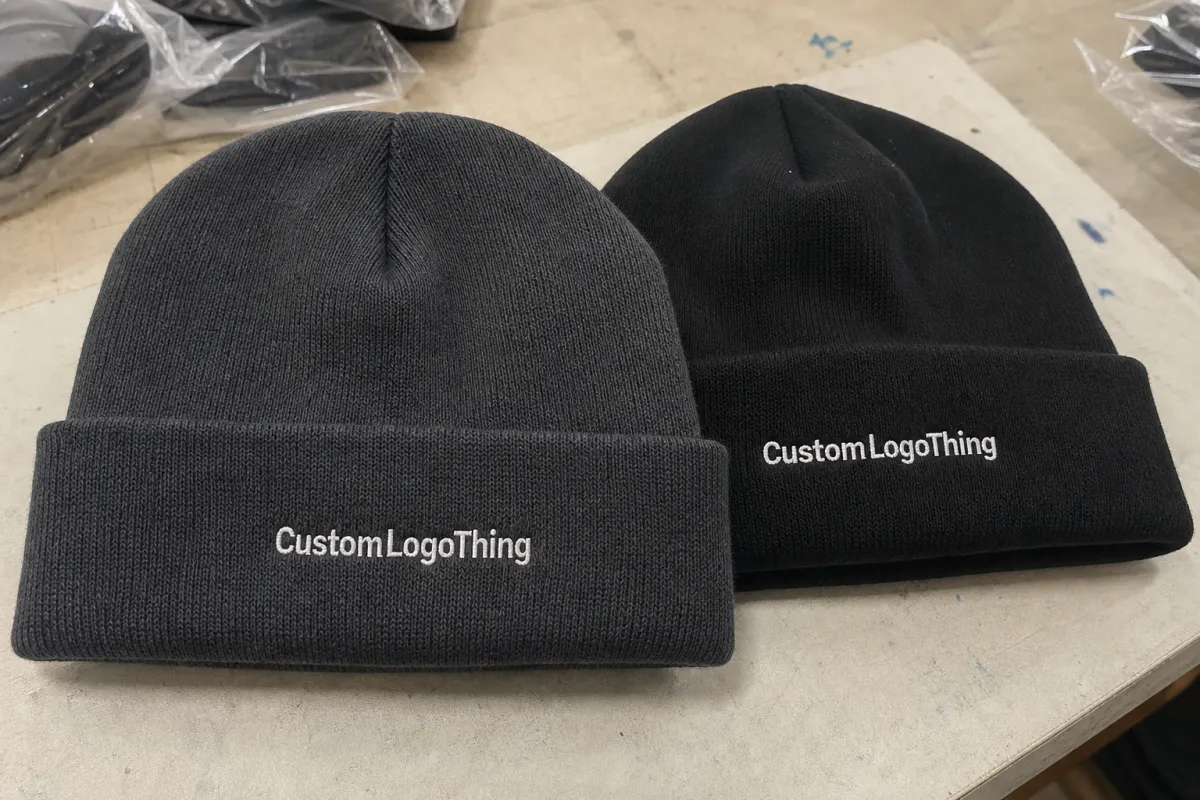
“Heavyweight” does not automatically mean warmer. A tightly knit rib structure often traps air more effectively than a looser, thicker-looking fabric. Those small pockets of still air do most of the insulating work. That is why a beanie can feel solid without feeling rigid, and why a softer-looking hat is not always the better winter performer.
Most heavyweight beanies use a full rib knit, a thicker yarn, or a double-layer cuff that increases coverage around the ears and forehead. For fitness use, that coverage matters because wind strips comfort fast, especially after sweat starts to cool on the skin. A hat that stays put and keeps its shape is usually more useful than one that merely looks substantial.
Comfort is the part buyers often underestimate. If the knit is too open, cold air slips through. If it is too tight or coarse, wearers notice pressure points and itch. The best balance is a beanie that hugs the head cleanly, stretches without distortion, and recovers after being pulled on and off several times a day.
Moisture behavior matters too. After exercise, a winter hat should not trap dampness so aggressively that it stays clammy for hours. In real use, that lingering moisture is what makes a beanie feel cold later. For active wear, the best spec is usually one that holds warmth while allowing heat to escape at a controlled pace.
That is the core of the buying decision: not maximum thickness, but the right combination of density, resilience, and wearing comfort.
How Heavyweight Knit Construction Traps Warmth
The knit structure often matters more than raw weight on paper. Rib knit fabrics stretch well and sit close to the head, which helps seal in warmth without making the wearer feel squeezed. Tighter stitch formations reduce open space, limit wind penetration, and improve the hat's ability to hold its shape through repeated use.
Double-layer cuffs add insulation where people feel cold first. They also give the hat more visual presence, which helps branding because the logo sits on a more stable surface. A cuff should still stretch cleanly. If it pulls too hard on the forehead, that discomfort shows up fast, even in a short wear test.
Interior texture changes the wearing experience a great deal. A smooth inner face usually feels less scratchy and works better for longer wear, especially on sensitive skin. A brushed or fleece-backed interior adds wind resistance and a softer touch, but it also increases bulk and can reduce packability. That tradeoff is not a flaw; it is a choice.
Breathability deserves more attention than it gets. A winter hat for athletes should retain heat, but it should not lock in sweat so tightly that the interior stays damp. If the hat will be worn after training, not just for display, the knit needs enough airflow to avoid that wet, cold feeling once the body cools down.
Material Choices That Change Warmth, Stretch, and Wear
Acrylic remains the default for many custom beanies because it offers dependable stretch, good warmth, and consistent color across large runs. It also keeps pricing more accessible, which matters when a buyer needs hundreds or thousands of units. For bulk logo hats, acrylic blends are often the easiest place to start.
Wool changes the feel quickly. Even a modest wool content improves warmth and adds a more premium handfeel. Merino pushes that further with softness and better next-to-skin comfort, which is why it appears in higher-end apparel programs. The downside is cost, plus more care sensitivity if the buyer wants easy laundering and lower shrink risk.
Polyester and recycled polyester bring durability, predictable recovery, and a more technical feel. They are useful when the hat needs to hold shape after repeated wear, shipping, and storage. Recycled yarns can also support a brand's material story, though the overall order still needs to be checked for claims, labeling, and traceable documentation.
Fleece lining is the biggest comfort upgrade in this category. It increases warmth and improves wind resistance, but it also adds bulk. That extra bulk can reduce decoration space, make the hat warmer than expected during active use, and affect how neatly the product packs. A lined hat is not better by default; it is better for colder or more exposed conditions.
| Material | Warmth | Stretch and Recovery | Typical Bulk Price Impact | Best Use |
|---|---|---|---|---|
| Acrylic | Good | Very good | About $1.20-$2.50 per piece | Bulk team beanies, promo runs |
| Acrylic/wool blend | Very good | Good | About $2.20-$4.00 per piece | Cold-weather staff gear, retail basics |
| Merino blend | Excellent | Good | About $3.50-$7.50 per piece | Premium winter apparel |
| Polyester or recycled polyester | Good | Very good | About $1.50-$3.50 per piece | Durable, easy-care programs |
| Fleece-lined build | Excellent | Depends on base knit | About $2.80-$5.50 per piece | Harsh weather, outdoor crews |
Those ranges are directional, not fixed. Order size, yarn availability, decoration method, and packaging can move them quickly. A 10,000-piece acrylic run with a simple woven label usually prices very differently from a 500-piece merino blend with embroidery, a custom wash label, and branded tissue.
For buyers comparing options, warmth alone is not enough. Ask how the hat feels after sweat dries. Ask whether the stretch recovers by the next wear. Ask how fast it pills after a few wash cycles. Those details tell you whether the spec is really fit for purpose. A winter hat that looks great on day one but collapses after a month is a poor purchase.
Packaging can matter here too. If hats ship in corrugated cardboard cartons with kraft paper dividers, ask whether the board is FSC certified and whether the supplier can use paper-based fills instead of plastic pouches. For brands trying to tighten their materials story, that level of detail supports the overall order. The FSC overview at fsc.org is useful if you need a basic reference point for certified sourcing.
Cost and Pricing Drivers for Custom Bulk Beanies
Custom beanie pricing is driven by more than fiber content. Yarn quality, knit density, lining, embroidery or patch decoration, custom labels, hang tags, and final packing all change the labor or material load. Two hats with the same outer appearance can still land in very different price brackets once the build details are fully exposed.
For bulk orders, the cost usually moves in steps. A simple unlined acrylic beanie with a woven label can sit in the lower price band, while a fleece-lined or wool-blend build moves higher. Add a dense embroidered logo, and the price can rise again because stitch count affects both machine time and how the knit behaves under the decoration.
MOQ is a real planning constraint. A factory may accept a smaller minimum for a standard acrylic hat, but require a larger run for a custom blend, special dye, or new color match. That changes more than the per-piece cost. It affects how many colors, trims, or logo versions can be used without making the order unnecessarily expensive.
Ask for both unit cost and landed cost. Unit cost gives the factory-side price. Landed cost includes freight, packaging assumptions, taxes, and any other charges that appear before the hats are usable in your own warehouse. Without that second number, the lowest quote can be misleading.
Sample charges also deserve a line item. A custom knit sample often runs from roughly $30 to $120 depending on complexity, and some suppliers credit that cost back if the bulk order is placed. Changes to yarn, lining, or decoration may trigger a second sample, which adds both time and money.
For transit packaging, a supplier that packs hats neatly into kraft paper wraps inside corrugated cardboard cartons can reduce damage and simplify receiving. If you need a practical shipping benchmark, ISTA guidance at ista.org is a useful public reference for compression, vibration, and carton integrity, even if your order is not being lab-tested end to end.
Process and Timeline: From Sample Approval to Delivery
The usual sequence starts with a spec review, then material selection, then sample development. After that comes buyer feedback, final approval, bulk knitting, finishing, inspection, packing, and shipment. The sample stage usually decides whether the schedule stays comfortable or starts slipping. A buyer who answers quickly can save days; a buyer who keeps revising cuff height, lining, or logo placement can add weeks.
For standard builds, a realistic timeline often looks like this: spec alignment in a few days, sample knitting in 7 to 14 days, revisions in another 3 to 7 days if needed, bulk production in about 20 to 35 days after approval, and freight on top of that. Peak season can stretch every one of those numbers. Winter orders compete for machine time, finishing capacity, and shipping space.
If the project needs custom yarns, special labels, or premium packaging, build in extra lead time. Those changes affect the production path and often need sign-off before bulk work begins. A beanie with a patch, a woven label, and a custom wash label may sound simple, but it can alter the sewing sequence and final inspection points.
One habit saves trouble: do not change fiber blend, lining, or decoration after sampling unless the change is truly necessary. Each revision can trigger another round of approvals and sometimes another sample. That is especially true when the logo uses dense embroidery, because stitch count can change how the front panel stretches and where the hat sits on the head.
Quality control should be built into the schedule, not treated as an afterthought. Check finished dimensions against a tolerance target, usually with a tighter tolerance for the cuff and opening than for the body height. Ask for stretch recovery testing, seam inspection, color consistency checks, and a quick pilling assessment. A knit beanie is forgiving in some ways, but poor recovery or a crooked seam shows up fast in wear.
Common Material Mistakes That Hurt Fit and Comfort
Buying by weight alone is one of the easiest mistakes to make. A heavy beanie can still perform badly if the knit is loose or the yarn blend does not hold heat well. On the other side, a lighter hat with a dense structure can outperform a thicker-looking option. Handfeel in the palm is only a clue; structure does the real work.
Cotton-heavy builds often cause trouble in cold conditions. Cotton feels familiar and soft, but it holds moisture and loses comfort when the air turns wet or windy. For active wear, that is a weak trade. If the hat will be worn around a gym, on a job site, or outdoors after training, a high cotton content usually needs a very specific use case to make sense.
Overlining is another common issue. A fleece lining can be excellent for exposed winter conditions, but too much lining makes the hat hot, tight, or slow to dry. That becomes obvious once the wearer moves from activity into still air. The interior should not turn into a damp heat trap.
Seam comfort gets missed more often than it should. A hat can look clean and still feel annoying if the join is stiff or the stitching lands in the wrong place. Test stretch recovery, wear it after a short sweat session, and pay attention to the forehead and ear points. That practical check tells you more than a polished spec sheet.
Another issue is decoration crowding. If the front panel has a large patch, heavy embroidery, and a thick lining all in the same area, the hat can lose flexibility right where the head needs comfort most. For knitwear, decoration should support the structure, not fight it.
Expert Tips for Better Warmth, Breathability, and Branding
Ask for yarn swatches and a sewn sample before you commit to the full order. Swatches show how the fiber feels in hand, how much it stretches, and whether the color reads the way you expect under indoor and outdoor light. A physical sample also makes it easier to judge whether the beanie feels dense, soft, or too rigid.
Check colorfastness and wash behavior early. Team apparel and staff gear need to look consistent, and nobody wants a logo hat that fades unevenly after a few washes. The more repeatable the material and finishing process, the less likely you are to get surprises later. That matters especially for large bulk orders, where small variations become visible across a whole shipment.
Decoration planning should happen sooner than many buyers expect. Patch size, embroidery density, and label placement all affect how the knit stretches and wears. If the decoration area is too crowded, the fabric can lose comfort across the front panel. The best logo placement is the one that supports the brand without overriding the knit.
Ask about the supplier's inspection routine. A good check list usually includes yarn consistency, knit density, seam finish, stretch recovery, and final size measurements. For winter hats, a supplier should also verify that the cuff folds evenly and that the opening does not distort after packing. These are small details until they turn into a return rate.
Packaging presentation deserves a place in the spec too. If the hats are going into retail or team distribution, ask whether the supplier can use kraft paper wraps, recyclable inserts, or other packaging that is actually supported by the material structure. Not every green claim holds up on the factory floor, so documentation matters more than a slogan. For broader packaging and recycled-material context, the EPA site at epa.gov is a useful public reference for waste and materials guidance.
The best winter beanie is the one people keep wearing. That means warmth, breathability, recovery, and appearance all need to stay in balance. If one part of the spec overwhelms the others, the hat may impress in sampling and disappoint in real use.
Next Steps: Turn the Spec Into a Reliable Order
Start with a one-page spec sheet. List the fiber blend, lining type, cuff style, decoration method, target quantity, preferred colors, packaging, and delivery window. That simple document keeps everyone aligned and makes the quote easier to read. It also reduces the chance that a supplier prices the wrong version of the hat.
Use the same spec across multiple suppliers so the quotes can be compared fairly. If one source includes sample charges, another ignores freight, and a third assumes different packaging, the numbers will not be useful. You want the same assumptions across the board, including MOQ, decoration, carton style, and delivery terms.
Approve a physical sample before placing the full run. Touch, stretch, and warmth are much easier to judge in hand than on a screen, and that matters even more for a cold-weather item. If the sample feels right, keep it as the reference point for future runs. That becomes your control sample for fit, feel, and decoration placement.
Used that way, the fitness Heavyweight Winter Hats material guide becomes a practical buying tool. It helps you choose the right yarn, the right lining, the right pack-out, and the right production path for a dependable bulk order.
What material blend works best for fitness heavyweight winter hats?
Acrylic blends are a strong default because they balance warmth, stretch, and price while keeping colors consistent across large runs. Add wool or merino when the buyer wants a softer, warmer, more premium feel and can accept a higher unit cost. Use polyester or recycled polyester when durability, easy care, and budget control matter more than a luxury handfeel.
How heavy should a heavyweight winter beanie actually feel?
It should feel dense and insulating, not stiff or cardboard-like, because the goal is warmth with enough flexibility for daily wear. The cuff should stretch smoothly and recover well, so the hat stays comfortable without creating pressure on the forehead. If the beanie will be worn after workouts, avoid an overbuilt lining that traps too much heat and moisture.
Is fleece lining worth it for athletic winter hats?
Yes, when the buyer needs extra wind resistance, a softer interior, and noticeably better warmth in harsh conditions. No, when the hat is meant for lighter promo use, tighter budgets, or situations where packability matters more than insulation. Ask for both lined and unlined samples if possible, because the difference in bulk and comfort is easier to judge by touch.
How long does custom heavyweight winter beanie production usually take?
Sampling and approval usually take the longest, especially when the material, fit, or decoration still needs adjustment. Bulk knitting, finishing, and packing move faster once the spec is locked, but peak-season demand can stretch the schedule. Build in extra time for freight and any revisions so the final delivery does not cut too close to the cold-weather season.
What should I ask for in a material quote for winter hats?
Ask for fiber content, lining type, decoration method, MOQ, sample charges, and expected turnaround in one clear quote. Request both unit cost and landed cost so you can compare the real total instead of only the headline price. Confirm whether the quote changes with color count, logo complexity, or special packaging before you approve the run.


