For gyms, supplement brands, run clubs, and event teams, fitness Mesh Trucker Hats moq is often the first real filter between interest and a purchase order. The product looks simple, but the buying logic is not. Buyers want airflow, a front panel that takes branding cleanly, and a quantity threshold that does not trap them in dead stock. That combination is why this category moves quickly in bulk: it is useful, visible, and easy to hand out without much friction.
Mesh truckers also sit in a useful middle ground. They are lighter than structured wool or heavy twill caps, easier to pack than molded promotional items, and less picky than fashion-driven silhouettes that depend on a very specific fit. A cap that gets worn twice a week becomes a small media channel. A cap that never leaves the box is just a sunk cost. The practical buyer is not chasing the lowest sticker price; they are balancing MOQ, decoration quality, freight, and reorderability without losing the clean look that made the style attractive in the first place.
One reason the category keeps showing up in promotional and retail conversations is that the math works for both. A small order can test a design without overcommitting. A larger order can spread setup costs across enough units to make the piece viable for events, staff uniforms, and retail counters. That flexibility is rare in apparel accessories, and it changes how buyers evaluate the run.
Why fitness mesh trucker hats move fast in bulk
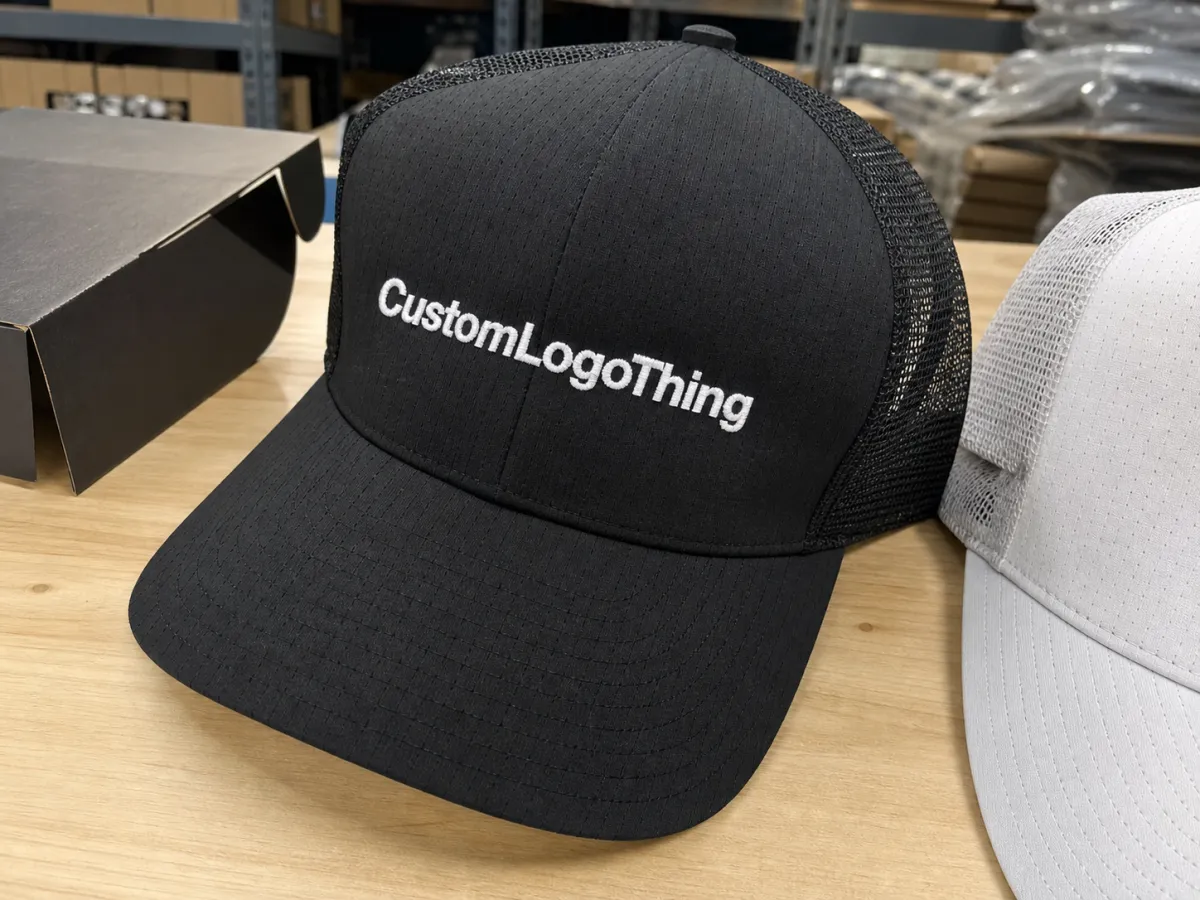
Most caps are judged in seconds. Can you read the logo from a few steps away? Does the crown sit well on different head shapes? Does the cap feel like something people would actually keep after the event? With fitness Mesh Trucker Hats moq, those questions are tied directly to buying behavior, because the easier a hat is to wear, the easier it is to distribute.
The surprising part is that the mesh trucker is not only a style choice. It is a logistics choice. The mesh back improves airflow during outdoor training and summer events. The front panel gives a stable decoration zone. The adjustable closure reduces size anxiety. For a buyer managing a giveaway, those three things matter more than a trend cycle.
Compared with heavier headwear, truckers usually create fewer returns and fewer complaints about heat buildup. That matters for field teams, weekend races, and trade show staff who wear the cap for hours at a time. A softer cap might feel fashionable, but a breathable cap tends to get worn more often. Frequency of wear is the real marketing value here.
Buyers usually end up choosing the style for four practical reasons:
- Visibility: the front panel works like a small billboard.
- Comfort: mesh backs help in training, outdoor staffing, and warm-weather use.
- Distribution: one-size adjustable closures simplify bulk handout and fulfillment.
- Value: the cap feels more substantial than a throwaway promo item while staying economical at scale.
There is another reason this category survives budget scrutiny: it tolerates variation better than many accessories. A run club order, a supplement launch, and a retail test can all use the same silhouette with different logo treatments. That makes the MOQ conversation less about "How low can we go?" and more about "Can this specification be repeated later without quality drift?"
"A hat that does its job does not need to shout. It needs a stable front, clean stitching, and a logo that reads in daylight."
That sentence sounds simple, but it points to the real buyer tension. The best bulk order is not the flashiest one. It is the one that stays consistent across cartons, across reorders, and across the first month of real use.
Panel build, mesh density, and closure options
The structure of the cap changes both the look and the economics. A structured six-panel front gives the logo a firmer base and usually handles embroidery better. A softer or less structured crown can feel more casual, but it may not hold a crisp patch as well. If the art is bold and simple, either build can work. If the logo contains small letters or a thin outline, the front panel needs enough support to keep the mark legible after sewing and packing.
Material choice affects the hand feel as much as the appearance. Many fitness-oriented truckers use a polyester mesh back for faster drying and better airflow. The front panel is often polyester twill, cotton twill, or a foam-front build depending on the desired look. Foam fronts give that retro promotional feel and keep the cap light. Twill fronts look more controlled and usually handle more detailed decoration without distortion.
Mesh density is another detail buyers overlook. A tighter mesh usually reads cleaner from a distance and can feel more premium. A looser mesh lets more air through and often feels better during active use. Neither is automatically superior. The correct answer depends on whether the cap is meant for a retail wall, a staff uniform, or a giveaway tied to training or endurance events.
Common construction choices include:
- Foam-front truckers: strong visual impact, lighter feel, and a vintage promo look.
- Structured twill fronts: better shape retention and cleaner embroidery results.
- Unstructured fronts: softer hand feel, but less support for detailed logos.
- Mid-profile crowns: usually the safest choice for broad audience appeal.
- Low-profile builds: more fashion-forward, but less forgiving for some artwork.
Closure choice matters more than many buyers expect. Snapbacks are the default because they are easy to size across a wide group and cheap to source at volume. Buckles can look more retail-ready and feel a little more finished. Velcro closures work for event gear, but they can read as lower value and may wear faster. Fitted or size-specific caps reduce flexibility and usually push MOQ higher because the factory has to manage more variation.
There are a few physical details that separate a polished sample from a mediocre one. Check crown symmetry. Check the visor curve. Check whether the front panel stands upright or collapses when the hat is packed. Check the sweatband too, because a cotton sweatband feels softer against the skin, while a polyester sweatband dries faster and is often easier to spec in performance-oriented runs. These are small things, but small things are exactly what buyers notice after the first use.
Before approving a sample, compare the actual color blocking to the mockup. A black front with charcoal mesh can look intentional. A close but mismatched shade can look like leftover stock from two different programs. That is not cosmetic fussiness. It is the difference between a controlled brand piece and a cap that looks improvised.
Decoration methods that hold up on activewear-style caps
Decoration is where a cap either earns its keep or gets ignored. For activewear-style headwear, the best methods are usually embroidery, woven patches, sublimated patches, heat transfers, and small printed labels. Each one solves a different problem. Embroidery gives depth and permanence. Woven patches preserve fine detail. Sublimated patches can handle color variation that direct stitching would flatten. Printed labels are useful for subtle branding on the side or back.
If the hat will be worn outdoors, sweat and sun exposure should shape the decision. Abrasion can lift weak edges. UV exposure can fade some inks. Stitching can last a long time, but only if the digitizing is clean and the artwork is realistic for the size of the cap. A logo that looks sharp at 2.5 inches wide on a screen may collapse once the thread count is limited by the curved crown and the thickness of the fabric.
That is why small text is a recurring problem. When the letters get tiny, embroidery can close in and fill the counters. A patch often solves the problem better than stitching every line into the cap. For crest-style logos, woven patches usually preserve more definition than direct embroidery. For a bold icon and a short wordmark, direct embroidery may still be the best and most economical path.
The most common mistake is asking one method to do every job. A front logo, side mark, and rear text can easily crowd the cap and reduce the visual hierarchy. One strong front application is usually enough. If a side hit adds value, keep it small and purposeful. The cap should read clearly first and decorate second.
For buyers comparing fitness Mesh Trucker Hats MOQ options, decoration changes the economics as much as the appearance. A simple embroidered logo keeps setup modest. A custom patch, especially one with a die-cut shape or multiple colors, increases perceived value but can also increase tooling and sample time. The wrong move is comparing quotes without locking the same logo size, placement, and thread count. A cheap quote built on a smaller mark is not the same product.
Typical setup and quality-control points include digitizing approval, stitch-density checks, patch border thickness, backing type, and color matching against a specified reference. Digitizing often costs less than the average mistake it prevents. If the supplier asks for a detailed vector file, that is not a delay tactic; it is usually a sign that the production team wants enough information to keep the output clean.
For broader packaging and print coordination, two standards-oriented references are useful: the ISTA testing framework for transit packaging and the FSC system for responsibly sourced paper components such as inserts and hang tags. Those references do not design the cap, but they help a buyer think clearly about the full deliverable, including how it ships and how it presents on arrival.
Pricing and MOQ for fitness mesh trucker hats
MOQ is usually driven by the blank style, the decoration method, the number of colors, and whether the order is stock-based or fully custom. A stock cap with one logo placement often starts lower than a run that changes mesh color, front fabric, visor trim, and packaging. Once custom materials enter the picture, the factory needs more sourcing, more planning, and more lead time. That is where setup charges start to matter.
There is a practical rule here: as quantity increases, unit price usually falls because setup gets spread across more pieces. Moving from 100 units to 500 units can cut the unit price by roughly a quarter, sometimes more, depending on decoration complexity and blank availability. The trade-off is inventory risk. A smaller run costs more per piece but reduces the chance of sitting on unsold stock. Neither model is wrong. The right one depends on whether the caps are for a one-day activation or a recurring program.
| Order type | Typical MOQ | Indicative cost per piece | Best fit | Main watch-out |
|---|---|---|---|---|
| Stock mesh trucker with embroidery | 50-100 units | $4.50-$8.00 | Fast promo drops, small retail tests | Color choice and trim options stay limited |
| Stock cap with woven or printed patch | 100-200 units | $5.50-$9.50 | Sharper logos, better detail retention | Patch tooling and sample approval can add time |
| Custom colorway with patch or embroidery | 300-500 units | $6.50-$13.00 | Branded retail, recurring campaigns | More setup charges and longer approval cycles |
| Retail-ready pack-out with labeled cartons | 500+ units | Add $0.15-$0.45 per unit | Distribution, ecommerce, staged fulfillment | Packaging specs must be locked early |
Use the same spec set for every quote. The same logo size. The same thread colors. The same closure. The same packaging. The same destination. Otherwise the quotes are not comparable. A low-looking quote can hide expensive freight, missing trim details, or a patch fee that appears after approval. That is a common trap in apparel sourcing because the product feels simple until all the details are added back in.
Watch for hidden costs such as digitizing, sample freight, split shipments, special labels, and rush production. Digitizing might be a modest one-time fee for a simple wordmark, but it can rise for complex artwork. Sample freight can be trivial on paper and significant once the box has to cross borders or move by air. If the supplier mentions a tooling charge, ask exactly what it covers. If they mention setup charges, ask whether those are one-time or tied to each colorway. One clarification can change the landed cost more than a small discount ever will.
For Fitness Mesh Trucker Hats moq programs, the cleanest quote is usually the one that spells out blank style, decoration method, packaging, and delivery terms in the same line. If those elements are split across messages, the buyer is usually looking at variance later. Price is only useful when it is attached to a fully defined spec.
Production process and turnaround from proof to delivery
The workflow is straightforward, but every step matters. Inquiry. Artwork review. Digital proof. Sample or pre-production approval. Bulk production. Inspection. Shipping. Buyers lose time when one of those steps becomes fuzzy, especially the proof stage. If a logo file is incomplete, the art team has to reconstruct it. If color references are vague, the sample may drift. If feedback arrives in several rounds, the schedule slips before anyone notices the ship date is already too close.
Stock-cap orders usually move faster because the blank hat already exists. Custom materials add more steps. A special mesh color, a different visor fabric, or custom trim all extend the critical path. For campaigns with hard launch dates, that difference is not theoretical. It is the difference between a planned drop and a delayed one. The longer the supply chain, the more important it becomes to freeze the spec early.
Before production starts, get these items confirmed:
- Approved artwork file with final text and placement.
- Confirmed quantity by colorway.
- Pantone or reference color callouts, if needed.
- Packaging instructions, including polybag or carton labeling.
- Delivery address and transit method.
Lead times vary, but a common range for a stock-based run is 12-18 business days after approval. Custom builds can move beyond that depending on decoration and material sourcing. Shipping time sits on top of production time. That sounds obvious, yet it is one of the most common planning mistakes. Buyers look at one number, not two.
Air freight can protect a launch date, but it changes the cost structure quickly. Ocean freight can lower the landed price, but it demands a longer planning window and more patience around port delays. For a run-club merch drop or a stadium event, air may be the sensible answer. For a broad distribution program with a fixed quarter ahead, slower transit can make more economic sense. The right answer is usually tied to when the hats need to be in hand, not just how many units are being ordered.
If the caps will travel through parcel networks, ask whether the outer cartons are packed and tested with transit in mind. A supplier that understands carton compression, pallet stacking, and moisture protection is less likely to ship crushed product. That is exactly why the ISTA framework matters to a packaging-minded buyer, even for a simple apparel accessory.
What a packaging-focused supplier should verify before bulk run approval
A packaging-focused supplier does not just take the order and hope the run stays consistent. They verify the things that make bulk production predictable: color consistency, logo placement, stitch quality, carton counts, and whether the product will arrive in the same condition it left the line. That discipline matters because hat orders are often distributed across teams, events, or stores. One sloppy carton can create a receiving problem that consumes hours.
The difference between a generic reseller and a production-minded supplier shows up in the checks. Sample sign-off catches shape issues before mass production. In-line checks catch thread tension, patch placement, and crown symmetry while the run is still fixable. Final inspection catches obvious defects, but it should not be the first time anyone looks carefully at the product. By then, the cost is already locked in.
Useful pre-run checks include seam alignment, visor curve, mesh attachment, closure tension, sweatband attachment, and color drift between panels. If the cap uses a patch, the border should sit evenly and the edge should not curl. If the cap uses embroidery, the stitch edges should remain clean at the curve of the crown. If the order includes multiple colorways, each one should be marked clearly before carton packing begins. Mixed cartons sound efficient until receiving starts and no one can tell which color was packed where.
A good bulk order is boring in the best way. The logo lands in the same place, the color stays consistent, and the cartons count out exactly as promised.
If the hats are going to multiple channels, ask about individual polybags, size stickers, carton markings, and retail-ready labeling. Those details do not sound glamorous. They save time. They also make staged fulfillment easier, which matters if one team needs 200 units next week and another team needs the rest later. A buyer who ignores pack-out details often discovers the real cost after the shipment arrives and staff have to sort manually.
A second layer of verification helps when the design is being repeated across seasons. The factory should compare the current run against the last approved sample, not just against the digital mockup. Screens lie about scale and texture. A physical reference tells the truth about panel stiffness, mesh tone, and how the cap sits when worn. That is the fastest way to keep a reorder from drifting.
This is where the right supplier adds value beyond price. Not by promising perfection. By reducing variation. A buyer who reorders the same spec should be able to expect the same front panel feel, the same closure tension, and the same logo balance. That is the real mark of a well-run fitness mesh trucker hats moq program.
How to lock specs and place the order
The easiest way to speed up quoting is to send one complete message with the essentials: quantity, blank style, closure, decoration method, target delivery date, and packaging requirements. Add your logo file, Pantone references if you have them, and whether the order is for retail, event handout, or internal use. If you already have a target landed budget, say so. That gives the supplier a better shot at recommending a spec that fits the actual job.
If the design is detailed or the launch date is fixed, ask for a sample or a digital proof before approval. That is not overcautious; it is practical. A small change in patch border width or embroidery density can alter how the logo reads on a curved crown. Catching that before bulk production is cheap. Catching it after the run is expensive.
A workable approval checklist usually looks like this:
- Confirm the exact cap style and mesh color.
- Approve the logo size, placement, and decoration method.
- Verify the MOQ by colorway, not just the total order.
- Review the quote for freight, setup charges, and any sample cost.
- Lock the delivery schedule before production begins.
It also helps to define what success looks like for the finished product. If the cap is meant for a sweaty gym floor, prioritize breathability and easy wear. If it is meant for retail, put more weight on finish quality, crown shape, and color control. If it is going into a fulfillment program, pack-out and labeling may matter more than a more expensive decoration method. Those priorities sound obvious once written down, but many quote requests skip them and then wonder why the responses are inconsistent.
For buyers managing a repeat order, keep the approved sample, spec sheet, and carton label file together. The most efficient reorders happen when the next buyer does not have to reconstruct the first one from memory. A clean record shortens the approval cycle and reduces the chance of spec drift between seasons.
For a broader ordering checklist, the FAQ below covers the questions buyers tend to ask before approval. That is useful when the order includes multiple colorways, packaging changes, or a tight delivery window. The main point is simple: choose the blank that fits the use case, choose the decoration that protects the logo, and choose the supplier who can explain the price without hiding the math. That is how fitness mesh trucker hats moq becomes a controlled purchase instead of a gamble.
What is the typical MOQ for fitness mesh trucker hats?
MOQ usually depends on the blank style and decoration method. Stock hats often start lower than fully custom builds, while patch and embroidery orders may have different minimums because setup time and material sourcing change the economics. Ask for MOQ by color and by logo version if you need multiple variants in one program.
Which decoration method is best for fitness mesh trucker hats used outdoors?
Embroidery and durable patches usually perform well because they resist abrasion and repeated wear. For fine-detail logos, a woven or printed patch can preserve sharp lines better than small-stitch embroidery. If sweat and sun exposure are heavy, prioritize methods with secure edges and fade resistance.
How long does production usually take after approval?
Stock-based orders can move faster, while custom materials or special decoration add extra days. Timeline starts after artwork, quantities, and specs are approved, not when the first inquiry arrives. Shipping method also affects delivery, so ask for both production time and transit time in the quote.
Can I order multiple colors under one MOQ?
Sometimes, but the answer depends on whether the factory counts MOQ by total units or by each colorway. Multiple colors can raise cost if separate setup, trimming, or packaging is required. Request a breakdown before confirming so you know whether mixed colors are efficient or overpriced.
What should I include in a quote request for fitness mesh trucker hats?
Include quantity, color choices, logo file, decoration method, target delivery date, and any packaging requirements. If you have a target budget, share it early so the supplier can recommend the right blank and decoration mix. Clear specs lead to cleaner pricing and fewer revision rounds.

