Why a Reorder Beats a Fresh Custom Run
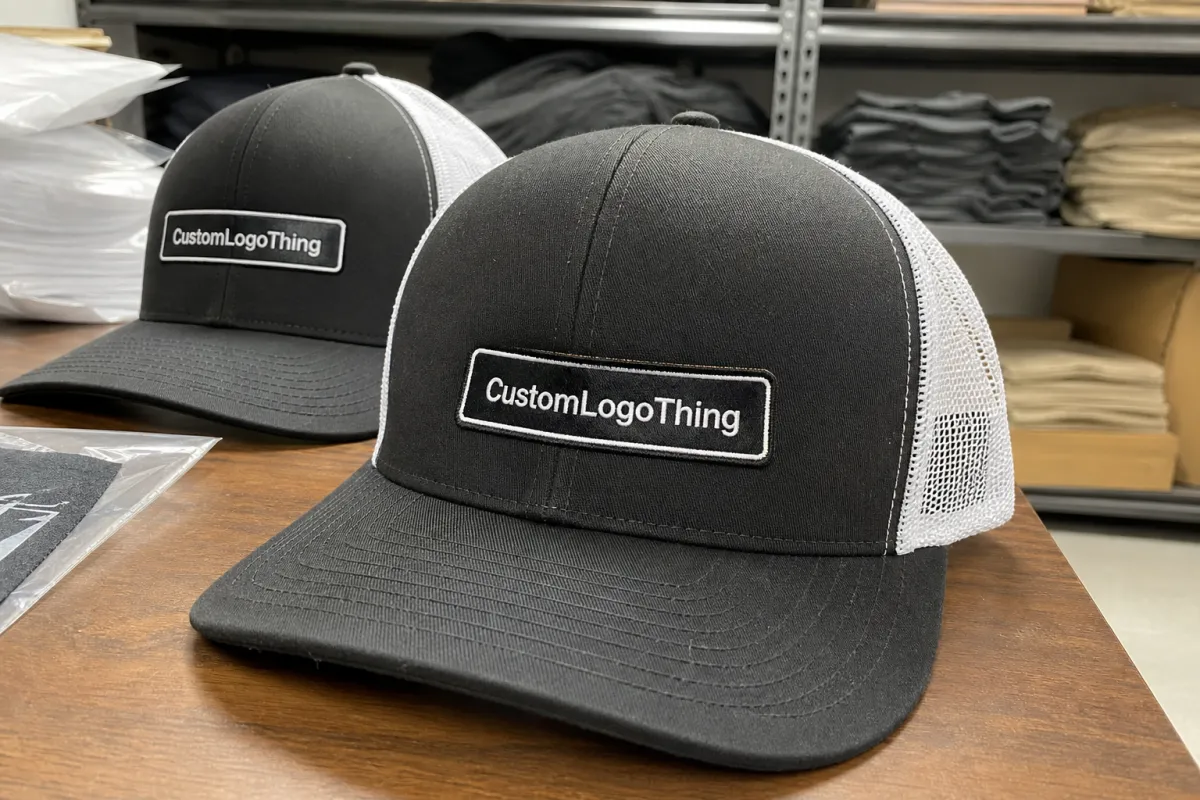
A strong fitness Mesh Trucker Hats reorder plan protects the things buyers actually get judged on: fit, logo placement, color consistency, and whether the next carton looks like the last one. A cap that was approved six months ago can still drift if the crown height changes, the mesh gets denser, or the closure feels tighter. Those changes sound small on paper. On a rack or at a gym counter, they are not small at all.
A reorder starts from a known result. The style code exists, the art was already approved, and the supply chain does not need to rebuild the product from zero. That usually means fewer sample rounds, fewer proof corrections, and less chance of someone reinterpreting the original spec. For buyers managing promotions, restocks, team programs, or retail replenishment, that stability is the real advantage.
There is also a practical scheduling benefit. Repeat orders are often tied to events with no patience for delays: a seasonal launch, a training challenge, a franchise rollout, or a restock that has to land before the shelf goes empty. A documented reorder lowers the number of moving parts. It does not eliminate risk, but it makes the risk visible early enough to manage.
The best repeat programs treat the approved first run as the master record, not as a memory. That single habit saves time later and keeps the next shipment from turning into a fresh custom project with old artwork.
Fitness Mesh Trucker Hats Reorder Plan: What to Lock In
The most reliable way to manage a Fitness Mesh Trucker Hats reorder plan is to lock the exact spec before anyone quotes. Start with the last approved purchase order, the approved sample, or a spec sheet that lists the style code, panel count, crown height, mesh color, brim shape, closure, and decoration method. A logo file alone does not tell the factory enough. It only covers one piece of the order.
Several details deserve special attention because they are the ones most likely to drift. Panel construction changes the silhouette. A 5-panel and a 6-panel trucker can look close in photos and still wear differently. Closure tension changes how the hat sits on different head sizes. Mesh density affects air flow, weight, and how the cap holds its shape after packing. If any of those items were left vague on the original order, the reorder file needs cleanup before production starts.
Practical rule: if the buyer cannot identify the crown shape, mesh texture, and closure style from the archived order in under a minute, the reorder file is not complete enough.
Ask for a pre-production proof when the order includes more than one colorway, a new packaging format, or a change in quantity that pushes the factory into a different production slot. That checkpoint is cheap compared with correcting a whole run. It is also the best place to catch spec drift in thread color, patch size, logo scale, or carton labeling before those choices harden into inventory.
Keep the approved details together in one place. A reorder goes faster when the supplier can see the prior PO, the sample photo, the art file, the packaging note, and the delivery target without asking for a second round of attachments.
Match the Cap Specs That Control Fit and Feel
Fit starts with the construction, not the decoration. Crown height, front structure, mesh gauge, sweatband material, brim stiffness, and closure style all shape how a trucker hat wears. A low-profile cap and a taller structured cap may share the same logo, but they will not create the same customer experience. Buyers who know this usually catch problems before they become return rates.
For fitness use, airflow matters more than most first-time buyers expect. A looser polyester mesh breathes better and feels lighter during workouts. A denser mesh tends to look cleaner on retail display and may hold its shape better after packing and shipping. Neither is automatically superior. The right choice depends on whether the hat is meant for training, resale, sponsorship giveaways, or a higher-end retail floor.
The material mix matters too. Many fitness trucker hats use a polyester foam or twill front, polyester mesh back, a cotton or poly/cotton sweatband, and a plastic snapback closure. If the original run used a firmer front panel, a softer replacement can change the look more than the buyer expects. The same goes for brim inserts, which can vary in stiffness and curve.
Color control is another place where repeat orders get exposed. Pantone references help, but so do physical swatches and archived photos under consistent light. A navy that looks right in a proof can still read differently if the dye lot shifts or the thread supplier changes. That is why repeat buyers keep written color notes instead of relying on memory.
Small changes in stitching density, seam placement, or brim curve can alter the way the cap sits on the head. Customers rarely describe those changes in technical language. They just say the new batch feels off. A disciplined spec avoids that problem before it starts.
For packaging-heavy programs, the hat spec should travel with transit rules, carton count, and any insert or label requirements. If the order crosses distribution centers or retail channels, packaging decisions can affect damage rates and fulfillment speed as much as the cap itself.
Pricing, MOQ, and Unit Cost for Repeat Orders
Repeat-order pricing is usually driven by five things: quantity, decoration complexity, material availability, packaging, and freight. A hat that looks identical on the surface can still price differently if the buyer adds woven labels, changes the closure, requests retail cards, or switches from bulk packing to individual polybags. Those are not cosmetic details in a purchase order. They are cost drivers.
MOQ often stays close to the first run, but it can move if the supplier needs new trims, a different mesh roll, or a revised packaging setup. If the factory can reuse the same materials and decoration settings, the order usually lands better on cost and speed. If anything has to be re-sourced, the minimum may rise because the supplier is effectively resetting part of the job.
Buyers also need to watch the charges that hide inside a quote. Digitizing, packaging, carton marks, label application, and freight terms can make a low unit price look better than it is. A clean quote should separate the hat cost from the setup cost and the shipping assumption. Without that split, it is hard to compare options honestly.
| Order Type | Typical Unit Cost | What Changes | Best Use |
|---|---|---|---|
| Exact repeat, 500 pieces | $3.10-$4.40 | Same style, same decoration, same basic pack-out | Small restock, trial refill, short seasonal bridge |
| Exact repeat, 1,000 pieces | $2.35-$3.40 | Same approved spec with better volume efficiency | Standard replenishment order |
| Repeat with packaging update, 3,000 pieces | $1.85-$2.75 | Polybags, barcode labels, retail cards, carton marks | Retail and promo programs with distribution needs |
| Repeat with trim or closure upgrade, 5,000+ pieces | $1.55-$2.30 | Material or trim change, higher setup control, larger run | Established programs with stable demand |
For planning purposes, the useful number is landed cost, not the sticker price in isolation. A headwear order that saves twenty cents on the factory side can lose that margin in freight, cartons, or repacking if those costs were never budgeted. The best quote makes those tradeoffs visible before approval, not after the goods arrive.
Production Process and Lead Time for Repeat Orders
A repeat run should move through a fairly fixed sequence: order confirmation, spec check, art verification, material reservation, decoration, finishing, quality control, and shipment. The value of a reorder is speed with control, not speed alone. If the order moves fast but the proofing is sloppy, the buyer gets inventory problems instead of inventory relief.
Exact-repeat jobs usually save time because the first-order decisions already exist. The art does not need to be reinterpreted. The factory does not need to rebuild the spec from memory. If the same mesh, closure, and packaging components are still available, the production team can reserve them and move the job into line sooner.
Even then, repeat orders slow down for ordinary reasons. Missing logo files, late color edits, shipping address changes, and packaging revisions after approval are common culprits. None of them looks dramatic in isolation. Together, they can push a shipment back enough to miss a launch window. Buyers who need a tighter schedule should keep the instruction set short and stop changing decisions once the proof is approved.
Typical production time for a clean repeat order often falls in the 15-25 day range after all approvals, with larger or more complex jobs taking longer. Add freight time on top of that, especially if the shipment is going by ocean or crossing customs checkpoints. Air shipping is faster, but it can erase the margin benefit of a modest reprint. A good plan separates manufacturing lead time from transit time so the buyer can see the real deadline.
Quality control should not be left to a final glance in the carton room. A useful inspection sequence checks panel symmetry, stitch tension, logo placement, color consistency, mesh defects, closure function, and carton counts. If the order includes dozens of cartons, random sampling should be tight enough to catch a recurring issue before it spreads through the run. A late defect is expensive because the wrong hats are already packed, labeled, and scheduled for dispatch.
Why Buyers Stay with a Reliable Hat Supplier
Repeat business in headwear usually comes down to a few practical habits: archived approvals, stable materials, clear communication, and a shipping process that does not drift from order to order. Buyers return when they do not have to rebuild the same spec every season. A supplier that keeps the paperwork organized makes the next order feel predictable instead of risky.
Consistency matters because headwear is visible. People notice a shade shift, a different crown shape, or a closure that feels cheaper even when they cannot explain the change technically. Reliable suppliers reduce that risk by holding onto the right references: the approved sample, the color notes, the decoration file, and any packaging instructions tied to the original run.
The stronger suppliers also give early warnings. If a thread color is backordered, if a mesh roll changed, or if a label option will add days to the schedule, that information should surface before production starts. Buyers can work with delay. They cannot work with surprise. A supplier that surfaces problems early is usually more useful than one that promises speed and leaves the hard part for later.
Communication matters just as much as sewing quality. A late freight update can hurt a launch even if the caps themselves are correct. A clean reorder process keeps production, packing, and transit in the same line of sight so the buyer can plan inventory around reality instead of guesses.
That is why repeat buyers tend to prefer suppliers that keep the style history intact and respond clearly when a restock needs to move quickly. The order becomes a managed repetition, not a new sourcing exercise.
Next Steps to Place the Reorder Cleanly
The fastest way to start a fitness Mesh Trucker Hats reorder plan is to send one complete packet: the prior purchase order, approved sample photo, logo file, target quantity, delivery deadline, shipping zip code, and any packaging notes. A single clean message beats a scattered thread of follow-ups because the supplier can quote against one reference set instead of chasing details.
Then answer one question early: exact repeat or small change. A different closure, a revised sweatband, or a new retail card may sound minor, but it affects pricing, lead time, and sometimes MOQ. Buyers lose time when they wait until proof review to decide whether the order is truly a repeat.
It also helps to ask for the quote, production timeline, and proof notes together. Fragmented approvals are a common source of delay. Each time the factory waits for a small confirmation, the schedule stretches a little more. Consolidated approval keeps the order moving.
For planners handling seasonal replenishment, the goal is simple: lock the reference, confirm the quantity, approve the pack-out, and let production run. That keeps the original success intact and avoids reopening decisions that were already made correctly the first time.
Frequently Asked Questions
How many fitness mesh trucker hats should I reorder at one time?
Use the last sell-through as the starting point, then add a buffer for promotions, replacements, and growth. If the program is stable, the cleaner move is often to reorder enough to preserve unit cost without overloading cash flow or storage.
Can a reorder match the original fit and mesh exactly?
Yes, if the approved spec sheet is complete and the supplier can source the same crown construction, mesh, closure, and thread references. The closer the documentation is to the original run, the less room there is for interpretation.
What usually slows down a repeat trucker hat order after approval?
The usual delays are missing artwork, late color edits, shipping address changes, and packaging revisions. Repeat orders move fastest when the buyer answers proof questions quickly and does not reopen decisions after the spec has been locked.
How does pricing change on a fitness mesh trucker hat restock?
Pricing shifts with quantity, decoration, packaging, and freight, even if the cap style stays the same. Tiered quotes help buyers compare a smaller restock against a larger buy that lowers the unit cost.
What should I send first to get a reorder quote quickly?
Send the prior PO, approved sample photo, logo file, target quantity, and delivery target in one message. If you include the shipping zip code and packaging requirements up front, the first quote is usually more accurate.
Repeat orders work best when the reference stays clean and the details stay fixed. A disciplined fitness mesh trucker Hats Reorder Plan keeps the cap, the decoration, the pack-out, and the timing aligned, so the next shipment behaves like a true repeat instead of a fresh problem dressed up as one.