Fitness soft touch poly mailers unit cost review for buyers
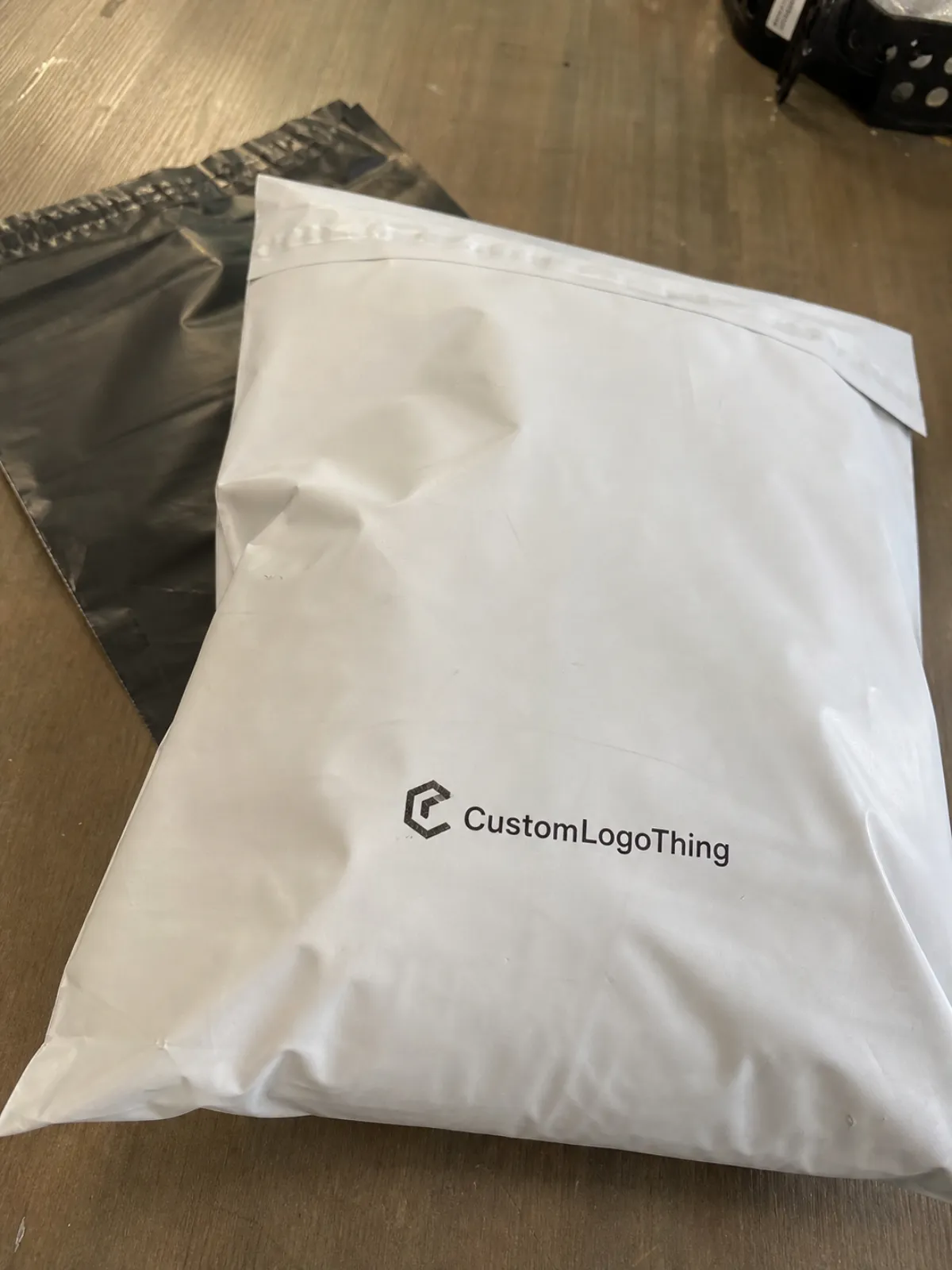
A fitness Soft Touch Poly Mailers Unit Cost Review usually starts with a simple tradeoff: the soft-touch handfeel can lift perceived value more than a heavier film alone. For apparel, accessories, and subscription kits, the package is often the first thing a customer handles, so the finish has a direct effect on how premium the order feels.
Fitness brands use these mailers for folded leggings, tees, resistance bands, jump ropes, wraps, and small kit-based shipments. From a buyer's point of view, the mailer has to do three jobs at once: present the brand well, protect the contents, and keep shipping efficient. That is why the right comparison is not just price per bag. It is landed cost, pack-out speed, and how well the spec fits the product mix.
A carton can protect more rigid items, but it adds storage, weight, and freight cost. A standard poly mailer ships cheaply, but it may not deliver the refined feel many fitness brands want. Soft-touch mailers sit in the middle: still lightweight, but with a finish that can make a basic shipment feel deliberate instead of disposable.
If you are comparing formats beyond mailers, start with Custom Packaging Products and narrow down from there. For repeat apparel shipments, our Custom Poly Mailers page is a useful place to compare sizes and print setups before you request quotes.
The practical way to evaluate the quote is to balance brand feel, protection, MOQ, and freight together. That keeps a buyer from chasing a low headline price that becomes expensive after setup, shipping, or rework.
How soft-touch mailers lift perceived value for fitness brands
A soft-touch mailer usually uses a polyethylene film with a matte surface treatment that reduces glare and creates a smoother feel in the hand. That matters because glossy plastic can read loud under store lighting, while a softer surface tends to make logos and artwork look cleaner.
For fitness labels, this effect is useful because the product itself is often simple. Apparel, recovery gear, bands, and promo shipments may not need elaborate packaging, so the mailer has to carry more of the brand signal. A bag that feels substantial and opens cleanly can support repeat orders and better recall without adding much shipping weight.
Color control still matters. Soft-touch surfaces can hide weak artwork less effectively than buyers expect, and a poor file can look flat or muddy. Ask for a proof that reflects the final ink coverage, not a generic mockup. Sharp registration, good contrast, and clean white space usually matter more than decorative effects.
Testing should be part of the review. Request a filled sample and check scuff resistance, seal feel, and how the surface looks after folding or handling. If the package is for retail pickup, direct-to-consumer shipping, or subscription fulfillment, the sample should be tested under the actual product weight, not just with air.
Practical buyer rule: if the finish improves perceived value without slowing the packing line or forcing a larger carton, it usually pays back through presentation and customer perception.
Material, seal, and print specifications buyers should lock in
Before comparing quotes, lock in the specs that control fit and performance. The main variables are size, flat or gusseted structure, film gauge, adhesive width, print coverage, and usable panel space. A buyer doing a fitness soft touch poly mailers Unit Cost Review should treat those as the baseline because each one affects both function and price.
For apparel mailers, a common starting point is 2.5 to 3.0 mil film. Heavier garments, rigid accessory kits, or sharp-edged contents may need 3.5 mil or more. The right thickness depends on the product, not the branding idea. A lightweight tee stack does not need the same build as a kit with metal parts or inserts.
Seal design matters just as much. Confirm whether the mailer uses a peel-and-seal strip with tamper evidence, whether the adhesive width is enough for repeated handling, and whether the bag opens cleanly without tearing the film. If the seal fails, the premium finish does not matter once the package reaches the packing line.
Print method affects both cost and appearance. If the design includes a logo, barcode space, warning copy, or edge-to-edge art, the supplier needs enough print area and a process that keeps linework sharp after sealing and folding. Ask how they handle registration and color matching on repeat orders. Small shifts are visible quickly on dark or highly saturated mailers.
Material questions should be asked early. Is recycled content available? Is the film recyclable in your market? Does the format fit your shipping workflow, or will the packing team slow down because the opening is awkward? Those questions affect throughput and customer experience as much as cost does.
- Size: confirm internal usable space, not just outer dimensions.
- Film gauge: match thickness to product weight and shape.
- Print area: verify where artwork can safely sit away from seals.
- Closure: check adhesive width, tack, and tamper evidence.
- Surface: approve the soft-touch finish under real lighting.
A simple spec table helps procurement compare suppliers without sorting through vague claims like premium or high quality. At minimum, list finish, thickness, print coverage, adhesive type, and reorder notes. If you need reference points for environmental claims or transit testing, the FSC and ISTA sites are useful starting points.
Pricing, MOQ, and what drives the unit quote
The quote is driven by a few recurring factors: film gauge, bag size, print colors, coverage level, soft-touch finish, and total order quantity. More material, more ink, and more setup almost always mean a higher unit cost. That is true before freight enters the picture.
MOQ usually follows production economics. Standard sizes and straightforward artwork can support lower entry quantities. Custom colors, full-coverage art, or special finishes often raise the MOQ because setup and run stability matter more. If two mailers look almost identical but have different minimums, the difference is usually in conversion time, color changes, or material waste.
Setup charges deserve attention. On poly mailers, tooling may mean print plates, color run setup, or conversion prep rather than heavy manufacturing tooling, but the effect is the same: it adds to the first-order cost. Artwork cleanup, proof revisions, sampling, freight, split shipments, and special packing instructions can also move the landed number in ways that a simple unit price will miss.
| Order tier | Estimated unit cost | What usually drives it |
|---|---|---|
| 5,000 pcs | $0.28-$0.42 each | Higher setup share, lower run efficiency, more exposure to artwork revisions |
| 10,000 pcs | $0.22-$0.34 each | Better film utilization, improved press efficiency, steadier bulk pricing |
| 25,000 pcs | $0.16-$0.26 each | Lower setup burden per bag, stronger cost per piece, better freight planning |
Those numbers are working ranges, not quotes. Final price still depends on artwork coverage, bag size, and any special handling requirements. The pattern is still useful: the first few thousand units carry the most overhead, and larger runs usually improve unit economics.
One way to lower cost is to simplify the print palette. Another is to standardize sizes across more SKUs so the supplier can run longer and waste less film. If you can consolidate cartons, reorder windows, or case packs, you often save more than by chasing the cheapest supplier on paper.
Do not compare only the headline rate. Compare landed cost. A slightly higher quote can still win if freight is lower, setup is cleaner, and the supplier makes fewer mistakes. That matters especially for brands that reorder often and cannot afford a bad batch in inventory.
Production steps and lead time from artwork to shipment
Production usually follows a predictable path: artwork review, proof approval, sample confirmation, material run, bag forming or slitting, final inspection, and packing. If any step is unclear, the schedule slips. Lead time starts after final approval, not on the first inquiry.
The fastest jobs are the ones with complete information. Send vector art, confirmed dimensions, final quantity, and notes on print orientation or adhesive placement. If the supplier has to guess where the logo should sit or how the bag opens, the proof cycle gets longer and the shipment date moves.
Custom colors, heavy ink coverage, and special finishes can stretch turnaround. So can peak factory load during apparel seasons or major promotions. A realistic manufacturing window for a straightforward run is often 12 to 15 business days after proof approval, but the actual schedule depends on the shop, the quantity, and the details of the order. Shipping time sits on top of that.
Manufacturing time and transit time should be separated in the quote. A production estimate of ten days is not a delivery promise if freight still needs another five to ten days, plus customs clearance or warehouse receiving. If the mailer supports a launch, ask for both blocks separately so planning stays grounded.
The sample route is worth the extra day or two. A filled sample shows how the bag behaves with real product weight. If the package is for monthly fitness kits, test it under the actual load, not just with air. That step catches fit problems early and avoids expensive reprints.
For shipment confidence, it helps to know whether the supplier references ISTA methods for transit handling or drop testing. That does not replace your own validation, but it is a better signal than a vague claim that the bag will "pass transit."
The safest schedule is the one that includes proof time, sampling time, and freight time as separate blocks. That difference often decides whether a rollout feels calm or arrives exactly when the warehouse is already busy with other inbound product.
Supplier controls that protect color, finish, and repeat orders
A reliable supplier should be able to document film gauge, adhesive performance, color control, seal consistency, and repeat-order matchability. If they cannot show those controls, the first order may still look fine, but the second or third run can drift. That is costly for fitness brands that depend on consistent unboxing across seasonal drops and recurring ecommerce shipments.
Ask for material data and sample photos, not just broad claims. If the supplier says the finish is premium or the print is durable, request a real sample that matches the artwork style you plan to use. A clear spec sheet is more useful than a polished pitch deck.
Responsiveness matters more than many buyers admit. Fast, accurate quoting and clean proof corrections reduce waste and keep the schedule tight. When a supplier takes several days to answer a simple size question, that often signals how production issues will be handled later. Communication is part of process control.
For recurring volume, inventory support matters too. Some buyers need the same mailer every month. Others run quarterly promotions and need staggered deliveries. Either way, the supplier should understand how to keep color consistent and how to support reorder windows without changing the minimum or finish unexpectedly.
Here is the practical way to judge a vendor:
- They answer specs clearly.
- They quote with hidden costs explained.
- They confirm material and finish tolerances.
- They can repeat the order without drift in print or seal quality.
That is why supplier selection should focus on process control and repeatability rather than only the lowest first-order price. A low quote can become expensive if it turns into delays, mismatched color, or a reorder that no longer matches the original bag.
Next steps to move from sample request to purchase order
The cleanest way to move forward is simple: measure the product, choose the finish, count print colors, and estimate monthly volume before asking for pricing. That gives the supplier enough detail to quote accurately and prevents the back-and-forth that slows everything down.
Order a sample pack and fill the bag with the real product weight. Check hand-feel, scuffing, seal strength, and opening behavior. If the mailer is for folded apparel, confirm that the fold line does not create a bulge that stresses the seam. If it is for a kit with accessories, make sure the contents do not poke the film or distort the artwork.
Send artwork in vector format and include PMS references if color matters. If the design needs a barcode panel, a return label area, or warning copy, mark that in the layout file. A clean file shortens the proof stage and reduces the risk of a misunderstanding that can turn into a full rerun.
Ask for both launch pricing and replenishment pricing. That gives procurement a better picture of first-order spend, future reorders, and seasonal promotions. A supplier may be competitive on one tier and less so on another, so tiered quotes are more useful than a single number.
For teams building broader packaging programs, it can also help to compare the mailer alongside other formats in Custom Packaging Products so the right package is chosen for the product, not just for the brand mood.
Use this fitness Soft Touch Poly Mailers unit cost review as the checklist before you approve art, sample, and final quantity. If the finish feels right, the spec is clear, the MOQ works, and the landed cost stays in range, you are probably buying the package that fits both the product and the business.
FAQ
What affects fitness soft touch poly mailers unit cost the most?
Order quantity, film gauge, print coverage, and the type of soft-touch finish usually matter more than small design details. Setup fees, artwork prep, and freight can raise the landed cost even when the per-bag price looks low. A clean spec sheet is the fastest way to see which variables move the quote, and that is why a fitness soft touch poly mailers Unit Cost Review should start with size, finish, and volume.
What MOQ should I expect for custom soft-touch poly mailers?
MOQ often depends on whether the order is a standard size, a custom color, or a fully custom printed run. Fewer print colors and standard dimensions usually make it easier to meet a lower entry quantity. Ask for tiered pricing so you can compare test runs, launch volume, and replenishment pricing.
How long does production usually take after approval?
Lead time usually starts after final artwork and spec approval, not on the first inquiry. Custom colors, heavy coverage printing, and peak production periods can extend turnaround. Ask for manufacturing time and shipping time separately so your launch schedule stays realistic.
Are soft-touch poly mailers strong enough for fitness apparel and accessories?
Yes, when the film gauge and seal design are matched to the weight and shape of the product. Heavier garments or boxed items may need a thicker film or a wider seal area for better transit performance. Testing a filled sample is the safest way to confirm fit and durability before ordering.
What files should I send for a fast quote on soft-touch mailers?
Send vector artwork, target dimensions, expected quantity, and any color references or PMS numbers. Include whether you need front-only print, full coverage, or specific barcode or warning copy placement. The more complete the initial spec, the fewer quote revisions and the faster the sample stage.


