Fitness studio Custom Poly Mailer bags wholesale order planning gets expensive fast when an apparel drop runs hot and staff starts repacking tanks, leggings, and welcome kits into whatever bag is within reach. A small sizing mistake can snowball into split cartons, extra labor, and freight charges that erase the savings from a lower unit quote. The cheapest bag is rarely the cheapest shipment.
Fitness Studio Custom Poly Mailer Bags Wholesale Order Planning
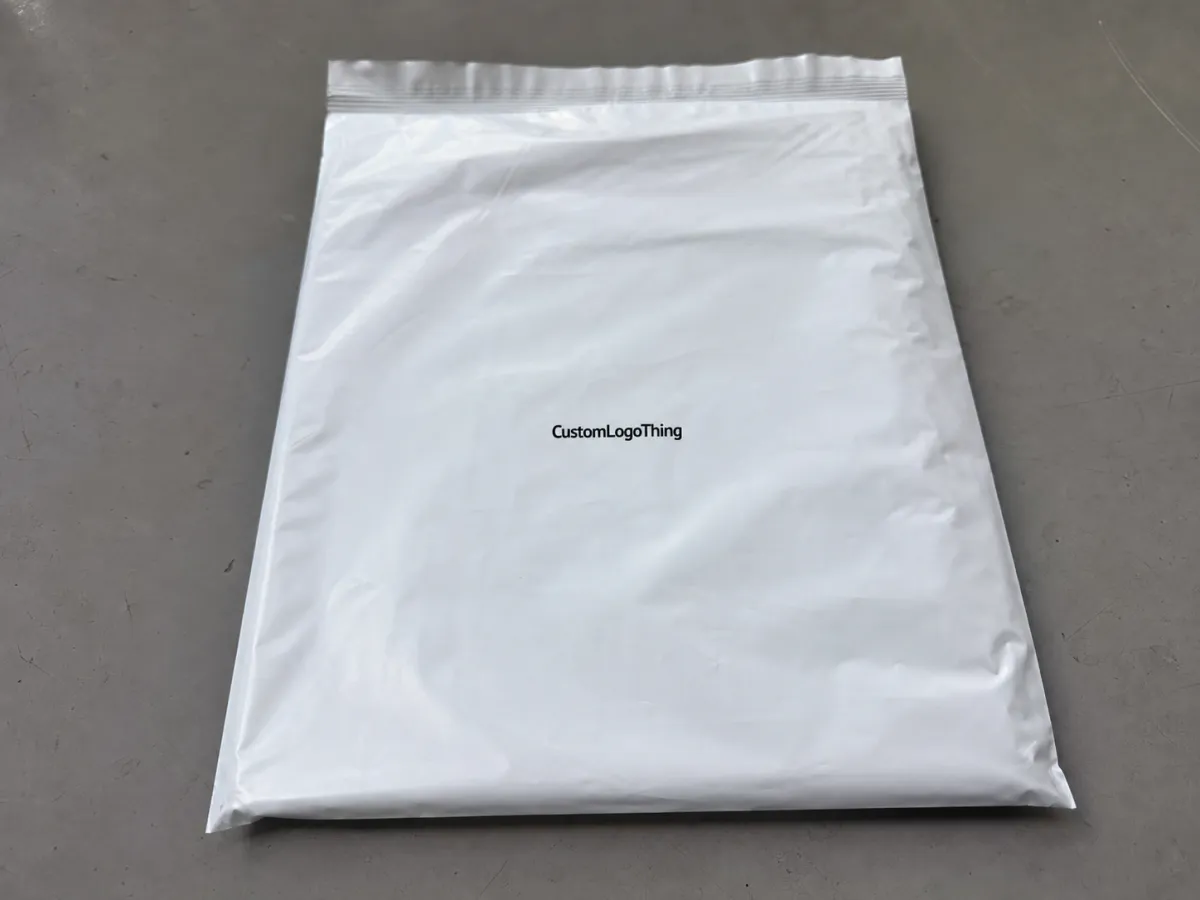
Fitness studio Custom Poly Mailer bags wholesale order planning works best when it starts with shipment reality, not with artwork. A studio mailing tees and grip socks has a different requirement than a brand shipping leggings, hoodies, and welcome kits. The difference shows up in postage, bag count, packing speed, and how often staff has to stop and search for a larger mailer.
That is why many operators end up paying more for the fix than for the bag itself. A rushed reorder can trigger split cartons, repacking, and air freight that wipes out the savings from a lower per-unit quote. If you map monthly volume, case pack, and the item mix first, the numbers get clearer quickly. A 5,000-piece order with stable specs behaves very differently from a 1,000-piece test run, and buyers should expect unit cost to move with quantity, print coverage, and film thickness.
For wholesale buyers, the goal is repeatability. The studio wants the same size, the same print, and the same case count every time. That consistency makes branded packaging easier to budget and easier to reorder, especially if multiple front desks or fulfillment staff touch the same supply. It also strengthens package branding, which matters more than many operators think. A clean parcel is often the first physical brand touchpoint a customer sees after checkout.
For teams comparing options inside Wholesale Programs, the best questions are usually plain ones: What size do we ship most often? How many bags do we use each month? How much handling time disappears if the bag fits properly the first time? Those answers usually beat guesswork.
Mailer Sizes and Formats for Studio Shipments
Most fitness studio shipments fall into a few patterns. Slim apparel like tees, tanks, and socks usually fits in narrower flat poly mailers. Leggings, fleece, and bundled kits need more width or a little extra expansion room. If a studio sells subscription boxes or class launch kits, the ideal format changes again because presentation becomes part of the experience, not just protection.
Flat mailers are the workhorse option. They keep dimensional weight down, pack quickly, and reduce waste when the item profile is predictable. Expandable or gusseted mailers are worth considering when a studio needs more clearance for folded hoodies or multiple units. That extra room can reduce stress on seams and make sealing easier, though it can also add a bit to freight and material cost. Over hundreds or thousands of shipments, that tradeoff stops being theoretical.
Closure style matters too. Self-seal strips are standard for speed. Tamper-evident seals help when parcels sit in shared spaces. Tear notches are useful for front-desk pickup or membership mailers because they make opening easier without damaging the contents. Those details sound minor until a staff member packs 150 orders in a row.
Most buyers do not need ten sizes. They usually need two or three that cover 80% to 90% of outgoing orders. One size for every location can simplify inventory, but a tighter size set often cuts packing friction and lowers reorder mistakes. If you are comparing Custom Poly Mailers, start with the largest standard item in the mix, then work backward to the smaller recurring shipments.
One useful check is to stage actual products on a packing table before finalizing the spec. A mockup may look fine on screen and fail in hand when a hoodie edge catches the seal or a bundled set makes the mailer bow. Real fit testing takes less time than correcting a full production order.
Film, Seal, and Print Specs That Hold Up in Transit
Bag performance starts with the film. Thickness, opacity, and seal strength all affect whether the mailer arrives looking crisp or crushed. A thin bag may be fine for a tee, but a heavier knit or accessory box can puncture a weaker film at the corners. Buyers often ask for price first, yet film selection is usually the more important decision because it determines whether the bag survives the trip without cosmetic damage.
A practical way to compare specs is to think about what the parcel has to do before the customer even opens it. If the exterior looks clean, the brand feels organized. If the seams split or the print smears, the packaging looks improvised. That is true whether the shipment is a boutique membership kit or a larger gym promotion.
For many studio programs, 2.5 mil to 3 mil film handles light apparel well, while 4 mil or reinforced constructions make more sense for heavier bundles, multiple garments, or bags that are likely to be reused for returns. Thicker film usually costs more and adds a little weight, but it can also reduce punctures and improve stiffness during packing. The right answer depends on what is going inside the mailer, not on a generic industry average.
Print method matters as much as film. Simple one-color graphics usually keep costs controlled and produce strong contrast. Dark backgrounds with light logos can look excellent, but they need tighter ink control. Large solid blocks of color can show scuffs more easily during transit, especially when the bag rubs against cartons or other parcels. If the logo sits close to a seal line, ask for a proof that shows the full edge behavior, not just a flat artwork mockup.
For verification, many buyers ask for testing that echoes common transit abuse, including drop, vibration, and puncture checks. The ISTA standards are a useful reference point when a studio wants shipping data rather than assumptions. If a supplier cannot explain how the bag handles a folded hem, a zipper pack, or a hard accessory edge, that is a signal to slow down.
Sample approval is the safest checkpoint. A printed bag that looks correct on screen can still miss in hand if the sheen is too high, the seal line feels weak, or the opacity is lower than expected. That is why a real sample should be part of the buying process, not an optional extra. It is also the best moment to confirm the bag width, adhesive pull strength, and whether the logo sits where the front desk team expects it to sit.
One more detail that gets ignored: seal width. Narrow seals save material, but they can be less forgiving if the contents are bulky or the packing environment is cold. A slightly wider seal adds a margin of safety. That is the kind of small production choice that rarely shows up in the mockup and often shows up in the warehouse.
Branding Options That Make the Parcel Work Harder
A mailer can do more than hold apparel. It can reinforce package branding with very little extra complexity. A logo placed well, a clear accent color, and one short line of copy can make the parcel instantly recognizable. That recognition matters for repeat customers, referrals, and social posts that show the package before the product.
Good packaging design for a fitness studio is usually direct. High contrast is easier to read from a few feet away. Clean typography performs better than dense artwork. One strong brand mark often beats four competing graphics. The best outside graphics do not fight the message inside; they support it. That is why mailers often work better with a concise visual system than with a crowded layout copied from custom printed boxes or other retail packaging.
There are also practical ways to add value without turning the bag into a billboard. QR codes can point to a class schedule, referral offer, or retail drop. Seasonal artwork can support a launch. A short welcome message can make a first shipment feel intentional. Those elements are small, but they help the parcel act as part of the sales process rather than as plain transit material.
A bag that saves two cents but adds one minute of handling usually costs more than it saves.
That line sounds blunt because it is true. If the artwork forces staff to repack, or if the design makes the logo hard to read, the bag stops earning its keep. For studios with a strong visual identity, the best move is often a simple print with disciplined color use, especially on repeat shipments where consistency matters more than novelty.
If sustainability claims matter, keep them specific. The EPA recycling guidance is a better reference than vague green language. For paper inserts or labels, FSC language can help, but the claim should match the actual material stream. Buyers should also ask whether the film contains post-consumer recycled content, and if so, how much. “Recyclable” is not the same thing as “widely recycled,” and that distinction is worth preserving in product copy.
Branding should also match the order flow. A high-end retail drop may justify more coverage on the bag face, while recurring membership shipments often perform better with a restrained design that stays readable after storage and handling. More ink is not always more impact.
Pricing, MOQ, and Unit-Cost Breakpoints
Price quotes for Fitness Studio Custom Poly Mailer bags wholesale order planning usually break down into a few moving parts: bag size, film thickness, print complexity, color count, and quantity. Those are the levers that matter most. Freight, setup, and any proof revisions sit behind them and can change the landed cost more than the base unit price suggests.
As a rough benchmark, a basic one-color Custom Poly Mailer run at 5,000 pieces often lands around $0.18-$0.28 per unit, depending on size and print coverage. At 20,000 pieces, some buyers can get closer to $0.11-$0.19 per unit. That is not a promise; it moves with film gauge, artwork coverage, and carton configuration. Still, the spread is large enough that order size deserves real attention.
| Format | Best Use | Typical Cost Behavior | Buyer Note |
|---|---|---|---|
| Flat 10 x 13 in. | Tees, tanks, socks, light accessories | Lowest film use, strongest postage control | Good starter size for high-volume membership apparel |
| Flat 12 x 15.5 in. | Leggings, light hoodies, mixed apparel | Moderate unit cost, broad fit range | Often the most flexible default for studios |
| Expandable 14.5 x 19 in. | Bulkier kits, folded fleece, welcome packs | Higher material cost, fewer repacks | Worth it when item variation is high |
MOQ changes the math quickly. A lower minimum can help a multi-location studio test a new bundle or seasonal campaign. A larger first order usually lowers unit cost and reduces reordering frequency, which is useful if the design is stable and reorders are likely. The trick is not to chase the lowest quoted price line by line. It is to compare landed cost per usable shipment.
One useful rule: if the first run will be used within a few months and the artwork is unlikely to change, a larger order can be the better commercial move. If the campaign is experimental, a tighter MOQ protects cash and reduces the risk of obsolete stock. That is a planning decision, not just a buying decision.
Packaging quotes also deserve a close look at hidden assumptions. Some suppliers include overrun or underrun tolerances in the fine print, usually a small percentage above or below the ordered quantity. Freight terms matter too. A low factory price can look attractive until delivery, carton charges, or inland transport are added. The cleanest comparison is the landed cost per shipped bag, not the headline unit price.
Process, Proofing, and Lead Time Planning
Production runs smoother when the process is handled in sequence. First comes the inquiry. Then size, quantity, and artwork are confirmed. After that, the supplier prepares a proof, the buyer approves it, the factory produces the bags, and the order is packed and shipped. Each step sounds obvious, but one missing file or unclear dimension can add days.
Lead time usually stretches in three places. Artwork that arrives as a low-resolution image slows proofing. Brand colors that need careful matching can add another review cycle. A sample that reveals a sizing issue may require a revised plan. None of that is unusual. It is simply the cost of getting a custom item right the first time.
Buyers can save real time with a few discipline points. Send vector files whenever possible. Assign one person to approve proofs across all locations. Keep the target bag size, print method, and case count in one record so the information does not get rewritten from memory on every reorder. That is the difference between a clean production run and a chain of small delays.
Typical production often runs about 12-15 business days after proof approval, though that varies with order size and factory load. Air freight shortens arrival time; ocean freight lowers transit cost but can add weeks. For products tied to launch dates, a first run should be scheduled earlier than most teams expect. If a studio also ships custom printed boxes or insert cards, the packaging calendar needs to be set as one system, not three separate jobs.
One more detail matters: ask whether rush production is truly available before relying on it. Some suppliers can compress manufacturing. Others can only move freight faster. Those are not the same thing. A buyer who hears “rush” should ask what part is actually accelerated and what part still follows the normal queue.
Proofing should also include a quick check of tone, not just layout. A logo can look correct while the background color shifts warmer or cooler than expected. On poly film, that difference becomes more obvious under warehouse lighting than on a monitor. If exact color is central to the brand, request a printed proof or a sample photo under neutral light.
Supplier Standards for Repeat Wholesale Buyers
The difference between a reliable supplier and a commodity seller shows up after the first order. A good partner keeps color consistent, counts accurately, and seals cleanly. Those are not premium features. They are the baseline. If a studio has to inspect every carton because bag counts are off, the supplier has already created hidden cost.
Repeat wholesale buyers should also look for lot tracking and reorder memory. Multi-site fitness brands need the same bag delivered across different locations without guesswork. That means the approved size, art, film, and case pack should be easy to retrieve later. A supplier who remembers those details reduces the chance of mismatch, stockouts, and emergency substitutions.
Service quality matters more than many buyers admit. Fast proof feedback saves time. Clear issue resolution protects launch schedules. Straight answers about substitutions or material changes help managers make better decisions. Packaging is not only about materials; it is also about process control. The same logic applies across product packaging, retail packaging, and any recurring branded program.
For buyers evaluating Custom Packaging Products, a strong supplier should sound more like a planning partner than a box-shifter. Ask whether the factory can keep your approved spec on file, whether it can repeat the same print on the next run, and whether it can explain the difference between the sample stage and the production stage. If the answers are vague, the savings are probably artificial.
Good buyers also ask about inspection standards before the order leaves the factory. Carton counts, seal checks, and basic print registration checks should happen before shipment, not after the pallet arrives. A few minutes spent there can prevent a week of back-and-forth later.
Honestly, the cleanest wholesale relationship is the one that feels uneventful after approval. That is a good sign. It means the process is tight enough that nobody has to improvise.
Next Steps for a Faster, Cleaner Reorder
Before requesting a quote, gather the bag size, monthly volume, artwork files, preferred finish, and shipping destination. That small checklist turns a scattered inquiry into a usable manufacturing brief. It also helps the supplier return a quote that reflects the real job instead of a guessed version of it.
Then decide what matters most on the first run. Some studios care most about lower unit cost. Others need faster delivery. Others want tighter brand presentation because the mailer is part of a launch kit. The right answer is not universal. A studio opening new locations often chooses flexibility. A mature brand with stable demand usually chooses price efficiency and repeatability.
It is also smart to document the approved setup in one place. Save the final dimensions, print method, film spec, and case count so the next reorder does not depend on memory. That reduces internal friction and makes it easier for a new manager to take over without rechecking the entire setup. For buyers comparing FAQ details against operational needs, the best habit is to keep one approved spec sheet, one supplier contact, and one reorder note.
For teams that want fewer surprises, the path is simple: size the bag to the item mix, control the print, and plan the quantity around real consumption. That is the practical core of fitness studio Custom Poly Mailer Bags wholesale order planning, and it is what keeps the next shipment cleaner, cheaper, and easier to repeat.
A final check helps more than most teams expect: review the reorder against what actually shipped, not what was originally forecast. Real pack-out data is better than optimistic assumptions. If leggings are moving faster than tanks, or welcome kits are making up a larger share of outgoing orders, the next spec should reflect that shift.
The questions below cover the points buyers usually revisit before placing a repeat order.
What size fitness studio custom poly mailer bags wholesale order should I start with?
Start with the most common item mix. Tees and tanks usually fit smaller bags, while leggings, hoodies, and welcome kits need more width or gusset room. If one size must serve multiple locations, choose the format that fits the largest standard item without forcing staff to overpack.
How does MOQ affect fitness studio custom poly mailer bags wholesale pricing?
MOQ usually sets the floor for unit price because setup, printing, and packing costs get spread across more or fewer bags. Higher quantities often improve cost per bag, but a lower MOQ can reduce risk when a studio is testing a new class bundle, seasonal drop, or membership promo.
What changes the cost of branded fitness studio poly mailer bags most?
The biggest drivers are bag size, film thickness, print complexity, and total order quantity. Freight, setup, and proof changes also affect landed cost, so compare full quotes instead of looking only at the product price.
How long does production take after proof approval?
Production speed depends on artwork readiness, color matching, and current factory capacity. Fast approvals and complete files usually shorten the timeline. Custom samples or revisions add time before the run starts, and transit time changes depending on whether the order ships by air or ocean.
Can I reorder the same fitness studio custom poly mailer bags without reproofing?
Yes, if the size, artwork, and material stay the same and the supplier has the approved specs on file. Keeping one final spec sheet helps reorders move faster and reduces the chance of mismatch across studio locations.
What quality checks should I ask for before shipment?
Ask for carton counts, seal inspection, print registration checks, and a quick review of the finished bag against the approved sample. Those checks catch the problems that are easiest to miss on a screen and most expensive to fix after delivery.
For apparel, retail packaging, and custom printed boxes alike, the best outcomes come from locked specs and steady repeatability. That is why fitness studio custom poly mailer bags wholesale order planning works best as a record-keeping exercise as much as a buying exercise: one approved spec, one reorder path, and one clear standard for the next run.

