If you are buying promotional headwear, the fitness Unstructured Dad Hats material sample guide is where the real decision-making begins. A flat mockup can show logo placement and color direction, but it cannot tell you how a soft crown drapes, how the visor sits after an hour of wear, or whether the hat still feels right once the wearer starts moving, sweating, and handling it repeatedly.
That gap matters more with Unstructured Dad Hats than with firmer caps. The crown collapses more naturally, the fabric hand is more obvious, and the smallest choices in sweatband, closure, or visor insert can change the whole wearing experience. For fitness brands, the sample stage should prove comfort, fit, decoration quality, and packaging protection before a bulk order is released. Otherwise the first true test happens after the cartons leave the factory, and by then every mistake costs more.
There is also a category problem that buyers sometimes miss. A hat intended for gym retail has different performance expectations than a hat meant for staff uniforms, race-day giveaways, or coaching apparel. All of those may use the same silhouette, yet they do not need the same fabric weight, finish, or price point. The sample exists to separate those use cases before the order becomes expensive.
What samples should prove
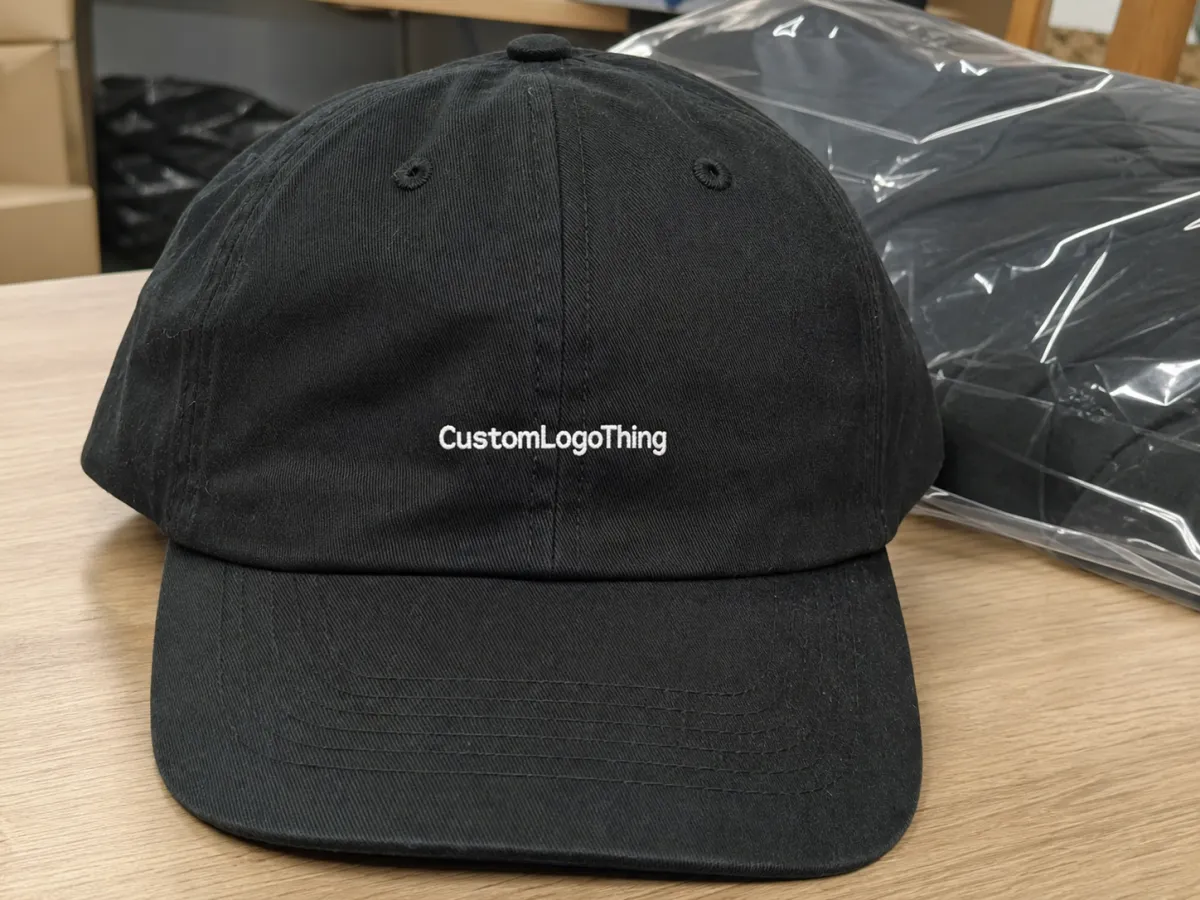
A sewn sample does the work a flat proof never can. It shows how the crown sits in three dimensions, how much it relaxes when worn, and whether the low-profile shape looks intentional rather than limp. That matters with fitness-adjacent headwear because the hat has to live through sweat, movement, heat, and being stuffed into a gym bag between uses.
For a fitness brand, I would look at three things first: breathability, comfort against the skin, and shape retention. A cap that looks clean on a table may feel warm once someone is walking outdoors, lifting, coaching, or running a booth at an event. A cap that feels soft in hand can still collapse in the front panel and read cheaper than the approved artwork suggested. The sample should answer those questions quickly and without romance.
It also helps to test on different head shapes. Unstructured hats seem forgiving, but crown depth and panel shape do not land the same way on everyone. One wearer may prefer a slightly deeper fit that settles lower on the forehead, while another finds the same sample too loose in front. If the hat is going to staff a fitness brand, sell at retail, or support a promotion, the approved sample should fit the broadest practical range without losing its intended look.
Movement testing is just as useful as static inspection. Ask someone to wear the hat while walking, reaching, bending, and turning. The crown should recover cleanly after being handled, and the adjustment should stay stable instead of creeping loose. A sample that survives that kind of basic use tells you far more than a staged photo under soft lighting.
Practical rule: use the first sample to define the job of the hat, not only the appearance of the logo. A strong sample for a retail fitness line may not be the right sample for a one-day event giveaway, and that distinction should be settled early.
How a material sample guide turns swatches into decisions
A swatch answers touch and color questions. A sewn sample answers structure, stitching, brim behavior, and closure feel. That is why a fitness Unstructured Dad Hats Material Sample guide should never stop at fabric selection. The fabric, sweatband, visor insert, eyelets, seam tape, and trim all work together as one system, and changing one part can change the fit story more than a buyer expects.
On paper, two hats may look close. In hand, they can feel completely different. A brushed cotton twill usually feels warmer and softer, while a polyester blend often dries faster and keeps color better after repeated wear. Nylon-rich fabric can feel lighter and more technical, which suits a sportier brand direction, but it also reads less natural if the goal is a classic lifestyle look. The sample is where those tradeoffs become visible instead of theoretical.
Decoration should be tested on the sample too. Embroidery can sit beautifully on an unstructured crown, but heavy stitch counts can pull the front panels inward. Woven patches add definition without loading the fabric as heavily, and print can work if the surface is smooth enough and the logo is kept within a sensible size. The safest approval is the decoration method on the exact hat body the order will use, not on a substitute cap that only looks similar in a photo.
Keep one reference sample after approval. That physical standard matters more than memory, especially if the next reorder is months later and small details have drifted. A sample on a shelf is not glamorous, but it is often the fastest way to settle a debate about color drift, brim curve, or trim placement before a larger run starts.
If the order includes protective packaging, treat that as part of the sample too. A hat packed in a flimsy mailer can arrive crushed even if the cap itself is correct. For sample and bulk shipments, ask whether the outer pack-out uses FSC certified corrugated cardboard, kraft paper inserts, or recycled materials with documented post-consumer waste content. For sourcing standards and transit testing references, the guidance at FSC and the test methods outlined by ISTA are useful checkpoints.
The packaging choice should match the product value. A premium retail drop usually deserves more crush protection than a low-cost giveaway. If sustainability matters, start with recycled materials and then verify that the structure still protects the hat on the route it will actually travel. A recycled mailer that fails in transit is not sustainable; it is waste with better branding.
Fabric, sweat, and fit factors that change wearability
The fabric choice sets the tone. Cotton twill usually offers a familiar, natural hand feel and good all-day comfort. Polyester blends tend to dry faster and resist wrinkling better. Nylon-rich fabrics can feel lighter and more technical, which suits a fitness line that wants a slightly more athletic edge. None of those is automatically best. The right answer depends on how the cap will be worn and what the buyer wants the wearer to feel the moment the hat goes on.
Fabric weight matters more on unstructured caps than many buyers expect. A light fabric may drape beautifully, but if it is too thin the crown can collapse in a way that looks underbuilt rather than relaxed. A heavier cloth may hold shape better, yet it can run warmer during exercise or outdoor events. For fitness use, the sweet spot is usually a middle weight that feels soft enough for casual wear but substantial enough to keep the front panel from looking empty.
Then there is the sweat factor. A cap used around training, coaching, or active outdoor wear should handle perspiration without feeling sticky after thirty minutes. Sweatband material, stitch density, and ventilation all matter here. If the hat has sewn eyelets, check how they open the crown for airflow; if it uses embroidered eyelets, make sure the finish is clean and does not fray under handling. The best sample stays comfortable once the temperature rises, not just when it is new out of the box.
Fit is the part buyers under-test most often. Crown depth, panel angle, and adjustment range all need attention. A hat can look great on a worktable and still sit too high on one head or too low on another. In a fitness collection, I would test the sample across the head sizes it is meant to serve, because one-size-fits-most only works if the band and closure cover the full range honestly.
Small construction details make a visible difference:
- Brim insert affects how crisp or relaxed the visor feels.
- Sweatband density affects comfort and moisture handling.
- Panel seam finishing affects how neat the inside feels during longer wear.
- Adjustment hardware affects both fit security and perceived quality.
That is why sample review should always include wear testing, not just approval on color chips. You are not buying a static object. You are buying the way the hat behaves on a human head during real use.
Cost, pricing, MOQ, and sample fees to budget realistically
Sample pricing usually reflects more than fabric. There is setup time, sourcing, labor, decoration, and shipping to think about, and any one of those can move the total. Some suppliers will credit part of the sample fee back against a production order; others will not. Ask directly how the quote is structured so there are no surprises after the first approval round.
For a simple blank or lightly decorated dad hat sample, a common range might fall around $25-$75, depending on whether the body is already available and whether artwork setup is needed. A more customized sample, especially one with specialty trim, patch work, or multiple color changes, can land higher. Shipping can add another $10-$35 if the sample needs to move quickly or if packaging protection is upgraded.
| Sample type | What it proves | Typical cost impact | Best use case |
|---|---|---|---|
| Blank sewn sample | Fit, crown shape, brim feel, closure function | Lowest | Early fit and structure checks |
| Decorated sample | Logo size, thread density, patch placement, color balance | Moderate | Brand approval before production |
| Pre-production sample | Final materials, trims, decoration, and pack-out | Highest | Release sign-off for a larger run |
MOQ and unit price move together. A lower minimum order quantity helps when a fitness line is being tested or when a small event release needs quick proof, but the per-hat price is usually higher than in a replenishment run. At small quantities, a decorated dad hat may land around $6-$10, while a larger order can move closer to $3.50-$6.00 depending on fabric, decoration method, and packaging. Those are working ranges, not promises, because stitch density, patch size, and trim choices matter more than many buyers think.
Budgeting should also include revision time. If the first sample misses the mark, the fix may be simple, but every extra round adds cost and schedule pressure. The cheapest first sample is not always the least expensive project overall. Paying for a cleaner sample phase is usually better than chasing corrections after production is already scheduled.
One more practical point: if the supplier requires separate fees for artwork conversion, color matching, or new material sourcing, get those line items in writing. That prevents a modest sample order from turning into a messy accounting exercise after approval.
Process, timeline, and turnaround from sample request to approval
A strong request starts with a real spec sheet. Send the hat body target, artwork files, desired fabric, color references, closure preference, and any must-have construction details. If you know the intended use, include that too. A hat for gym retail is not the same as a hat for race-day staff, and the sample will improve if the use case is spelled out clearly from the start.
The first sample usually checks the big questions: shape, hand feel, decoration placement, and whether the concept belongs on this cap style at all. If that sample passes, revisions should tighten the fit, adjust trim, and refine the decoration if needed. The fastest approvals usually come from one decision-maker, one feedback round, and one clear instruction set. Too many voices in the middle of a sample cycle can stretch a seven-day task into a three-week delay.
Lead time can vary a lot. If the body fabric and trim are already in stock, a basic sample may come back in roughly 7-12 business days after artwork and specifications are confirmed. If the supplier has to source a special fabric or build a custom closure, 2-3 weeks is more realistic. Bulk production follows a different queue, so always ask whether sample turnaround is separate from the manufacturing slot for the final order.
Documentation helps more than most buyers expect. Save notes on fabric choice, crown depth, logo width, stitch count, closure type, and packaging style. If the approved sample ships in FSC certified corrugated cardboard with kraft paper inserts, write that down too. The sample file becomes far more valuable when everyone can refer back to the exact physical standard instead of trying to reconstruct a decision from memory.
Approve the fit, not the photo. A good image can hide crown collapse, color drift, and stitching tension, while a worn sample tells you how the cap really behaves.
If the project involves a new fabric, a new trim, or a first-time decoration method, ask for one final pre-production sample before the bulk run. That extra check is usually cheap insurance on a deadline-sensitive order. It is easier to catch a mismatch when the cap still exists as one sample than after cartons have already been packed and booked.
Common mistakes when reviewing sample hats
First mistake: approving from photos alone. Camera angle changes the crown, lighting changes color, and a flattering shot can hide the problems that show up in hand. A hat that looks balanced in a product image can still sit awkwardly on a head or wrinkle across the front panel after a few minutes of wear.
Second mistake: testing the sample only at rest. A fitness hat should be worn in motion, with heat, sweat, and normal handling. If possible, wear it outdoors, in a gym, or during the actual activity level the final customer will face. That is the only way to know whether the unstructured crown still feels comfortable after the temperature rises.
Third mistake: ignoring the small components. The closure, sweatband, eyelets, and visor insert are not minor details; they are part of the wearer’s daily experience. A soft crown with a scratchy sweatband or a flimsy buckle can feel cheap even if the embroidery is excellent. Buyers sometimes chase logo perfection and miss the parts that determine repeat wear.
Fourth mistake: changing too many variables at once. If you switch the fabric, logo size, and construction method in the same revision, it becomes hard to know what actually improved the hat. Change one factor, review it carefully, and keep the rest constant where possible. That is the cleanest way to learn from the sample.
Common review problems usually trace back to one of these points:
- Fit feels too deep, too shallow, or too loose.
- Fabric feels too warm, too thin, or too slick.
- Decoration pulls the crown or sits off-center.
- Packaging protects the hat poorly during transit.
That is why the sample guide should be treated like a buying tool, not a formality. A well-reviewed sample protects margin, reduces returns, and keeps the brand promise believable.
Expert tips for choosing the right sample before production
Test the sample in the same lighting and weather where the final hat will live. A dark indoor room can make color look richer than it really is, while bright daylight will expose dye shifts and stitching contrast faster. If the hats are meant for an outdoor fitness crowd, review them outdoors. Simple, but easy to miss.
If you are torn between fabrics, request side-by-side samples. Seeing two hats together makes the tradeoffs obvious in a way a spec sheet cannot. For example, a cotton twill option may feel more relaxed and familiar, while a polyester blend may hold up better during active wear and drying. Matched samples settle that argument in minutes if logo placement and thread color stay consistent.
Document every approval with notes and photos. Write down the agreed crown depth, visor curve, decoration size, and exact packaging choice. If the project uses recycled materials or biodegradable packaging, note the supplier’s description carefully so future orders can stay consistent. Buyers who keep a clean sample record usually move faster on reorders because they are not re-litigating old decisions.
I also recommend checking the hat after it has been packed and unpacked a few times. A cap that recovers well after being folded into a shipper is more useful than one that only looks good on a display table. If packaging is part of the presentation, material choice matters there too: kraft paper inserts can feel cleaner than loose filler, and corrugated cardboard gives better crush resistance than a soft mailer in many shipping lanes.
For fitness brands, I would bias toward fabrics and trims that handle perspiration, storage in gym bags, and repeated wear. That does not always mean the most technical cloth on the market. Sometimes the smartest choice is a balanced cotton-poly blend with tidy embroidery and a dependable closure, because it feels honest and wears well without pushing the price too far upward.
Before approval, ask one final question: would a customer still like this hat after wearing it three or four times, not just after opening the box? That answer usually reveals whether the sample is right.
Next steps after the sample matches your fitness brand
Once the sample is approved, turn it into a written spec sheet. Lock down the fabric, crown construction, logo dimensions, thread colors, closure type, sweatband notes, and packaging details. That file becomes the production blueprint and protects the order from drift if the project comes back later for a repeat run.
Confirm whether a final pre-production check is needed before the bulk order begins. If the order uses a new trim, a new pack-out, or a fresh decoration method, that extra sign-off can save a lot of trouble. Catching a problem while the order is still on paper is faster than fixing it after cartons are already on the floor.
If the launch is tied to a fitness event, retail drop, or team release, reserve the production slot early. Even a good supplier needs time for sourcing, stitching, finishing, and pack-out, and any delay in approval can push the ship date. A clean approval on the front end is the easiest way to protect the calendar later.
Keep the approved sample on file with the order history. If the reorder happens months from now, that sample is your physical memory. It helps every buyer, coordinator, or production partner stay aligned with the original plan instead of guessing at the details.
Handled this way, the fitness Unstructured Dad Hats Material Sample guide becomes more than a checkout step. It becomes the control point that keeps comfort, brand fit, packaging, and budget working together from first request to final carton.
What should a fitness unstructured dad hats material sample guide include?
It should cover fabric, crown shape, brim feel, closure type, sweatband comfort, and decoration options so the buyer can review the full hat, not just the fabric. A useful guide also explains what to inspect in movement, heat, and daylight, because fitness-oriented wear reveals problems that a static sample cannot.
How do I compare cotton and polyester blends for fitness unstructured dad hats?
Compare how each fabric feels after wear, how quickly it dries, and whether it keeps the crown too soft or just structured enough for the intended look. Ask for the same decoration on both samples so the fabric difference is easier to judge without logo size or placement changing the result.
How much do material samples usually cost for custom dad hats?
Sample pricing depends on fabric sourcing, labor, decoration setup, and shipping, so the most accurate answer comes from a detailed supplier quote. If the project is small, expect the sample cost to be separate from bulk pricing, and ask whether any part of that fee can be credited later.
How long does the sample and approval process usually take?
The timeline depends on how complete the buyer specs are, how many revisions are needed, and whether the fabric or trim is already available. The fastest path is a clean first brief, one round of feedback, and a single approval step before production is released.
What should I do if the first sample misses the fit or structure?
Pinpoint the exact problem first, such as crown depth, softness, closure range, or brim shape, so the revision request is specific and useful. Change one variable at a time when possible, because that makes the next sample easier to evaluate and keeps the process from drifting.


