A Private Label Caps small batch custom order can be a sharper buy than a bigger apparel run for one simple reason: caps are easier to standardize, easier to sample, and easier to correct before the market sees a mistake. Most cap programs also avoid the size grid problem that complicates tees and hoodies. One crown, one closure system, one artwork placement. That smaller surface area is not trivial; it changes how quickly a brand can test demand without tying up too much cash.
The practical question is not whether the cap looks good on a mockup. It is whether the product can survive a real sales channel. Staff giveaways, event merch, wholesale shelves, and e-commerce all reward different details. A small run lets a buyer compare those details with actual feedback instead of guesses, and that matters when the first purchase is meant to validate a direction rather than fulfill a forever order.
Caps are also sensitive to tiny changes in construction. Shift the crown half an inch, change the brim curve, or move from embroidery to a woven patch, and the cap reads differently in hand. That is why smaller runs often produce better decisions. They create a feedback loop before inventory becomes a liability.
Why a Small Batch Cap Run Can Beat Overbuying
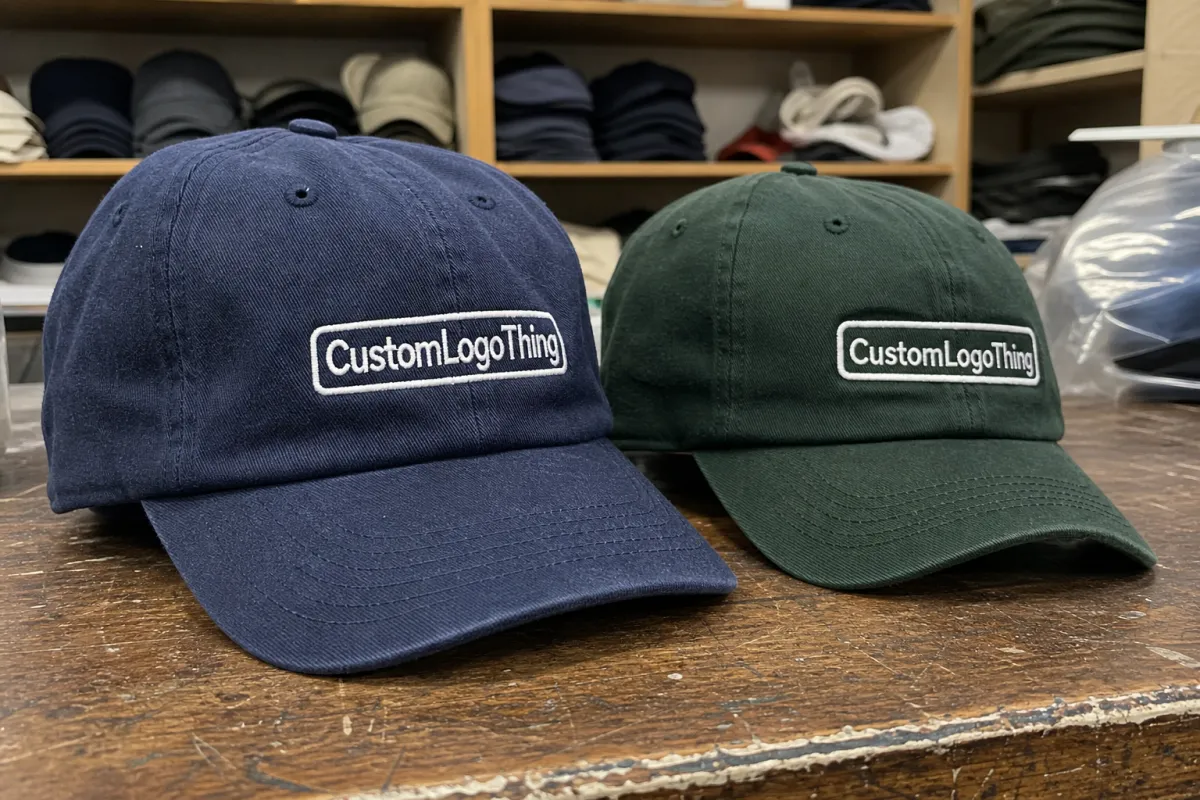
Caps behave differently from tees, outerwear, or cut-and-sew apparel. Many styles are adjustable, the decoration zone is limited, and the base silhouette can be reused across several drops with minor changes. That makes the category unusually forgiving for a first order, especially for brands that want to test a logo, a color story, or retail packaging without committing to a warehouse full of product.
The math is simple enough to cut through the romance. A 100-piece run at $6.20 is a $620 base commitment before freight, cartons, and labeling. A 500-piece run at $4.10 looks more efficient on paper, but the savings evaporate fast if the sell-through rate is weak. If only 180 units move at full price and the rest need markdowns, the lower unit cost was never the real story. Cash flow was.
There are a few situations where smaller runs make the most sense:
- New launches where the brand wants proof that the silhouette and logo scale correctly in the real world.
- Seasonal merch where demand is tied to a short retail window and stale stock loses value quickly.
- Staff programs where consistency matters more than deep inventory.
- Event drops with a fixed date and a known attendee count.
- Regional testing where one market may prefer a trucker while another responds better to a lower-profile cap.
The hidden cost of overbuying rarely appears in the quote. Dead stock occupies space. Excess packaging ages badly. A logo that was acceptable in a first quarter may feel dated by the time a long run is cleared. Even a small change in brand colors can cause a reorder problem if the original lot was too large and too slow to sell. The better trade is usually a controlled test run, followed by a second order that reflects actual demand, not optimism.
There is also a branding angle that buyers sometimes miss. A cap is not only a merchandise item. It is a moving piece of signage. If the cap lands well, it can travel through staff use, field events, trade shows, and online photos with the same core design. If it misses, the mistake is visible every time someone wears it. That visibility cuts both ways.
A smaller run is not a compromise when the brief is clear. It is a way to buy evidence instead of buying assumptions.
Small batches also help separate useful demand from polite interest. Plenty of products can generate likes and comments. Fewer can turn that attention into repeat orders. Caps are especially useful here because wearability tests the design in public. If the fit is off, people stop wearing it. If the logo placement is too loud, the cap ends up in a drawer. If the color reads right, it keeps moving.
Cap Styles, Fabrics, and Decoration Choices Buyers Compare
Most buyers start with style, then get pulled into decoration details. That sequence is usually right. A structured dad hat, a trucker, a snapback, and a five-panel cap all send different signals before the logo is even noticed. The fit, crown height, and front panel structure affect how the cap photographs, how it sits on the head, and how expensive it feels when someone picks it up.
The main styles are familiar, but the use case behind each one matters more than the name:
- Structured dad hats for a lower crown, softer profile, and broad retail appeal.
- Truckers for breathability, a more casual look, and a front panel that supports bold branding.
- Snapbacks for a sharper silhouette and a familiar adjustable closure.
- Five-panel caps for cleaner graphics and streetwear positioning.
- Rope caps for a nostalgic, premium-leaning look that often appears in golf and resort lines.
- Performance caps for nylon or polyester builds that need lighter weight and better moisture handling.
Fabric choice is not background detail. It changes the hand feel, the decoration surface, and the perceived price point. Cotton twill is still the safest starting point for many private label programs because it is familiar, stable, and easy to embroider. Brushed cotton feels a little richer. Polyester mesh on a trucker cap improves airflow but changes how the front panel accepts stitching. Nylon reads more technical and can justify a higher retail price if the finish is clean. Recycled polyester is increasingly common, though buyers should check whether the sustainability claim is documented or just printed on a hang tag.
Decoration method is where the cap stops being generic and starts sounding like a brand. Embroidery remains the most durable choice for most logos. It handles wear well and rarely looks overworked when the design is simplified correctly. Woven patches solve a different problem: they preserve detail that embroidery would lose. Leather patches add texture and a premium cue, but they work best when the logo is simple and the artwork does not depend on tiny type. PVC patches can handle bolder graphics, while woven labels and interior tags keep the branding subtle.
Buyers should also look past the front panel. Visor curve, underbill color, eyelet finish, seam tape, and closure hardware all change the impression. A cap with a neat stitch line, a stable brim, and a well-matched closure feels more deliberate than one with a good logo and rough finishing. That difference is easy to miss in a digital proof and obvious in hand.
If the cap is part of a broader kit, the rest of the package should support the same visual logic. Pairing the cap with Custom Labels & Tags helps the brand language continue from garment to insert card to hang tag. That matters more than people admit. A weak package can flatten even a solid cap.
There is one more practical distinction worth making. Some buyers say they want a custom cap when they actually want a custom decoration on a stock body. Others want a fully custom silhouette with a unique crown, closure, or fabric. Those are very different jobs. The first is usually the right fit for a small batch order; the second often requires a higher MOQ, more sampling, and more lead time.
Fit, Construction, and Artwork Specs That Change the Result
A cap can look right in a mockup and still fail once it is sampled. Construction is where the real quality shows up. Start with the basic architecture: panel count, crown height, brim shape, closure type, and head circumference range. Those specs shape the fit and determine whether the cap feels retail-ready or promotional.
For Small Batch Custom Orders, five-panel and six-panel builds are the common starting points. A mid-profile crown works for many brands because it balances structure with wearability. A low profile feels more relaxed and often suits lifestyle labels. Flat brims still have a place in streetwear, but a slightly curved brim is easier to sell across broader audiences. Closure choice also matters: snapback, strapback, buckle, and Velcro all carry different price points and different assumptions about durability.
Artwork should be prepared with production limits in mind. Vector files are best. Pantone references help avoid color drift. Placement notes need to be precise, not aspirational. A logo that looks clean on a screen may need simplification once stitch density, panel curvature, and thread direction are factored in. Small type is the first casualty. Thin strokes are next. A good supplier will warn you before the embroidery loses readability.
The most common problems are usually practical, not mysterious:
- Collapsed fronts when the crown is too soft for the size of the logo or patch.
- Drifting embroidery caused by weak placement notes or inconsistent hooping.
- Overstiff brims that feel pressed instead of worn.
- Uneven closures that change the fit from cap to cap.
- Color mismatch between the cap body, the patch, and the packaging.
Thread count, stitch density, and patch thickness also shape the final result. Dense embroidery can make a front panel pucker if the base fabric is too light. A patch that looks premium in a sample can feel bulky if the cap is intended for all-day wear. These are not abstract concerns. They show up in customer reviews and reorder rates.
Quality control should cover the obvious points and the small ones. Check symmetry across the front seam, alignment of the embroidery or patch, crown balance, brim curve, sweatband stitching, and closure tension. Look at the cap under daylight if possible. Artificial light can hide color variation and make a rough edge look acceptable when it is not.
Packaging belongs in the spec sheet too. If the order needs a hang tag, barcode label, retail sticker, insert card, or polybag with suffocation warning, it should be written down before production starts. A cap that ships perfectly but arrives with the wrong label placement still creates work on receiving. If the order is part of a bundled product package, Custom Packaging Products may matter as much as the cap itself.
Pricing, MOQ, and Unit Cost for a Private Label Caps Small Batch Custom Order
MOQ changes with style, decoration method, and how much of the cap is actually custom. Standard embroidery on a stock body usually carries a lower minimum than a cap with custom fabric, custom trims, or a new closure. Once the order needs a unique silhouette or specialty materials, the batch size generally increases because setup work becomes heavier and the factory has less flexibility.
For a private label Caps Small Batch Custom order, these ranges are a useful starting point, though the real quote will depend on fabric availability, thread count, color count, and packaging:
| Cap Option | Typical MOQ | Typical Unit Cost | Best Use |
|---|---|---|---|
| Standard embroidered dad hat | 48-100 pcs | $4.50-$7.80 | Launches, staff wear, simple logo programs |
| Trucker with patch decoration | 100-200 pcs | $5.40-$9.20 | Retail drops, event merch, casual branding |
| Five-panel cap with woven label or patch | 100-300 pcs | $5.80-$10.50 | Streetwear, detail-heavy logos, premium package branding |
| Performance cap with custom trims | 150-300 pcs | $6.20-$11.50 | Golf, outdoor, active lifestyle, technical retail packaging |
These numbers move for predictable reasons. Blank cap cost is the base layer. Then come digitizing, patch tooling, embroidery complexity, trims, labeling, and packing. A simple embroidery setup may carry a one-time digitizing fee in the $25-$80 range. Patch tooling can cost more if the artwork is multi-layered or if the supplier needs a new mold or woven label program. If the logo has tiny details, the production team may also spend extra time adjusting the artwork so the final stitch file does not collapse into noise.
Unit price is useful, but landed cost is the number that matters. Freight, duties, carton handling, and packaging can move a $6.10 factory price to $7.60 or higher very quickly. For low-volume orders, that gap can decide whether the cap is profitable or merely acceptable. A 12% freight increase can erase most of the savings from a lower base quote if the packaging is heavy or the route is inefficient.
There are straightforward ways to protect margin without stripping the product bare. Reduce the number of colorways. Use one cap body across multiple SKUs. Simplify the logo so one decoration method can carry it cleanly. Keep packaging consistent instead of adding different inserts for each variant. If the brand needs to place orders across multiple volumes, Wholesale Programs often work better than trying to bend a single small order into a larger commercial plan.
Buyers sometimes compare a cheap quote to a higher quote without asking what is included. That comparison is incomplete. One supplier may include packaging, labeling, and freight coordination. Another may exclude all three. A lower factory number can hide a higher landed cost, which is why the quote should be read as a system, not a line item.
Production Process and Lead Time for Private Label Orders
The production path should be visible before the order is placed. A clean cap program usually moves through brief, spec review, digital proof, sample approval, production, quality control, packing, and shipment. If a supplier cannot explain those steps in plain language, the schedule deserves extra scrutiny.
Lead time depends on decoration method, sample revisions, and whether the body fabric is already in stock. Simple embroidery on a stock blank can often move in about 12-15 business days after proof approval. Patch-based orders, custom labels, and more complicated trim packages may run 18-25 business days, especially if the sample needs one correction before production is released.
Several variables tend to stretch the timeline:
- Artwork revisions slow digitizing and proofing.
- Sample approval controls the production start date.
- Material availability matters when the fabric or color is not stocked.
- Decoration method changes how fast the line can move.
- Peak-season backlog can add a week or more, even to routine orders.
Inside production, the basic sequence is familiar: material sourcing, cutting, stitching, logo application, trimming, inspection, and packing. The difference between a disciplined supplier and a careless one is usually inspection discipline. End-of-line checks catch defects, but in-process checks prevent repeat mistakes. That distinction matters more on a small batch order because a small defect rate can still ruin a large share of the run.
Ask how the factory checks crown symmetry, stitch consistency, and patch placement. Ask whether the sweatband is inspected for alignment. Ask if the closure is tension-tested or simply closed once and packed. These are boring questions, which is why they are useful. Production quality often hides in the boring details.
If the order includes printed inserts or retail boxes, the shipping method matters too. Packaging that looks good on a desk may not survive parcel movement unless it is tested with a decent shipping standard. For carton durability, ISTA guidelines are more useful than vague claims about "drop tests." If the paper stock for tags or inserts matters, FSC certification is a useful sign that the paper source was considered rather than assumed.
A cap that arrives with the right structure but the wrong packout still causes work on the receiving side. Boxes, stickers, and barcode labels are not afterthoughts. They are part of the product experience, and they shape how fast a buyer can receive, inspect, and sell the order.
What to Verify Before You Choose a Private Label Partner
Do not buy on promises alone. Ask for proof. Real sample photos, a clear spec sheet, a written QC checklist, and direct answers about minimums matter more than generic claims about speed or quality. A partner that can explain stitch count, panel construction, and packout details is usually a better bet than one that only uses marketing language.
Communication style is a strong signal. Fast replies help, but clear replies help more. You want upfront pricing, realistic lead times, a clean approval path, and a supplier who can explain tradeoffs without nudging you into a larger order than you need. If the answers on closures, crown height, labeling, or packaging stay vague, the project probably will too.
The useful evidence is not the sales pitch. It is the sample, the spec sheet, and the approval trail.
For small batch buyers, the most valuable capabilities are repeatability, color consistency, low minimums, and retail-ready finishing that does not break down after a few wears. A good partner should also understand how the cap fits into the larger packaging stack if the product ships with tag cards, inserts, or boxed sets. That connection is easy to miss until the cap is sitting next to the rest of the kit.
There are also a few red flags that should slow the process down:
- Vague pricing with no breakdown of setup, unit cost, or freight.
- No sample stage before mass production.
- Unclear lead times that change after the quote.
- No written approval process for artwork or revisions.
- Reluctance to discuss QC, packaging, or label placement.
If you need a second reference point for order basics, the FAQ can help compare common questions before files are sent. That usually saves time later, because the expensive mistakes on cap orders tend to happen before production starts, not after.
One more buyer observation: small batch suppliers often look interchangeable until the order gets complicated. The difference appears when a logo needs revision, a sample comes back misaligned, or the packaging spec changes late. Good suppliers absorb those shifts with clear communication. Weak ones turn them into delays.
Next Steps to Quote, Approve, and Place the First Run
Bring the right inputs to the quote request and the process gets cleaner. The supplier needs logo files, target quantity, preferred style, decoration method, color references, packaging requirements, and a delivery target. If there is a hard deadline, include the ship-to location. A quote without destination context is often less useful than it looks.
A practical checklist keeps the order from becoming too broad too quickly:
- Choose one core cap style.
- Choose one decoration method.
- Confirm whether mixed colors or mixed styles are needed.
- State the packaging format: polybag, hang tag, retail sticker, insert card, or gift box.
- Approve the mockup before the sample moves forward.
The approval sequence should stay simple: review the quote, check the mockup, approve the sample, then lock the production and shipping details. If the sample is not right, stop there and fix it. That pause is cheap. Correcting a finished run is not. The smaller the batch, the less margin there is for excuses.
For brands building a wider shelf presentation, the cap order should sit alongside the rest of the kit rather than being treated as an isolated item. Branded packaging, a tag card, and a cap insert can make a modest run look far more intentional. That is especially true in retail and subscription programs, where the cap is judged as part of a complete presentation.
A Private Label Caps small batch custom order works best when the brief is tight, the samples are checked carefully, and the brand resists the urge to overbuild before demand is proven. A smaller first run protects cash, exposes weak points early, and gives the market something real to respond to. That is not a cautious strategy. It is a practical one.
Frequently Asked Questions
What is the MOQ for private label caps in a small batch order?
MOQ usually depends on the cap style, decoration method, and how much of the cap is actually custom. Embroidery on a standard blank often allows lower minimums than a fully custom shape or specialty patch build, and the most useful comparison is by style first, then by unit price.
Can I mix cap styles in one small batch custom order?
Some suppliers allow mixed styles, but the pricing and MOQ usually change once the run is split. Mixed orders work best when the decoration method, artwork, and packaging stay consistent across styles; if cost control matters most, one style per order is usually cleaner.
Which decoration method is best for private label caps small batch orders?
Embroidery is often the most durable and common option for logos on structured caps. Patches work well when the design needs more detail or a more premium surface, while woven labels and interior tags are better when branding should stay subtle.
How long does a private label caps small batch custom order take?
Lead time depends on proof approval, sample needs, and decoration complexity. Simple embroidery orders usually move faster than patch-based or fully custom builds, and the fastest way to keep the schedule steady is to approve artwork and samples quickly.
What files do I need to request a quote for private label caps?
Send a vector logo when possible, plus Pantone colors, placement notes, and reference images. Include target quantity, preferred style, decoration method, packaging requirements, and the delivery destination so the quote reflects the real timeline and landed cost.


