Fleece-Lined Beanies Material Spec Guide for Bakery Procurement
The Fleece Lined Beanies material spec guide for bakery procurement usually starts with warmth, but the better question is simpler: will the hat stay comfortable through flour dust, steam, cold storage pulls, and repeated washing without becoming heavy, itchy, or misshapen? In a bakery, a beanie is not a seasonal accessory. It is part of the working uniform, and the right one needs to hold its shape through long shifts, early starts, and constant on-off handling.
That makes this a material decision, not a style decision. Buyers get better results when they connect shell fabric, fleece lining, fit, and stitching to actual work zones rather than ordering from a generic apparel spec. A hat that works for a prep team moving between freezer space and packaging tables may be the wrong choice for a warmer line near ovens. The details matter because the discomfort shows up fast, and once staff stop wearing the hat correctly, the whole program slips.
What Fleece-Lined Beanies Need to Do in a Bakery
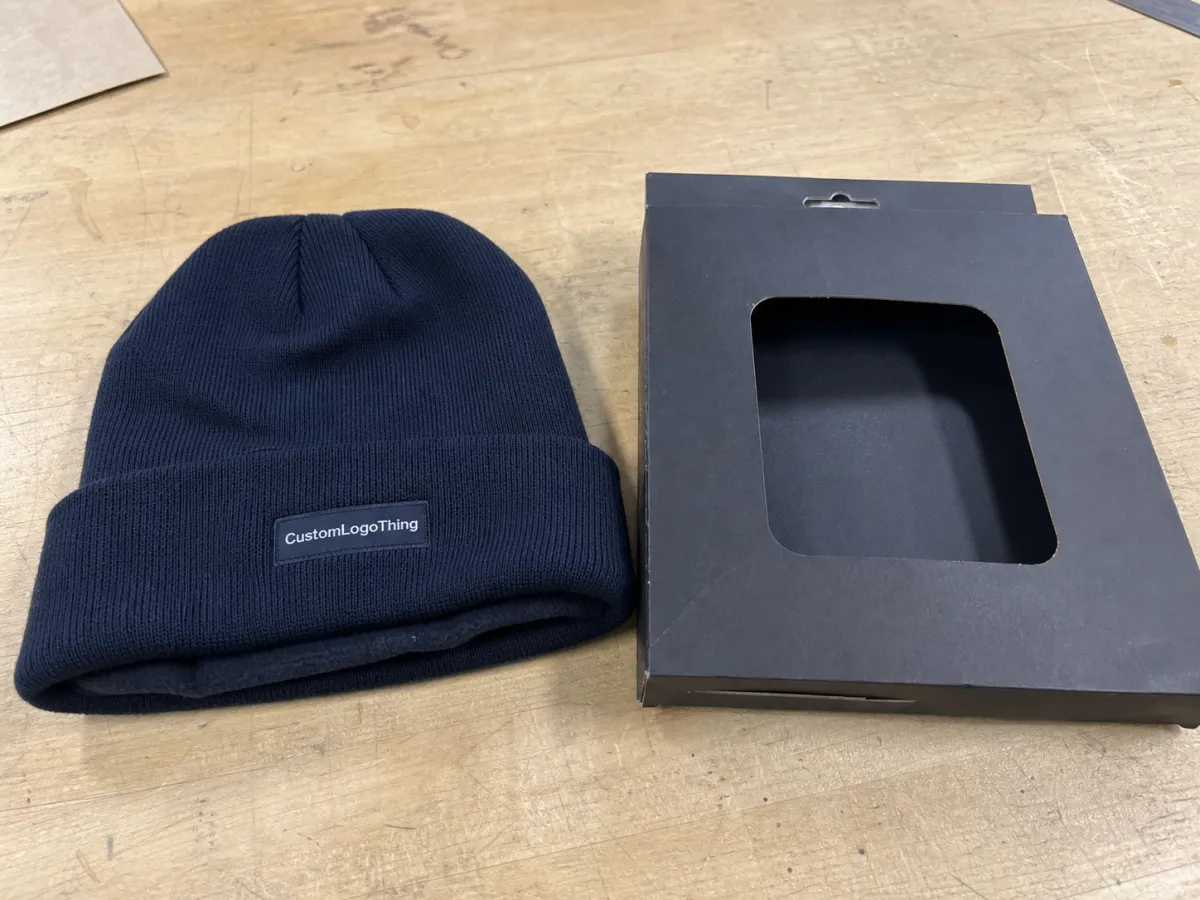
The main job is not deep-cold protection. It is steady thermal comfort that does not interfere with production. A beanie should take the edge off cold rooms and morning setup, then release enough heat that staff do not feel trapped once the line warms up. Too much loft can hold moisture, and moisture becomes the thing people complain about after two hours on shift.
That is where fleece-lined headwear differs from a regular knit cap. The inside has to feel soft against the skin, but the profile still needs to stay low under movement, hair restraint rules, and standard hygiene checks. Buyers often underestimate how much a hat fails if it presses at the forehead, rides up when the wearer bends down, or twists after a few hours. One loose fit can turn into constant adjustment, which is exactly what operators do not want during production.
From a procurement angle, the useful checklist is short and practical:
- Comfort through a full shift, not just a quick try-on.
- Fit that stays stable during lifting, bending, and fast movement.
- Washability that matches the bakery’s actual laundry process.
- Appearance that stays clean after repeated use.
- Reorder control so replacements match the original batch.
“A sample can feel warm and soft in the meeting room, then fail on the line if it traps heat, pills early, or stretches out after a few wash cycles.”
The strongest programs are built around the shift, not the showroom. That is the difference between a hat that gets worn every day and one that ends up in a locker drawer after week one.
How the Shell, Fleece, and Stitching Work Together
Think of the beanie as a small system. The outer shell gives structure, color, and most of the wear resistance. The fleece lining determines how the hat feels against the skin and how much warmth it gives. Stitching, edge finishing, and crown shaping decide whether the beanie rebounds after stretching or slowly turns into a sloppy cap with pressure points.
For the shell, common options are acrylic, polyester, or acrylic-poly blends. Acrylic usually gives the familiar knit look and a fair warmth-to-price balance. Polyester tends to hold color better and can be a stronger choice when the uniform program expects frequent laundering. Blends can work well too, but only if yarn quality and knit density are controlled. If embroidery is planned, the shell needs enough body to hold the logo without distorting.
On the lining side, buyers usually see brushed fleece, anti-pill fleece, or tighter microfleece. Brushed fleece feels plush, but if the finish is weak, it can pill quickly and make the hat look older than it is. Anti-pill fleece is often the safer uniform choice because it holds its appearance longer. Microfleece is thinner and less bulky, which can help in warmer bakeries or in operations where staff move between very different temperature zones.
Stitch quality matters more than many spec sheets admit. Dense overlock stitching, smooth crown construction, and a clean edge finish help the hat recover after stretch and reduce sore spots at the seam line. Uneven stitching can twist the beanie after washing or make it sit strangely under a hood or hair restraint. That kind of flaw is easy to miss in a single sample and hard to ignore after distribution.
Good construction also limits slippage. In bakeries, people put hats on and off between tasks, or tuck them under other PPE. A beanie that stays put saves seconds every time, and those seconds add up across an eight- or ten-hour shift.
Fleece-Lined Beanies Material Spec Guide for Bakery Procurement
This is where the quote gets serious. A strong Fleece Lined Beanies material spec guide for bakery procurement should describe the product clearly enough that two suppliers cannot interpret it two different ways. Vague language is how buyers end up with one sample that feels like a promotional item and another that behaves like a real work uniform. The price changes too, usually for reasons nobody enjoys discovering after the sample round.
For most bakery programs, the spec should spell out these points:
- Shell fiber: acrylic, polyester, or a defined blend ratio.
- Fleece type: brushed, anti-pill, or microfleece.
- Fleece weight: often around 180-220 gsm for balanced warmth.
- Stretch recovery: enough to return to shape after all-day wear.
- Shrinkage: controlled after repeated laundering.
- Colorfastness: so black stays black and navy does not fade unevenly.
- Low-lint performance: especially helpful around food areas and dark uniforms.
- Decoration method: embroidery, patch, woven label, or blank.
Anti-pill fleece is usually the safer call if the hats will rotate regularly. That is not just about looks. Once pilling starts, the beanie reads as worn out even when the fabric still has life left, and the whole uniform program starts looking less controlled. For high-volume operations, that visual wear becomes a real cost because replacement comes sooner.
Decoration deserves the same level of detail. Embroidery is common, but the stitch count has to suit the knit structure. A dense logo can pull a softer shell out of shape, while a smaller mark tends to sit cleaner and age better. If the bakery wants the same hat across multiple locations, ask for a sample with the exact thread colors, placement, and backing before production starts. A logo proof on paper is not enough.
Packaging is worth defining too, especially if the beanies ship with other facility supplies. Some buyers want hats packed in corrugated cardboard cartons with tissue or kraft separators so they arrive clean and easy to sort. Others prefer recycled packaging or post-consumer waste mailers for internal distribution. If the broader procurement program also includes bakery packaging such as FSC certified cartons or biodegradable wraps, keep the garment spec separate from the shipping spec so the performance requirements do not get muddled with transit presentation.
For freight handling, ISTA standards are a useful reference point for shipped goods: ISTA. If your operation tracks packaging sourcing more closely, FSC certification is a straightforward label to request: FSC.
| Option | Typical Unit Price | Best For | Notes |
|---|---|---|---|
| Blank stock beanie | $2.10-$3.40 | Fast replacement, limited branding | Lowest setup, fastest availability, fewer color controls |
| Embroidered custom beanie | $3.25-$5.75 | Standard bakery uniform programs | Usually better for ongoing reorders and team identification |
| Custom-color or custom-knit program | $4.80-$8.50 | Multi-location branding, tighter identity control | Higher MOQ, longer lead time, stronger consistency requirements |
Price alone can mislead. A slightly higher-cost hat that survives repeated washing, keeps its shape, and reorders cleanly is often the better value over a season of use. That is especially true in bakeries, where uniform wear is not occasional. It is constant.
Cost, Pricing, and MOQ Basics for Buyer Quotes
Beanie pricing moves quickly with fabric choice, decoration complexity, and quantity. A plain stock hat can be priced very differently from a custom embroidered version with branded labels and color-matched thread. If the buyer wants a specific shell color, the unit price often rises because dye lots and inventory constraints narrow the supplier pool.
MOQ, or Minimum Order Quantity, is one of the numbers that decides whether a quote is actually usable. A vendor may offer a good price at 1,000 pieces, but if the bakery only needs 150 hats for a pilot or a small site, the unit cost can jump enough to change the decision. That is not a bait-and-switch; it is how setup, yarn allocation, and decoration time get spread across fewer items.
Ask for a quote breakdown that includes:
- Base unit cost
- Decoration or embroidery setup
- Sampling and revision charges
- Freight or delivery cost
- Rush fees, if any
- Reorder pricing at the next quantity break
The cheapest hat is not always the lowest-cost program. If low-grade fleece pills early or the shell loosens at the cuff, the bakery replaces it sooner and spends more over time. That replacement cycle matters more than a small difference in purchase price. In uniform buying, total wear cost usually tells the story better than the sticker price.
For larger bakery groups, it helps to compare at two or three quantity breaks. Quotes at 100, 500, and 1,000 pieces can show whether the supplier is pricing fairly across volume levels. That also helps if the business expects store openings, seasonal staffing changes, or regional replenishment later in the year.
Process and Lead Time: From Sample to Shipment
A clean buying process keeps the order from drifting. Start with the spec, then move to samples, then artwork approval, then production, then inspection, then shipment. The weak point is usually not the product itself. It is the handoff between stages, especially when someone approves a sample before checking the decoration placement against the actual uniform standard.
Sample turnaround and bulk production are different timelines. A stock sample may arrive quickly, while a decorated sample takes longer if the supplier has to set up thread colors, labels, or a custom patch. Once approved, bulk production often lands in the 12-20 business day range for standard orders. Custom colors, higher embroidery coverage, or material sourcing issues can push that longer. Freight may add a few more days depending on destination and shipment method.
Typical delay points look familiar once you have seen enough quotes:
- Artwork revisions after the first proof.
- Color matching if the bakery wants a specific brand shade.
- Stock shortages for the shell or lining fabric.
- Sampling cycles when the first fit is not quite right.
- Inspection delays if the buyer requests extra QC checkpoints.
That last point matters. A bakery does not need the same inspection depth as a food contact item, but the uniform still has to be clean, consistent, and packed correctly. If the order ships with other facility supplies, ask for carton labels that make counts and sizes easy to verify at receiving. It saves time and avoids unnecessary back-and-forth with warehouse staff.
For seasonal programs, a little extra calendar margin helps. Winter ramp-up, new store openings, and staffing changes can turn a normal lead time into a problem very quickly. Buyers who order earlier usually get better proof control and less pressure during final approvals.
Step-by-Step Spec Check for Bakery Uniform Buyers
Start with use case, not color. Is the beanie for cold room work, packaging, delivery prep, or all-day indoor wear? A hat that feels right for freezer pulls may be too warm for a line near ovens. The work zone should drive the spec, because the wrong thermal profile is the most common reason staff complain later.
Next, check fit on real people. Try the sample over the kind of hair coverage your team actually uses, then look for stretch recovery, ear coverage, and slippage after a full work period. Five minutes in a meeting rarely tells the full story. Have someone wear it through bending, moving, and repeated on-off use to see whether the cuff stays stable and whether the lining shifts.
Then wash it the way the bakery washes. If the actual process uses hot water, commercial detergent, and tumble drying, do not test with a gentler routine just because it is convenient. The beanie should be judged under the same conditions it will see in the laundry room. That is how you catch shrinkage, puckering, fading, and pilling before the order scales up.
Finally, confirm branding and reorder details. Decoration placement, thread color, label spec, and size range should be locked before production. If the bakery operates multiple sites, document the exact style name and supplier SKU so future reorders stay consistent. That one habit prevents a lot of “close, but not the same” conversations months later.
Simple approval checklist:
- Match the beanie to the actual work zone.
- Test fit on staff who will wear it daily.
- Wash according to the real laundry process.
- Approve decoration placement and thread color.
- Record the final spec for reorder use.
If your bakery also buys shipping and display supplies, keep the apparel spec separate from the packaging spec. A procurement team may order corrugated cardboard shippers, kraft paper wraps, or recycled materials for product presentation, while the uniform order needs its own wear, wash, and fit criteria. Mixing those files tends to create confusion, especially when someone is trying to save time by copying old notes into a new PO.
Common Mistakes That Cause Returns or Reorders
The most common mistake is choosing a beanie that feels great in a cold sample room but becomes too warm on the line. Warmth is useful, but a bakery is not a ski resort. If staff move quickly, the hat needs enough insulation to protect against chill without trapping so much heat that it becomes distracting by mid-shift.
Weak wash testing is another expensive error. A hat can look polished on arrival and still distort, pill, or lose elastic recovery after a few wash cycles. Once that happens, the uniform starts to look inconsistent, which is exactly what procurement is trying to avoid. A few extra sample washes are cheap compared with a full reorder.
Vague specs create quote problems. If the buyer does not state fleece weight, fiber content, decoration method, or shrinkage expectations, the supplier has to guess. Guessing leads to apples-to-oranges pricing, and the order often arrives with surprises the buyer did not want. The quote should be tied to a written spec, not a loose conversation.
Reorder planning gets ignored more often than it should. If the bakery expands locations, the original hat may no longer be available, or the dye lot may shift just enough to look off next to the older stock. That is especially noticeable with dark colors, where slight differences show under kitchen lighting. Locking the style early and saving a sample reference prevents that problem.
One more issue: overdecorating a small beanie. Large patches, dense embroidery, or stiff labels can make the hat less comfortable and can distort the knit over time. On a garment this small, restraint usually looks more professional than trying to force the whole brand identity onto the front panel.
Expert Tips and Next Steps for a Cleaner PO
If I were building a bakery uniform program from scratch, I would ask for both decorated and undecorated samples. That side-by-side view tells you a lot. The undecorated version shows the true hand feel and fit, while the branded version shows whether the logo sits cleanly without pulling the knit. It is a small step that prevents a lot of disappointment later.
I would also lock a one-page spec sheet before ordering. Keep it plain and practical: shell fiber, fleece type, fleece weight, fit, color, wash instructions, decoration method, target lead time, and reorder quantity. That sheet becomes the source of truth when different people join the buying conversation later, and it reduces the risk of “same order, different understanding.”
For quoting, compare total landed cost rather than just the base unit number. Add freight, setup, sample cost, and the likely replacement rate over time. Then check that every vendor is actually quoting the same spec, because even a small shift in fleece weight or lining type can change both comfort and price.
Used well, this Fleece Lined Beanies material spec guide for bakery procurement keeps the process grounded in the details that matter: fit, wash durability, color consistency, and lead time. That is what helps a buyer request better samples, approve with confidence, and place a cleaner purchase order the first time.
What fleece weight works best for bakery beanies?
Mid-weight fleece usually gives the best balance for cold rooms, prep lines, and general back-of-house wear. Lighter fleece can work better if staff move between freezers, mixers, and warmer packaging areas. Ask for samples, because pile density and finishing affect comfort as much as the gsm number on the sheet.
Are fleece-lined beanies suitable for bakery food areas?
Yes, if the style fits the bakery’s hygiene rules and does not shed fibers during normal wear. Low-lint materials, secure seams, and controlled wash shrinkage matter here. It also helps to confirm whether the hat is intended for open production, cooler work, or back-of-house only before you buy.
How do I compare unit cost for bakery procurement?
Compare blank cost, decoration, freight, setup, and replenishment pricing together instead of looking at one line item. Check MOQ breaks, because lower quantities usually push the unit price up. Then factor in wash durability so a cheaper hat does not turn into a higher replacement cost later.
What lead time should I expect for custom fleece-lined beanies?
Blank stock can move faster than fully decorated or custom-colored programs, so ask for each timeline separately. Request sample turnaround, bulk production time, and freight timing as three different checkpoints. Build in extra time for artwork approval, since revisions usually add days to the schedule.
What should be on a bakery beanie spec sheet?
Include shell fiber, fleece type, fit, size range, decoration method, and washing instructions. Add color standards, sample approval criteria, and reorder quantities so future quotes stay consistent. State the exact bakery use case so sourcing and production teams are quoting the same item.


