Bakery packaging gets judged fast. A bag that looks cloudy, greasy, or flimsy can make a good product feel like a bargain-bin item, which is why frosted Zipper Bags for Bakeries Wholesale pricing comes up so often in buyer conversations. The frosted finish hides fingerprints, flour dust, and the little smudges that show up as soon as people start handling product, while still letting the cookie, pastry, or snack mix do the selling.
For bakeries, these bags sit in a useful middle ground. They look more polished than plain clear poly, but they do not hide the product the way an opaque pouch would. That matters for cookies, brownie bites, sliced loaf pieces, granola clusters, and sample packs. You get resealability, shelf appeal, and a cleaner retail look without paying for a rigid carton. The catch is simple: frosted zipper Bags for Bakeries wholesale pricing depends on size, thickness, print coverage, zipper style, and quantity. Ignore those variables and the quote you get will not help much.
Frosted Zipper Bags for Bakeries Wholesale Pricing: What Buyers Notice First
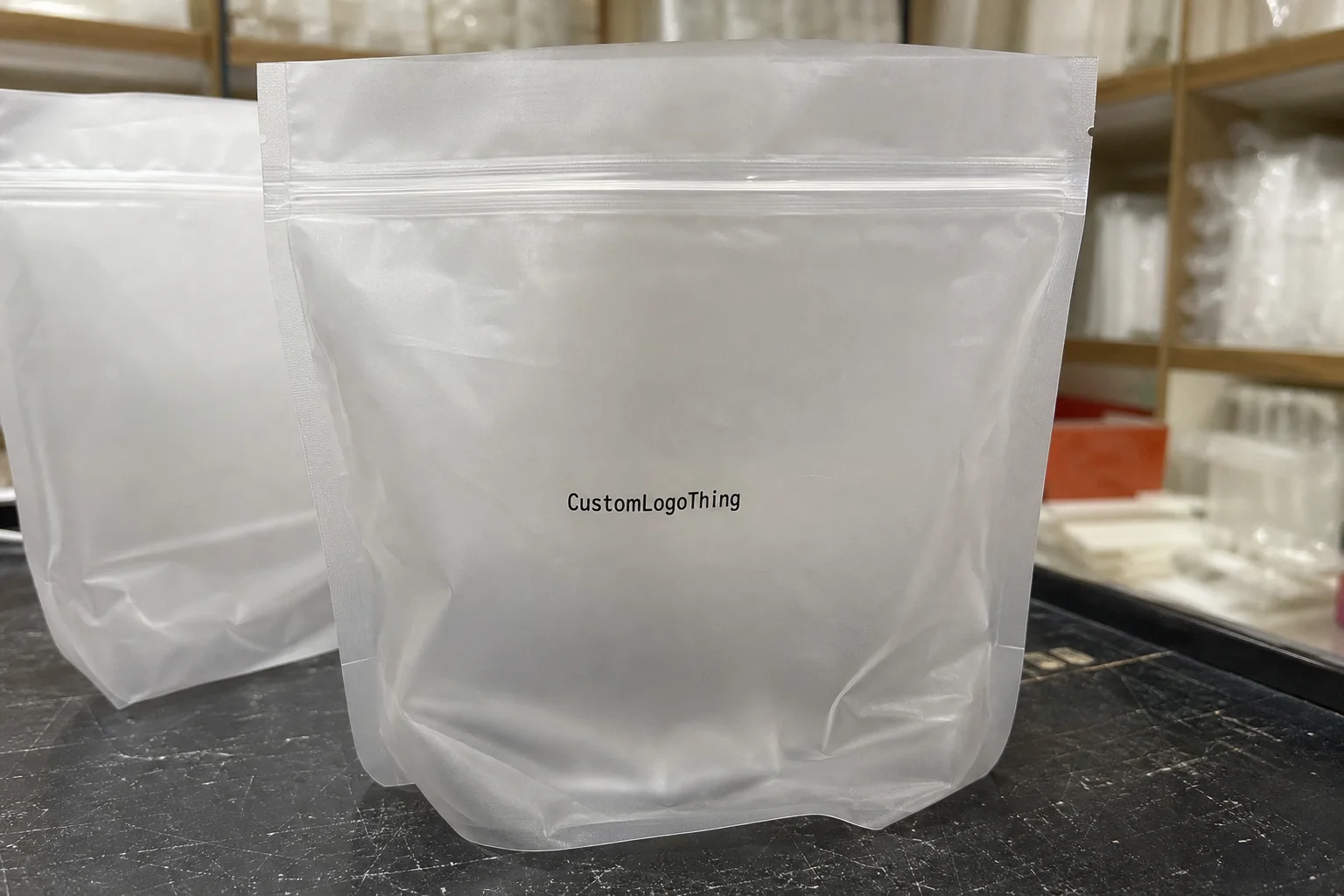
Buyers usually notice three things first: how the bag looks, how it feels in hand, and whether the closure behaves like a real retail pack or a cheap afterthought. Frosted film has a soft matte appearance that reads as premium without being fussy. It also does a better job of masking the mess that bakeries live with every day. Powdered sugar, butter marks, and tiny crumbs are less obvious on frosted film than on plain clear bags. That alone can make a product line look cleaner across an entire display.
The next point is product fit. These bags are useful for dry bakery items that need a tidy reseal, especially cookies, pastries, snack mixes, biscotti, bread slices, and small sampler packs. A good zipper lets customers open, close, and store the product without forcing the bakery to move into a rigid container. That is a real selling point for small-batch brands, farm shops, and counter-service bakeries that want retail-ready packaging without jumping to a box or jar.
From a packaging buyer’s point of view, frosted zipper Bags for Bakeries wholesale pricing is not just a number on a quote. It is the balance between appearance, shelf life, and margin. If the bag supports the product, protects texture, and holds up through handling, the unit cost makes sense. If it looks nice but tears, loses zipper integrity, or prints badly, the bag is too expensive at any price.
In practice, the biggest price swings come from:
- Size, because larger bags use more film and more print area.
- Material build, since frosted PE, PET blends, and laminated structures price differently.
- Print coverage, especially if you need white ink or full-color art on a frosted surface.
- Order volume, because setup cost gets spread out over more units.
There is also a practical issue that rarely shows up in a sales sample: how the bag handles on a filling line. A smooth zipper that opens easily is useful, but a bag that is too slick can be harder for staff to load in a hurry. Small details like that matter once a bakery is packing hundreds or thousands of units in a week. The best-looking pouch is not always the best-working one.
Film, Closure, and Bakery-Friendly Features That Matter
Not all Frosted Zipper Bags are built the same. That is where many buyers lose money. A basic frosted PE bag works well for lighter bakery items and sample packs. PET blends bring a little more clarity and stiffness, which can help if you want the product to stand up a bit better on shelf. Laminated options add strength and a more refined feel, but they also raise cost and usually make more sense for higher-value product or heavier fills.
The closure matters just as much as the film. A standard press-to-close zipper is the most common choice because it is simple and familiar. Some bakery programs add a tear notch so the bag opens cleanly on the first use. Others want a heat-seal top for tamper resistance, then a zipper below for repeat opening. Hang holes are useful for peg display, and gussets are useful when the product is thicker, puffier, or stacked in the bag instead of laid flat.
Grease resistance is another detail that gets ignored until the first complaint lands. Cookies and butter-based pastries can leave visible residue, so the film should be selected with that in mind. Odor resistance matters too, especially for flavored baked goods and snack mixes. If the bag smells like manufacturing chemicals, that is not a branding issue. It is a problem.
For food-contact work, ask for the material declaration and ink system details instead of assuming every frosted film is automatically suitable. If the bakery ships packed product in cartons that need transit protection, I also like to see testing aligned with ISTA packaging test methods. For broader material and compliance references, packaging.org is a useful starting point.
One more point. If the outer shippers use paperboard, FSC-certified board is easy to specify and usually not hard to source. Small detail, real credibility.
Another small but useful check: inspect zipper engagement on random samples, not just the top bag in the master carton. A zipper that feels fine once can start dragging or separating when the lot is underfilled, overfilled, or packed too cold. That kind of inconsistency is hard to spot on a proof and easy to notice after delivery.
Sizes, Thickness, and Print Specs for Bakery Orders
Bag size should follow the packed product, not the raw baked item. That sounds obvious, yet people still order to the cookie diameter and then wonder why the zipper line sits too tight. Small flat pouches usually fit macarons, single cookies, mini pastries, or sample portions. Medium sizes work for brownie packs, cookie sets, and snack mix. Larger gusseted formats are better for sliced loaf bread, rolls, and multi-piece assortments that need depth.
Thickness matters more than most buyers expect. Thin film can feel cheap and collapse in hand, which weakens shelf appeal. Overbuilt film can drive cost up without adding much value if the bakery product is light. A lot of bakery runs sit in the middle range, around 3 to 5 mil equivalent for lighter packs and 5 to 6 mil when the pack needs more structure. That is not a universal rule. It depends on product weight, handling, and whether the bag needs to stand on a shelf or simply seal neatly in a shipping box.
Print setup also changes the quote. One-color logos are easier to run and usually make sense for cleaner, lower-volume branding. Full-color artwork looks stronger on retail shelves but adds cost, especially on frosted film where white ink may be needed to keep colors legible. If the logo is close to the seal or zipper, leave safe margin. Tight art near the top edge is where a lot of first-time buyers create unnecessary problems.
A practical artwork checklist keeps the proofing round short:
- Vector files in AI, EPS, or PDF format.
- Pantone references for brand colors.
- Barcode placement and quiet zone.
- Any ingredient, allergen, or net weight copy.
- Clear distance from zipper, tear notch, and seal areas.
If you are matching an existing pack, send a photo with a ruler or known dimension. It saves time and reduces bad assumptions. That is where the cleanest custom work usually starts.
Two specs deserve extra attention because they are easy to miss in a first quote. First, the zipper line should sit high enough to preserve the opening width after filling, especially on broader bakery items. Second, print registration should be checked against the bag’s curve and gusset shape. Artwork that looks centered on a flat proof can drift once the pouch is filled and folded. That is normal, but only if it was planned for.
Wholesale Pricing, MOQ, and Unit Cost Drivers
Here is the simple version: the more custom the bag, the higher the minimum and the higher the setup burden. Stock-style unprinted frosted zipper bags are easier to source at lower quantities. Fully custom printed bags ask more of the factory and usually require a higher MOQ to make the run worthwhile.
For planning purposes, these are realistic wholesale ranges buyers often see:
| Option | Typical MOQ | Typical Unit Cost | Best Fit |
|---|---|---|---|
| Unprinted stock frosted zipper bag | 500 to 2,000 | $0.08 to $0.18 | Test runs, small bakery launches, refill packs |
| One-color custom print | 3,000 to 10,000 | $0.18 to $0.32 | Core bakery line, simple branding, repeat SKUs |
| Full-color custom print with white ink | 5,000 to 20,000 | $0.28 to $0.55 | Retail display packs, premium gifting, strong shelf impact |
Those numbers move. A smaller bag, lighter print, and simpler zipper can pull the cost down. A large gusseted pouch with heavy print coverage and a special closure pushes it up fast. That is why frosted zipper bags for bakeries wholesale pricing should always be quoted from actual specs, not a vague “we need bakery bags” message.
Common cost drivers include:
- Bag dimensions and gusset depth.
- Film structure and thickness.
- Zipper style and whether a tear notch or hang hole is included.
- Print colors, especially white ink and full coverage.
- Tooling or setup for custom print plates or cylinders.
- Freight method, because packaging is bulky and shipping is rarely free.
The cheapest bag is the one that still protects the product, prints cleanly, and reorders without drama. Anything else is just cheap in the wrong direction.
Sample charges, plate fees, rush production, and holiday demand can all change the quote. If your bakery launches seasonally, build in some buffer. Nothing feels clever about paying rush freight because someone approved art late.
There is also a hidden cost in rejected inventory. If the print is off by a few millimeters or the zipper feels inconsistent, the bag may still be technically usable but not retail-ready. That is where a low unit price stops mattering. Bakery buyers who reprint less often usually do it by tightening the proof stage, not by chasing the lowest line item.
Production Steps and Lead Time for Custom Bakery Bags
A clean order follows a predictable flow. First comes the quote request. Then the supplier confirms dimensions, material, zipper style, and print details. After that, artwork is reviewed and a proof is issued. If the project needs a sample, that step comes before production. Once the proof is approved, the run moves into manufacturing, inspection, packing, and shipping.
Lead time depends on how simple the order is. A repeat reorder with locked specs is often faster because there is no guesswork. A first-time custom print job usually takes longer because artwork, color, and layout all need to be checked. For many bakery bag projects, I would expect roughly 12 to 15 business days from proof approval for a standard run, then more time for freight. Complex prints, special closures, or large quantities can push that further out.
The real delays usually come from the buyer side, not the factory side. Missing dielines, low-resolution art, unclear dimensions, or late proof comments can stall an order for days. So can changing the zipper style after the quote is already approved. That kind of back-and-forth is expensive because it breaks the production schedule.
Bakery seasonality matters too. Holiday assortments, spring launches, and gift packs all create demand spikes. If the packaging needs to hit shelves before a sales push, order earlier than you think you need to. Packaging is not the place to improvise the week before launch.
For buyers comparing options inside a broader custom program, the Wholesale Programs page is the right place to start, and the main Custom Logo Things packaging catalog helps if you want to compare related formats before locking the bag spec.
One practical caveat: production time can look short on paper and still stretch if the order includes special color matching or multiple SKUs packed under one program. The more variations you add, the more points there are for a mismatch. Consolidating sizes and print versions usually speeds up the run and makes reorder planning easier.
Why Buyers Keep Reordering the Same Bakery Packaging
Reorders are where packaging suppliers prove whether they were paying attention. Buyers keep coming back when the frosted finish is consistent, the zipper closes cleanly, and the print lands in the same place every time. That sounds basic because it is. Consistency is not glamorous, but it is what keeps a bakery line from looking like it came from three different vendors.
Quality control matters at the unit level and at the batch level. Seal strength should hold up under handling. Zipper engagement should feel the same from one lot to the next. Color should stay close enough that the brand does not drift from one shipment to another. If your product line includes multiple SKUs, the bags need to behave like a system, not a series of almost-matching guesses.
Experienced buyers also care about Packaging That Fits bakery workflows. If the crew is portioning cookies into retail packs, the opening needs to be easy to load. If the pack is going into display, the front panel should stay clean and readable. If the bakery ships in bulk cartons, the outer case needs to protect the light product load without crushing the bag edges. That is why some buyers stick with a supplier who understands bakery use cases instead of one who only knows generic pouches.
Support matters too. Fast reproofs, clear records on previous specs, and practical advice when a run scales from a few hundred units to a larger wholesale order save time. The supplier does not need to be poetic. They need to remember the spec and keep the order from drifting.
That is also where the economics improve. Repeat orders usually price better because the artwork is already approved and the setup is already paid for. If the first run was done properly, frosted zipper bags for bakeries wholesale pricing gets more efficient on the next order without changing the pack itself.
One more reason buyers reorder the same format: training time. Staff know how the bag opens, fills, seals, and stacks. Changing the pouch every season can look fresh on paper, but it can also slow packaging lines and introduce errors. A stable structure often outperforms a prettier one that keeps changing.
What to Send for a Fast Quote and Clean Proof
If you want a useful quote, send the facts the first time. Not half of them. Bag dimensions, product type, target quantity, print colors, zipper style, finish preference, and shipping destination should all be on the initial request. If you already know the fill weight or the expected retail display format, include that too. It helps the quote reflect the actual use case instead of a generic pouch guess.
Artwork should be vector format whenever possible. If you have brand standards, send them. If the pack needs barcode space, say so. If you are trying to match an existing bag, include a photo and the old spec sheet if you have it. That is the cleanest way to avoid proof revisions that chew up time.
Before you ask for samples, make the core decisions. Otherwise the sample is just a moving target. You waste time and the numbers keep changing. A better process is simple:
- Confirm the bag size and closure style.
- Choose the material and frosted finish level.
- Lock the print scope and brand colors.
- Approve the target quantity and delivery window.
- Request the quote and proof from the same spec set.
That approach saves back-and-forth and gets you to a cleaner proof faster. It also makes the wholesale pricing more honest, because the supplier is quoting the real build, not an imaginary one.
If you are comparing options for a bakery line that includes more than one format, keep the spec sheet tight and consistent. The bag dimensions, fill weights, and artwork placement should all be part of the same conversation. Fragmented input is how mismatched packaging programs happen.
If you are ready to compare options, request frosted zipper bags for bakeries wholesale pricing with exact dimensions, print requirements, and target ship date. That is the fastest path to a quote that is actually useful on the first pass.
What size frosted zipper bag works best for bakery cookies and pastries?
Use smaller flat pouches for single-serve cookies, macarons, or pastry sets, and move up to gusseted bags when the item needs more depth. The right size is the one that matches the final packed fill, not just the baked item itself.
What MOQ should I expect for frosted zipper bags for bakeries wholesale orders?
MOQ depends on whether the bags are printed, unprinted, stock-sized, or fully custom, but printed runs usually need a higher minimum than plain inventory bags. Send dimensions, print coverage, and quantity target together so the quote is based on the real build.
Are frosted zipper bags safe for direct bakery food contact?
They can be, but the material, ink system, and production method all need to be confirmed for food-contact use. If the bakery is packing direct-contact items, ask for the compliance details before approving the order.
Can I print my logo on both sides of frosted zipper bags?
Yes, double-sided print is possible on many builds, but it usually increases setup complexity and affects unit cost. If budget matters, put the logo on the main selling side first and use the back side for barcode, ingredients, or required copy.
How long does production usually take for custom bakery zipper bags?
Simple reorders move faster than first-time custom jobs because the proof and specs are already locked. Lead time depends on artwork approval, print complexity, and shipping method, so bakery buyers should build in time before peak sales periods.


