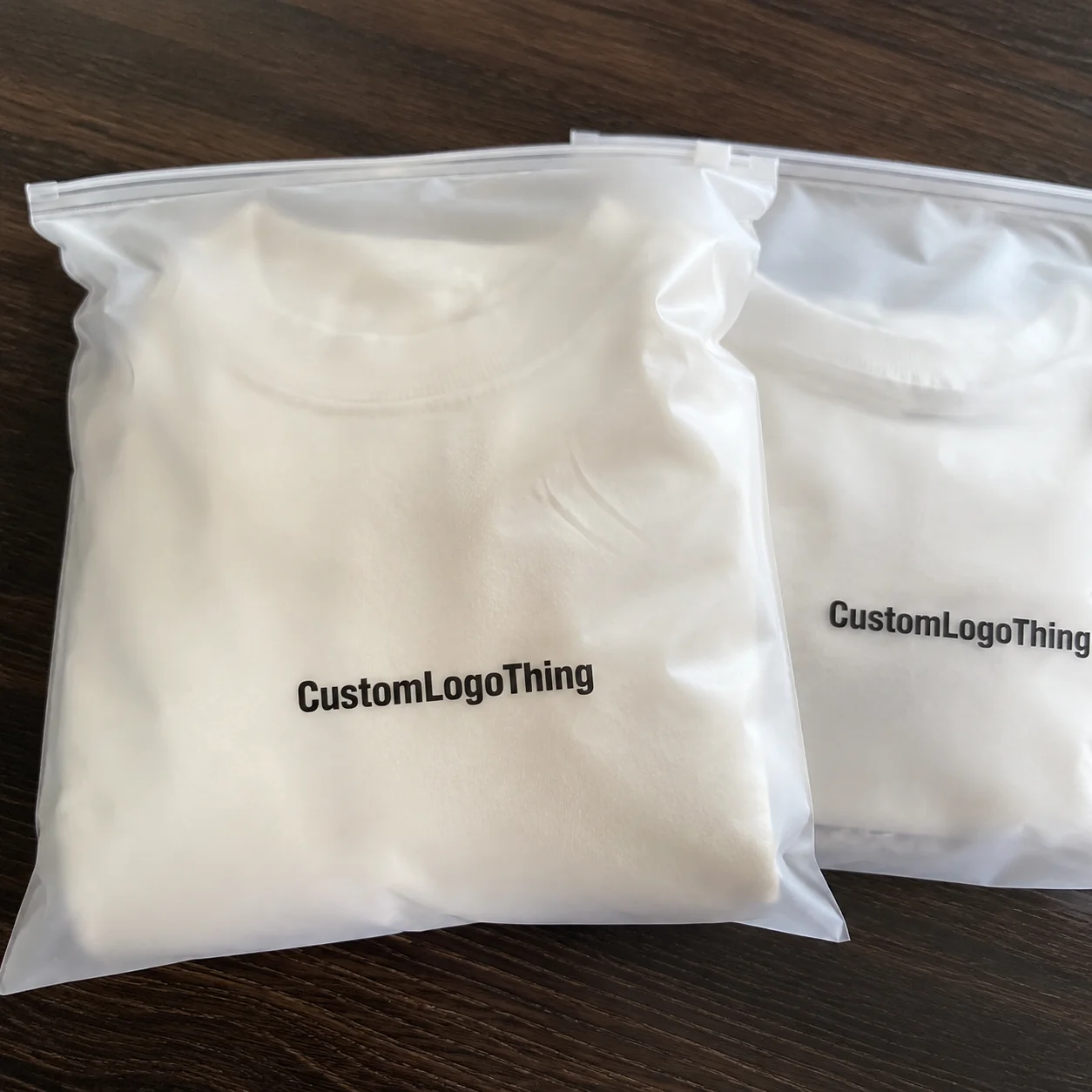
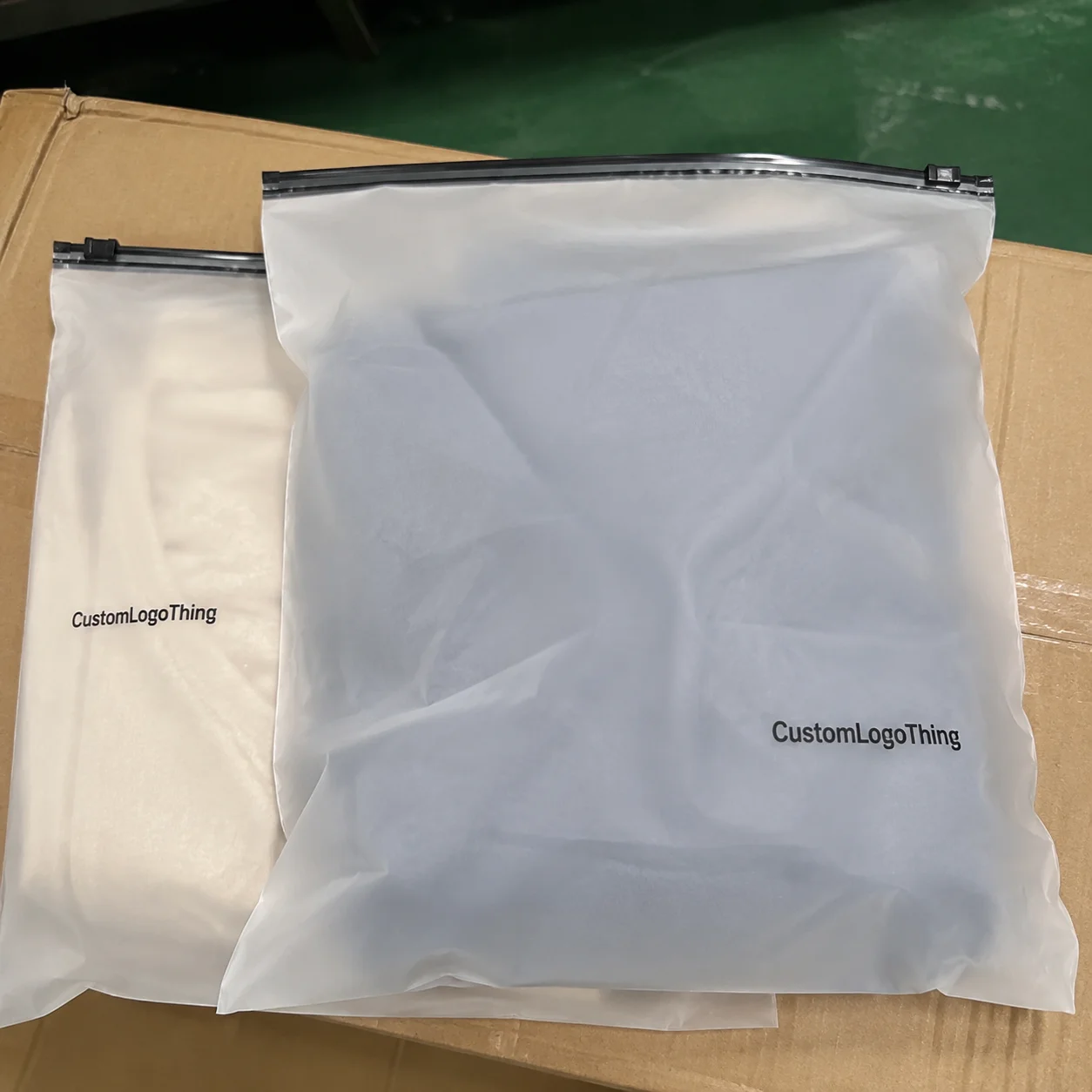
Outdoor brands usually need packaging that looks clean, protects the product, and stays within margin. That is why Frosted Zipper Bags for outdoor brands unit cost is worth evaluating as a real spec decision, not just a procurement line item. The bag affects presentation, fulfillment, storage, and often the customer's first physical impression of the brand.
Frosted Zipper Bags sit in a practical middle zone. They look more refined than plain Clear Poly Bags, but they are simpler and usually cheaper than rigid packaging. For socks, trail snacks, repair kits, glove inserts, accessory packs, or small apparel items, they often deliver the right balance of appearance, protection, and cost. The economics only work when the specs stay disciplined.
Small changes matter. Thickness, print method, size, zipper style, and special features can move the quote enough to change the packaging plan. Once the specification is set correctly, though, the bag is predictable to produce and easy to use. That predictability is where the value sits.
Why frosted zipper bags fit outdoor products
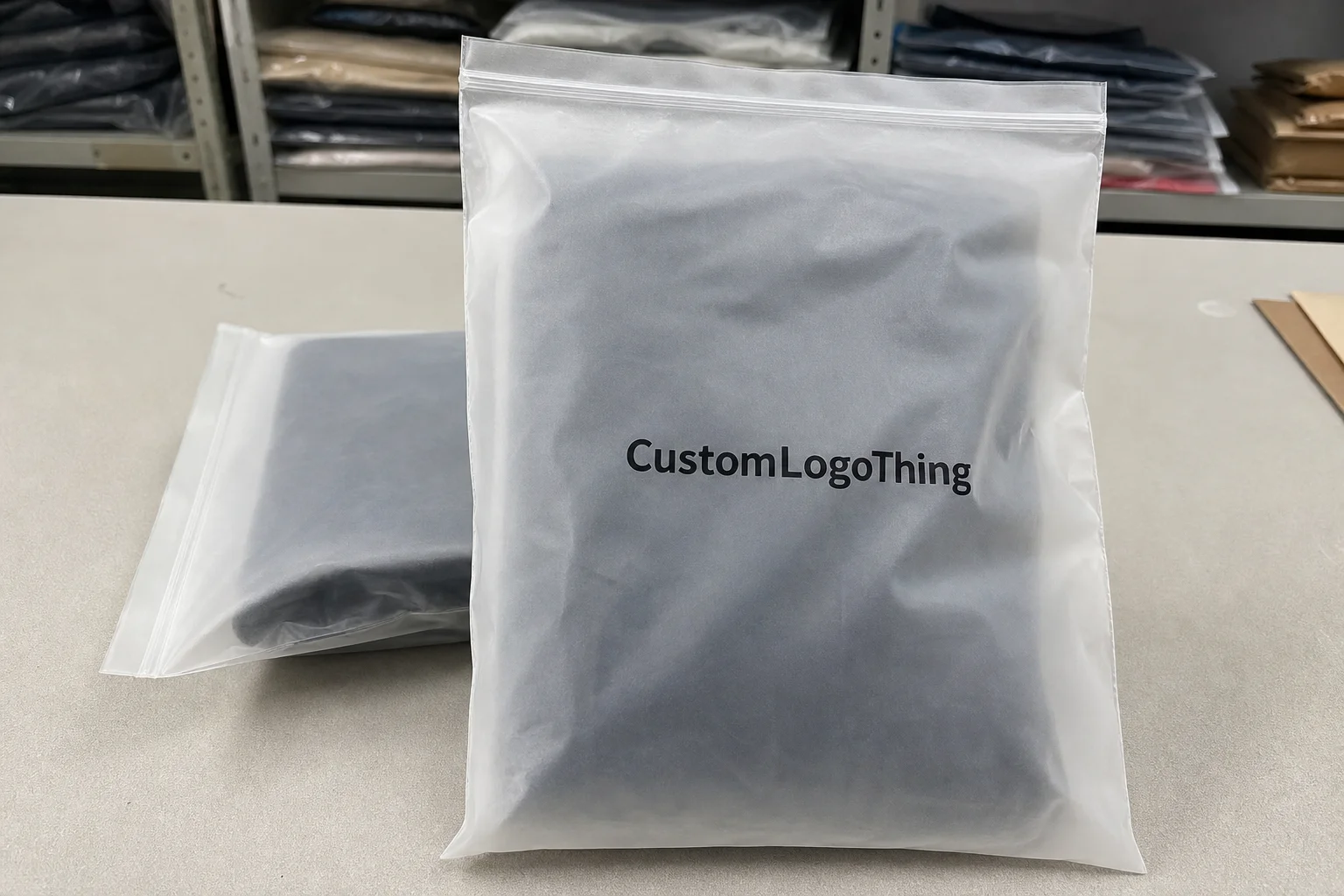
Outdoor products get handled often. They move through warehouses, retail shelves, backpacks, event kits, and sometimes a customer’s glove box or pack pocket. Packaging has to survive that path without looking worn after one touch. Frosted Zipper Bags work because they protect small items while keeping enough visibility to identify the product.
The frosted finish softens reflections, hides fingerprints, and makes the package feel more deliberate than a fully transparent bag. It also gives branding room to read clearly without competing with the contents. For outdoor brands, that restraint usually fits the category better than glossy packaging.
The zipper closure adds real utility. Customers notice when a bag can be reused for storage, travel, or organizing small gear. That practical value improves perceived quality and can justify a slightly higher unit cost if the rest of the package is efficient.
For small outdoor goods, packaging has to protect, present, and store. If one of those jobs fails, a low unit cost can turn expensive fast.
The format is useful for seasonal launches, retail drops, expo kits, and sample bundles. Those programs need packaging that feels organized without consuming budget. Frosted zipper bags fit because they are simple to pack, easy to open, and easy to reclose.
Common uses include:
- Socks and apparel accessories
- Trail snack or dry goods sampler packs
- Repair kits and spare parts
- Small gear bundles
- Promo kits and event giveaways
The same logic applies whether the bag is used for retail display or DTC fulfillment. If the product benefits from visibility and reclosure, frosted zipper bags often make more sense than an overbuilt carton or an unbranded pouch.
What actually drives print quality and shelf appeal
A frosted zipper bag is more than a bag with a zipper. Finish, gauge, closure profile, and shape all affect how the product sits and how the package reads on shelf. Those choices also affect price.
Opacity is one of the first decisions. A lighter frost shows more of the product and can work well when the contents are visually neat. A more muted frost hides irregular items better and gives the package a calmer look. If the item inside is colorful or uneven, extra opacity usually helps.
Print quality depends on both surface and artwork. Simple logos, strong contrast, and thicker type usually reproduce best on frosted film. Fine lines, tiny legal text, and complex gradients can get muddy if the print process is not chosen carefully. White ink underlay may be needed to keep brand colors bright, and that can increase cost.
These details are worth deciding early:
- Thickness: thinner films work for light items; heavier loads need more structure.
- Zip style: standard press-to-close zippers are common, but quality varies.
- Gusset: flat bags are simpler; bottom gussets improve volume and shelf stability.
- Hanging hole: useful for peg displays and retail merchandising.
- Tamper-evident seal: relevant for food, care items, and controlled kits.
For outdoor branding, clean usually beats busy. A simple logo, controlled negative space, and a size that fits the product without slack tend to look better than decorative overuse. Oversized packaging looks underfilled. A bag that is too tight wrinkles, distorts the print area, and can make the product feel compressed.
As a rule, keep the design minimal unless the contents themselves carry the story. If the product is small or visually irregular, let the frosted finish do the work and keep the branding clear. That approach also helps keep the unit cost stable because it avoids unnecessary complexity.
Specs to confirm before requesting samples
Quotes are only useful when the specs behind them are stable. If the size is still changing, artwork is still being revised, and product weight is unconfirmed, the pricing will be approximate. That is how budgets drift.
Send dimensions in width by height and state whether the bag needs a gusset. Confirm film thickness in mil or microns. For light accessories, socks, and smaller retail packs, buyers often start around 2.5 mil to 4 mil. Heavier contents, sharper edges, or repeated use may need a thicker film.
Print method matters as much as size. A simple one-color logo is usually the easiest and lowest-cost option. Two-color artwork can still work well if the design is clean. Once the artwork requires white ink, spot colors, or tight color matching, ask about the process before approving the sample.
Specs worth confirming before samples
- Exact bag size and usable internal space
- Film thickness
- Zipper type and closure performance
- Print area and artwork placement
- Artwork file format and bleed requirements
- Target MOQ and reorder expectation
- Compliance needs for food, cosmetic, or first-aid contact
If the packaging touches food or regulated items, compliance is not optional. Confirm whether the film, zipper, and inks are suitable for the intended use. General packaging standards and sustainability references from organizations such as packaging.org can help frame requirements, while broader waste and materials guidance is available from the EPA.
Order the sample in the final size. A close match is not enough. Small differences in width or height can reveal fit issues, zipper stiffness, or poor fill behavior that will not show up on a non-final sample.
Frosted zipper bags for outdoor brands unit cost: what drives pricing
The phrase frosted zipper Bags for Outdoor brands unit cost is driven by a short list of variables: size, material thickness, order quantity, print colors, zipper style, and any add-on features. Change one of those and the number moves. Change several and the quote can shift enough to affect the packaging plan.
Quantity is the biggest lever. Low volumes carry a heavier share of setup, proofing, and production prep, so the per-bag cost is higher. Larger runs spread those fixed costs over more units. If the bag is standard and the artwork is simple, the savings from moving up a volume tier can be meaningful.
Typical pricing ranges for custom printed frosted zipper bags often fall roughly into these bands:
| Order Tier | Typical Unit Cost | Notes |
|---|---|---|
| 1,000-3,000 pcs | $0.22-$0.48 per unit | More setup cost per bag; usually used for launches or testing |
| 5,000 pcs | $0.14-$0.28 per unit | A common middle ground for outdoor retail and DTC programs |
| 10,000+ pcs | $0.09-$0.20 per unit | Best pricing tends to appear here if artwork and specs stay simple |
These ranges are directional. A small bag with one bold logo can price very differently from a larger bag with a gusset, multiple colors, a hanging hole, and a heavier film. Fully custom shapes may also trigger tooling or extra setup charges. A quote should always be read as a spec package, not a single number.
The biggest cost drivers usually stack up like this:
- Size: larger bags use more material and more print area.
- Thickness: heavier films cost more and feel sturdier in hand.
- Print colors: each added color can increase setup and complexity.
- Closure and finish options: upgraded zippers, hang holes, or specialty finishes add cost.
- Quantity: the cleanest path to a lower unit cost.
For outdoor brands, the cheapest bag is not automatically the best buy. If the packaging sits beside a premium product, shaving cost while making the bag feel flimsy is a poor trade. The opposite problem happens too: some buyers specify a bag that is stronger, larger, and more decorative than the product needs, then wonder why margin disappeared.
There are a few reliable ways to lower the unit cost without hurting presentation:
- Choose a standard size instead of forcing a custom dimension.
- Keep artwork simple and avoid unnecessary color builds.
- Skip cosmetic upgrades unless they change shelf performance.
- Increase quantity if the product is likely to reorder well.
That is the practical side of pricing: not chasing the lowest headline number, but matching the spec to the job.
MOQ, quote setup, and the details that change the number
MOQ depends on the bag construction, print method, and how custom the build is. A standard printed frosted zipper bag often allows a lower MOQ than a fully custom structure. The tradeoff is straightforward: smaller orders carry a higher unit cost because the setup has fewer units to absorb it.
To get a useful quote, send the following:
- Bag dimensions
- Estimated quantity
- Artwork file or a rough layout
- Print requirements such as one color, two color, or full branding
- Delivery location or ZIP code
- Deadline and launch date
- Need for samples or dieline review
Incomplete specs slow everything down. Precise specs make the quote more credible and reduce back-and-forth. In packaging, speed usually comes from clarity, not from pushing harder.
Compare quotes on the same basis. One supplier may show a lower piece price but add more for setup. Another may include prep work in the unit price but charge more for freight. A useful budget comparison needs bag cost, setup, and shipping together.
Request pricing at more than one volume if the order might scale. Three tiers is usually enough:
- 3,000 pcs
- 5,000 pcs
- 10,000 pcs
That shows where the break-even point sits and whether moving up a tier actually improves landed cost enough to justify more inventory on hand. Sometimes it does. Sometimes it does not. Both answers are useful.
Production lead time and QC checkpoints
The usual sequence is straightforward: inquiry, quote, artwork review, sample or proof, approval, production, shipment. Problems usually appear after the first proof, when a buyer decides to shift a logo, adjust a size, or revise copy. That can reset part of the process and change cost.
For standard custom runs, lead time after approval often sits around 12 to 20 business days. More complex jobs take longer, especially if they need custom sizing, multiple print colors, or extra sample rounds. Shipping is separate. Production time and transit time should always be tracked as two different clocks.
The main approval checkpoints are worth keeping tight:
- Digital proof to confirm layout, dimensions, and print placement
- Color review to prevent screen color expectations from driving disappointment
- Sample or pre-production sign-off
- Final QC check for zipper function, seal strength, and print consistency
QC is not just a box to tick. A weak zipper makes the package feel cheap. A bad seal can lead to returns or complaints. Smudged print or registration drift can make even a good design look careless.
If the product is sensitive, regulated, or shipped through a rough distribution path, confirm the packaging requirements before production begins. For transit durability and pack-out planning, ISTA is a practical reference. Not every program needs formal testing, but it is usually cheaper to understand shipping risk before customers do.
Rush orders are possible in some cases, but they usually cost more and leave less room for revisions. If the launch date is fixed, keep the artwork simple, approve quickly, and avoid changing the brief after proofing starts.
What to check before you place the order
Before placing the order, lock five things: final size, quantity, artwork, budget range, and delivery deadline. Those decisions resolve most common mistakes. The remaining issues are usually small enough to handle without affecting the schedule.
For a new product launch, ask for a sample or dieline before bulk production. That matters most when the item is an odd shape, a mixed accessory kit, or a product that needs to sit neatly on a retail peg. If the bag looks crowded or too loose at sample stage, the production run will not improve it.
Ask for more than one quote option if the order is still flexible. A lowest-cost version and a stronger shelf-impact version can be useful for comparison. That creates a real decision framework instead of a vague "best price" claim that ignores freight, setup, and print quality.
Confirm the following before you release the order:
- Artwork is final and the print area is marked
- Bleed and trim requirements are understood
- Shipping address is correct
- Reorder expectations are documented
- Any compliance requirements have been verified
For brands that order packaging repeatedly, the best cost control usually comes from consistency. Keep the bag spec stable if the product line is stable. The more often the spec changes, the more likely the unit cost rises in small but annoying ways.
If you need a quick rule of thumb, choose the simplest bag that protects the product, supports the brand, and survives the route it will travel. Anything beyond that needs a clear reason. That discipline is what keeps the unit cost from drifting into avoidable waste.
FAQ
What affects frosted zipper bag unit cost for outdoor brands the most?
Size, thickness, quantity, print colors, and custom features usually have the biggest impact. Small runs cost more per bag because setup is spread across fewer units. Standard sizes and simple artwork usually produce the most favorable pricing.
What MOQ should I expect for custom frosted zipper bags?
MOQ depends on the bag construction and print method. Standard printed bags can sometimes start lower than fully custom builds, but the unit cost rises as the quantity drops. Asking for pricing at two or three volume levels usually gives a clearer picture.
Can frosted zipper bags be printed with a logo for outdoor gear or apparel?
Yes. Logos generally print well when the design uses strong contrast and enough open space. Bold, simple artwork usually performs better than fine-detail graphics on frosted film. A proof or sample is the safest way to confirm the final look.
How long does production usually take after artwork approval?
For standard custom orders, production often takes about 12 to 20 business days after approval. More complex specifications can extend that timeline. Shipping time should be counted separately from manufacturing time.
What should I send to get an accurate quote fast?
Send the bag size, quantity, artwork file, print requirements, and delivery destination. Include the deadline and whether you need samples or a dieline review. Clear specs usually lead to faster replies and a more reliable unit cost.