Frosted Zipper Bags Unit Cost Breakdown to Quote Smarter
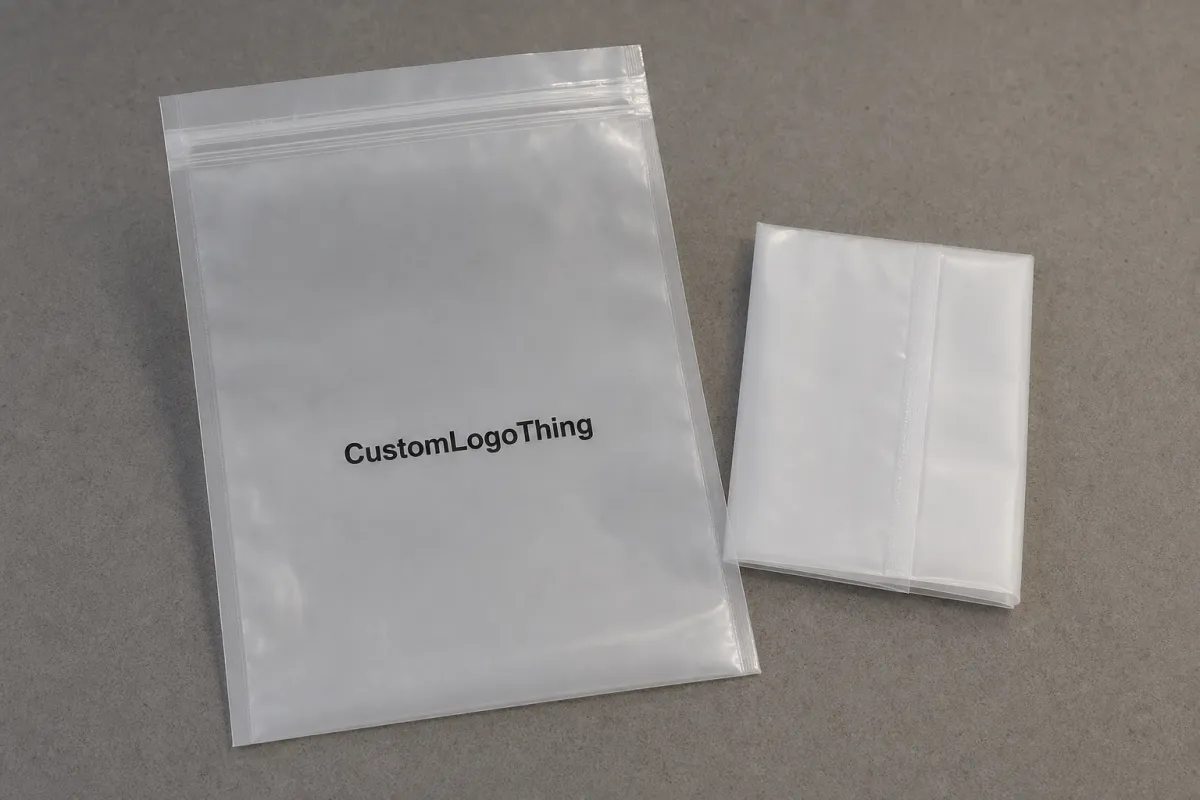
The Frosted Zipper Bags unit cost breakdown is less about finding the lowest price and more about understanding what is included. Two quotes can look similar and still be built on different assumptions about thickness, zipper style, decoration, packing, and freight. If those inputs are not aligned, the comparison is misleading.
Start with a complete spec. A vague size or a “same as last time” message often produces pricing that changes later once the factory fills in the blanks. That can work against the buyer in both directions: the quote may look cheap because it is incomplete, or expensive because the supplier padded risk into the number.
A useful way to read pricing is to separate it into film body, closure, print or decoration, packing, and shipping. Each bucket affects unit cost differently, and each can be optimized without changing the whole project. That makes it easier to decide where to spend and where to simplify.
A quote is only comparable once the spec is fixed. Otherwise, the lowest number may just be the least complete one.
For Frosted Zipper Bags, that distinction matters because a plain storage bag, a custom retail bag, and a specialty closure bag are not the same product. Treat them as separate builds if you want the price to reflect reality.
What Makes the Frosted Finish and Zipper Structure Different
The frosted finish does more than change appearance. It reduces glare, hides fingerprints better than clear film, and gives the bag a cleaner shelf read. Buyers often choose it because it feels more premium than basic clear poly without moving all the way to a laminated pouch.
Material choice underneath the finish still drives cost and performance. LDPE is the common base for general storage and retail use. EVA blends can improve flexibility and give the bag a softer hand feel. Multi-layer film costs more, but it can make sense when the contents need extra moisture or odor protection.
The zipper is another major cost lever. A single-track zipper is the usual baseline. Double-track closures improve reseal confidence and usability, but they add material and assembly cost. Slider zippers raise the price again because of the hardware and handling. Child-resistant structures belong in a separate comparison because their design and inspection requirements are tighter.
Shape also changes pricing. A flat bag is not built the same way as a gusseted bag. Add a hang hole, tear notch, or embossed zipper profile and the quote shifts. These details affect fill behavior, shelf presentation, and carton efficiency, so they matter to both product teams and logistics teams.
In practice, buyers usually choose between:
- LDPE for basic retail, apparel, and accessory storage.
- EVA blends for more flexibility and a softer finish.
- Multi-layer films for stronger barrier performance.
The key decision is whether the structure fits the product. A stronger zipper or thicker film only helps if the package will be used that way. Otherwise, the cost ends up in the wrong place.
Specification Checklist for Size, Thickness, Print, and Add-Ons
Size should be locked before pricing is treated as final. That means outer dimensions, opening width, gusset depth if there is one, and the tolerance the supplier is allowed to hold. A nominal 6 x 8 inch bag is not enough detail when two bags with the same headline size can behave differently in use.
Thickness needs to be stated in mil or microns and tied to the contents. Light samples do not need the same gauge as cosmetics, mixed hardware, or heavier inserts. If thickness is left open-ended, the quote may still be correct on paper but not useful for buying.
Print has a direct effect on unit cost. One-color logo printing is very different from full-surface artwork, multiple spot colors, or white ink underprint on a frosted surface. More coverage means more setup, more press time, and more quality control. Metallic ink and dense color fields usually add more risk because registration and drying are less forgiving.
| Spec choice | Typical cost effect | Buyer impact |
|---|---|---|
| Plain frosted bag, no print | Lowest | Good for storage, sampling, and low-visibility uses |
| One-color logo | Low to moderate | Branding without heavy setup cost |
| Full-surface print | Moderate to high | Higher decoration cost and tighter registration control |
| Slider or specialty zipper | Moderate to high | Better usability, more component and assembly cost |
| Heavy gauge plus gusset | Higher | More strength and shelf presence, more resin usage |
Small add-ons can change the quote faster than expected. Hang holes, tear notches, anti-static treatment, carton labeling, and inner-pack requirements all affect cost or lead time. Individually they sound minor, but together they can move the order into a different price tier.
A practical spec sheet should include the following:
- Bag dimensions and usable opening.
- Target thickness.
- Zipper type.
- Print count and print area.
- Quantity.
- Delivery destination.
That is enough detail to reduce quote noise and help suppliers price the same job instead of several different interpretations of it.
Unit Cost, Pricing, MOQ, and the Variables That Move Quotes
Volume is still the biggest driver in a Frosted Zipper Bags unit cost breakdown. Unit price usually drops as quantity rises because setup, plate costs, and handling get spread across more bags. The first pricing tier is often the hardest to accept because fixed costs have not been diluted yet.
MOQ changes the math quickly. Lower MOQs reduce inventory risk and cash tied up in stock, but they usually raise unit cost. Larger orders can unlock better price tiers on film, printing, and packing efficiency. The better choice depends on whether the bag is being tested in the market or replenished for an established run.
In broad terms, plain frosted bags usually sit at the low end, custom printed bags land in the middle, and specialty closures or heavier gauges move higher. Exact numbers depend on size and quantity, but if a quote looks unusually low, something is probably missing. Freight, the zipper, or setup charges are the usual omissions.
Common quote variables include:
- Setup charges for printing or line changeover.
- Tooling fees for plates or custom components.
- Sample fees for proofs or pre-production checks.
- Inbound freight to the factory.
- Export paperwork and packing extras.
- Rush production if the schedule tightens.
Factory price is only one part of the decision. Landed cost is what matters to finance and operations, and that includes freight, cartons, sampling, and compliance paperwork. Compare bids only after the same spec, quantity, print coverage, and delivery terms are applied to every supplier.
How to read a quote without getting trapped
Ask whether the price includes plates, proofing, and final pack counts. Ask whether the quotation assumes stock film or a fully custom build. Ask whether the zipper is included in the quoted construction or priced separately. Those three questions reveal more than a long discussion about “best price.”
Industry references can help align expectations before bidding. Shipment testing guidance from ISTA is useful if the bags need to survive distribution, and trade education from packaging.org helps buyers and suppliers use the same terms.
Production Steps, Process, and Lead Time From Proof to Shipment
The production path is usually straightforward: brief, artwork check, sample approval, material reservation, production, inspection, packing, and dispatch. Missing a step almost always leads to a schedule slip. Missing two usually means the date needs to be reset.
Artwork revision is a common delay, especially if the logo is being resized or the print area is being adjusted to fit the bag. Zipper sourcing can also slow things down when a specific style, color, or closure feature is requested. Heavier film gauges and tight tolerances may take longer because machine settings have less room for waste.
Plain stock bags move faster than printed orders because they do not need new plates, color matching, or full artwork approval. Buyers who assume those timelines are interchangeable often end up asking for a rush order after the schedule is already compromised.
A realistic planning window often looks like this:
- Proof and artwork check: 1-3 business days.
- Sample or pre-production approval: 2-5 business days, depending on revisions.
- Production: often 12-15 business days for standard custom runs after approval.
- Inspection and packing: 1-3 business days.
- Freight transit: varies by destination and service level.
That is a planning baseline, not a guarantee. Larger orders, specialty zipper sourcing, or late artwork changes can extend it. If the bags support a launch or seasonal sell-in, build in buffer time rather than counting on the schedule to flex.
Shipping method matters as much as unit pricing. Air freight can rescue a launch, but it can erase the savings from smarter sourcing. Ocean or ground freight usually makes more sense when the calendar allows it. Cheap packaging that arrives late is not cheap.
Quality Controls That Prevent Reorder Surprises
Quality control is where the pricing discussion becomes real. A low price means little if the bags arrive with weak zippers, off-spec thickness, or print drift. The checks that matter most are zipper closure cycles, seal integrity, thickness consistency, and print alignment.
Seal strength should be checked under realistic handling, not just on a sample card. A bag can look fine and still fail when folded, stacked, or reopened repeatedly. If the contents are heavier or sharp-edged, puncture resistance should be part of the approval as well.
Carton-level controls matter too. Buyers should confirm how counts are verified, how inner packs are labeled, and whether outer cartons match the shipping documents. Missing counts create receiving delays and inventory noise, especially when the bags are tied to a replenishment window.
Reorders are where color drift and finish variation show up. A first sample may be approved, then a repeat order arrives with a slightly different tone because the film batch changed. That risk is manageable if there is a retained sample and a clear standard to compare against.
Good inspection reduces claims, returns, and emergency replacement freight. That is a direct cost saver, not just a quality preference. Paying a bit more for tighter QC usually costs less than fixing a failure after goods have already shipped.
For buyers who want a reference point on abuse testing and handling standards, ISTA is worth reviewing before release.
Where Frosted Zipper Bags Win on Shelf Appeal and Margins
Frosted Zipper Bags sit in a useful middle zone. They look more polished than plain poly bags, but they usually cost less than rigid boxes or heavily finished pouches. That makes them practical for cosmetics, accessories, sample kits, electronics, and promotional packaging where presentation matters but margin still has to work.
The frosted surface gives the package a clean, controlled appearance. It hides clutter better than clear film and avoids some of the glare that makes low-end packaging look cheaper. At the same time, it stays lighter and often more economical than a soft-touch laminated pouch.
There is still a ceiling. If the product is low-value and the margin is already tight, over-specifying the bag can damage the economics. Heavy gauge film, specialty closures, and full-surface print may look strong in a mockup, but they only make sense if the retail price can support them.
The better question is not how premium the bag can look. It is how much packaging the product actually needs to do its job. Sometimes that means a basic frosted bag with one-color branding. Sometimes it means a stronger zipper and heavier film because the bag will be opened and closed many times. Both can be correct.
Used well, the bag supports the product. Used poorly, it becomes decorative cost with a purchase order attached.
How to Request the Right Quote and Move to Order
The fastest way to get a clean quote is to send a locked spec sheet. Include size, thickness, zipper type, print count, quantity, packing requirements, and delivery destination. If any of those items is vague, the supplier will fill the gap with assumptions, and pricing will be harder to trust.
Ask for an itemized quote that separates unit cost, setup charges, freight, taxes, and sample charges. If the supplier only gives one blended number, ask for a breakdown before comparing bids. A proper quote should show what drives the price and what can be adjusted if budget changes later.
A solid order flow usually looks like this:
- Confirm the spec.
- Review a sample or dieline.
- Approve the production proof.
- Place the purchase order.
- Schedule shipment and receiving.
That sequence prevents avoidable friction and keeps the buyer in control of timing. If the bags are tied to a launch or retailer deadline, do not skip the proof stage just to save a few days. A short pause before production is usually cheaper than a correction after freight leaves the dock.
The best quote is not the lowest line item. It is the one that matches the actual construction, the real MOQ, and the actual delivery plan. Use the Frosted Zipper Bags unit cost breakdown as the lens, and the pricing conversation gets much easier to manage.
FAQ
What affects frosted zipper bag unit cost the most?
Film gauge and bag size usually move pricing first because they change resin usage and yield. After that, zipper type, print coverage, and special finishes add labor or setup cost. Quantity matters because setup charges are spread across more units at higher volumes. Freight and packing can change landed cost even when factory pricing looks close.
How does MOQ change frosted zipper bag pricing?
Lower MOQs usually carry a higher unit price because setup and handling are spread across fewer bags. Higher MOQs often unlock better price tiers on film, printing, and packing efficiency. Ask whether the quote is based on stock components or a fully custom build, since MOQ behavior differs. Compare MOQ alongside lead time so the cheapest option does not miss the launch date.
Can I get a sample before I place a frosted zipper bag order?
Yes, request a pre-production sample or proof before approving the full run. Use the sample to verify dimensions, zipper feel, frosted appearance, and print placement. Ask whether sample fees will be credited back on the order, since policies vary. Confirm that the sample reflects the actual thickness and zipper style, not a substitute construction.
What lead time should I expect for custom frosted zipper bags?
Lead time depends on artwork approval, material availability, and whether new print plates are needed. Simple stock builds move faster than custom-printed orders with specialty zipper or film requirements. Ask for production time and shipping time separately so the schedule is realistic. Rush service may be available, but it usually increases total project cost.
How do I compare frosted zipper bag quotes fairly?
Match the same spec sheet: size, thickness, zipper type, print count, quantity, and delivery terms. Compare landed cost, not just factory unit price, because freight and fees can change the total. Check what is excluded from the quote, including tooling, sampling, taxes, and packaging extras. Review QC terms and reorder consistency so the lowest quote does not create hidden costs later.

