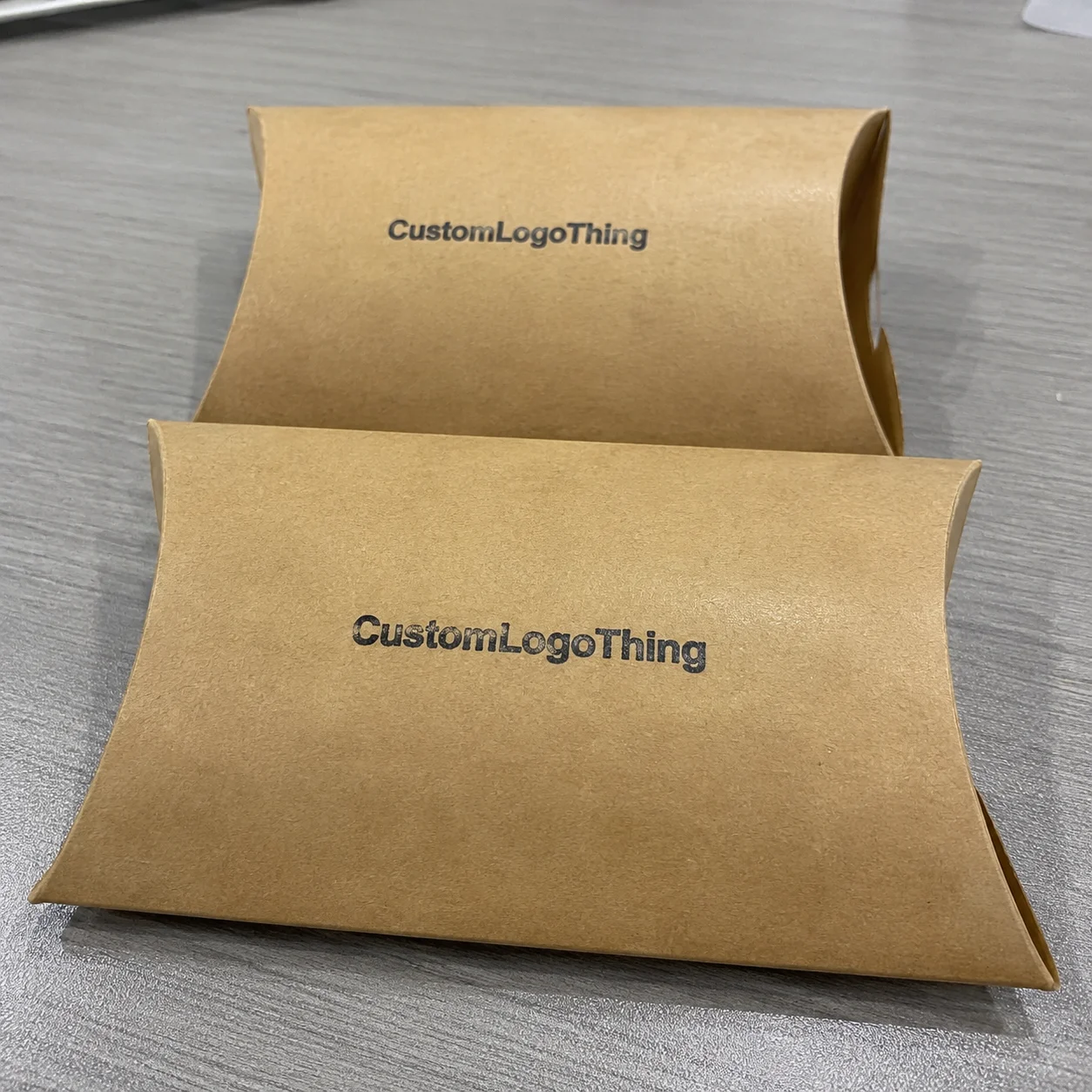
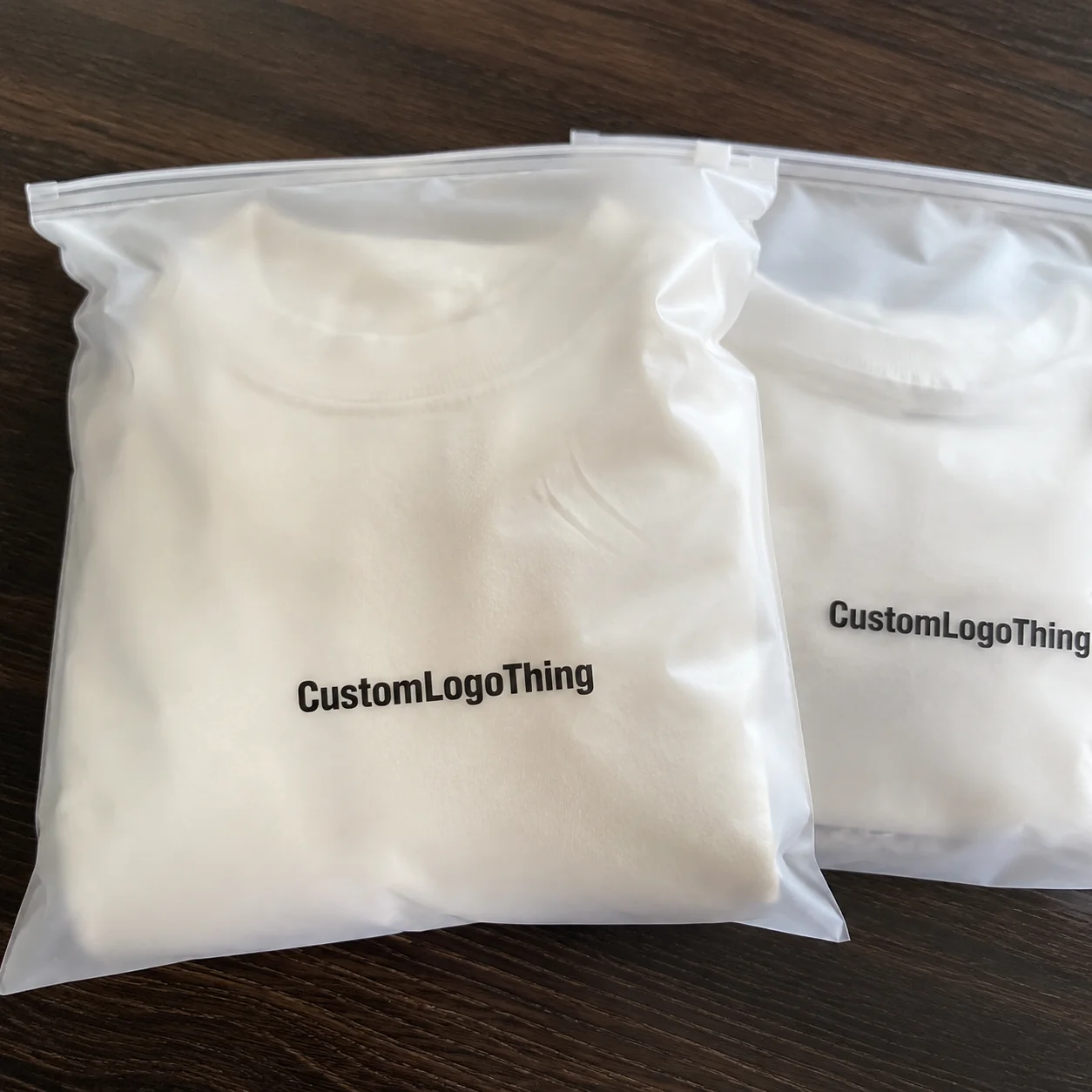
If you are comparing Frosted Zipper Bags Wholesale bulk order options, the main question is not whether they look good. It is whether they fit the product, hold up in use, and price out cleanly across repeat orders. Frosted zipper bags do that well. They give packaging a cleaner, more premium appearance than plain poly bags while still protecting products from dust, handling, and transit wear.
For buyers, that matters because packaging changes how a product is perceived before it is ever opened. A soft frosted finish can make a simple item feel more considered, which is useful for retail, gifts, and small premium goods. Bulk buying also reduces per-unit cost and removes a lot of reordering friction, especially for brands that ship the same SKU every month.
Why frosted zipper bags work for retail, promo, and e-commerce
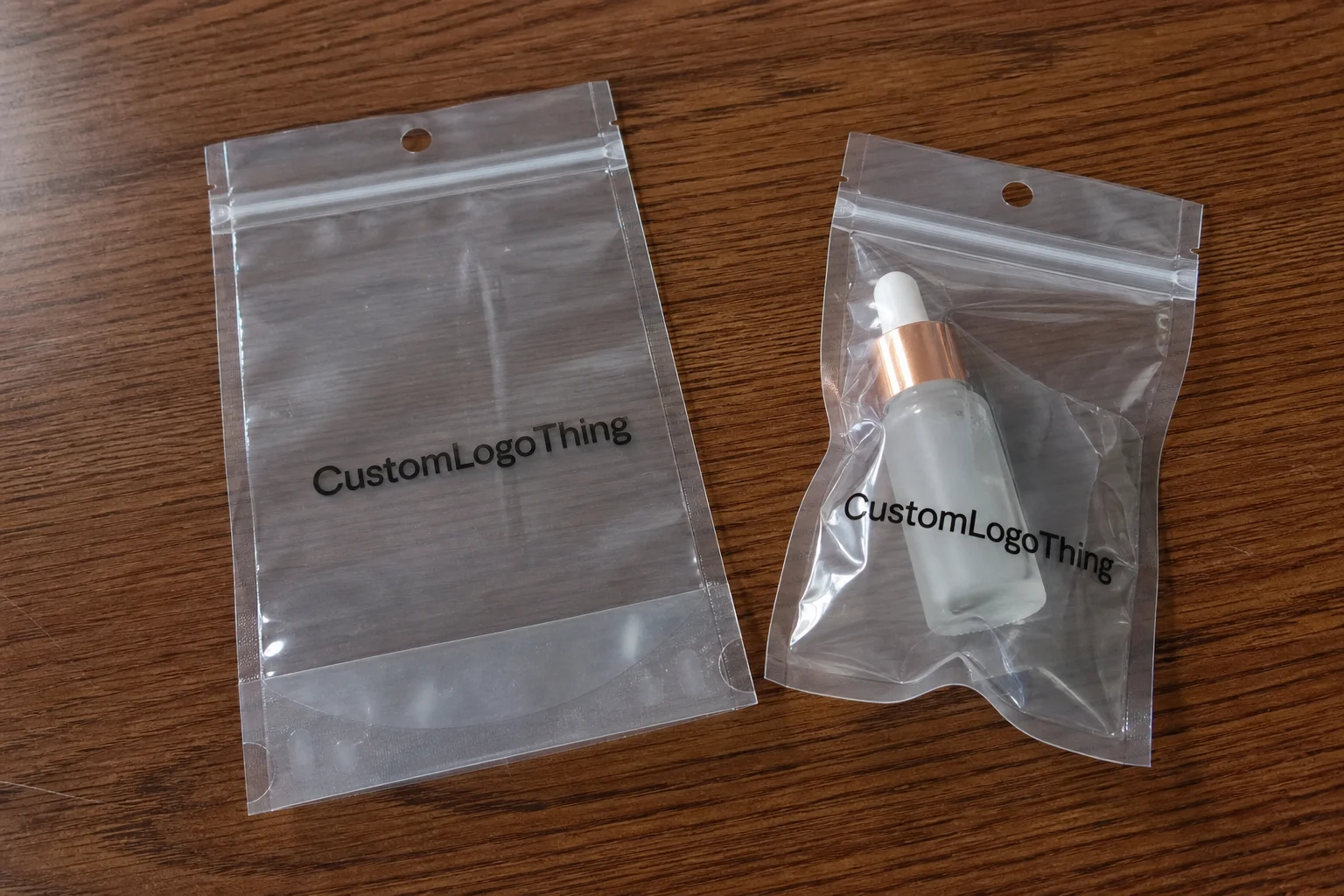
Frosted Zipper Bags sit between display packaging and everyday flexible packaging. They allow partial visibility without showing every seam, fingerprint, or edge inside the bag. That makes them useful when you want the product visible enough for recognition, but not so exposed that the packaging looks plain or busy.
Common uses include folded apparel, socks, undergarments, jewelry, hair accessories, sticker packs, sample kits, travel sets, and small gift bundles. They also work well as Reusable Packaging Bags for returns, storage, or bundled orders in e-commerce.
Presentation is the practical advantage here. A clear bag is functional. A frosted bag usually feels more intentional. For brands selling retail-facing products, that difference can support a higher perceived value without changing the product itself.
There is also an operational reason to choose bulk ordering. If your sizes and SKUs are predictable, bulk purchasing keeps inventory stable, reduces approval cycles, and lowers the risk of emergency reorders. That is especially useful for subscription packaging, retail display packaging, and recurring promotions where consistency matters more than novelty.
“Most packaging mistakes are not design mistakes. They are sizing mistakes, tolerance mistakes, or reorder mistakes.”
That is why buyers who order the same packaging repeatedly tend to care less about novelty and more about repeatability.
Product details: materials, closure options, and finish
Most Frosted Zipper Bags are made from polyethylene-based film, often LDPE or a similar soft plastic depending on the supplier and the intended use. Some versions use blended materials to improve stiffness, softness, or surface consistency. The exact material mix affects odor, sealing behavior, and how the bag handles in packing lines.
The zipper mechanism matters just as much as the film. A good zipper should close smoothly, reopen cleanly, and stay aligned after repeated use. Some applications call for a tear notch or first-open seal. Others only need a standard resealable closure. Cosmetics samples and accessory kits usually favor easy access, while security-sensitive packaging may need more deliberate opening features.
The frosted finish does more than change appearance. It diffuses light, softens contrast, and hides fingerprints better than clear film. On a retail shelf, that can make packaging look cleaner. In photography, it reduces glare and reflection. In the packing room, it is less visually distracting than highly glossy material.
Common optional features include:
- Custom printing for logos, care instructions, or branding marks
- Hang holes for peg display
- Gussets for added depth on bulkier products
- Tear notches for easier opening
- Writable panels for dates, lot numbers, or product notes
When samples arrive, check the issues that actually create production problems: zipper alignment, seam strength, surface consistency, and odor. A strong plastic smell may be acceptable for some industrial uses, but it is usually a poor Fit for Apparel, retail gift packs, or products that sit close to the customer.
For buyers comparing packaging formats, the trade-off is straightforward. Clear zipper bags show the product more directly. Frosted bags hide a little more and present a softer look. If the item needs full visibility, clear may be better. If brand image matters more, frosted usually wins.
For broader sourcing support, the Wholesale Programs page is a useful place to review order structures alongside other custom packaging formats.
Specifications buyers should compare before ordering
Before approving any frosted zipper bags Wholesale Bulk Order, compare the core specs line by line. Buyers who skip this step often learn too late that the bag is slightly too short, too thin, or too loose for the product.
Start with thickness, usually measured in mils or microns. Thickness affects puncture resistance, seal stability, and how well the bag survives shipping. A 40–50 micron bag may be fine for samples or stationery. A 60–70 micron option is often a better standard for apparel, accessories, and retail packaging. For repeat-use storage or denser products, 80–100 microns may be more appropriate.
Then check dimensions in practical terms: width, height, and usable depth. A bag can be nominally large enough and still waste material if the fit is poor. Measure the widest point of the product, leave room for insertion and closure, and confirm whether a flat bag is enough or a gusseted style is needed. That choice affects packing speed, carton usage, and shipping efficiency.
| Spec | Light-use bag | Standard retail bag | Heavier-duty bag |
|---|---|---|---|
| Thickness | 40–50 microns | 60–70 microns | 80–100 microns |
| Best for | Sample kits, stationery, inserts | Apparel, accessories, gift sets | Repeat-use storage, denser items |
| Presentation | Simple | Balanced | More structured |
| Shipping durability | Moderate | Good | Higher |
Ask about tolerances as well. In wholesale production, a small dimensional variance is normal. The important part is consistency from run to run. A supplier should state the tolerance range before production starts.
Color tone is another detail buyers sometimes overlook. “Frosted” may mean softly translucent, slightly milky, or nearly matte depending on the factory. If appearance affects product photography or retail display, request a sample pack and a written spec sheet. The sample shows finish and zipper feel. The spec sheet locks down the numbers.
Cost, pricing, and MOQ for bulk buyers
Pricing for Frosted Zipper Bags is usually driven by five variables: size, thickness, print coverage, quantity, and closure complexity. Stock unprinted bags are the lowest-cost option. Custom printed bags, added thickness, or special features increase the unit price.
For buyers comparing frosted zipper Bags Wholesale Bulk order pricing, a typical range for standard unprinted bags at higher quantities may land around $0.08 to $0.22 per unit, depending on size and film weight. Custom printing, higher thickness, or additional features can raise that. Smaller runs usually cost more per unit because setup costs are spread across fewer bags.
MOQ is usually tied to production economics rather than a random rule. Stock items can often be ordered in smaller quantities because they already exist in inventory. Custom sizes, printed bags, and specialized finishes usually require a higher minimum because the supplier has to prepare tooling, set up the press, and reserve production time.
Typical cost drivers include:
- Tooling or plate setup for custom print
- Ink coverage and number of colors
- Film thickness and resin quality
- Bag format such as flat, gusseted, or hang-hole styles
- Packaging method for shipping cartons and inner packs
Do not compare price per thousand on its own. Compare landed cost. That includes freight, sample charges, import fees if applicable, and any repacking costs on your side. A lower unit price can still cost more overall if shipping is inefficient or if the bags arrive in pack counts that do not fit your warehouse workflow.
The better buying habit is to ask for tiered pricing at several volumes, such as 3,000 pieces, 5,000 pieces, 10,000 pieces, and 25,000 pieces. That gives you a realistic picture of savings at the next reorder point and makes it easier to plan inventory.
For additional support on order planning and account-level purchasing, the FAQ page can help clarify how custom requests and repeat orders are typically handled.
Production steps, timeline, and lead time expectations
A standard production flow usually runs like this: inquiry, quotation, sample confirmation, artwork proof, production, inspection, and shipment. Each step is simple on paper. Delays usually happen when one of those handoffs is incomplete.
Sample timelines and production timelines are not the same. A stock sample may ship in a few business days. A custom pre-production sample can take longer if the supplier needs to adjust print plates, confirm dimensions, or source the exact film. Production for a standard custom run often takes around 12 to 20 business days after final proof approval, though larger or more complex jobs can take longer.
Lead time depends mainly on four things:
- Artwork approval speed
- Stock availability of the base film or zipper components
- Customization level
- Seasonal demand, especially before retail peaks
The simplest way to keep a schedule on track is to send final artwork early and use vector files where possible. Confirm dimensions before proof sign-off. If logo placement matters, ask for a print mockup with measurements, not just a visual sketch. Small errors are cheap on screen and expensive on press.
Transit time still matters. A production run can finish on time and still arrive late if freight is delayed or customs checks take longer than planned. Buyers who build a cushion into the schedule tend to avoid the worst emergency reorders.
When planning a seasonal run, ask the supplier what happens if your approval slips by even two days. That usually tells you whether the timeline is realistic.
Quality control, compliance, and supplier advantages
A dependable supplier does more than print bags. It manages quality across the run. That includes seal integrity checks, zipper function testing, print registration review, and inspection of film consistency. If a supplier is vague about quality control, the burden shifts to your receiving team.
Compliance depends on end use. A bag for cosmetics samples may require different documentation than a bag for apparel or retail inserts. Some buyers need material declarations, food-contact documentation, or retail compliance paperwork. If the bags will touch skin products, samples, or food-adjacent items, ask for the relevant specs in writing.
Working with a supplier that controls production closely can reduce errors. Fewer handoffs usually mean better tolerance control, faster issue resolution, and less drift in color tone or zipper performance across repeat orders.
Direct manufacturing and middleman sourcing are not the same. Direct sourcing often gives better cost stability and more transparent communication about lead times, though it depends on the factory’s capacity and export experience. Middlemen can be simpler for small buyers, but they may add markups, delays, and extra translation between your spec and the production floor.
For a reliable benchmark, ask three questions: How fast did the supplier respond? How close was the sample to the final spec? How clearly did they explain tolerances and reorder conditions? Those answers tell you more than a polished product page.
If you want broader context on packaging performance and testing, industry resources such as The Packaging School / Packaging.org and ISTA are useful references.
Next steps to place a wholesale bulk order
If you are ready to place a frosted zipper Bags Wholesale Bulk order, prepare the basics before asking for a quote. Send the bag size, estimated quantity range, closure style, finish preference, print artwork, and target delivery date. If you have a reference sample or a photo of the product going inside the bag, include that too. It reduces sizing errors fast.
Next, request a formal quote that includes tiered pricing, MOQ, sample options, and shipping estimates. If the supplier only gives you one number, ask for volume breaks. A proper wholesale quote should help you forecast, not guess.
Then confirm the use case. Is the bag for retail display, storage, shipping, or promotion? That changes the spec. A display bag can prioritize appearance, while a shipping bag may need more strength. A promotional insert may prioritize cost and print clarity above all else.
Compare suppliers on three concrete signals:
- Sample quality versus the spec sheet
- Communication speed and clarity
- Production transparency around lead times and tolerances
Once those pieces are in place, the rest is straightforward: submit specs, request samples, review the proof, approve production, and schedule replenishment. If the product is repeatable, build a reorder calendar around your sales cycle instead of waiting for inventory stress to force a rushed buy.
That is the practical way to approach ordering. Buy the look you want. Buy the performance you need. Buy enough volume to keep cost predictable. Then keep the spec locked so the next order behaves like the first.
What is the typical MOQ for frosted zipper bags wholesale bulk order?
MOQ varies by size, material, and whether the bags are stock or custom printed. Smaller stock runs are often more flexible, while custom sizes or artwork usually require higher minimums. Ask for tiered MOQ options so you can compare entry cost with better unit pricing at higher quantities.
How do frosted zipper bags compare with clear zipper bags for retail packaging?
Frosted bags create a softer, more premium look and hide scuffs or fingerprints better than clear bags. Clear bags show the product more directly, which can help for items that need full visibility. Choose frosted when brand presentation matters and the product does not need complete visual exposure.
Can I order custom printed frosted zipper bags in bulk?
Yes, custom printing is commonly available for wholesale orders. Pricing depends on print area, number of colors, and setup requirements. Send vector artwork early so the supplier can confirm layout, registration, and print feasibility.
What information should I send for an accurate quote?
Provide dimensions, material or thickness preference, quantity, closure style, and whether you need custom printing. Include your shipping location and target delivery timeline so freight and lead time can be calculated accurately. If possible, share a reference sample or product photo to avoid sizing errors.
How long does production usually take after approval?
Production time depends on stock availability and customization level. Custom jobs typically take longer because they require proofing, setup, and quality checks. The fastest way to stay on schedule is to approve samples and artwork quickly and confirm all specs before production begins.