If you are sourcing Frosted Zipper Bags wholesale for beauty brands, the decision is less about novelty and more about whether the packaging supports shipping, display, and reorder consistency. A frosted pouch gives a cleaner presentation than a plain clear bag, while staying lighter and generally less expensive than a rigid box.
That balance is useful for skincare, cosmetics, hair care, brushes, minis, and subscription kits. The format softens visual clutter, hides minor scuffs, and standardizes easily across product lines. For teams managing repeated launches, that consistency often matters more than a decorative structure.
Frosted Zipper Bags also work well when the brand needs visible product presentation without exposing every internal detail. They can handle sample sets, retail bundles, influencer mailers, and promotional kits with minimal packaging complexity. That is why buyers keep returning to frosted zipper bags wholesale for beauty brands when they need a practical, polished option.
Buyer reality: the best beauty package usually looks intentional, protects the product, and does not create extra work for operations.
Why frosted zipper bags work so well for beauty packaging
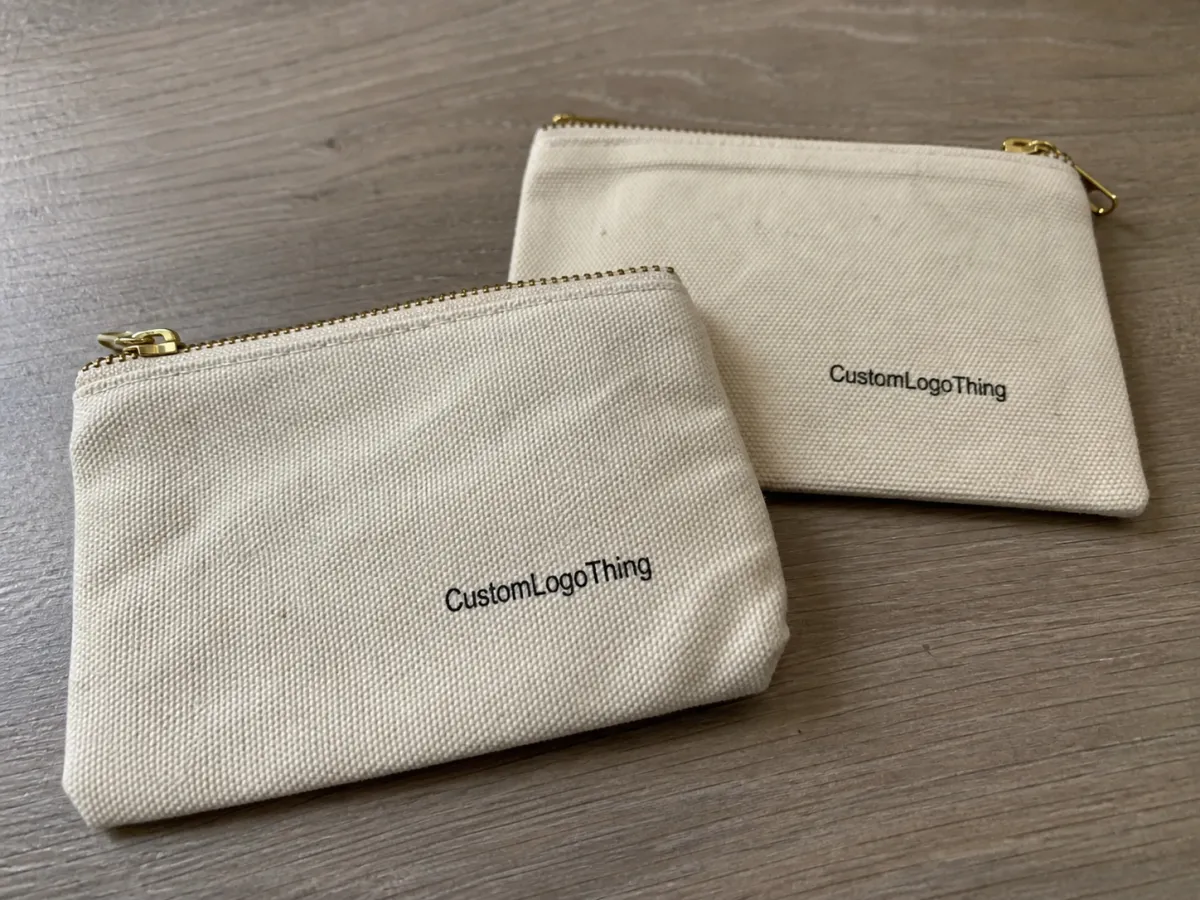
A clear pouch shows everything, which is useful until the contents start competing visually. Mixed label colors, multiple SKUs, and small inserts can make a bundle look busier than intended. A frosted finish reduces that noise and gives the package a more controlled, premium read.
That semi-opaque effect is especially helpful in beauty because presentation changes once products hit a shelf, fulfillment line, or customer vanity. Minor scuffs are less visible. Mismatched internal components are less distracting. The bag looks more deliberate without requiring a lot of decoration.
Compared with cartons, Frosted Zipper Bags are lighter, easier to store, and usually cheaper to ship. Compared with standard poly bags, they feel more finished. For brands balancing landed cost and presentation, that middle ground can be the most practical option.
The format also adapts well across product types. A single pouch style can be used for serum minis, makeup brush sets, hair accessories, travel kits, influencer mailers, event giveaways, and retail bundles. That flexibility reduces sourcing complexity and helps brands keep packaging consistent across campaigns.
Another advantage is that the frosted surface already contributes to the look of the package. In many cases, a restrained logo print is enough. Heavy graphics can work against the finish and make the bag feel crowded. For beauty packaging, less decoration often reads more premium than more decoration.
Specs that drive the right quote
Before requesting pricing, lock down the core specifications. Size, material, thickness, zipper style, finish, and print coverage all affect the quote. If those details are still unsettled, the price will be approximate and the revision cycle will be longer than it needs to be.
Most Frosted Zipper Bags for beauty applications use PE or EVA-style flexible films, though exact material options vary by supplier. The finish is usually semi-translucent rather than fully opaque, which is the point: the contents remain visible enough for reassurance, but the package does not expose every detail inside.
Thickness is one of the first variables buyers underestimate. A thinner film can look fine on paper but feel flimsy once it carries glass bottles, compacts, or accessories. A thicker film improves durability and hand feel, but it also raises cost and can reduce packing flexibility. The right balance depends on the product weight and how the bag will be used.
Zipper performance matters just as much as appearance. If the closure is too loose, the bag may open during transit or handling. If it is too stiff, customers can find it frustrating to reuse. The right option depends on whether the bag is meant for one-time packaging, repeated use, or both.
Size selection should follow the actual product mix, not a rough estimate. Small formats work for sample vials, lip products, single compacts, and mini sets. Medium sizes suit curated kits, brushes, and bundled skincare. Larger bags are better for influencer mailers, promotional packs, and multi-item orders. Fit testing is the safest way to confirm dimensions before volume commitment.
Branding options usually include logo printing, one- or two-color decoration, and sometimes full-surface artwork. Because the frosted finish already adds visual value, many beauty buyers keep graphics minimal and let the material do most of the work.
Before quoting, confirm whether you need:
- Hang holes for retail display
- Gussets for extra capacity
- Tamper-evident features
- Special zipper colors or pulls
- Higher frost levels or more opaque film
- Compatibility with your shipping carton or secondary packaging
These details affect tooling, structure, and lead time. They also change how the finished package performs on a peg wall, in a shipping carton, and on a vanity shelf. If they are not defined early, the quote may be accurate and still not be the right solution.
If your team needs a more structured procurement process, asking for a spec sheet or dieline is useful. It gives marketing something to review, operations something to test, and procurement something concrete to compare. For buyers managing multiple packaging programs, Custom Logo Things’ Wholesale Programs page is a straightforward place to organize the order flow.
For shipping-related testing, some teams also review package performance against common transport methods such as ISTA standards. If the packaging system includes paper components, sourcing conversations may also touch on FSC requirements. Those checks do not solve every packaging problem, but they keep the discussion grounded in measurable specs.
What beauty brands should verify before ordering
Several checks save time and prevent rework. First, ask about odor. Some film materials have a noticeable smell out of production. That may be acceptable for some uses and a problem for fragrance-sensitive products or premium skincare.
Second, confirm whether the bag is appropriate for indirect contact if your product setup requires that level of caution. Not every beauty pouch needs the same compliance discussion, but it is better to address it before approval than after production starts.
Third, test zipper function after repeated openings. Beauty customers often reuse these pouches for travel minis, tools, and accessories. If the zipper degrades quickly, the package stops feeling premium and starts feeling disposable.
Fourth, inspect the finish under normal handling. Some materials look good in sample photos and then show pressure marks, cloudiness, or scuffing once packed and shipped. That is a packaging issue, not a lighting issue.
Finally, check artwork alignment and color consistency against the rest of the brand system. Beauty brands are often more sensitive to visual mismatch than other categories. A logo that is slightly off can make the whole package feel disconnected from the line.
These checks are especially useful when ordering frosted zipper bags wholesale for beauty brands for the first time. Samples are cheaper than rework, and rework is rarely a good use of launch budget.
Pricing, MOQ, and landed cost
Wholesale pricing depends on size, film thickness, print complexity, quantity, and any special finishing requirements. In many cases, decoration costs more than the base bag. A stock-style frosted pouch is simpler than a custom-printed beauty bag with exact color matching and defined placement.
As a rough working range, lower-volume custom runs may land around $0.18 to $0.35 per unit, depending on material, size, and print coverage. Larger orders can reduce the unit cost enough to change the economics of a set or seasonal program. If the bag is part of retail packaging, ask for tiered pricing across several quantities so you can compare breakpoints, not just the headline number.
MOQ shapes the buying strategy. Lower minimums are useful for testing a new format or supporting a launch with uncertain demand. Higher minimums usually improve unit economics and reduce batch variation. If your brand reorders regularly, a larger initial commitment may make more sense than chasing the lowest possible test quantity.
| Option | Best for | Typical MOQ | Unit cost tendency | Notes |
|---|---|---|---|---|
| Stock-style frosted bag | Fast replenishment, sample kits | Low to moderate | Lower | Limited branding flexibility |
| Custom logo print | Retail sets, DTC programs | Moderate | Mid-range | Good balance of branding and cost |
| Fully custom format | Launches, signature packaging | Higher | Highest at low volume, better at scale | More setup time and proofing |
Do not ignore hidden costs. Freight can move the landed number more than unit price does. Sample charges may apply. Artwork revisions can add time and money. If the project needs expedited sampling or urgent shipping, the quote should reflect that. Procurement teams often focus on unit price alone and then find the budget is off because the rest of the costs were never included.
For frosted zipper bags wholesale for beauty brands, the best order is not necessarily the cheapest one. It is the one that balances cash flow, packaging consistency, and launch timing without forcing emergency reordering.
Production timelines and common delay points
The production sequence is usually straightforward: inquiry, spec review, artwork confirmation, sample approval, production, quality inspection, and shipment. Straightforward does not mean risk-free. A late proof can move the entire schedule.
Artwork sign-off is one of the most common bottlenecks. A small typo, a logo placement change, or a color correction can add days. Buyers who already have final files ready usually move faster than buyers still choosing which brand mark should appear on the pouch.
Sampling should happen before bulk production, not during it. The sample answers the questions the spec sheet cannot. Does the frost level feel right? Does the zipper close properly? Does the printed logo sit where the team expected? Is the bag the correct size once product is inside?
For straightforward custom runs, a practical planning range is often 12 to 15 business days from proof approval. More complex jobs, larger quantities, or projects that require sampling and revisions will take longer. Shipping method adds another layer. Air freight reduces transit time but raises cost. Ocean freight lowers shipping cost but needs more lead time. Split shipments can help if the launch needs inventory earlier than the full order.
Seasonal demand also matters. Busy periods can slow production and receiving. Holiday closures, warehouse appointment windows, and last-minute internal approvals all create friction. The safest method is to work backward from the actual receiving date, not from the day the purchase order is sent.
What a dependable packaging supplier looks like
Repeat orders reveal whether the supplier can hold the spec steady. If the material feel changes, the zipper weakens, or the print shifts between batches, the brand notices immediately. Consistency is a core packaging requirement, not a bonus.
A dependable supplier gives direct answers. If a print layout will increase cost, they should say so. If a zipper style adds lead time, they should say that too. Vague reassurance is easier to sell than quality control, but it does not help the buyer make a decision.
Quality checks should cover seal integrity, bag clarity or frost level, zipper function, print alignment, and sample match before bulk release. Those checks are basic, but they prevent rework and reduce the risk that a reorder looks slightly different from the first run.
Growing beauty brands also need room to test and scale. A supplier that only wants large orders is not very useful if the launch starts small. A supplier that can handle a pilot run and then hold the spec steady for future orders is more practical.
For teams managing several packaging categories at once, Custom Logo Things’ Case Studies page can help show how packaging specs support different launch types. The value is in seeing how production and presentation work together when the packaging has a real job to do.
How to place an order without slowing your launch
Start with the non-negotiables: target size, product type, artwork files, quantity, and any structural features such as gussets or hang holes. Without those, the quote will be approximate. With them, you can compare suppliers more fairly and reduce the back-and-forth that usually costs time.
If fit is uncertain, ask for a sample or prototype. That is the cleanest way to check opacity, zipper feel, and item clearance. It is also the fastest way to catch a problem before it turns into a rush order. A small sampling fee is easier to absorb than a reprint or expedited freight charge.
Ask for a quote that clearly separates unit price, MOQ, setup charges, sample cost, and shipping. Finance wants the landed total. Operations wants the timing. Marketing wants to know whether the finish still matches the brand system. Getting all three answers in one review cycle makes approvals less painful.
Work backward from the date the package must be in the warehouse. Count proofing, sampling, production, freight, and receiving separately. Do not build the schedule from the day the order is placed. That is how brands end up moving product launches to fit the packaging instead of the other way around.
Once the first batch is approved, save the final artwork, approved spec sheet, and sample reference. That makes reorders cleaner and helps preserve consistency across future runs. It also keeps the next order from turning into a search through old emails.
For beauty brands comparing frosted zipper bags wholesale for beauty brands, the practical path is simple: choose a spec that fits the product, compare pricing at multiple quantities, and confirm the timeline before the calendar gets tight.
FAQ
What sizes are most common for frosted zipper bags wholesale for beauty brands?
Common sizes range from small pouches for samples and lip products to medium bags for kits and brushes, plus larger formats for bundles and mailers. The right size depends on the product mix and how the package will be used. A fit test is the safest way to confirm dimensions before bulk ordering.
Can I add a logo to frosted zipper bags for a beauty line?
Yes. Logo printing is one of the most common custom requests. Most beauty brands choose one- or two-color branding, because restrained decoration usually works best with the frosted finish. Print placement, artwork complexity, and color matching all affect cost and timing.
What is the typical MOQ for frosted zipper bags wholesale?
MOQ depends on size, material, and customization level. Stock-style bags usually allow lower quantities, while fully custom orders tend to require higher minimums. Ask for tiered pricing so you can see which quantity gives the best balance of cost and inventory risk.
How long does production usually take for custom frosted zipper bags?
Lead time depends on sampling, proof approval, quantity, and shipping method. Straightforward custom runs often take around 12 to 15 business days after approval, but revisions and larger volumes can extend that. Fast artwork decisions are the easiest way to protect the schedule.
Are frosted zipper bags a good option for retail and subscription beauty packaging?
Yes. They work well for both retail presentation and subscription kits. The semi-opaque finish makes the package look cleaner than a plain clear bag while still letting customers see the contents. They are also lightweight, reusable, and practical for storage and shipping.


