A robe looks expensive on a product page. Inside a crowded master carton, it can turn into a lint collector, crease map, and rubbing pad against foiled cosmetic cartons. A Garment Poly Bags for cosmetic brands shipping carton plan is not just a bag purchase. It is a control plan for friction, cube space, presentation, and pack speed before the first launch kit leaves the warehouse.
Beauty shipments are messier than they used to be. One carton may hold glass jars, tubes, pumps, refill pouches, satin scrunchies, microfiber cloths, robes, influencer headbands, reusable totes, and printed inserts. Cosmetics are dense and rigid. Textiles move, compress, snag, and absorb pressure. Pack them together without a system and the carton tells on you: scuffed retail boxes, dusty soft goods, inconsistent counts, higher dimensional weight, and unboxing photos that make the kit look cheaper than the formula inside.
Garment Poly Bags for Cosmetic Brands Shipping Carton Plan: What It Solves
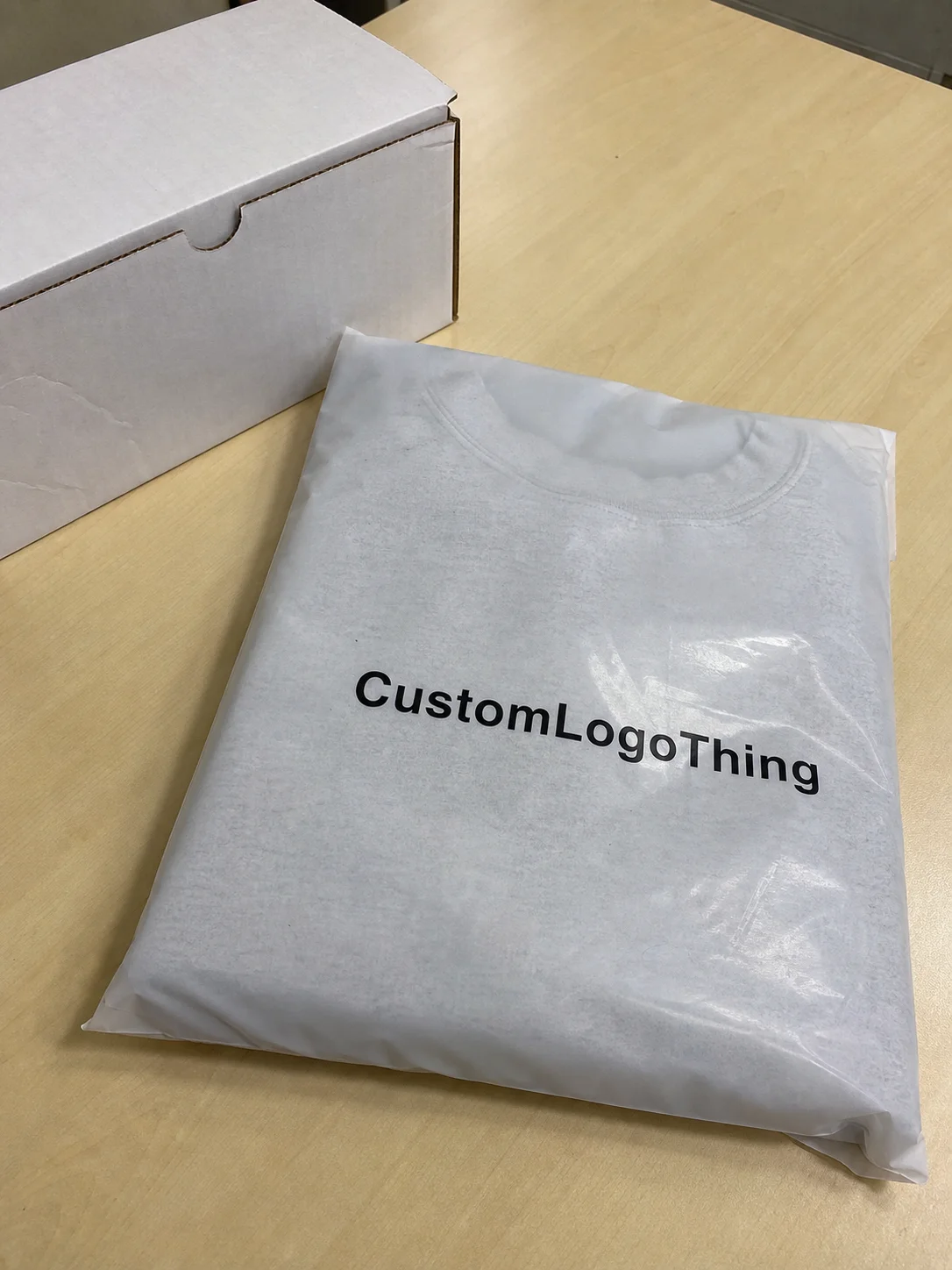
The buyer problem is simple. Cosmetic packaging is usually engineered around primary containers and secondary cartons. Soft goods are treated as add-ons. That works until a robe sleeve rubs against a UV-coated carton for a few hundred miles, or a terry headband picks up warehouse dust during fulfillment. The failure does not look dramatic. It looks like a customer opening a $95 kit and seeing a textile item that feels handled.
A good plan solves four problems at once. It keeps soft items clean. It reduces abrasion between hard and soft components. It gives packing teams predictable dimensions. It also helps the buyer confirm whether the planned shipper still holds the target unit count after the textile is folded, bagged, vented, stacked, and closed.
That last piece gets ignored too often. A half-inch increase in packed height sounds harmless during sampling. Across 2,000 cartons, it may change the pallet pattern, cut warehouse storage efficiency, or trigger dimensional-weight charges in ecommerce shipping. The cheapest bag gets expensive fast if it forces a larger shipper, extra void fill, or repacking labor.
Garment Poly Bags belong in cosmetic shipping because beauty kits are no longer only bottles and jars. They are product bundles, brand accessories, and campaign props. A cleanser launch might include a washcloth. A fragrance drop might include a pouch. A subscription box might include a sleep mask. Those items need package protection that fits the carton, not a clear sleeve that looks fine on a desk and fails in a packed load.
Practical rule: approve the bag and carton together. If the bagged textile has not been tested beside the real cosmetic items, the plan is still a guess.
How Garment Poly Bags Work Inside Cosmetic Shipping Cartons
A garment poly bag creates a clean, flexible barrier around textile or soft promotional items before they enter a mixed cosmetic carton. It is not structural packaging. It will not save a glass jar from a drop, and pretending otherwise is how bad specs get approved. What it can do is stop fabric from collecting dust, snagging on carton flaps, absorbing oily residue, or scraping decorated retail boxes during transit.
Common styles include flap-seal bags, resealable adhesive bags, suffocation-warning bags, wicketed bags for faster packing, and custom printed inner bags that feel closer to a lightweight poly mailer. A small headband may only need a clear flap-seal bag. A premium robe in a subscription kit may justify a heavier resealable bag with one-color branding and a printed warning panel.
Material choice changes feel, durability, and pack behavior. LDPE is soft, clear, and common for apparel-style bags. LLDPE adds puncture resistance and stretch, useful when the bag sits near bottle caps, jar corners, pumps, or rigid inserts. HDPE is crisper and noisier. It can be efficient for light-duty use, but it often feels less premium in hand. Recycled-content films can support sustainability goals, but clarity, odor, sealing strength, and film consistency need to be checked with samples. A spec sheet will not tell you how the bag smells after a week in a closed carton.
Vent holes deserve more attention than they usually get. A bag that traps air behaves like a pillow. That sounds protective, but inside a carton it wastes cube and can increase crush pressure when cartons are stacked. Two or four small vents, placed away from printed artwork and away from the most visible unboxing face, often make packing easier. Placement depends on fold direction, bag orientation, and carton layout.
Compliance details are boring until they are expensive. If the bag may reach a consumer, suffocation-warning copy may be required by marketplace rules, state regulations, or retailer standards. Barcode visibility matters if the bagged textile is scanned separately. Country-of-origin labeling, lot separation, and SKU identification can decide whether a warehouse packs 1,000 kits correctly or spends an afternoon opening bags to verify colors.
Buyers building a carton plan should also think like a transit tester. The International Safe Transit Association publishes test procedures used across distribution environments. Not every beauty kit needs a formal lab test, but ISTA-style questions are useful: What shifts during vibration? What rubs during a drop? What happens to the bagged textile at the bottom of a pallet? What changes after humidity, heat, or cold storage?
Specs That Decide Bag Size, Film Gauge, Closure, and Carton Fit
Measure the folded item. Not the robe pattern. Not the flat scarf. Not the sample spread neatly across a table. The finished bag size should be based on the garment or accessory after the final production fold, including tissue, tags, belly bands, hangtags, inserts, and anything else that ships inside the bag.
Clearance is the balancing act. Too tight, and packers fight the bag, slow the line, and create wrinkled corners. Too large, and the bag traps air, slides inside the carton, and wastes space. For small accessories, practical clearance may be around 0.25 to 0.5 inch on width and 0.5 to 1 inch on length. For robes, wraps, or bulkier pouches, buyers may need more, especially if the fold is not perfectly consistent across the production run.
Film gauge is a quiet decision with loud cost implications. A light 1.0 to 1.25 mil film may work for dust protection on a small headband, cloth, or satin scrunchie. A 1.5 to 2.0 mil film is common for apparel-style inner bags where clarity and handling matter. Heavier 2.5 to 3.0 mil films can suit robes, reusable pouches, or premium kits, but they add resin cost and may reduce flexibility inside tight cartons.
Closure affects cleanliness and workflow. Permanent adhesive closures protect the item from casual opening and reduce the chance of warehouse dust entering the bag. Resealable closures support inspection, returns, and last-minute kit changes. Open-top bags can work for internal warehouse movement, but they are weak if the item passes through several touchpoints before the customer sees it.
Carton fit is the reality check. Buyers should map inner bag dimensions, master carton size, units per layer, void fill method, carton strength, and pallet stacking height before approving production. For heavier cosmetic kits, a 32 ECT corrugated carton may be adequate in some parcel lanes. Larger or heavier master cartons may need 44 ECT or double-wall construction. The right answer depends on total packed weight, distribution route, retailer requirements, and how much abuse the carton will see before delivery.
Branding needs a sober discussion. Clear bags help fulfillment teams verify size, color, SKU, and bundle contents. Custom printed bags can improve perceived quality if the customer sees them, but they may bring higher minimums, setup charges, artwork reviews, and longer proofing. A useful middle path is a clear bag with a printed label or restrained one-color mark. Custom Logo Things supports broader packaging coordination through its Custom Packaging Products range, especially when the inner bag has to work with a branded shipper, insert, or retail kit layout.
Cosmetic compatibility should not be skipped. Avoid direct contact between printed garment bags and oily formulas, fragrance samples, or heavily coated beauty cartons unless materials are tested. Ink transfer, odor transfer, blocking, and scuffing are not guaranteed problems. They are possible enough to justify a short sample run and a few days of packed storage under realistic pressure.
Cost, MOQ, and Unit Cost Drivers Buyers Should Check
Poly bag pricing looks simple until the quote arrives with ten variables. Resin type, film gauge, finished size, closure style, print coverage, color count, recycled content, packing format, order volume, and ship-to location all affect cost. For small to mid-size cosmetic launches, a basic clear stock bag may land around $0.03 to $0.09 per unit depending on size and quantity. A custom-sized printed bag may sit closer to $0.12 to $0.30 per unit at 5,000 to 10,000 pieces. Premium films, heavier gauges, specialty closures, or lower quantities can push the price higher.
Unit cost alone is the trap. A bag that saves two cents can lose money if it arrives in loose bundles that slow packing, opens poorly because of static, or forces a larger carton. Labor can dwarf film savings. If a packer loses 6 seconds per kit across 8,000 kits, that is more than 13 labor hours gone before freight is counted.
| Option | Typical Use | Approximate Unit Cost | Buyer Watchout |
|---|---|---|---|
| Stock clear flap-seal bag | Headbands, cloths, small textile inserts | $0.03-$0.09 | Closest stock size may waste carton space |
| Custom clear resealable bag | Robes, pouches, premium soft goods | $0.08-$0.18 | Requires accurate folded dimensions before production |
| Custom printed poly bag | Customer-facing kits and influencer drops | $0.12-$0.30+ | Higher MOQ, proofing time, and artwork approval risk |
| Recycled-content bag | Brands with sustainability targets | Often 10%-30% more | Check clarity, odor, seal quality, and retailer acceptance |
Stock versus custom is not a moral debate. Stock sizes reduce lead time and can allow smaller quantities, which helps if a brand is testing a launch or protecting cash flow. Custom sizing can improve carton density and presentation, especially for repeated subscription, retail, or influencer programs. The better choice is the one with the lower total packed cost per sellable kit.
Minimum order quantities vary widely. Stock bags may be available by the case. Custom runs often start in the low thousands. Printed or specialty films may require 5,000, 10,000, or more depending on converter, print method, film, and finished size. A smaller beauty brand should compare launch quantity, forecast confidence, storage space, and the risk of a packaging change after the first run.
Quote requests should include finished bag size, thickness, material preference, closure, warning copy, print art, annual volume, ship-to location, and packing requirements. If the bag must arrive in sleeves, inner cartons, counted bundles, or wicketed stacks for a co-packer, say that early. Packing format can affect labor more than the film itself.
The hidden costs are usually where the real investigation starts: oversize cartons, added void fill, rejected inbound shipments, damaged retail cartons, delayed launch kits, and missed retail windows. A carton plan should price the whole shipping system, not a lonely piece of plastic.
Process and Timeline From Sample Bag to Packed Carton
A sensible process starts with discovery, sample measurement, bag style selection, material recommendation, quote, dieline or print proof, pre-production sample, production, carton pack-out test, and final shipment. Real projects wobble because the garment fold changes, artwork arrives late, or the cosmetic carton grows by 3 millimeters after the final dieline. Tiny changes love expensive consequences.
Plain stock bags can often be sourced quickly if the size exists and no special labeling is needed. Custom-sized plain bags usually take longer because the converter has to set up the run. Printed bags add proofing, plate or cylinder considerations depending on print method, color approval, and sometimes a longer material lead time. A practical planning range is a few business days for available stock, 2 to 4 weeks for many custom plain bags, and 4 to 8 weeks for more involved printed or specialty film runs. Freight method can stretch or compress that schedule.
Delays usually come from unclear inputs. The fold is not final. The warning copy has not been approved. The carton count changes after sales updates the kit quantity. Someone discovers that the bagged robe no longer fits the planned shipper. None of this is exotic. Most of it is preventable with a physical pack test.
Run that test with real products. Empty cartons lie. A filled glass jar creates pressure, weight, and movement that a mockup cannot imitate. Test pack speed, closure alignment, barcode visibility, scuffing, air entrapment, carton bulge, pallet pattern, and drop behavior. If the shipment is headed into parcel networks, use a test mindset consistent with ASTM or ISTA practices. If sustainability claims are involved, check whether paper components or cartons use credible chain-of-custody standards such as FSC certification.
Approvals should be specific: bag size, seal placement, print position, material feel, vent location, warning copy, and packed carton count. A beautiful sample is not enough if the packing line hates it. Static, tight openings, misaligned adhesive strips, weak perforations, and slippery stacks can turn a pretty bag into an operational complaint by 10 a.m.
Beauty launches are schedule-sensitive. Influencer drops, subscription boxes, retail floor sets, and ecommerce campaigns often depend on every component arriving together. Build buffer. One delayed bag can hold the entire kit because the co-packer cannot close cartons around missing or unapproved materials.
Common Mistakes That Break a Cosmetic Brand Carton Plan
The first mistake is choosing the bag from garment dimensions instead of the folded, packed shape. A robe that measures 48 inches long may become a 12-by-15-inch folded bundle. Or it may become a lumpy 13-by-17-inch problem because the belt sits in the wrong place and the fabric weight changed after approval. Measure the production fold.
The second mistake is ignoring carton cube until after the bag is produced. That can force a larger shipper, fewer units per carton, more void fill, or a rushed repack. For brands using Custom Shipping Boxes, the bag spec should be part of the box planning conversation from the start.
The third mistake is overprinting the bag. Heavy artwork may look good in a rendering, but warehouse teams often need to see color, size, SKU, and bundle contents quickly. If the bag hides the item, the operation may need labels, extra scans, or manual checks. Congratulations, the pretty bag now comes with a labor tax.
The fourth mistake is trapping too much air. Puffy bags create carton bulge, inconsistent pallet loads, and variable closing pressure. Venting, tighter folds, or a slightly different bag size can make the carton behave more predictably.
The fifth mistake is treating all cosmetic kits the same. Glass jars, airless pumps, tubes, and slim folding cartons create different pressure points. A soft pouch packed beside a rounded jar behaves differently from a headband packed beside a rectangular carton. The layout should reflect the actual geometry, not the clean rendering from the sell sheet.
The sixth mistake is skipping warning copy or label planning. If the bag reaches consumers, marketplace warehouses, or retail distribution centers, missing suffocation language or unreadable labels can cause compliance problems. Exact requirements depend on sales channel, bag dimensions, and destination rules, so buyers should confirm before print approval.
The seventh mistake is approving a sample without testing it on the packing line. A conference-room sample rewards appearance. The packing line judges speed, static, closure handling, stackability, barcode visibility, and carton fit. The packing line is usually more honest.
A poly bag failure rarely announces itself with one big disaster. It shows up as small costs: slower packing, extra void fill, higher dimensional weight, more scuffed cartons, and returns that are hard to trace back to one packaging choice.
Build a Carton-Ready Poly Bag Brief
Start with evidence, not preference. Gather folded garment dimensions, cosmetic item dimensions, target carton size, order quantity, ship-to locations, retailer or marketplace requirements, and the intended unboxing sequence. Add photos of the folded item from the top and side. Include the target units per carton and the maximum acceptable carton weight.
Then build a one-page bag brief. It should list material preference, gauge range, closure type, print needs, suffocation-warning copy, recycled-content goals, and whether the customer will see the bag. If the item is purely internal protection, clarity and packing speed may matter more than branding. If the bag is customer-facing, print quality, hand feel, opening experience, and warning-copy placement deserve more scrutiny.
Ask the packaging supplier to quote at least two routes: one cost-efficient stock or semi-custom option and one optimized custom option for carton density or presentation. For a brand already comparing inner bags with branded outer packaging, Custom Poly Mailers can be part of the same planning conversation, especially if some orders ship direct-to-consumer while others move in master cartons.
Request samples and run a pack test with real products. Not empty cartons. Not foam blocks. Real cosmetics change compression and weight distribution, and they reveal whether the textile bag slides, bulges, scuffs, traps air, or blocks barcode scans. Document folding direction, bag orientation, vent position, carton layer count, void fill, and pallet pattern.
Compare total packed cost per sellable kit. The best answer may not be the cheapest bag or the prettiest bag. It is the bag that protects the soft good, respects the cosmetic packaging, preserves the carton count, and keeps the launch moving. A strong Garment Poly Bags for Cosmetic brands shipping carton plan ends with a verified sample, confirmed units per carton, clear packing instructions, and a quote that reflects the whole shipping system.
FAQ
What size garment poly bags should cosmetic brands use for shipping cartons?
Measure the garment or textile accessory after its final production fold, then add enough clearance for easy insertion without creating excess air or wrinkles. Test the bagged item inside the actual cosmetic shipping carton before approving production. If the bag changes the carton count or causes bulging, adjust the bag size, venting, fold method, or carton layout.
What film gauge is best for garment poly bags in cosmetic brand kits?
Lightweight 1.0 to 1.25 mil film can work for headbands, small wraps, or dust protection. A 1.5 to 2.0 mil film is common for apparel-style inner bags. Heavier 2.5 to 3.0 mil film may suit robes, larger accessories, or premium kits. Choose based on puncture risk, clarity, hand feel, and the pressure created by rigid cosmetic items during transit.
Do cosmetic brands need printed garment poly bags or clear bags?
Clear bags are often better for fulfillment accuracy because teams can verify color, size, and SKU quickly. Printed bags can improve brand presentation when the bag reaches the customer, but they may raise MOQ, Cost, and Lead Time. A clear bag with a printed label or limited one-color branding is often the cleaner compromise.
How do garment poly bags affect shipping carton cost?
The bag adds unit cost, but the larger impact often comes from carton cube, packing labor, void fill, freight class, and dimensional weight. Oversized or air-filled bags can reduce units per carton and increase pallet space. The better quote compares total packed cost per sellable kit, not only the bag price.
What should be included in a garment poly bags for cosmetic brands shipping carton plan?
Include folded product dimensions, bag size, film gauge, closure style, warning copy, print requirements, carton size, units per carton, and pallet pattern. Add a physical pack test using real cosmetics and textile items. Finalize the plan only after confirming carton fit, pack speed, barcode visibility, scuff resistance, and transit protection.


