Garment Poly Bags for Cosmetic Brands Supplier Quote Checklist
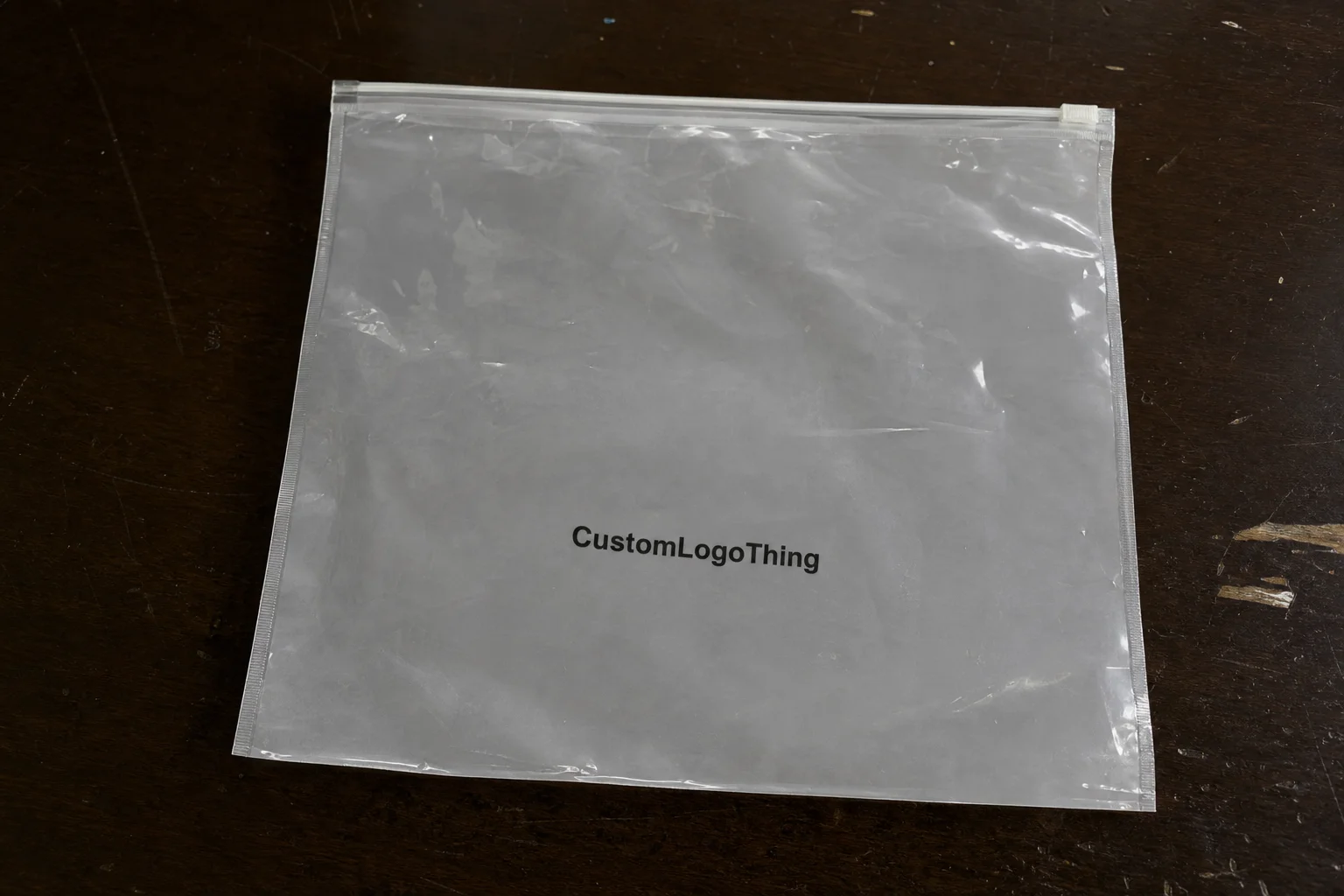
A poly bag is often the first thing your customer touches before the cosmetic pouch, spa robe, branded headband, influencer kit, salon textile, or retail-ready beauty accessory. That makes the bag part of the brand experience, not just a sleeve of plastic.
Great marketing, then a sad crinkly bag. Classic.
Cosmetic packaging gets judged on appearance, texture, compliance, reorder reliability, and landed cost. A Garment Poly Bags for Cosmetic brands supplier quote checklist helps buyers avoid vague quotes that look cheap until the missing details show up as plate fees, weak adhesive, cloudy film, wrong sizing, color drift, or freight surprises.
Custom Logo Things supplies custom Garment Poly Bags for cosmetic-adjacent apparel, beauty merch, salon textiles, spa kits, PR mailer inserts, event uniforms, and soft goods that need to look clean before anyone unfolds them. These bags are simple in theory. They are also very easy to quote badly.
The usual problems are predictable: the bag is too thin, the adhesive strip gives up, the logo prints too low, the frosted film changes the ink color, the suffocation warning is missing, or the bag arrives too small because someone measured the product flat and ignored depth. That last one happens constantly. A folded microfiber towel with bulk is not a rectangle on a desk.
If you want a useful supplier quote, send the finished bag size, product type, folded dimensions, packed thickness, material preference, closure style, print colors, quantity range, delivery deadline, and shipping destination. Better yet, send a photo of the packed item. A blurry screenshot and “something like this” is not a quote request. It is a guessing game with freight charges attached.
Practical rule: if the bag affects retail presentation, PR unboxing, or influencer kit photos, quote it like branded packaging. If it only protects stock in a warehouse bin, quote it like protection. Mixing those goals burns money.
Where Cosmetic Brands Use Garment Poly Bags
Garment Poly Bags are flexible plastic packaging bags used to protect soft goods from dust, moisture, handling marks, lint, and warehouse grime during storage, fulfillment, display, gifting, or kitting. For cosmetic brands, they often sit beside jars, bottles, boxes, tissue, and branded mailers, so they cannot look like a random afterthought.
Common uses include branded headbands, makeup remover cloths, spa robes, salon capes, microfiber towels, lash artist uniforms, beauty school kits, influencer merch, event tees, PR box textile inserts, and boutique apparel extensions. If it is soft, foldable, and customer-facing, a poly bag may be part of the presentation.
Cosmetic brands usually need a tighter standard than generic apparel sellers. Visual cleanliness matters more. Print accuracy matters more. Shelf appeal matters more. A frosted bag with a crisp one-color logo can support a premium skincare launch better than a clear economy bag with a crooked print, even if both technically hold the same headband.
There are two broad categories: protective poly bags and presentation poly bags. Protective bags are usually clear, simple, and cost-efficient. Presentation bags may use frosted film, printed logos, adhesive flaps, resealable tape strips, hang holes, suffocation warnings, or tighter control over the visible print area.
Clear LDPE is practical and economical. Frosted film feels more polished. High-clarity OPP or CPP can look sharper for retail, though the hand feel is different. Thicker bags feel better in hand, but they increase material use, carton weight, and freight. No free lunch. Packaging never heard of one.
Before requesting pricing, decide whether the bag is for retail display, shipping protection, PR gifting, or internal fulfillment. Then tell the supplier the item type, folded dimensions, packed thickness, and whether the customer expects a luxury unboxing moment or just a clean branded cover. That information changes the quote fast.
Material, Thickness, Closure, and Print Specs to Confirm
The fastest way to get a usable quote is to define the bag before asking for the price. A strong quote request covers material, thickness, closure, print method, artwork, compliance text, and packing needs. Miss one, and the cheapest number may become the most annoying order.
Material Options
LDPE is the common choice for soft, flexible garment bags. It works well for robes, towels, headbands, uniforms, and most textile accessories. HDPE feels crisper and thinner, often used for economy protection where hand feel is less important. OPP and CPP can provide higher clarity and a polished retail look, though they may feel less soft than LDPE depending on gauge and structure.
Frosted film is popular for beauty brands because it softens the product view and gives a cleaner shelf impression. It can hide minor fabric folds, lint, or packing variation better than crystal-clear film. The tradeoff: frosted film may reduce barcode contrast and change how ink color appears. If retail scanning matters, test before bulk production.
Some buyers ask about recycled content, compostable film, or recyclable claims. Those options depend on material availability, order quantity, print requirements, and local recovery systems. Be careful with sustainability language. A bag can contain recycled content and still need clear disposal instructions. A recyclable icon printed in the wrong context is not strategy. It is a future complaint.
Thickness Ranges
Lightweight protective bags often sit around 1.2 to 1.5 mil. Standard garment bags commonly run 1.5 to 2.0 mil. Premium textile kits, heavier robes, or bags handled repeatedly may need 2.0 to 3.0 mil, depending on product weight, fold bulk, seam stress, and closure style.
Do not choose thickness by ego. Choose it by use. A 1.5 mil bag may be fine for a satin headband in a PR kit. A bulky spa robe with a zipper closure may need more structure. If the packed item strains the side seams, the bag is too light, too tight, or both.
Closures and Details
Open-end bags are fast and cheap for warehouse packing. Self-adhesive flap bags give clean fulfillment and a tidy finish. Resealable tape strips work well for returns, sample kits, and products that may be opened before final use. Zipper closures raise perceived value but cost more and usually need higher minimum order quantities. Die-cut handles can help if the bag doubles as hand-carry Packaging for Events or salon retail.
- Print colors: one-color logo printing is simplest; two to four spot colors support stronger branding.
- Brand matching: request Pantone references if logo color matters, especially on frosted or tinted film.
- Retail needs: confirm barcode placement, hang hole position, recycling marks, and warning copy.
- Ink behavior: ask about rub resistance if bags will be stacked, packed tightly, or handled often.
- Special effects: matte white ink, metallic ink, and high-opacity prints may require testing or higher MOQ.
Send vector artwork, exact finished bag size, expected print area, and a photo of the packed product. A factory can quote faster when it is not playing detective. Custom Logo Things can review sizing against the packed item before production, which is a small step that prevents a very expensive shrug later.
Cost, MOQ, and Unit Price Factors That Actually Move the Quote
Garment poly bag pricing is driven by material type, film thickness, bag size, print coverage, number of colors, closure style, order quantity, packing method, and freight. Not magic. Not vibes. Just inputs.
Simple clear bags with a one-color logo may start at lower custom quantities. Frosted, zipper, large-format, full-print, or specialty finish bags usually require higher MOQs because setup, film waste, print alignment, and production changeover have to be absorbed. That is not a supplier being dramatic. It is how converting lines work.
Ask for unit cost, plate or mold fees, artwork setup, sample charges, carton quantity, estimated freight, duties if applicable, and reorder pricing after setup costs are already paid. A proper quote separates those costs so you can compare suppliers without squinting at a suspiciously tidy number.
| Spec Path | Common Use | Typical Features | Cost Direction | Best Fit |
|---|---|---|---|---|
| Economy Clear LDPE | Basic protection | 1.2-1.5 mil, open-end or adhesive flap, one-color logo | Lowest custom route | Stockroom, fulfillment, simple merch kits |
| Standard Branded Bag | Clean customer-facing presentation | 1.5-2.0 mil, adhesive flap, one or two spot colors | Mid-range | Headbands, towels, salon capes, event apparel |
| Frosted Beauty Bag | Premium visual finish | Frosted film, matte or opaque print, resealable closure | Higher than clear LDPE | PR kits, spa robes, boutique textile products |
| Zipper or Specialty Bag | Reusable or giftable packaging | 2.0-3.0 mil, zipper, handle, larger print area | Highest common route | Luxury kits, retail bundles, high-value accessories |
For budget planning, quote several quantity breaks. Useful targets are 1,000, 3,000, 5,000, 10,000, and 25,000 units when the project scale supports it. Sometimes 10,000 pieces drops the unit price enough to justify the storage. Sometimes it just ties cash up in cartons your team trips over for eight months. Ask before assuming.
The lowest-cost route is usually clear LDPE, standard sizing, open-end or adhesive closure, one-color print, and minimal print coverage. Mid-range buyers often choose frosted film, better thickness, and tighter logo placement. Premium programs may use zipper closures, heavier film, higher-opacity ink, or a more polished print layout.
Never compare a 1.2 mil bag against a 2.0 mil bag and call it apples to apples. A one-color front logo is not the same as a two-sided full-coverage print. If a quote looks dramatically cheaper, it probably forgot something useful: freight, adhesive strip, plate fees, carton specs, or actual film thickness.
Also check how the bags are packed. Bags packed flat in master cartons are easy for fulfillment teams to handle. Bags bundled too tightly can arrive creased, especially with frosted film or heavier gauges. If presentation matters, carton packing is not a tiny detail. It is part of quality control.
For broader packaging planning, compare garment bags with mailers, boxes, and inserts under Custom Packaging Products. If the bag ships inside a branded outer mailer, review Custom Poly Mailers too, because the inner and outer packaging should not fight each other visually.
Production Steps, Lead Time, and Approval Timeline
Production usually moves through a predictable chain: quote review, spec confirmation, artwork check, digital proof, sample or pre-production confirmation if needed, deposit, material preparation, printing, bag converting, quality control, packing, and shipping. Skip the approval discipline, and your launch calendar becomes decoration.
Simple repeat orders can move faster because size, film, print plate, and packing specs already exist. First-time custom printed bags need more time for proofing, setup, and production scheduling. Many straightforward projects need roughly 12-20 business days after proof approval for production, depending on quantity and complexity. Larger runs, frosted materials, zipper structures, or custom samples can take longer.
Sample timing depends on what you need to verify. A stock-size sample can confirm material feel quickly. A fully custom printed sample takes longer and may add cost because artwork setup, print plates, film selection, and converting have to be prepared. Asking for a custom sample on Monday and planning a launch for Friday is not planning. It is gambling.
Use the checklist before the proof stage, not after the deposit. Confirm the bag size using the packed product. Approve artwork scale and placement. Verify color references. Check warning copy. Confirm closure direction. A flap that opens the wrong way can slow packing and annoy fulfillment staff all day.
- Measure the folded product width, height, and packed depth.
- Add practical packing allowance, often around 0.25-0.75 inch depending on product bulk.
- Confirm closure type and flap length before proof approval.
- Review logo placement against the actual product position inside the bag.
- Approve shipping method based on the real in-hands date, not wishful thinking.
Shipping choice matters. Air freight is faster but expensive, especially for bulky cartons with low product density. Sea freight is better for larger quantities but needs planning. Domestic courier timing depends on carton count, destination, and any customs clearance if goods are imported. If your launch date is fixed, build a buffer. Packaging arriving the morning after the campaign goes live is a special kind of stupid.
Common delays are painfully predictable: missing dimensions, low-resolution logos, print color changes after proof approval, unclear Incoterms, late payment, missing carton requirements, and requests for a different bag style after the film is already ordered. If sustainability claims are part of the packaging brief, check current guidance from the U.S. Environmental Protection Agency recycling resources before printing icons or claims that your local recovery stream may not support.
Quality Checks Before You Approve Bulk Poly Bags
Cosmetic brands should check more than logo placement. The bag has to protect the item, fit cleanly, open easily, seal properly, and not make the product look like it was packed in a basement.
Start with fit. Place the folded item inside the proposed bag size. Allow room for easy packing, but avoid a sloppy amount of empty space. Confirm flap fold-over length. Test whether the product shifts, bunches, or stretches the seams. For robes and towels, thickness changes by fold method, so the packed sample matters more than the flat textile measurement.
Then check print. Compare the logo color against a Pantone reference or approved brand standard. Inspect ink opacity. Confirm alignment. Check edge clearance. Rub-test the print surface if bags will be stacked, handled heavily, or packed into tight PR boxes. Matte white ink on frosted film can look excellent, but thin ink coverage may disappear under certain lighting. Better to find that out before 10,000 pieces show up.
Material checks should include thickness, clarity or frost level, flexibility, odor, seam strength, tear resistance, adhesive performance, and wrinkle behavior. Some films look fine in a flat sample and terrible after packing because they crease aggressively. That may be acceptable for warehouse protection. It is less acceptable for a premium skincare launch where the bag sits next to rigid boxes and glass bottles.
- Fit checks: packed product size, packing allowance, seam stress, flap length, product movement.
- Print checks: Pantone match, opacity, alignment, edge clearance, rub resistance.
- Material checks: mil thickness, clarity, frost level, flexibility, odor, wrinkle pattern.
- Closure checks: adhesive tack, reseal strength, zipper alignment, flap direction, packing speed.
- Retail checks: barcode space, hang hole placement, warning copy, recycling mark, insert compatibility.
Compliance details depend on bag size, market, product use, and retailer rules. Suffocation warnings may be needed for certain plastic bags. Retailers may require barcode clearance, country-of-origin details, care insert placement, or specific carton labeling. For transit validation on larger distribution programs, packaging teams may reference standards and test methods from ISTA. Not every small order needs formal transit testing, but the standard exists for a reason.
Keep an approved sample or signed proof on file for future reorders. That tiny habit prevents the thrilling sport of arguing about what was approved six months ago. Reorder reliability is not glamorous. It is just cheaper than rediscovering the same mistake twice.
How to Request a Clean Supplier Quote
A clean quote starts with clean inputs. Prepare exact finished bag dimensions, product photos, packed sample measurements, material preference, thickness target, closure style, print colors, logo file, quantity range, destination ZIP or port, and required delivery date. If you have retailer requirements, attach them before the quote is built.
Use this sequence: choose the bag purpose, select material and finish, confirm size, choose closure, decide print coverage, set quantity targets, and request shipping options. Boring? Maybe. Effective? Absolutely.
Custom Logo Things can help recommend practical film thickness, check whether the bag size fits the packed item, advise on print method, identify cost-saving spec changes, and quote multiple quantity breaks. If the budget is uncertain, ask for two versions: one practical economy version and one brand-forward version. That makes tradeoffs visible instead of turning the quote process into interpretive dance.
For example, one quote version might use 1.5 mil clear LDPE with a one-color logo and adhesive flap. The upgraded version might use 2.0 mil frosted film, matte white ink, and a resealable strip. Both may be valid. One protects cash flow. The other protects brand presentation. Your launch channel decides which one makes sense.
If you have a campaign deadline, share the real in-hands date, not only the public launch date. Suppliers need production and shipping buffers, and nobody wins when packaging arrives after the influencer kits have already shipped. If you want to review similar custom packaging decisions, scan the Case Studies, then send your specs through Contact Us.
A practical Garment Poly Bags for cosmetic brands supplier quote checklist helps buyers compare real options, avoid missing costs, and order bags that look intentional instead of improvised. Use it before requesting pricing, during proof approval, and again before reordering. That is how you get better bags without paying for mistakes you could have caught on paper.
FAQ
What should I include in a garment poly bag supplier quote request for a cosmetic brand?
Include finished bag size, product type, folded product dimensions, packed thickness, material preference, closure style, print colors, artwork file, order quantity, delivery deadline, and shipping destination. Add photos of the product packed or folded so the supplier can catch fit issues before quoting.
What is the usual MOQ for custom garment poly bags for cosmetic brands?
MOQ depends on size, material, print method, and closure. Simple one-color Printed Poly Bags usually have lower MOQs than frosted, zipper, full-print, or specialty finish bags. Ask for price breaks at practical quantities so you can compare cash flow against unit cost instead of guessing.
How much do custom printed garment poly bags cost?
Cost depends on film type, thickness, bag size, print colors, print coverage, closure, quantity, setup fees, and freight. A cheap quote may use thinner film, fewer print details, no adhesive strip, or exclude shipping, so compare line by line.
How long does production take for cosmetic brand garment poly bags?
Lead time depends on proof approval, sampling needs, production queue, print complexity, and shipping method. Many straightforward custom projects need about 12-20 business days after proof approval, while first-time, frosted, zipper, or high-volume orders need more buffer.
Which poly bag material is best for cosmetic brand apparel or textile kits?
LDPE is the common flexible choice for garment protection, OPP or CPP can provide better clarity for retail presentation, and frosted film can create a more premium beauty-brand look. The best choice depends on whether the bag is mainly for shipping protection, retail display, PR kits, or branded unboxing.


