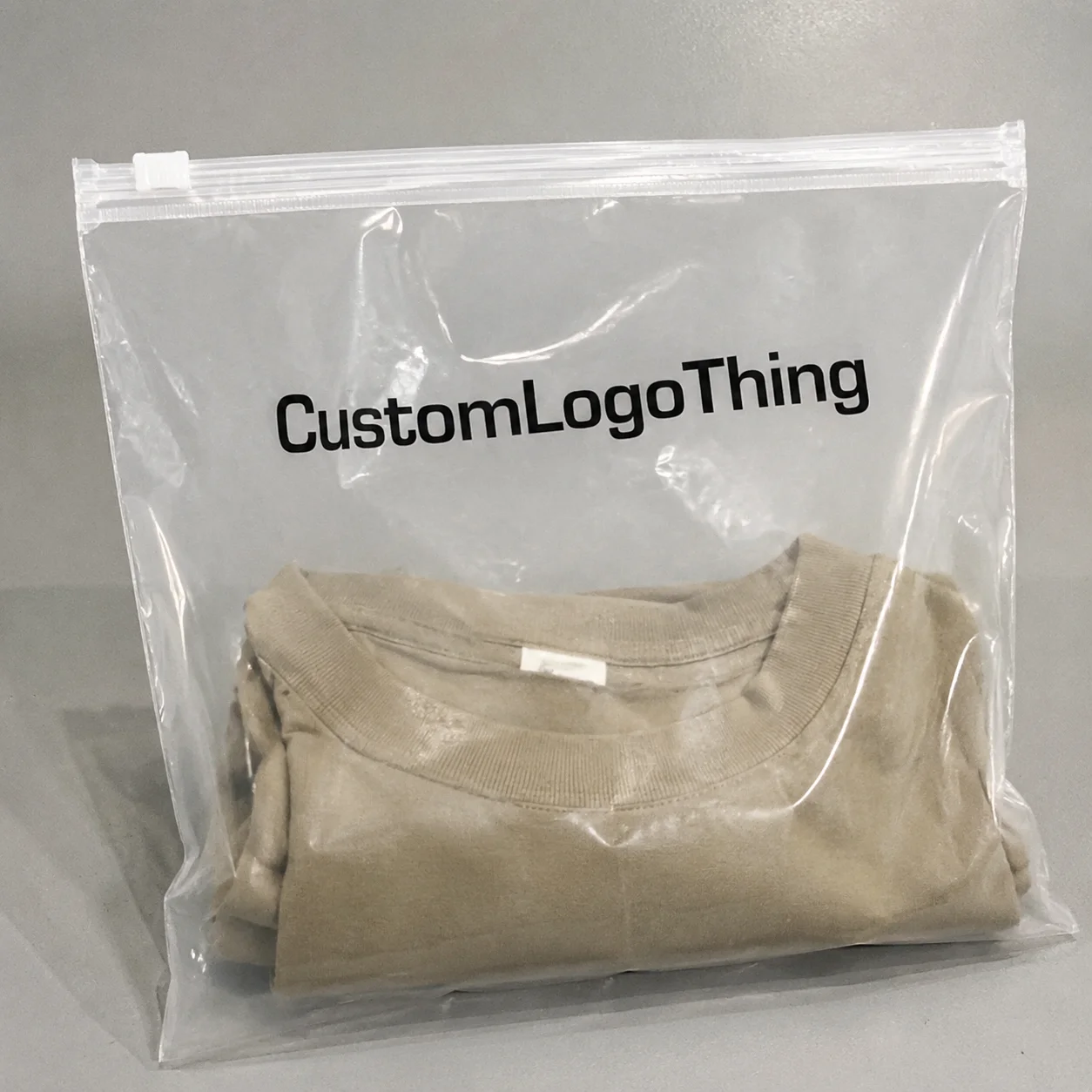
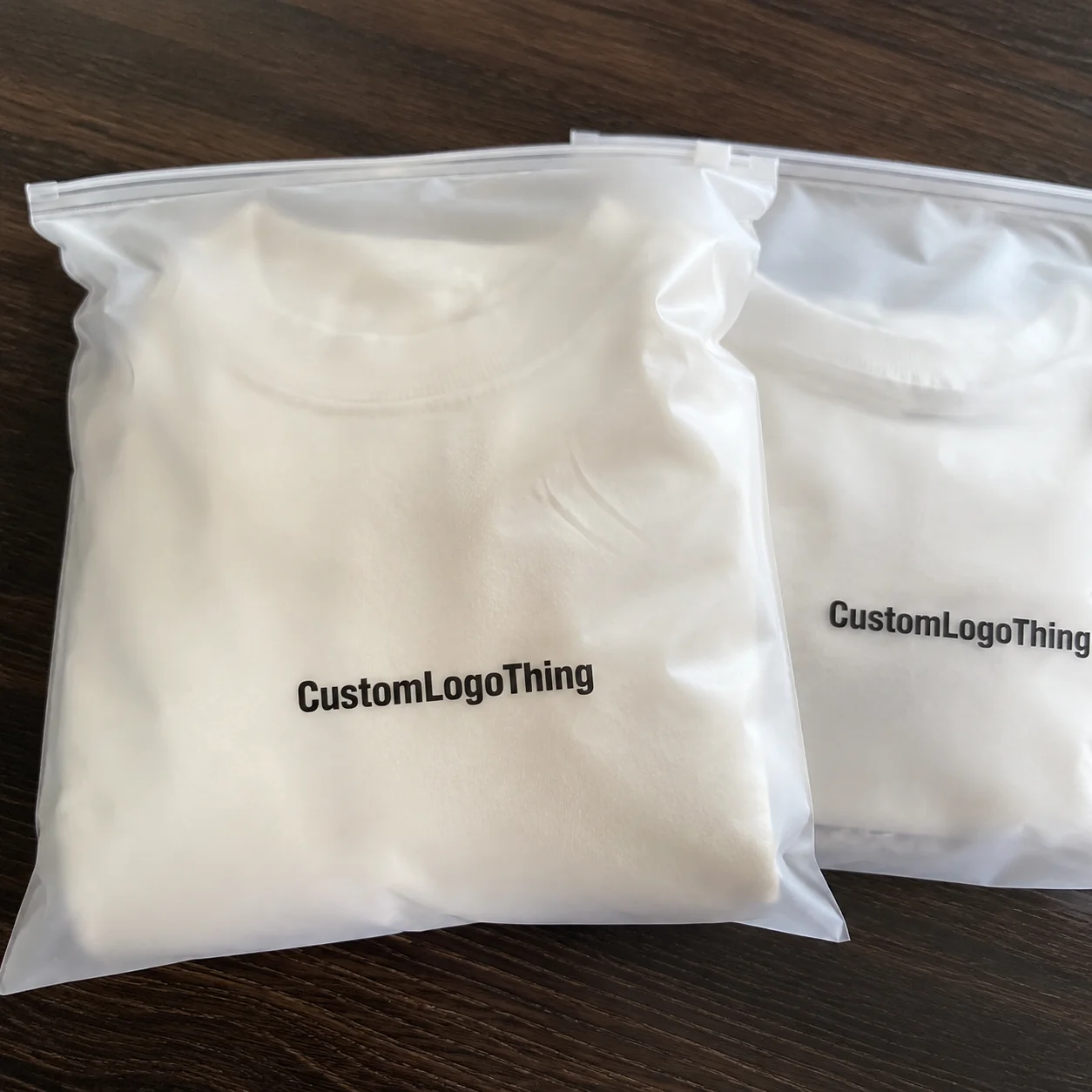
Two garment bags can look identical and still behave very differently once they hit a folding table, a warehouse cart, or a returns bin. That is why a Garment Poly Bags for Corporate buyers supplier quote checklist matters: it forces suppliers to quote the same spec, not their preferred version of it.
From a packaging buyer’s point of view, the cheapest-looking quote is often the most expensive one. A small film change can affect rejects, packing speed, seal performance, and whether you end up reordering because the first run was quoted too loosely.
Why a 2-cent film change can derail a rollout
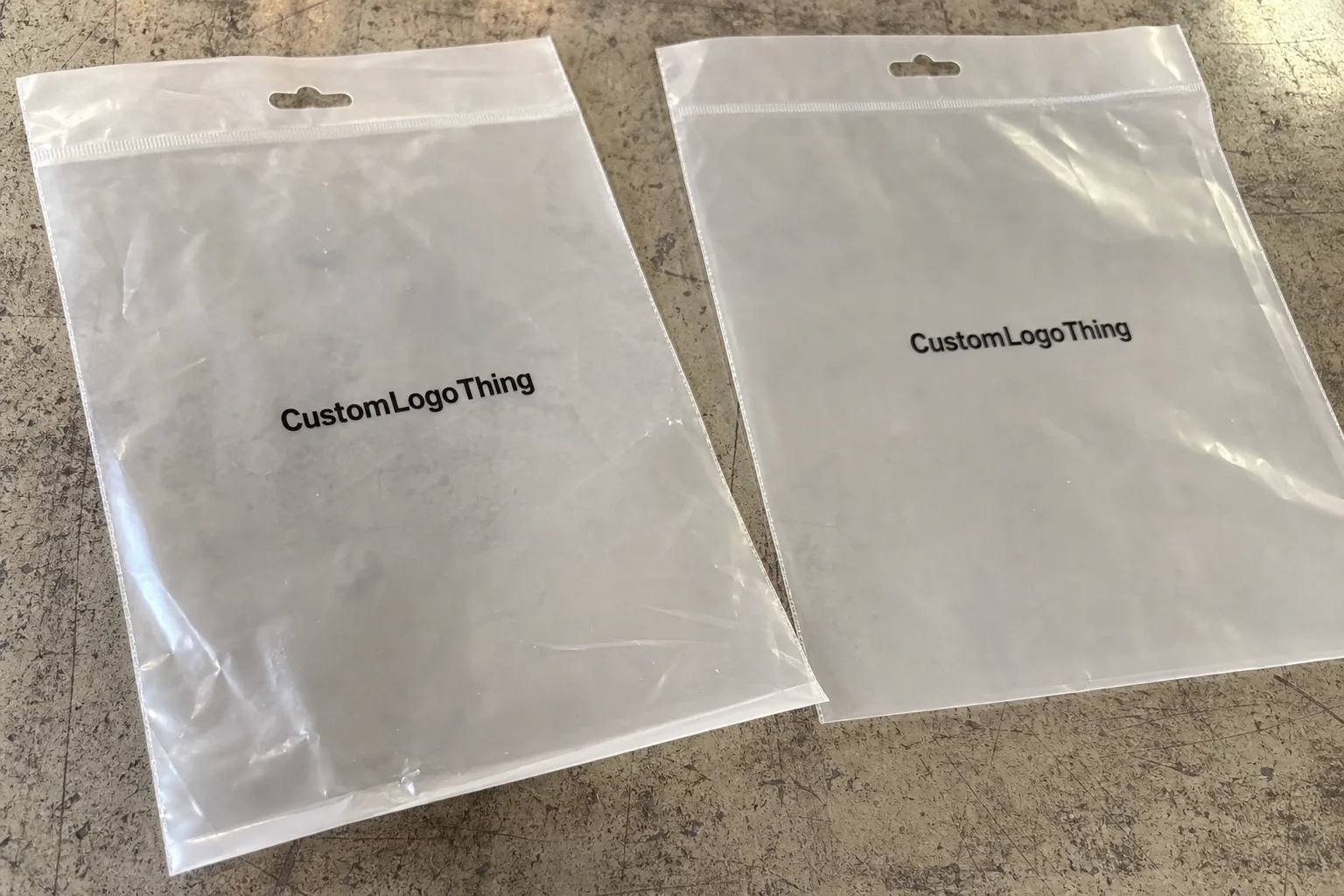
On paper, a poly bag is just a sleeve. In practice, the differences live in the details: film clarity, slip, seal strength, haze, static behavior, and whether the bag opens cleanly on a fast packing line. A bag that feels fine in a sample can still slow down labor once thousands of units move through a distribution center.
Corporate buyers should care about more than headline price. Film gauge, for example, affects puncture resistance and the way the bag holds up in transit. A 1.5 mil LDPE bag behaves differently than a thinner 1.2 mil version, and that difference shows up when garments are folded, stacked, and rehandled. If your team deals with returns or internal issue stock, weak seals and poor slip can turn a simple pack-out into a mess.
The common failure mode is simple: a supplier quotes a basic bag, then later adds charges for thickness, print colors, venting, or carton packing. Now the cheap bid is no longer cheap. That is exactly why the Garment Poly Bags for corporate buyers supplier quote checklist belongs in the RFQ, not in a follow-up email.
One practical point: the right spec protects brand presentation and cuts damage without forcing you to overbuy material. You do not need heavy film for every shirt. You do need a bag that matches the garment, the handling path, and the storage conditions.
What to specify before you request samples
Do not ask for samples until you have defined the bag properly. Otherwise you get a random sample from a drawer, which is not useful for pricing or fit. Start with the garment details. Is this for folded tees, dress shirts, knitwear, uniforms, or outerwear? The answer changes the width, length, and whether you need a bottom gusset.
Be specific on dimensions. List the finished bag width, finished length, and any gusset size if needed. If the bag will hold a folded shirt at 10 x 13 inches, say that. If the final packed garment is bulkier, say that too. Suppliers cannot quote accurately if they are guessing at product thickness or fold pattern.
Use the right material for the job:
- LDPE for flexibility, soft hand-feel, and better tear resistance.
- HDPE for a crisper feel and lower material usage, though it can feel stiffer and noisier.
- CPP or co-extrusion structures when clarity, stiffness, or a cleaner presentation matters more.
Then define the use case. Retail display is not the same as internal distribution. E-commerce packing is not the same as uniform issue. Storage bags need different protection than retail-facing presentation bags. If your operation needs faster packing, ask about a reseal strip, punch holes, hang holes, vent holes, or anti-static treatment. Those features affect both usability and price.
For samples, ask for one that matches the final film gauge, closure style, and print method. A generic sample can hide the real feel of the material and the real behavior of the seal. Have the supplier repeat your spec back in writing before they send samples. If they cannot summarize the order clearly, the production job is already shaky.
Skip vague language like “good quality” or “standard thickness.” Those phrases mean whatever the supplier wants them to mean. If you need an apples-to-apples comparison, the spec has to do the heavy lifting.
Print, clarity, and protection specs that change the quote
Print is where quotes start drifting. A one-color logo on a clear bag is one thing. Full-bleed art, multiple ink hits, or special finishes are another. Flexographic printing usually makes sense for larger runs because setup costs are spread across volume. Digital printing can work for shorter runs or fast artwork changes, but unit cost is usually higher.
Ink coverage matters more than buyers expect. A small logo in one corner costs less than a large printed panel because more coverage means more ink, more press time, and sometimes more setup complexity. If one supplier quotes a low price, check whether they included the same print coverage you asked for.
Protection options also change pricing. Ask about:
- UV protection if bags will sit under bright lighting or near windows.
- Anti-static treatment if static cling makes packing harder or attracts lint.
- Anti-fog if temperature swings create condensation.
- Recycled content if your procurement policy requires it.
- Low-slip or controlled-slip finishes if bags stack or feed through packing equipment.
Quality details matter too. Look at seal consistency, edge trim quality, haze, and any waviness in the film. A bag can technically meet size specs and still look sloppy on a retail table. Compare how the sample looks under light, not just on a desk. For buyers with sustainability claims, materials and documentation matter as much as print. If a supplier says the bag contains recycled content, ask how that claim is supported. If they say it is recyclable, ask in which market and under what collection conditions.
| Spec choice | Typical impact on quote | Best fit |
|---|---|---|
| 1-color flexo print | Lower setup, lower unit cost at volume | High-volume corporate basics |
| Multi-color flexo print | Higher plate and setup cost | Brand-heavy retail programs |
| Digital print | Fast changeover, higher unit cost | Short runs and fast turns |
| Anti-static or anti-fog add-on | Moderate price increase | Special handling or climate-sensitive storage |
| Higher clarity film | Often a modest premium | Retail display and presentation use |
One caution: clarity and thickness are not the same thing. A thicker film is not automatically better. Sometimes it just means more cost and a stiffer bag that packs worse. The right answer depends on garment weight, handling frequency, and whether the bag is meant to travel once or several times.
Quote, MOQ, and unit cost breakdown buyers should compare
A real quote should show the full cost stack: film cost, print setup, tooling or plates, converting, carton packing, freight, taxes, and any inspection or testing fees. If those items are not separated, you cannot compare suppliers fairly.
MOQ matters because it changes the math. Smaller runs usually carry a higher unit cost because setup is spread over fewer pieces. Larger runs lower the price per bag, but they tie up cash and storage space. A 5,000-piece order might land around $0.18 to $0.28 per unit depending on dimensions, print coverage, and film type. Push that to 20,000 or 50,000 pieces and the unit price may drop, but inventory risk rises.
When suppliers quote only the bag price, they leave room to add charges later. Ask for landed cost comparisons instead. Include freight to your destination, carton configuration, and any special palletization. A quote that looks cheaper by two cents can become more expensive once the shipping line is added.
Ask for tiered pricing at multiple quantities. A proper cost curve helps procurement see where the price actually improves. Example tiers often look like 5,000, 10,000, 25,000, and 50,000 pieces. That lets you judge whether it is worth increasing the order or splitting it across multiple shipments.
Also ask about overrun and underrun policy. Many converting runs allow a small tolerance either way. If you do not know the range, your receiving team can end up short or stuck with more inventory than planned.
Here is a simple line-item checklist you can use in the quote request:
- Bag dimensions and film gauge.
- Material type and any recycled content target.
- Print colors, print area, and artwork method.
- Quantity, carton count, and pallet count.
- Overrun and underrun policy.
- Freight terms and destination.
- Lead time start point.
This is where the Garment Poly Bags for corporate buyers supplier quote checklist earns its keep. It keeps you from comparing a real custom quote against a half-baked teaser.
Process, proofing, and lead time from RFQ to shipment
The order path should be boring. RFQ intake, technical confirmation, artwork proof, sample or pre-production approval, full run, QC, shipment. Any supplier who cannot explain that process clearly is asking you to do their job for them.
Delays usually come from four places: vague dimensions, missing artwork specs, approvals that drag on, or sample revisions that never end. A buyer sends a logo in the wrong format, production guesses at the print size, and everyone burns time fixing avoidable mistakes.
Typical timing depends on complexity. Stock-style bags move faster. Printed custom bags, special closures, or nonstandard film structures take longer. As a rough range, simple custom runs often need 12 to 15 business days after proof approval, while more complex programs can run longer. If a supplier promises too fast a turnaround without asking technical questions, be suspicious.
Always ask when the clock starts. Does lead time begin after deposit receipt, final artwork approval, or proof sign-off? Those are not the same thing. One day in procurement can become one week in production if the supplier uses a different start point than you do.
Proofing should not be a formality. Check the actual bag size shown in the proof, logo placement, font legibility, and any required compliance copy. On Printed Poly Bags, small art shifts can become obvious once the film is cut and sealed. If the artwork is meant to be centered or aligned with a fold, call that out in plain language.
Shipping is the final speed lever. Air freight can save a launch, but it often destroys margin. Sea freight is cheaper and usually better for recurring programs, but it needs more calendar buffer. If the bags will move as part of a packed retail kit or ship-ready assortment, basic transit testing is worth discussing.
Practical rule: if the order is tied to a store opening, uniform launch, or seasonal rollout, build in one extra approval cycle. It costs less to spend two days checking the proof than to rush-correct 20,000 bags. Also ask what part of the job controls the schedule. A supplier may have material ready but still miss ship dates because the print or converting slot is booked.
How to tell a real manufacturer from a middleman
Middlemen are not always bad. Sometimes they are useful for low-volume buys or hard-to-find stock. But if your order has print, custom size, compliance requirements, or repeat demand, you need to know who actually controls production. Otherwise you are one email chain away from confusion.
Look for proof points. Real manufacturers should be able to show in-house converting capability, QC photos, material sourcing details, and a named technical contact who can answer spec questions without hand-waving. If the supplier cannot explain film gauge tolerance, seal type, or carton count, that is a problem.
Ask for documentation:
- Material data sheets.
- Compliance statements if needed.
- Carton dimensions and pallet specs.
- Sample traceability or lot references.
- Production method and print confirmation.
Communication quality is a buyer risk. If the supplier cannot repeat your spec back in writing, the order is already shaky. Real manufacturing relationships reduce surprises and make reorders cleaner. That matters when you have the same garment bag program running across multiple departments or regions.
Stock sellers can win on speed. But they often lose on repeatability and accountability when the order gets complicated. A proper manufacturer or well-managed converter is more likely to hold thickness, print placement, and bag dimensions within agreed tolerances across reorder cycles.
There is one more tell: ask who signs off on first articles or pre-production samples. If nobody can answer that cleanly, the supplier may not have a disciplined QC process. That does not mean they are unusable. It means you should tighten your own approval steps.
Next steps for a clean order handoff
Send one complete request package. That means finished bag dimensions, quantity, material preference, print file, target ship date, and destination. If those details are scattered across three emails and a phone call, the quote will be messy.
Ask for a quote that separates bag cost, setup, packaging, and freight. Procurement needs clean line items to compare suppliers without guesswork. A total price can still be useful, but it should never be the only number on the page.
Request a digital proof first. If the order is high value, high volume, or tied to a launch, ask for a physical sample before production starts. That extra step often catches print placement mistakes, size mismatches, and confusing artwork scaling before they become expensive.
Use a written approval checklist. It should confirm dimensions, material, print colors, carton counts, pallet counts, freight terms, and overrun policy. That way the supplier is not working from assumptions, and your team has something to point to if the order drifts.
Choose the supplier that documents the spec cleanly, prices the full order honestly, and can repeat the same result on reorder. That is the point of a Garment Poly Bags for corporate buyers supplier quote checklist: fewer surprises, less waste, and better control.
One clean handoff also protects everyone downstream. Receiving, warehouse, and merchandising teams do not want to decode a vague purchase order. They want a bag that fits, prints correctly, arrives on time, and does not turn into a problem on day two.
FAQ
What should a garment poly bags for corporate buyers supplier quote include?
It should list dimensions, film type, thickness, print colors, quantity, packaging, and freight separately. It should also state MOQ, setup charges, lead time start point, and any overrun or underrun policy.
How do I compare unit cost across poly bag suppliers?
Compare the landed cost, not just the bag price. Add setup, packaging, freight, and any testing or tooling fees so the quote reflects what you actually pay.
What MOQ is normal for custom garment poly bags?
MOQ depends on print complexity and film type, but many custom runs start in the low thousands. If a quote is far below that, check whether the supplier is quoting stock inventory instead of true custom production.
How long does production usually take after approval?
Simple stock-style bags can move quickly, while custom printed orders usually need more time for proofing and converting. Ask when the clock starts, because lead time often begins at final artwork approval, not the day you send the inquiry.
What artwork file should I send for a poly bag quote?
Send vector artwork if possible, plus Pantone references, logo placement notes, and any required compliance copy. If the file is not final, label it clearly so the supplier does not build the quote around the wrong print assumptions.
What quality checks matter most on garment poly bags?
Check seal strength, cut consistency, film clarity, bag dimensions, print registration, and how the bag opens and stacks. A quote can look fine while the sample still fails those basic checks.