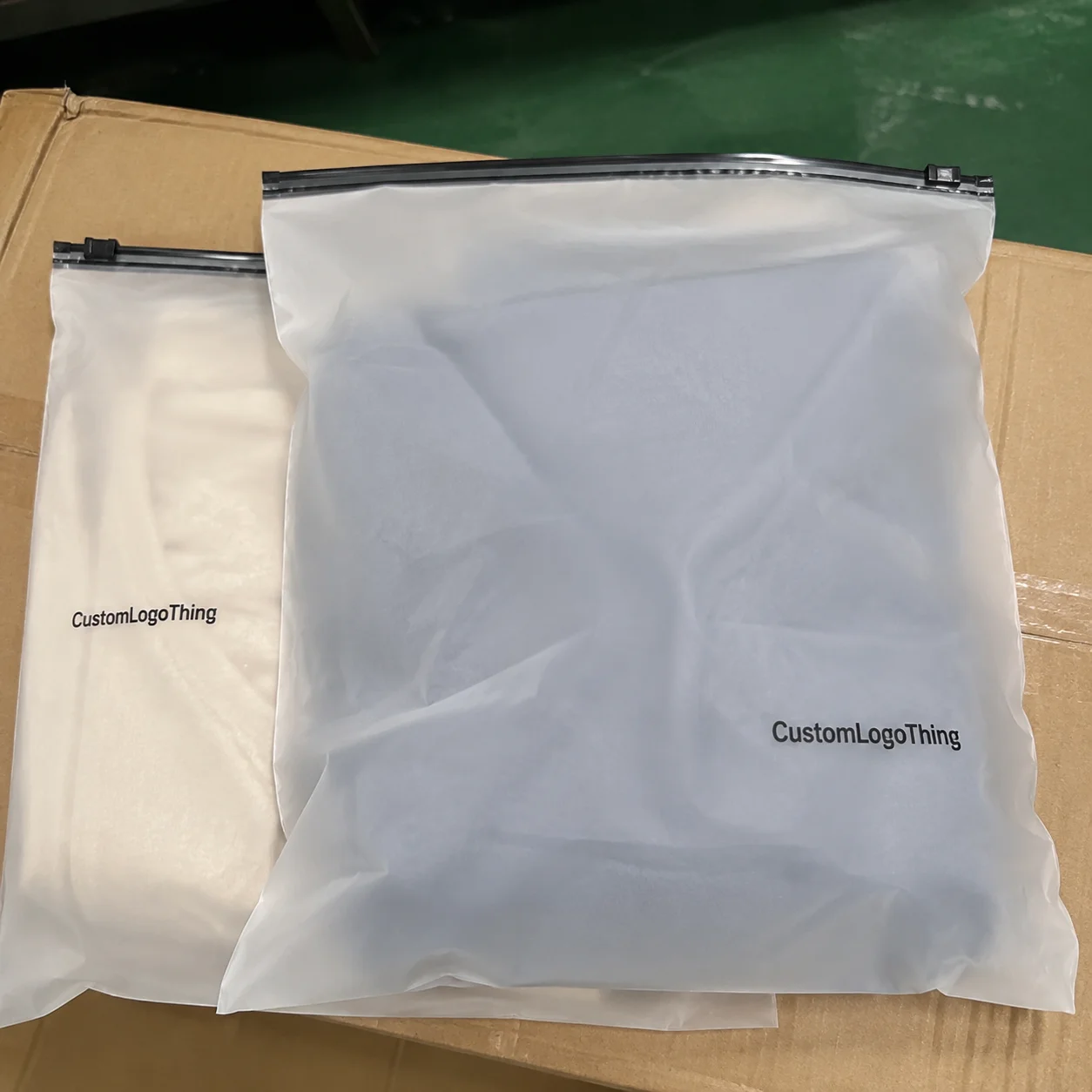
If you are sorting out Garment Poly Bags for sports clubs moq planning, the hard part is rarely the plastic film. It is the gap between what a club imagines and what a packing line can actually handle. Too small. Too thin. Wrong flap. Wrong print method. Wrong order quantity. Then the “budget” packaging becomes a round of re-bagging, delays, and unnecessary labor.
Sports clubs do not buy packaging for decoration. They buy it so shirts stay clean, sizes stay visible, and distribution does not turn into a mess on kit night. Good Garment Poly Bags for sports clubs moq planning starts before artwork and before price shopping. Size, closure style, safety print, and reorder frequency all affect the cost. Skip those basics and the quote will look fine until the order is in production. That is usually when the trouble starts.
Why sports clubs need garment poly bags that actually work
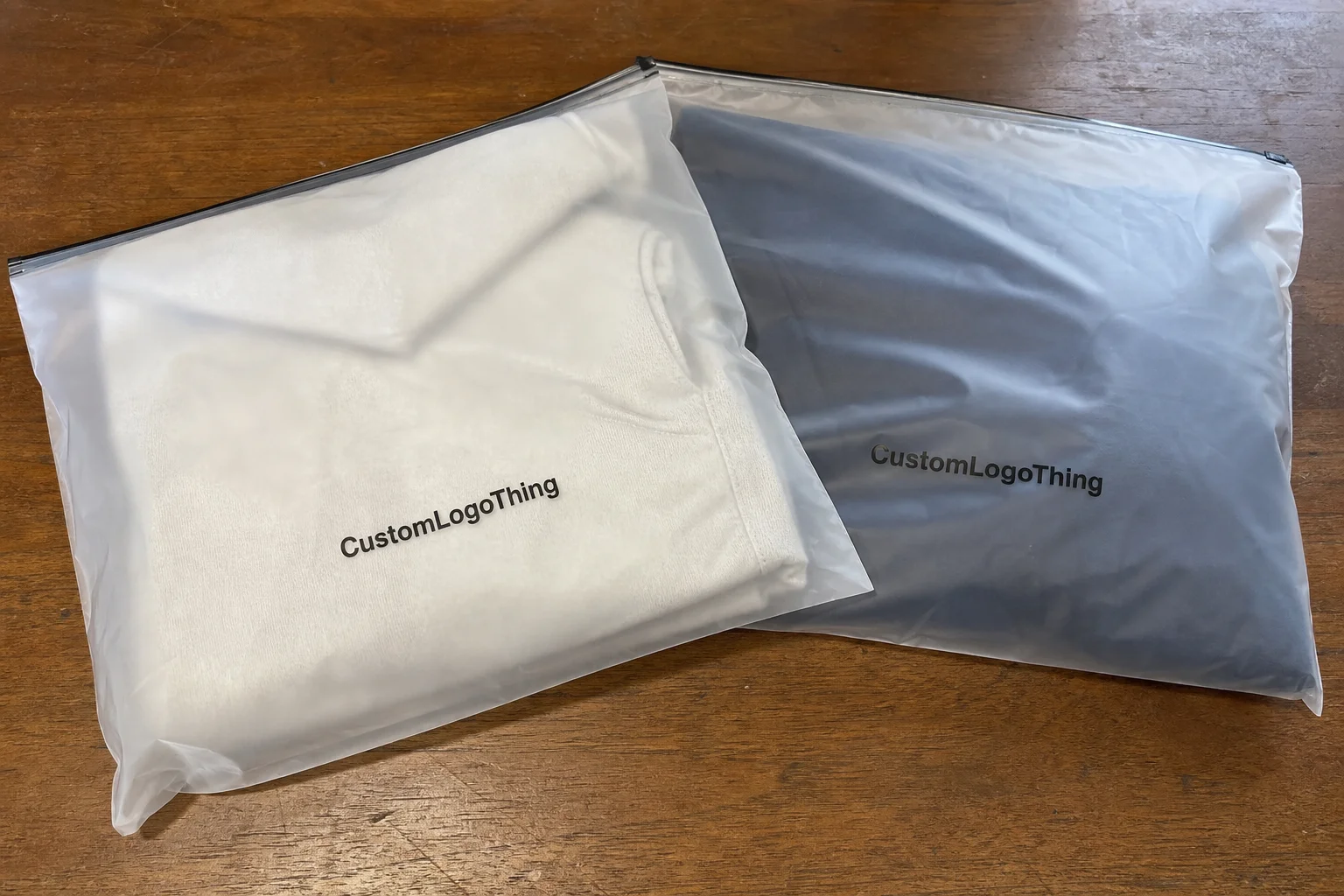
Team kit gets mixed up fast. One box of identical shirts sounds organized until three age groups, two sponsors, and a stack of shorts all end up in the same room. Then the packaging starts doing real work. A decent poly bag gives each item a clear identity, protects it during storage and transport, and makes sorting faster for volunteers who already have enough to manage.
From a buyer’s point of view, Garment Poly Bags for sports clubs moq planning is really about cutting avoidable work. If the bag tears during packing, someone repacks it. If the print is unclear, the wrong sizes get handed out. If the spec changes every season, the club never reaches the point where reorders are simple and costs are predictable.
There is also presentation. Members notice when clubwear arrives neatly packed rather than stuffed into a random carrier or shipped loose in a carton. That matters for retail merch too. Clean, consistent packaging makes the kit feel intentional. Cheap packaging that looks cheap can make good apparel feel second-rate. Not ideal, especially when sponsors are paying attention.
“Packaging for a sports club should make distribution easier, not create a new job.”
Clubs usually need mixed sizes, short runs, and repeat orders. That combination is exactly why the bag spec has to stay stable. Change the width, seal, or print every time and you lose scale benefits. You also make reorder comparisons messy, which is a lovely way to waste time later. Strong Garment Poly Bags for sports clubs moq planning keeps the spec repeatable even when the squad list changes.
There is a business angle too. Fewer damaged items. Fewer returns. Less labor spent checking and re-packing. More predictable inventory. Those are not glamorous wins, but they are the ones that show up in the budget.
One more practical point: clubs rarely buy just one type of pack forever. A team may use a clear distribution bag for player kit, then move to a printed sleeve for retail merch, then add a simple overbag for event packs. The trick is not pretending one format solves everything. It does not. The trick is matching the pack to the job and not paying for features nobody uses.
Product details that matter for club uniforms, merch, and kit packs
Most sports clubs do fine with one of four common formats: clear garment bags, resealable adhesive flap bags, euro-slot retail bags, or printed kit sleeves. The right one depends on whether the bag is for storage, distribution, retail sales, or event packs. Trying to make a distribution bag behave like a retail display pack usually ends in unnecessary spend.
Transparency is useful when staff need to check size or item type quickly. Clear bags help with fast sorting, especially on busy kit nights. Opaque or printed bags are better when the club wants a stronger brand look, sponsor messaging, or a tidier shelf display. In practice, clear is more operational. Printed is more polished.
For club uniforms and merch, these are the usual use cases:
- Jerseys packed by size and player name
- Shorts and socks bundled as kit sets
- Warm-up tops folded for easy distribution
- School or clubwear bundles for membership packs
- Event giveaway packs with flyers or sponsor inserts
Useful upgrades are simple, not fancy. A suffocation warning print. A hanger hole. A tear-off perforation. Vent holes for bulk-packed apparel. A label zone for barcode or size stickers. These details matter because they make packing faster and reduce confusion. They also reduce the chances of a pack being rejected on the floor because nobody can read the size or the warning text.
Sports clubs generally care more about speed and accuracy than premium packaging finishes. Gloss lamination on a garment bag? Usually unnecessary. Fancy die-cuts? Usually a waste. If the bag has to survive handling, show the size, and keep the kit clean, that is already doing the job.
For clubs that also sell merch, the packaging conversation can overlap with outer packs and e-commerce formats. If that is part of your order mix, it helps to compare garment bags against other pack types instead of treating every item as interchangeable. A garment bag should suit folded apparel. A mailer should suit shipping. Mixing those requirements creates ugly specs and even uglier quotes.
Poly bag specifications to lock in before you request a quote
If you want a quote that is actually useful, lock in the basics first. The main specifications are film thickness, width, length, flap style, seal type, print coverage, and opening direction. Leave those vague and suppliers will give you estimates, which are not the same thing as pricing. Estimates are how people end up arguing over “I thought you meant...” later.
Thickness is one of the biggest tradeoffs. Thin film can save money, but if it tears during packing or transit, the saving disappears fast. Heavier film gives better durability and a more premium feel, but unit cost rises. A common range for Garment Poly Bags is roughly 30–60 microns, depending on garment weight and handling requirements. Lightweight shirts can often use thinner bags. Bulk kit packs usually need more strength, especially if they are being handled multiple times before distribution.
Size is another place people go wrong. Measure the folded garment, not the loose item. Then add enough room for insertion and a clean presentation fold. If you are packing layered items, such as a jersey plus shorts, you need more space than you think. A bag that is too tight looks sloppy and slows packing. A bag that is too large creates extra movement and wasted material. Neither is clever.
A simple spec sheet makes comparison easier. It should list:
- Garment type and folded dimensions
- Target bag width and length
- Material type and thickness
- Seal or flap style
- Print details and number of colors
- Compliance text required
- Qty per size, if mixed sizes are involved
Compliance is not optional just because the bag is “only for club use.” Many clear poly bags need suffocation warning text, depending on the market and bag style. If your club wants recycled content options, ask early. That affects resin choice, clarity, stiffness, and sometimes price. For formal packaging standards and testing references, ISTA is a useful industry resource, and the EPA recycling guidance is a decent reference point for material discussion, even though local rules still control the final call.
One more practical point: decide whether the bag needs to be retail-ready or just distribution-ready. Retail-ready packaging usually needs better print alignment, barcode zones, and a cleaner finish. Distribution-only packaging can be simpler and cheaper. That difference affects both unit cost and tooling fees, so it should be settled early rather than discovered after the proof comes back.
Poly film itself also has a few behavior differences that matter in real packing. Softer film is easier to open, but can wrinkle more. Stiffer film presents better on shelf, but can crack or split if the thickness is too low for the bag size. If a club is bundling heavier items or multiple garments, the bag should be tested with an actual folded pack, not just measured on paper. Paper specs lie all the time. The garments usually tell the truth.
| Bag type | Best use | Typical MOQ comfort zone | Typical unit cost range | Main tradeoff |
|---|---|---|---|---|
| Clear garment bag | Kit sorting, size checking, stock control | Lower to medium | $0.08–$0.18 | Plain look, limited branding |
| Printed adhesive flap bag | Club branding, member packs, merch | Medium | $0.12–$0.28 | Setup charges matter on short runs |
| Euro-slot retail bag | Shelf display and shop sales | Medium to higher | $0.15–$0.32 | More retail finish, higher print sensitivity |
| Printed kit sleeve | Event packs and sponsor bundles | Higher | $0.18–$0.40 | Better presentation, less flexible for mixed kits |
Cost, pricing, and MOQ planning for sports club orders
The biggest price drivers are not mysterious. They are bag size, material thickness, print colors, quantity, and whether the order is stock or custom-made. On short custom runs, tooling fees and setup charges can matter more than the actual film in the bag. That is the annoying part nobody likes, but it is how production works.
For sports clubs, MOQ planning should start with usage, not hope. Base the quantity on the season’s kit volume, then add a buffer for replacements, late sign-ups, and size swaps. A buffer of 5% to 15% is usually sensible, depending on how often the club runs backorders. If the club is new or membership changes often, lower-MOQ stock bags may be smarter than custom print from day one.
Here is the tradeoff in plain language: lower MOQ means higher unit cost. Higher MOQ lowers cost per piece, but it ties up cash and risks dead stock if the club changes logo, sponsor, or team structure. In other words, cheap packaging can become expensive inventory. That happens more often than people admit, usually after the new season design arrives and the old stock suddenly looks awkward.
Below is a practical planning view for garment poly bags for sports clubs moq planning:
| Order profile | MOQ approach | Likely unit cost | Best fit |
|---|---|---|---|
| Small club, one team | Stock bag or one-color print at lower MOQ | Higher | Limited cash outlay, fast turnover |
| Multi-team club | Custom size with repeatable spec | Medium | Seasonal kit packs, recurring reorders |
| Retail merch program | Higher MOQ to reduce cost per piece | Lower | Stable designs, regular sales volume |
| One-off event pack | Keep spec simple and quantity tight | Higher | Single-use promotional or sponsor packs |
As a rough buying guide, stock clear garment bags may sit around $0.08–$0.18 per unit, while custom printed options often land around $0.12–$0.32 per unit, depending on quantity and print coverage. Smaller runs can go above that, especially if artwork changes after proofing or if there are special features like hang holes, perforations, vent holes, or extra thickness. All of those add cost. Sometimes they add value too. The trick is knowing which ones actually matter for the club’s use case.
Order enough for the full season. That sounds obvious, but clubs often underbuy because they only count current members and forget replacements, late registrations, damaged bags, and reorders from a second batch of kit. One batch for now, another batch six weeks later, and suddenly the club is paying twice for setup. Not brilliant.
If you want the quote to be clean, ask for bulk pricing at a few quantities. For example: 1,000, 3,000, and 5,000 pieces. That shows where the cost per piece drops and whether the jump in MOQ is worth it. If it is not, stay smaller. Discipline beats vanity ordering. There is no award for the biggest box of unused bags.
There is also a timing cost hidden inside MOQs. A very low order can be quick, but repeated reordering means repeated approvals, repeated shipping charges, and repeated admin. A very high order can lower unit cost but slow down approval if the club has to argue over cash. The right number sits somewhere in the middle, and it depends on how stable the kit program really is. Stability matters more than optimism.
Process and timeline: from artwork approval to delivery
The normal workflow is straightforward: quote, spec confirmation, artwork proof, sample or pre-production check, production, packing, and delivery. The part that slows most orders is not the factory run. It is the back-and-forth before approval. Missing dimensions, low-resolution logos, and late quantity changes are the usual culprits. Every revision adds time. Sometimes not much. Sometimes enough to blow the delivery window.
For stock bags, delivery can be relatively fast once quantities are confirmed. For custom printed bags, a realistic timeline is often 10–20 business days from proof approval, depending on print complexity and current production load. Repeat orders usually move faster because the bag size, artwork, and film spec are already locked. That saves time and reduces the chance of errors. It also makes the quoting process less painful, which is a welcome side effect.
If the club wants a rush order, keep the spec simple. One size. One print color. Ready artwork. No mid-order changes. That is the only way rush jobs stay sane. Otherwise, the schedule slips because every extra revision creates another checkpoint and another opportunity for someone to discover a missing detail at the worst possible time.
Good order sequencing looks like this:
- Approve bag size first
- Confirm closure and print method
- Check artwork against the bag area
- Confirm compliance text and barcode zones
- Choose shipping method and delivery date
That sequence sounds boring. It is. Boring is good. Boring is what keeps a production run from becoming a repair job.
Quality control also matters more than the average quote sheet suggests. A decent pre-production check should confirm bag width, seal integrity, print placement, film clarity, and whether the finished bag opens the way the packing team expects. If the adhesive flap grabs too early, if the print sits too close to the edge, or if the film scuffs easily, those issues should be caught before the full run starts. Fixing them after production is expensive and irritating.
For clubs that want to understand the broader packaging range before finalizing a bag spec, our Custom Poly Mailers page can help compare outer-pack needs versus garment-bag needs. They are not the same thing, and mixing them up leads to mismatched quotes.
How we help clubs compare options, avoid waste, and keep reorders simple
The best supplier is not the one that pushes the lowest headline price. It is the one that helps you match the bag to the packing workflow. That means recommending a format that fits the club’s actual use, not just the prettiest sample on the desk.
In practice, better planning reduces overbuying, mismatched sizes, and branding inconsistency across teams or seasons. If the club changes from one bag width to another every order, reorders become a mess. If the print area shifts, the logo looks different. If size labels move around, the packing team wastes time searching. If the film spec changes without a reason, the whole stock room starts looking less like a system and more like a bet.
We also keep the unglamorous details in view: artwork checks, size matching, barcode placement, and reorder consistency. Those things are not flashy, but they are the difference between a clean repeat order and a confusing restart. A supplier that can hold the spec steady is worth more than one that only talks about unit price.
Cost control usually comes from simplification. One versatile bag size may cover multiple garments if the fold is standardized properly. That can lower inventory holding, reduce SKU confusion, and make future orders easier to forecast. Sometimes one bag across three kit types is better than three bag sizes with slightly different specs. Sometimes it is not. The point is to test the packing reality before creating extra SKUs.
We also keep the discussion grounded in total spend and reorder behavior. A lower MOQ looks attractive until the club has to repeat it three times in one season. Then the “small order” has quietly become the expensive one. Better to compare total spend, lead time, and stock risk instead of staring at the first invoice and calling it strategy.
If you want to browse a wider packaging range after the bag spec is settled, Custom Packaging Products is a practical place to compare formats without pretending every pack type solves the same problem. Spoiler: it does not.
Next steps for ordering the right club packaging without guesswork
Before you request a quote, gather three things: garment dimensions, estimated quantity, and whether printing is required. If you can also share the type of kit pack, the supplier can narrow the bag spec quickly instead of throwing random options at you.
Decide whether the order is for training kits, retail merch, or event packs. That one decision changes the bag format, the print approach, and often the MOQ. A training kit bag can be simpler. Retail merch needs better presentation. Event packs may need extra room for inserts and sponsor material.
Confirm MOQ tolerance early. If the club only wants 500 pieces, say so. If it can stretch to 2,000 for better bulk pricing, say that too. The quote should reflect your real buying range, not a sales pitch for a quantity you do not want. Too many orders get inflated because nobody wanted to admit the club would never use the extra stock.
Send logo artwork and any compliance text before proofing starts. If the bag needs warning text, size labels, or barcode zones, those details should be visible in the first layout. That avoids rework later, which is how simple orders become annoying ones.
Here is the practical checklist:
- Measure the folded garment
- Choose clear, printed, or resealable format
- Confirm thickness and seal style
- Estimate season-wide quantity, plus buffer
- Approve artwork before production
Then compare unit cost, lead time, and reorder flexibility side by side. That is the real buying decision. Not the cheapest bag on paper. Not the flashiest sample. The spec that fits the club’s actual workflow and does not create avoidable waste. For garment poly bags for sports clubs moq planning, that is the whole point.
What is the best MOQ planning approach for garment poly bags for sports clubs?
Base MOQ on actual kit volume plus a small buffer for replacements and late sign-ups. If the club is new or seasonal, choose a lower-MOQ stock or lightly printed option to avoid overbuying. If reorders are likely, lock one spec early so future runs stay consistent and cheaper.
How do I choose the right size for club kit poly bags?
Measure the folded garment, not the loose item. Add room for insertion, sealing, and a clean presentation fold. Use one test pack before ordering in bulk if the garment mix includes different sizes or layered items.
Do sports club garment poly bags need warning text or compliance print?
Often yes, depending on the market and bag style. Many clear poly bags require suffocation warning text and specific safety messaging. Confirm compliance requirements before artwork approval so the print layout does not need rework later.
What affects the unit cost most on custom club packaging?
Quantity is the biggest driver. Bag size, thickness, number of print colors, and any special features like hang holes, vent holes, or resealable flaps also change pricing. Artwork changes after proofing can add cost and delay the order.
How long does production usually take for custom sports club poly bags?
Stock bags ship faster than custom printed bags. Custom orders take longer because of proofing, setup, production, and shipping. Repeat orders are usually quicker if the size, artwork, and material are already approved.