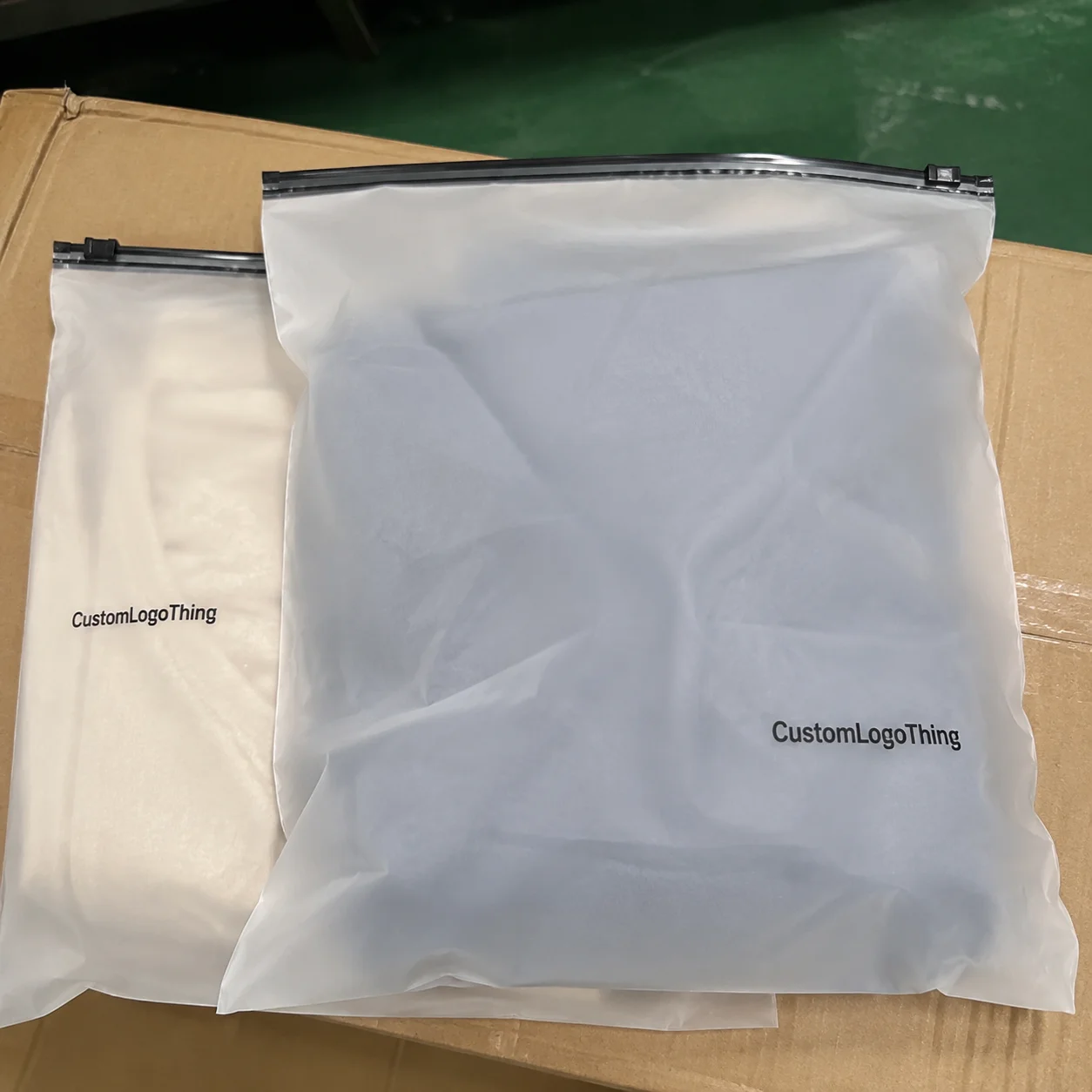
Garment Poly Bags for hotel groups retail launch checklist work is not about wrapping apparel and moving on. It is about keeping the launch from tripping over small packaging failures: wrinkled product under bright lobby lights, bags that are too big for the fold, static cling on fine knits, or a back-of-house team that wastes time because the packaging spec was approved too late.
From a buyer's perspective, the bag has three jobs. Protect the garment, keep presentation consistent across properties, and make receiving or restocking faster for staff who already have enough to do. That is why a useful checklist needs to cover spec, sample approval, lead time, and landed cost. Artwork matters. So does the operating model.
Hotel groups have a harder problem than a single-store apparel launch. One property may be a compact city hotel with a small retail nook, another a resort with a larger merchandise wall, and another a seasonal pop-up that only runs for part of the year. The packaging has to scale across all of that without looking improvised.
Why packaging details derail hotel retail launches
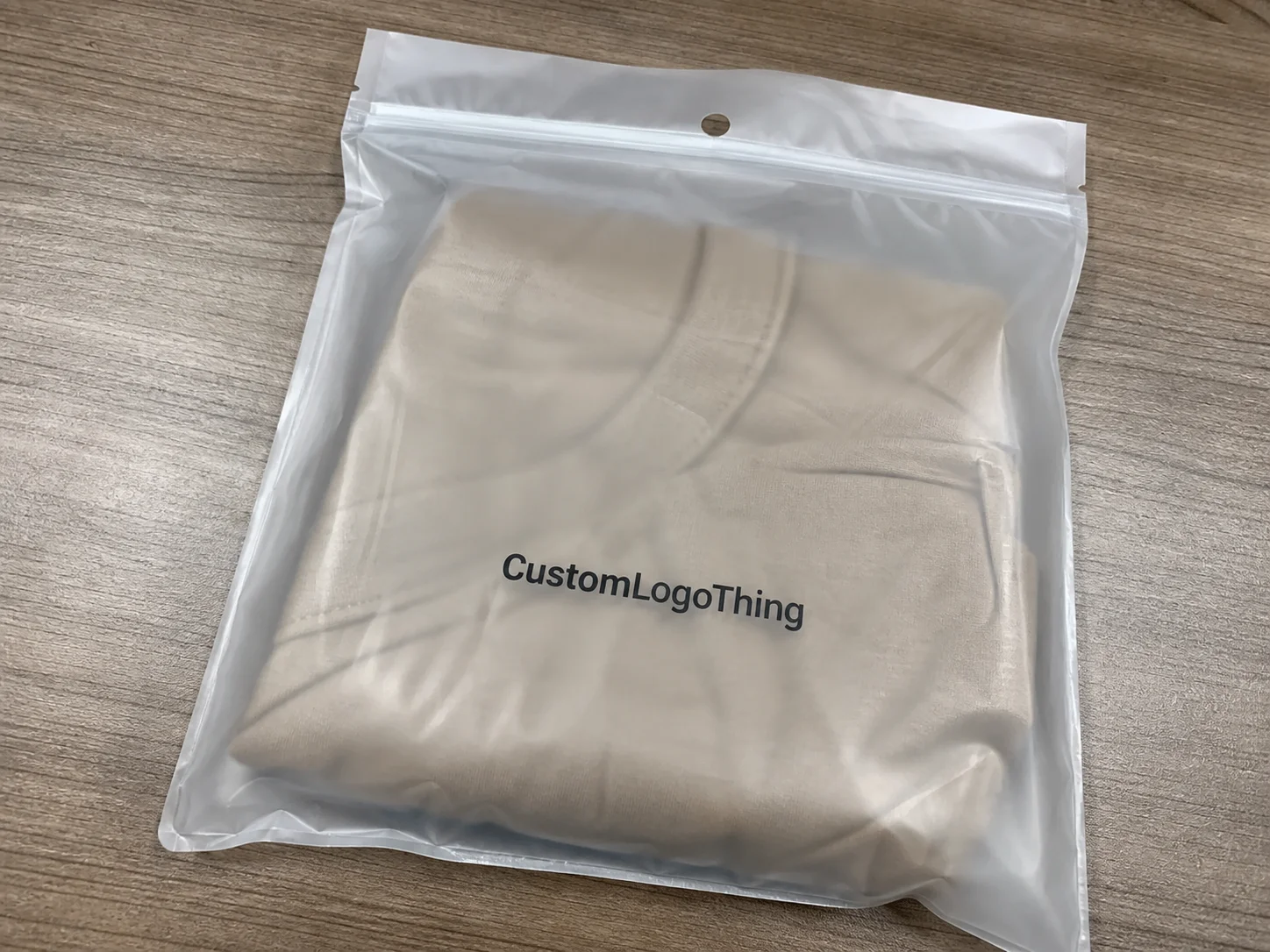
Most launches do not fail because someone forgot to order bags. They fail because the sample looked fine on a desk and behaved badly in real use. Clear film can fog when temperature changes. Thin film can collapse around a folded shirt. Too much gloss can make a premium item look noisy instead of clean. Under hotel lighting, those flaws show up quickly.
The bag is part display piece and part handling tool. That matters more in hotel retail than in many standard apparel settings because staff move fast, storage is tight, and inventory often gets replenished from a back room rather than a dedicated warehouse. A good bag keeps items flat, helps teams identify SKU groups, and protects the garment during transfers between properties or departments.
A hotel group also needs consistency across locations. One property may want a shelf-ready look, another may hang product, and a third may store stock in shallow drawers. If the spec changes every time someone gets nervous about dimensions, the launch gets messy. A practical checklist starts with standardization, then makes room for real garment differences.
The bag is not just a wrapper. It is a handling system that has to look good under bad lighting.
If the launch also needs broader packaging support, it helps to compare the bag plan with other formats like Custom Packaging Products and shipper options such as Custom Poly Mailers. The goal is not more packaging. The goal is Packaging That Fits the workflow.
For transit and disposal context, I usually point teams to ISTA for handling and transit testing and EPA recycling guidance for material and disposal considerations. Not glamorous. Useful, though.
How the bag spec affects display, storage, and handling
Film thickness changes the way the bag feels and the way it holds shape on the shelf. Thin film saves money, but it tends to wrinkle, shift, or collapse around folded apparel. A slightly heavier film usually gives more structure, which helps after shipping, during storage, and during repeated handling. For many retail apparel launches, something in the 1.5 to 2.5 mil range is common, though the right answer depends on garment weight and fold style.
Closure style matters just as much. Open-top bags are faster and cheaper. Resealable adhesive flaps are better when staff need to reopen the bag for steaming, inspection, or return handling. Hang holes and header cards make sense in some merchandising setups, but not all. If the item sits flat on a shelf or in a drawer, a hang feature adds no value. If it hangs on display, the wrong closure adds labor every time someone touches the unit.
Clear film helps color and texture read quickly, which is useful for premium basics and hotel-branded apparel. The tradeoff is glare. Too much shine under warm hotel lighting can make the merchandise feel busy. Frosted or matte options reduce glare and can look more refined, but they also reduce visibility. There is no universal winner here. A premium finish that works in one property can look wrong in another if the lighting is harsher or warmer.
Storage and handling are where good-looking samples often fall apart. Receiving teams need bags that stack cleanly in cartons, open without fighting static, and seal predictably. If a team has to wrestle the bag to get a folded robe back inside, they will find a shortcut. Usually a bad one. Include barcode zones, warning copy, and carton pack counts so the packaging supports the workflow instead of creating another bottleneck.
Bag dimensions need to match folded garment dimensions, not guessed dimensions. A shirt floating in an oversized bag looks sloppy. A robe crammed into a tight bag looks compressed and tired. That is why a Garment Poly Bags for hotel groups retail launch checklist should be built from actual folded samples, not product descriptions alone.
Key specs to lock before you request samples
Before anyone asks for samples, lock the core spec sheet. Material type, film thickness, width, height, closure style, venting, print coverage, carton pack, and whether the bag needs a hang hole or adhesive flap. If those variables are still moving, the sample stage becomes a guessing game and nobody can make a meaningful decision.
Size by garment category, not by optimism. T-shirts, folded button-downs, lounge sets, robes, and lightweight outerwear pack very differently. A tee may fit cleanly in a narrower bag, while a robe needs more width and height to avoid bunching. One size across all categories usually creates waste, either in material or in presentation.
Branding is another place where teams overcomplicate things. Some launches only need a logo and warning copy. Others need a custom print panel, barcode placement, or a branded insert card. Heavy ink coverage can raise cost and reduce clarity. A cleaner layout often sells the product better because the apparel stays the focus.
For multi-property launches, compliance copy matters. Check suffocation warnings, recycling marks, and any region-specific packaging language before artwork is approved. If the bags will ship into different markets, do not assume one layout works everywhere. It might. It also might turn into a reprint problem.
- Material: LDPE, CPP, or another agreed film based on appearance and stiffness.
- Thickness: commonly 1.5-2.5 mil for retail apparel, depending on the garment and handling.
- Dimensions: matched to folded item measurements, not a generic stock size.
- Closure: open-top, adhesive flap, or resealable option based on store workflow.
- Print: logo, warning line, barcode zone, or full custom artwork.
- Carton pack: sized for receiving efficiency and shelf storage.
If the team cannot state those items clearly, the samples are premature. That sounds basic because it is basic. Yet a surprising number of launches skip this step and then wonder why the first proof looks wrong.
Production steps and lead time from proof to delivery
The path from approval to arrival is usually predictable if nobody keeps moving the target. It starts with spec confirmation, then artwork setup, then digital proof, then sample or pre-production review, then manufacturing, packing, and freight. Each stage is simple on paper. Each stage also gets messy when different stakeholders keep reopening decisions.
Artwork delays are a classic problem. Missing compliance text, wrong logo files, and late changes to carton labeling are common causes of slippage. If multiple hotel departments need sign-off, build that time into the schedule up front. Otherwise the packaging becomes the thing that holds the entire launch hostage, which is exactly the kind of excitement nobody wants.
Typical timing depends on complexity. Stock or lightly customized bags can move faster, especially if the art only changes a small print area. Fully custom printed runs need more time for proofing and production coordination. Freight mode matters too. Air freight can rescue a late launch, but it is expensive. Ocean freight is fine if the schedule is real. Not hopeful. Real.
A simple milestone calendar helps. Tie packaging approval to merchandising, inventory receipt, and store training. If one team signs off on the bag a week before opening while another team is still finalizing SKU counts, the launch will wobble. Packaging should be one of the earlier locked items, not the last thing everyone rushes through because it looks easy.
For higher-stakes programs, I would rather see a pre-production proof and a photographed sample than a string of email approvals. A screen image is not a packaging sample. It does not show how the film behaves, how the seal looks, or whether the pack feels too flimsy in the hand.
Cost, MOQ, and quote variables that change unit price
Price on poly bags moves with a few main levers: size, film thickness, custom printing, closure type, carton pack, and total volume. The same bag can be cheap or annoyingly expensive depending on those choices. That is why a quote should show the assumptions clearly. If it does not, the buyer is comparing fiction.
MOQ matters, especially for hotel groups testing a pilot property before rolling out to the full chain. Lower quantities are easier to approve, but the unit price is usually higher. Larger runs improve pricing, but only make sense if the product line is stable and the launch plan is not still shifting. I have seen teams save money on the purchase order and lose it later through rework, rushed freight, or inconsistent bags across properties. Cheap is not the same as efficient.
Here is a practical comparison for custom retail apparel bags. Exact pricing shifts by film, print coverage, and supplier setup, but the structure holds up.
| Option | Typical Use | Approx. Unit Price | MOQ | Lead Time |
|---|---|---|---|---|
| Stock clear poly bag | Fast pilot or interim launch | $0.04-$0.09 | 1,000-5,000 | Fastest, often days to a couple of weeks |
| Lightly customized bag | Logo, warning line, barcode zone | $0.08-$0.18 | 5,000-10,000 | Often 12-15 business days after proof approval, plus freight |
| Fully custom printed bag | Brand-led retail launch across properties | $0.15-$0.35 | 10,000+ | Usually longer because of proofing, production, and transport |
The quote comparison should also include carton pack, palletization, and any tolerance rules for film thickness and print registration. Those details sound dull until a shipment arrives with awkward carton counts or a print that drifts just enough to make the brand look careless. A clean quote is not the cheapest one. It is the one that tells the truth.
If the supplier can provide tiered pricing for pilot, launch, and scale volumes, that is useful. It gives the buyer a realistic path from a small property group to a wider rollout without rebuilding the sourcing plan every time the order grows.
Step-by-step retail launch checklist for hotel groups
Start with the merchandise map. List every garment category, folded dimensions, destination property, and expected sales format. A lobby shop, a spa boutique, and a resort retail wall may all need slightly different packing behavior. If that data is missing, the packaging spec is guesswork wearing a procurement badge.
Next, build the sample approval team. Merchandising, operations, and brand all need a say. One person can approve a photo. A launch-ready package usually needs cross-functional sign-off, because the bag has to work for the people who sell it and the people who handle it. That sounds obvious until a launch fails because one department never saw the final version.
Then lock the order sequence.
- Finalize the spec sheet.
- Approve the artwork proof.
- Check the sample or pre-production proof.
- Release production.
- Track shipment.
- Prepare receiving and restock instructions.
That sequence keeps the launch moving without making one person guess what the other person approved. It also creates a paper trail, which helps when different properties need the same standard months later and nobody remembers why the first version looked the way it did.
The physical launch checklist should include carton labels, storage location, replenishment rules, and a packing guide for staff. I would also add a simple photo reference so teams know what a finished unit should look like once it is bagged. Small thing. Big payoff. It cuts down on inconsistent packing across properties, which is a boring problem until the merchandise starts looking different from store to store.
Use this section as the operational core of the Garment Poly Bags for hotel groups retail launch checklist. If the packaging plan cannot survive receiving, storage, and restocking, it is not a launch plan. It is a presentation mockup.
Common mistakes and the fixes that prevent them
The biggest mistake is choosing one bag size for every garment because it feels efficient. It is not efficient. It creates oversized Bags for Small items and crushed presentation for bulkier items. The fix is simple: group SKUs by folded dimension and create size bands instead of forcing one format onto everything.
Another mistake is overbranding. Heavy graphics can make a bag look busy, especially when the product itself should do the selling. In hotel retail, packaging should frame the apparel, not shout over it. If the product is strong, a cleaner bag usually reads better and costs less.
Approval order causes trouble too. Teams approve artwork before confirming hole placement, closure style, or compliance copy. Then they discover the print area moved or the warning line no longer fits. That means revisions, wasted time, and a little political theater nobody asked for. Avoid it by locking the mechanical spec first.
Operational fit gets ignored more than it should. If staff have to fight the bag during packing or restocking, they will find shortcuts. Those shortcuts become inconsistent presentation, damaged seals, or bags stuffed into storage bins like they offended someone. The fix is to test the bag in the hands of the people who will actually use it, not just in the hands of procurement.
A final mistake is comparing quotes by unit price alone. A thinner film, weak QC, or vague packing term can erase the apparent savings fast. Compare total landed cost, not just the number on the first line of the quote. Boring advice. Still the right advice.
Expert tips and next steps before you place the order
Run a small pilot if the launch is new. Pack one garment type, store it for a few days, then check for haze, wrinkles, static, seal failure, and presentation drift. This catches more problems than a stack of email approvals ever will. It is cheap insurance. Packaging is full of tiny failures that only show up after the bag has sat on a shelf for a while.
Ask for a production sample or pre-production proof whenever the order includes custom print or a new size. A digital proof shows layout. It does not show how the bag behaves in use. If the supplier treats those as interchangeable, keep your guard up. They are not the same thing.
Build one master spec sheet for procurement, merchandising, and operations. Include size, film thickness, closure, print area, carton pack, approval date, and the property list. That one document reduces version drift. Everyone should be working from the same source, not three slightly different email threads that slowly diverge.
If the team is still deciding on launch packaging, ask for a tiered quote with pilot, launch, and scale pricing. That makes the buying decision more realistic and helps hotel groups plan the rollout without getting trapped by a price that only works at one volume.
The short version: measure the garments, lock the spec, check the sample, price the volume tiers, and confirm freight timing early. That is how the Garment Poly Bags for hotel groups retail launch checklist turns into a launch-ready system instead of a loose list of packaging chores.
FAQ
What size garment poly bags work best for hotel group retail apparel?
Choose size by folded garment dimensions, not by guesswork. T-shirts, robes, and lounge sets usually need different widths and heights. Leave enough clearance for clean insertion without so much extra space that the package looks sloppy.
Should hotel retail launches use resealable or open-top poly bags?
Use resealable bags when staff or guests will reopen the package often. Use open-top bags when the goal is simple protection and faster packing. Pick the closure that matches the workflow, not the one that sounds best on paper.
How much lead time do garment poly bags usually need for a launch?
Simple stock bags move faster than fully printed custom bags. Artwork approval, sample review, and freight mode are usually the biggest schedule drivers. Add more time if multiple hotel stakeholders need to sign off.
What affects MOQ and unit cost the most on custom poly bags?
Bag size, film thickness, print complexity, and total order volume all move pricing. Lower quantities usually cost more per bag. Tiered quotes help you compare pilot, launch, and scale pricing before you commit.
How do you keep poly bags consistent across multiple hotel properties?
Use one master spec sheet for size, print, closure, and carton pack. Standardize the approval process so every property is working from the same version. Train receiving and retail staff on storage and packing rules before the launch.