Garment Poly Bags for sports clubs retail launch checklist matters because packaging is part of the first impression. A premium jersey in a wrinkled or oversized bag looks less premium, even if the garment itself is right. Buyers notice fit, clarity, and presentation before they notice the spec sheet.
For clubs selling through pro shops, stadium kiosks, pop-ups, and event tables, the bag has a practical job. It needs to protect the apparel, keep it clean, support fast packing, and look retail-ready under bright lighting. The best packaging does not draw attention to itself. It helps the product sell without creating work for staff.
The launch checklist is a control sheet for the basics: size, film thickness, closure, branding, warning text, label placement, and lead time. Miss one of those pieces and the launch turns into a repacking exercise. That is avoidable if the spec is locked early.
Practical truth: packaging does not need to be flashy. It needs to fit, hold up, and scan cleanly.
What Makes Garment Poly Bags for Sports Clubs Retail Launch Checklist Matter at Launch
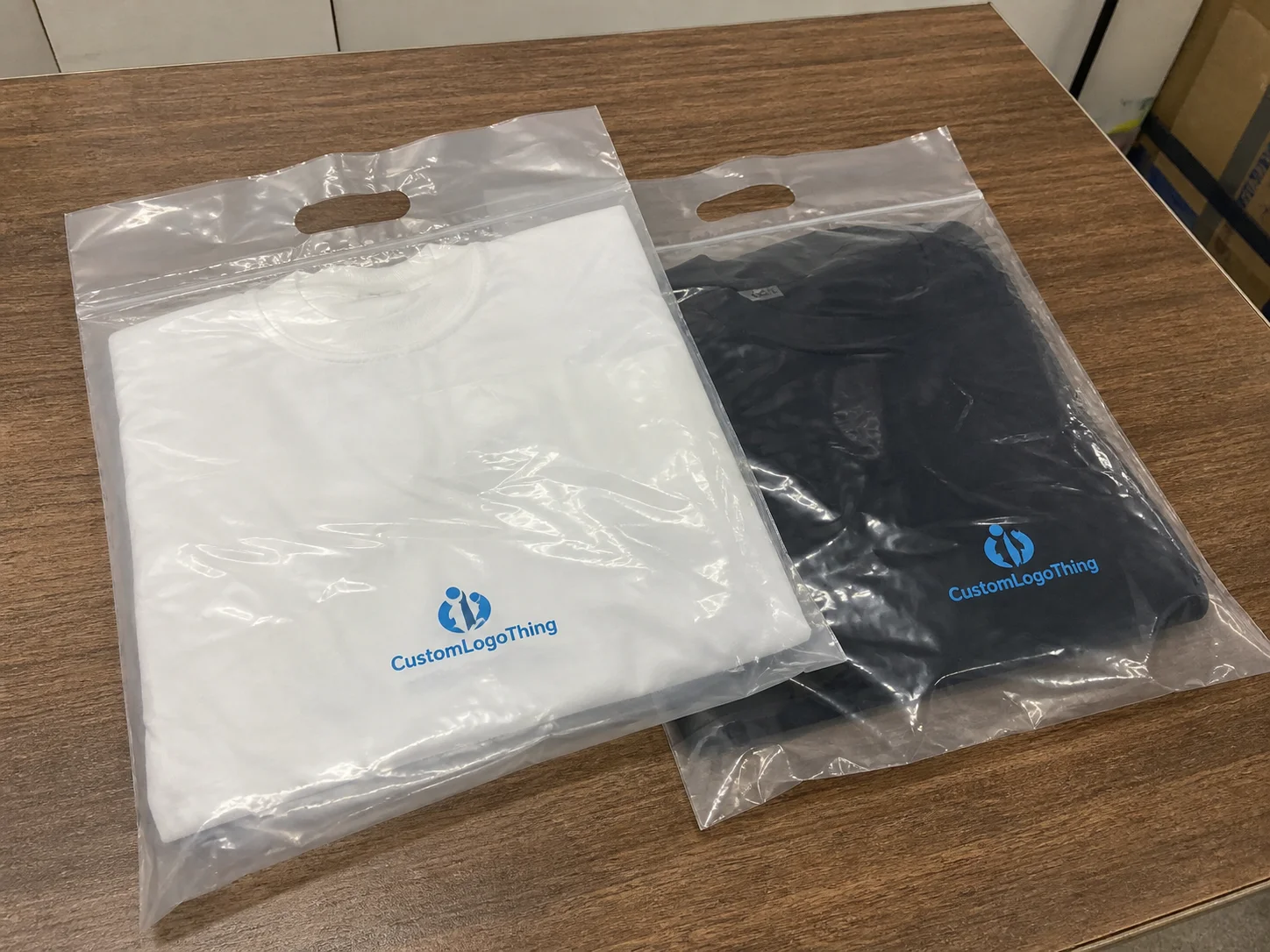
Club retail is not generic apparel fulfillment. A jersey in a pro shop has to look display-ready, survive handling, and stack neatly in backstock. That is why Garment Poly Bags for sports clubs retail launch checklist deserve attention before launch day, not after someone notices that the sleeves are crushed inside the bag.
The bag also affects perception. A clear, correctly sized bag with a readable logo and a clean size marker makes the item feel organized and credible. A cloudy or sloppy pack suggests the opposite. The product may be identical, but the customer experience is not.
There is an operational side too. Clubs often launch in waves: adult home jerseys first, then youth sizes, then warmups, then accessories. Without a standard packaging spec, reorders get messy, staff waste time matching bags to garments, and inventory mistakes creep in. A checklist keeps those errors from becoming routine.
At minimum, the checklist should answer three questions:
- Does the packaging protect the garment and keep it presentable?
- Does the spec support fast packing, labeling, and shelf display?
- Can the same structure be reordered without guesswork?
Think of it as part of the broader merchandising system. If the club uses retail bags for shelf display and mailers for direct orders, the packaging family should still feel consistent. That is not cosmetic detail. It reduces confusion across channels and keeps the launch from looking stitched together.
For clubs that need other packaging formats around the same launch, the broader mix is in Custom Packaging Products. For direct-to-fan shipping, Custom Poly Mailers can keep the presentation aligned with the in-store look.
Packaging references from Packaging.org and ISTA are useful when teams want practical guidance on handling and transit. If the launch includes cartons or inserts, FSC-certified components can also fit into the broader brand story.
Size, Film, and Closure Specs That Fit Apparel
Bag dimensions should follow the folded garment, not the flat cut size of the apparel. A folded adult jersey may fit around 12 x 16 inches, but a hoodie or warmup often needs something closer to 14 x 18 inches or larger, depending on fold style and whether the bag has a header flap. Too tight and the corners crush. Too loose and the package looks empty.
Film thickness comes next. For light tees and thin training tops, a lighter gauge may be enough if the bags are handled once and stored flat. For jerseys, hoodies, and pieces that get moved repeatedly, a sturdier film usually makes more sense. For apparel retail use, the range often lands around 1.5 mil to 3 mil, with thicker film helping when stiffness and durability matter more.
Closure choice affects workflow. Self-seal bags are fast for high-volume packing. Adhesive strips work well for simple hand packing. Flap bags can suit display-heavy setups, though they need to stay neat on the shelf. If the club is packing hundreds of units before a home opener, even a small time savings per bag matters.
| Bag Type | Best Use | Typical Strength | Tradeoff |
|---|---|---|---|
| Self-seal | Fast retail packing and replenishment | Good for high-volume launches | Adhesive quality matters; weak strips fail early |
| Flap closure | Display-focused merchandise | Clean shelf presentation | Can slow packing when staff are rushed |
| Adhesive strip | Simple hand packing | Flexible for smaller drops | Not ideal if bags are reopened often |
| Reclosable style | Multi-item sets or accessories | Useful for bundled kits | Usually higher unit cost |
Clear versus frosted material is both a branding and an operations decision. Clear bags show the garment color immediately, which helps on retail shelves and during size checks. Frosted bags hide minor wrinkles and create a softer premium feel, but they reduce visibility. Vent holes can help when packed goods sit in warm storage, and bottom seal style matters if you want the package to sit flat.
The simplest rule is still the most useful: package the product you have, not the one you wish you had. One bag size may look efficient on paper, but forcing every apparel category into it usually creates shelf problems later.
Branding, Labeling, and Retail Compliance Details
Logo placement is shelf communication. If the club name is too small, too low, or printed on a busy section, the package loses readability from a distance. If the ink coverage is too heavy on a clear bag, the garment disappears visually and the pack feels heavier than necessary. Most clubs do best with a clean logo zone, a visible size cue, and enough open area for the product to show through.
Branding has to work with the practical parts of retail: SKU stickers, barcodes, and size identifiers. If the label zone covers the logo or the barcode wraps around a seam, staff pay for it later at checkout or during replenishment. Build label placement into the spec from the start.
Retail compliance is not optional. Many buyers require suffocation warnings on poly bags above a certain opening size, and some retailers have their own text or placement rules. Before artwork approval, confirm the exact warning language, its location, and whether the symbol needs to appear in multiple formats. Regional requirements vary, so assumptions do not help.
For clubs managing men’s, women’s, and youth lines, a consistent packaging spec reduces reorder errors. If the same club badge, same label zone, and same bag construction apply across the range, stock control gets easier. If each line drifts a little, someone eventually orders the wrong size or the wrong pack count.
Checklist before print approval:
- Confirm logo size and exact placement.
- Verify barcode contrast and scan space.
- Lock suffocation warning text and location.
- Check whether the size sticker sits on the front or back consistently.
- Approve one print proof against the actual folded garment.
If the club wants the package to feel premium, keep the design disciplined. Too many colors and too much ink coverage usually make a simple retail bag look busy. A restrained layout is easier for staff to handle and easier for customers to read.
Cost, Pricing, and MOQ Tradeoffs for Club Orders
Price depends on more than size. Bag dimensions, film gauge, print colors, one-side versus two-side printing, custom sizing, and closure type all affect the quote. The mistake most buyers make is comparing quotes that are built on different specs. That makes the lower number meaningless.
A custom apparel poly bag program usually includes unit cost plus one-time charges. Setup, plates, artwork edits, and special tooling can make the first quote look expensive if those items are not separated. On a 5,000-piece order, a simple printed bag might land around $0.12 to $0.28 per unit depending on size and coverage, while thicker film or more complex print can cost more. Low MOQ usually means higher unit cost. That is normal.
MOQ matters because clubs rarely launch just one item. A single drop might need adult jerseys, youth jerseys, warmups, and accessories. If MOQ is too high for each size variant, packaging inventory ties up cash. If MOQ is too low, the unit price climbs. The right answer depends on sales velocity, not optimism.
Sometimes the higher-priced bag is still the better buy. If it reduces wrinkling, improves shelf appeal, and lets staff pack faster, the extra cents can pay back in labor and presentation. That matters in club shops where customers judge quality quickly and from close range.
| Cost Driver | Low Impact | High Impact | What to Ask For |
|---|---|---|---|
| Bag size | Standard garment dimensions | Custom oversized or multi-fold | Match the folded sample, not the flat garment |
| Film thickness | Light retail handling | Thicker film for repeated handling | Request gauge in mils on every quote |
| Print coverage | Small logo only | Large ink area or multi-color print | Confirm number of print sides and coverage area |
| MOQ | Shared size run | Multiple SKUs with split quantities | Ask for price breaks at several quantities |
If the club expects reorder volume through the season, it is smarter to lock a repeatable spec and keep the artwork stable. That reduces reproofing, simplifies quoting, and makes the packaging program easier to manage over time.
Process, Timeline, and Lead Time From Proof to Delivery
The production sequence should be clear before anyone approves the quote: brief, artwork, proof, revision, sample or preproduction check, manufacturing, packing, and shipping. If a supplier cannot explain that sequence in plain language, expect delays later. The common failure points are artwork corrections, missing logo files, unclear size data, and slow approvals from too many stakeholders.
For Garment Poly Bags for sports clubs retail launch checklist, lead time should be split into two parts: production time and transit time. A standard run may take roughly 12 to 20 business days after proof approval, depending on volume and complexity. Freight adds more time, especially when the launch is tied to a specific event date. Rush production may be possible, but it usually raises cost and leaves less room for correction.
The cleanest way to protect the launch date is to lock the packaging spec before the apparel supplier finishes packing the garments. If shirts arrive first and the bags are still under debate, the schedule slips. Clubs that plan packaging alongside apparel avoid the last-minute repack race.
Use this sequence for a launch:
- Measure the final folded garment in its actual retail fold.
- Choose the bag size, film gauge, and closure style.
- Confirm print layout, warning text, and barcode zone.
- Approve the proof against a real sample if possible.
- Schedule production so the packaging lands before merchandising setup.
That sequence sounds basic because it is basic. The issue is that teams skip steps and then lose time fixing them later. Packaging usually fails in small, expensive ways, not dramatic ones.
For projects that include both retail packaging and direct-to-fan shipping, align the packaging family early. The same brand logic that governs the club’s garment bags can carry over into mailers, inserts, and other secondary packaging. That keeps the launch coordinated instead of fragmented.
Common Mistakes That Ruin a Retail Launch
The first mistake is ordering bags that are too short for the folded garment. That forces staff to cram the shirt in, which crushes corners and makes the shelf look sloppy. The opposite mistake is just as bad: bags that are so large they swallow the product and make the pack seem empty.
The second mistake is treating every garment the same. Jerseys, hoodies, joggers, and accessory bundles do not behave the same in packaging. A jersey may look fine in a slimmer bag while a hoodie needs more width and stiffness. If one spec is forced across all SKUs, some items will always look compromised.
The third mistake is skipping proof review with the real label structure in mind. Logo placement can collide with seal lines. A barcode can sit too close to a fold edge. Warning text can end up hidden behind the fold. Those problems are preventable if the proof is checked against an actual folded sample.
The fourth mistake is operational: packaging arrives after merchandising setup starts. That leaves the launch team repacking on event day, which burns time and creates visible inconsistency. If the bags are not on-site early enough, the design work does not matter much.
Quick reality check: a polished launch is usually about removing the obvious failures before customers see them.
Next Steps to Lock the Launch Package
Start with the product, not the packaging catalog. Measure the final folded garment, choose the display format, and decide how much branding the bag should carry. Then request quotes on the same basis every time: identical dimensions, film gauge, print colors, closure type, and quantity. Without that, quote comparison is unreliable.
Ask for one test sample before the full run if the timeline allows it. A sample can reveal fit, print visibility, seal strength, and label placement issues that would otherwise show up after thousands of units are already in motion. It is cheaper to correct one sample than to explain a bad shelf presentation later.
Build a buffer for seasonal replenishment too. A launch is rarely a one-time event. Once the first home match sells through faster than expected, the club will want more bags and more stock. If the spec is documented cleanly, reorder speed improves. If not, the process starts over.
The point of the Garment Poly Bags for sports clubs retail launch checklist is simple: consistent sizing, clean branding, realistic pricing, clear lead times, and fewer surprises when the first shipment lands. Build it once, document it properly, and the next launch gets easier instead of messier.
What size garment poly bags work best for sports clubs retail launches?
Match the bag to the final folded garment, not the flat garment size. Jerseys and light tops may fit in slimmer bags, while hoodies and warmups usually need more width and height. If the club sells youth, adult, and bulky layers, use separate specs instead of forcing one bag size to do everything.
How do I compare quotes for sports club poly bag orders?
Compare the same bag dimensions, film thickness, print colors, closure style, and quantity on every quote. Separate one-time setup charges from unit cost so a low-looking price does not hide expensive extras. If the specs are not identical, the quotes are not comparable.
What lead time should I expect for custom retail poly bags?
Expect time for artwork proofing, approval, production, and shipping. A standard run often takes around 12 to 20 business days after proof approval, depending on complexity and quantity. Rush orders may be possible, but they usually cost more and leave less room for revisions.
Do sports clubs need printed logos on garment poly bags?
Printed logos help the package look retail-ready and make the merch feel more valuable. If budget is tight, at minimum make sure the bag still supports clean labels, barcodes, and a tidy shelf presentation. A plain bag can work, but it has to be disciplined.
What is the biggest mistake on a garment poly bag launch checklist?
Ordering the wrong size or thickness is the fastest way to make a premium kit look careless. The second-biggest mistake is approving artwork before checking barcode placement, warning text, and the shelf-facing layout. Those errors are expensive because they are usually preventable.


