Get Printed Clear Zipper Bags MOQ Pricing Plan Quote
Put two identical products side by side. One sits in a loose plain bag with a crooked label. The other sits in a clear zipper bag with clean logo printing, visible contents, and a resealable top. Same product. Different level of trust.
Buyers searching for a Get Printed Clear Zipper Bags moq pricing plan usually need more than a pretty mockup. They need order minimums, film options, print limits, setup costs, production timing, and the annoying little details that decide whether a bag actually works after it arrives.
Clear zipper bags do something simple and useful: they reduce uncertainty. Shoppers can inspect color, texture, count, finish, or size before opening the pack. The brand still controls the printed logo, barcode zone, product copy, handling instructions, batch area, or suffocation warning directly on the film.
Get Printed Clear Zipper Bags MOQ Pricing Plan: What Buyers Gain
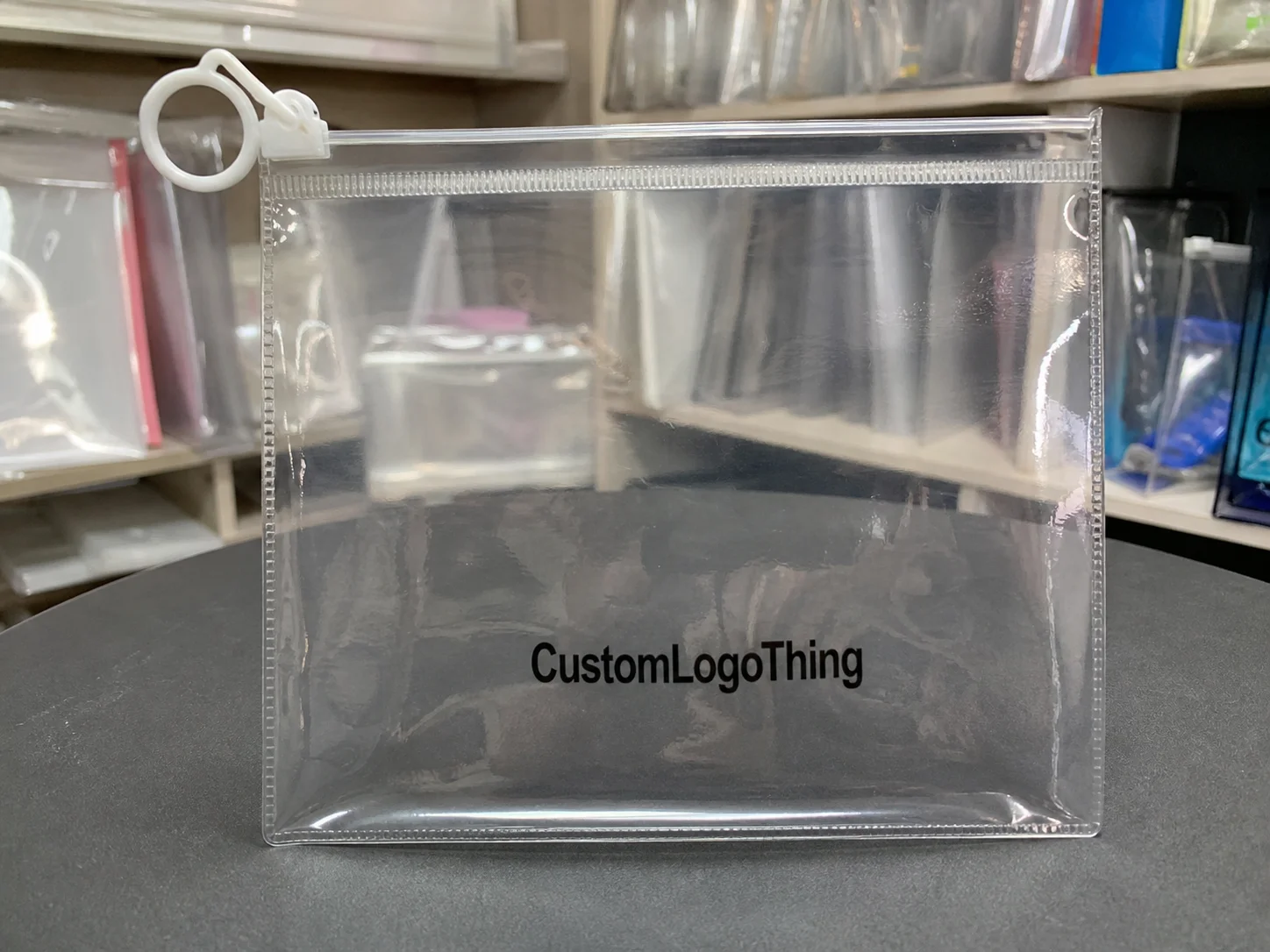
Printed clear zipper bags are a strong fit for products that benefit from inspection. Apparel accessories, cosmetics refills, hardware kits, craft components, stationery sets, sample packs, dried goods, replacement parts, and promotional items all gain from packaging that says, “Yes, this is exactly what you are buying.” Basic? Sure. Effective? Also yes.
The value is not only shelf appearance. Resealability helps customers keep using the package after the first opening. Clear film speeds product checks during packing, receiving, retail stocking, fulfillment, and customer use. Direct printing also removes the loose-label problem: peeling corners, wrinkled placement, crooked application, label waste, and barcodes that scan only when someone tilts the bag at a ridiculous angle.
That labor point gets underestimated. A label may cost a few cents, but hand-applying 5,000 labels still takes real time. Placement varies. Operators get tired. Rework happens. Printed bags can look higher on the first quote, then make more sense once labor, label inventory, waste, packing speed, and shelf consistency are included.
Practical rule: plain stock bags plus labels make sense for tiny tests and short runs. Printed clear zipper bags become stronger once repeat orders, brand consistency, and packing efficiency matter.
A useful pricing plan should not hide behind vague ranges. It should clarify material, size, film thickness, print method, MOQ, setup charges, sample needs, lead time, and freight assumptions. Packaging quotes are built from specifications. Guesswork is how buyers end up comparing three prices for three completely different bags.
Product Details That Affect Shelf Appeal and Daily Use
A printed clear zipper bag is a flexible plastic bag with a press-to-close zipper, transparent film, and branding or product information printed directly onto the surface. Some bags stay mostly clear with a small logo. Others use a printed back panel, color band, hang area, writable zone, or structured retail layout while leaving enough visibility for the product to do its job.
The zipper matters because customers often keep the bag. For beads, screws, hair accessories, refills, sample kits, small tools, or replacement parts, a working zipper reduces product loss after opening. It also turns the package into storage. That is not decoration. It affects perceived value and repeat use.
Clarity is part of the selling system. If color, finish, count, or texture influences the buying decision, transparent film lets the product carry some of the burden. A fully opaque pouch can feel premium, but it hides the contents. Clear film answers a different question: “Can I trust what is inside?”
Branding zones should be planned early. Common areas include front logo placement, back-panel instructions, barcode space, lot or batch coding area, care copy, warning text, and hang-hole alignment. If the bag will hang on a peg, the logo must account for the euro slot or round hole. If the bag will ship in cartons to retail or fulfillment centers, barcode placement may matter more than front-panel drama.
There are limits. Fine text can lose sharpness on flexible film. Transparent ink effects may not behave like a screen preview. Heavy ink coverage can change hand feel, increase cost, and push the order toward a different production method. Exact color matching may require Pantone references, ink drawdowns, or a physical sample.
Many packaging delays start with artwork that ignores the material. Clear plastic is not paper. It reflects light, bends, stretches slightly, and shows the product behind it. A clean design accounts for that instead of pretending the bag is a flat white label.
Decide what the bag must do before debating small design details. Sell from a shelf. Protect during transit. Organize inventory. Support ecommerce fulfillment. Maybe all of the above. That decision affects size, gauge, zipper strength, venting, print coverage, carton count, and inspection standards.
Specifications to Confirm Before Requesting a Quote
A quote is only as useful as the details behind it. Before asking for a Get Printed Clear Zipper Bags moq pricing plan, prepare the essentials: width, height, usable interior space, zipper position, bottom style, film thickness, material type, print colors, artwork size, quantity range, packing needs, and destination.
Bag sizing deserves more attention than it usually gets. Exterior size is not fill space. The zipper track, side seals, bottom seal, and header area reduce usable capacity. A rigid 6 x 9 inch product will not fit neatly inside a bag with a 6 x 9 inch outside measurement. Bulky apparel, boxed components, and sharp hardware need clearance. Testing the real product fit avoids the most irritating custom packaging failure: beautiful bags that cannot be used.
Material choice depends on the product and the selling channel. PE is flexible and common for zipper bags. PP can offer higher clarity and a crisper hand feel. Laminated structures may be used when stiffness, barrier performance, puncture resistance, or a more premium presentation matters. Recyclable film options may be available depending on structure and local collection rules, but claims need care. For recycling and packaging language, the U.S. EPA’s resources are a useful starting point: EPA recycling resources.
Thickness should match product risk. Lightweight stationery or soft goods may work with thinner film. Hardware, sharp corners, heavier kits, bulky apparel, or repeated handling usually need a stronger gauge. Buyers often compare 2 mil, 3 mil, and 4 mil film, but thickness alone is not the full answer. Product weight, corner pressure, zipper use, carton compression, and handling conditions matter too.
Print choices affect presentation and unit cost. One-color logo printing keeps the budget controlled. Two or three spot colors can improve retail impact. Spot printing keeps the product visible. Full-panel printing gives more design space, especially for instructions or retail storytelling, but it increases ink coverage and may increase setup cost.
| Specification Choice | Typical Use | Cost Impact | Buyer Watchout |
|---|---|---|---|
| One-color logo print | Starter retail bags, sample packs, basic branding | Lower setup and lower unit cost | Limited shelf impact if the product needs stronger branding |
| Multi-color spot print | Retail accessories, cosmetics refills, craft kits | Moderate increase based on color count | White ink may be needed behind colors on clear film |
| Full-panel printing | Premium presentation or larger back-panel instructions | Higher ink coverage and possible setup charges | Can reduce product visibility if the layout is too heavy |
| Hang hole or euro slot | Pegged retail displays | Small to moderate increase | Logo, zipper, and header space must align with the display format |
Feature options include zipper style, hang hole, euro slot, tear notch, bottom gusset, rounded corners, vent holes, and writable panels. A gusset can help bulky products fit better or stand more neatly. Vent holes release trapped air during packing. Rounded corners may improve handling for certain retail environments.
The specification sheet is quality control before production starts. It prevents three expensive errors: wrong fit, weak film, and artwork that looked fine on screen but failed on clear plastic.
MOQ, Pricing, and Unit Cost Variables Buyers Should Expect
MOQ is not just a sales rule. It is tied to film sourcing, print setup, machine time, ink configuration, finishing requirements, and packing labor. A simple one-color bag in a common size may have a different minimum than a large clear zipper bag with heavy ink coverage, a custom thickness, a euro slot, and strict carton labeling.
Lower quantities usually carry higher unit costs because fixed work is spread across fewer pieces. Plate or screen preparation, proofing, machine calibration, ink setup, material handling, and quality checks still happen whether the run is 1,000 bags or 20,000 bags. Bulk pricing often drops sharply at first, then more gradually after setup costs are absorbed.
Ask for tiered pricing instead of one flat quote. A practical request includes the entry MOQ, a mid-volume reorder quantity, and a larger forecast quantity. That gives purchasing teams a clearer view of cash flow versus unit savings.
| Example Quantity Tier | Common Buyer Goal | Likely Cost Behavior | Best Use Case |
|---|---|---|---|
| Entry MOQ | Launch, pilot, retailer test | Highest cost per piece because setup is spread over fewer units | Validating product fit, artwork, and sell-through |
| Mid-volume order | Repeat production or growing SKU | Lower unit cost as setup becomes less dominant | Balancing inventory risk with better pricing |
| Larger forecast quantity | Established product line | Best bulk pricing, though savings may flatten at higher volumes | Stable demand, warehouse space, and planned reorders |
Common pricing factors include bag size, film thickness, material grade, print method, number of colors, ink coverage, zipper type, add-on features, carton packing, shipping method, and sample requirements. Tooling fees may apply for special features or nonstandard formats. Setup charges may appear separately, or they may be built into the unit price. Read the structure, not just the final number.
The cheapest bag can become expensive fast. Split seams cause returns. Poor shelf presentation hurts conversion. Weak film creates repacking labor. A badly placed barcode slows fulfillment and retail receiving. Packaging cost should be judged as landed unit cost plus operational risk, not only the lowest line item.
Small specification changes can move the price without weakening the package. Reducing full-panel coverage to a strong spot-print layout may cut cost while keeping the brand visible. Adjusting thickness slightly may protect the product better and reduce returns. Moving from a special size to a more production-friendly format can lower the MOQ. A solid printed clear zipper bags MOQ pricing plan should show those tradeoffs clearly.
Artwork, Proofing, and Production Steps From File to Finished Bags
The production path is straightforward when the inputs are complete. Confirm dimensions and quantity. Review material options. Receive the quote. Send artwork. Approve the proof. Confirm a physical sample if needed. Start production. Inspect finished bags. Pack and ship.
Artwork standards matter. Vector files are preferred for logos, icons, and text because they scale cleanly. High-resolution raster images are needed for photos or complex graphics. Colors should be specified with Pantone or CMYK references where relevant, especially for retail programs where bags, labels, boxes, and inserts need to look related.
Clear film creates specific artwork challenges. White ink may be required behind colors to improve opacity. Without it, red can look dull, yellow can disappear, and fine text may lose contrast over a dark product. Transparent areas must be planned intentionally. They do not magically appear after the design is finished.
A digital proof confirms layout, size, print position, content, and approximate color relationships. It does not fully confirm hand feel, zipper function, opacity, seal strength, or how the product looks inside the bag. For strict brand standards, retail presentations, or high-volume orders, a physical pre-production sample is often worth the extra time and cost.
Inspection points should be defined before shipping. Check print registration, zipper alignment, seal strength, bag dimensions, film clarity, carton labeling, and count accuracy. If bags will move through parcel networks, warehouses, or distribution centers, packaging teams may also reference test methods from groups such as ISTA for transit performance planning, especially for complete product-pack systems.
Small artwork mistakes become expensive once production begins. A missing suffocation warning, a barcode placed too close to a seal, or artwork sitting under a hang hole can force reprints. Clear approvals protect the buyer, the manufacturer, and the schedule.
Lead Time, Turnaround, and Reorder Planning
Lead time depends on specification complexity, artwork readiness, sampling decisions, material availability, order volume, and destination. A simple repeat order usually moves faster than a new custom structure because the size, film, and print file are already known.
Separate the schedule into stages: quote and specification review, artwork proofing, sample approval if required, mass production, quality inspection, packing, and freight transit. Buyers often focus only on factory production time. The front-end decisions can burn just as much calendar space if the team is not ready.
The most common delays are painfully ordinary. Incomplete dimensions. Low-resolution logos. Late proof approval. Unclear color requirements. Last-minute quantity changes. Missing delivery details. One small gap can stall a quote or production slot by several business days.
Reorder planning should use math, not panic. If a brand uses 1,200 bags per week, keeps two weeks of safety stock, and has a four-week production-plus-freight cycle, the reorder trigger should be set before inventory drops below roughly 7,200 bags. Adjust for seasonality, launch activity, retail promotions, and any planned SKU changes.
Repeat orders are usually cleaner because approved artwork, tested dimensions, known film, and production notes reduce decision time. Still, confirm whether anything changed. A new barcode, a slightly different product thickness, or a revised warning statement can turn a reorder into a revised order.
Rush production may be possible, but faster schedules can limit choices. Available materials may dictate the film. Physical samples may not fit the deadline. Freight may cost more. Print options may narrow. Not every rush order has those tradeoffs, but buyers should plan as if the clock has a price tag. It usually does.
If bags support a product launch, confirm packaging before final photography and retail setup. Bag size and print placement can affect ecommerce images, planograms, fulfillment workflows, carton counts, and shipping weight. Packaging is not the last detail. It is part of the product system.
How to Get an Order-Ready Quote
The fastest path to a usable quote is a complete brief. Send product dimensions, target bag size, estimated product weight, desired film thickness, print colors, logo file, quantity range, delivery location, and deadline. If you are replacing an existing package, include photos or measurements of the current bag.
Product photos help more than most buyers expect. A packaging team can flag fit issues, corner pressure, zipper placement risks, hang-hole conflicts, barcode problems, and print visibility concerns before quoting. That saves time and reduces the chance of revising the quote after artwork begins.
Ask for at least two quantities if budget matters: the minimum practical order and the next price-break quantity. Three tiers are better. That structure shows whether ordering more lowers the cost per piece enough to justify the extra inventory. For broader ordering questions, Custom Logo Things also maintains a general FAQ resource.
Separate must-have features from flexible ones. Must-haves may include a clear front, zipper closure, barcode space, hang hole, or specific thickness. Flexible items may include ink count, gusset depth, carton packing, or exact print coverage. Flexibility gives the supplier room to control cost without stripping away the bag’s purpose.
A strong quote should include unit price, MOQ, setup charges if any, material, size, thickness, print method, number of colors, proofing steps, lead time, shipping terms, and payment terms. If those details are missing, the quote is not ready for serious comparison.
To get printed clear zipper bags moq pricing plan details quickly, send the real specs, artwork, quantity targets, and deadline. The more complete the brief, the less likely the price changes later. That is the unglamorous truth of custom packaging.
FAQ
What is the usual MOQ for printed clear zipper bags?
MOQ depends on bag size, film type, print method, color count, and whether custom tooling or special material is required. Smaller one-color bags may have a lower starting point than large bags with heavy ink coverage or custom features. Ask for MOQ plus one or two higher quantity tiers so you can compare unit cost, total spend, and inventory risk.
How do I get clear zipper bag pricing without delays?
Send bag dimensions, product type, estimated weight, quantity, print colors, logo file, delivery location, and target deadline. Include photos or existing packaging if you are replacing a current bag. Also confirm whether you need only a digital proof or a physical sample before mass production. For general order questions, review the Custom Logo Things FAQ.
What affects the unit cost of custom printed clear zipper bags most?
The biggest cost drivers are quantity, bag size, film thickness, material grade, print complexity, ink coverage, zipper type, and add-on features. Freight can also change the landed unit cost, especially for bulky orders. Reducing color count, adjusting ink coverage, or choosing a production-friendly size may lower cost without changing the bag’s core function.
Can I print full-color artwork on clear zipper bags?
Yes, but full-color artwork may require a specific print method and a white ink backing to keep colors visible on transparent film. Fine details and small text should be reviewed carefully because clear plastic can reduce contrast. A proof or sample is recommended for retail packaging where color accuracy and shelf presentation matter.
How long does it take to produce printed clear zipper bags after approval?
Timeline depends on artwork readiness, material availability, sample approval, order quantity, and shipping method. Repeat orders are usually faster because the specifications and artwork have already been approved. The fastest way to protect the schedule is to approve proofs promptly and avoid changing size, quantity, or artwork after production starts.
What should I send to get printed clear zipper bags MOQ pricing plan details?
Send the target size, usable fill space if known, product weight, film preference, print colors, artwork file, quantity targets, delivery address, and deadline. That information allows Custom Logo Things to build a realistic get printed clear zipper bags moq pricing plan instead of a rough estimate that changes after the production details are reviewed.


