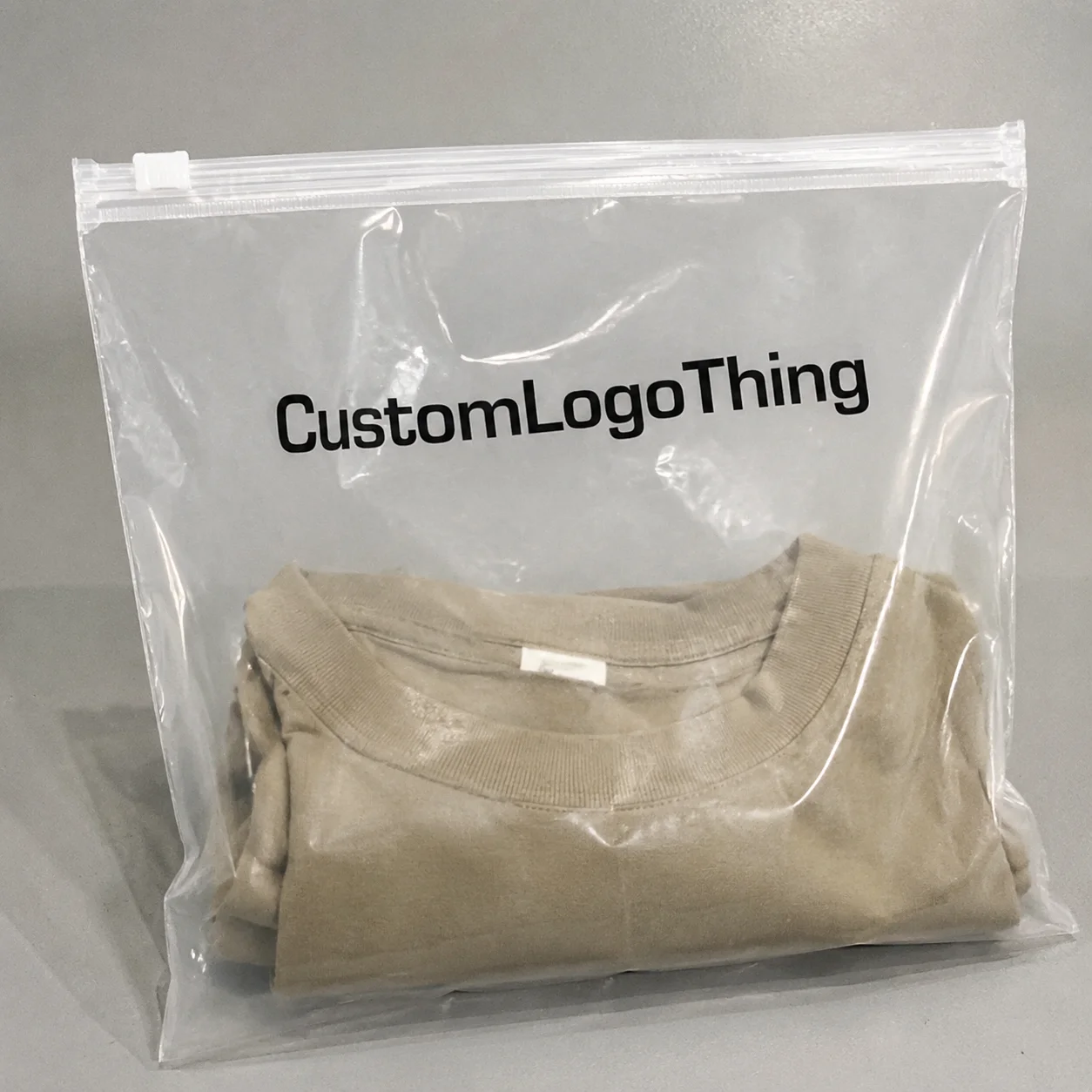
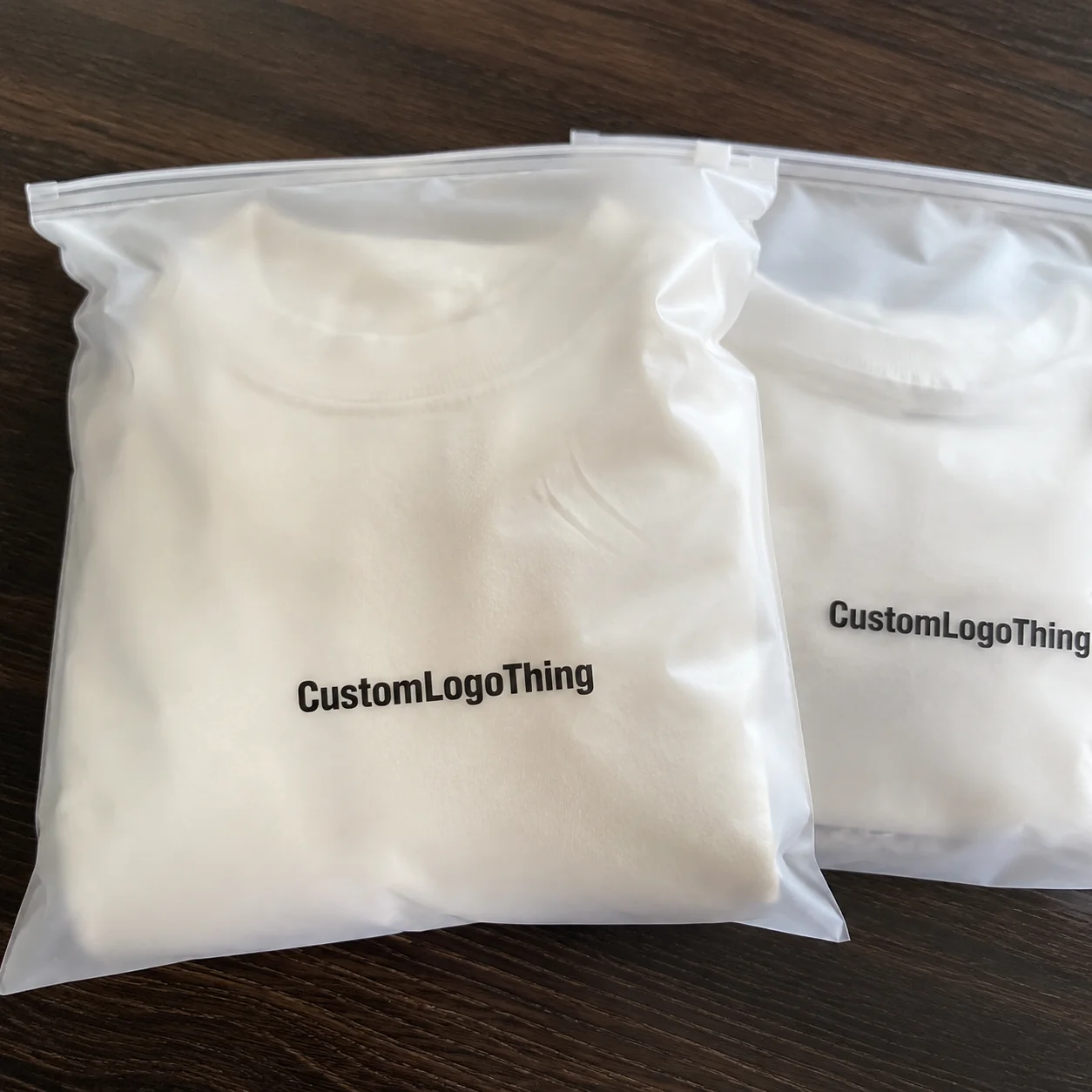
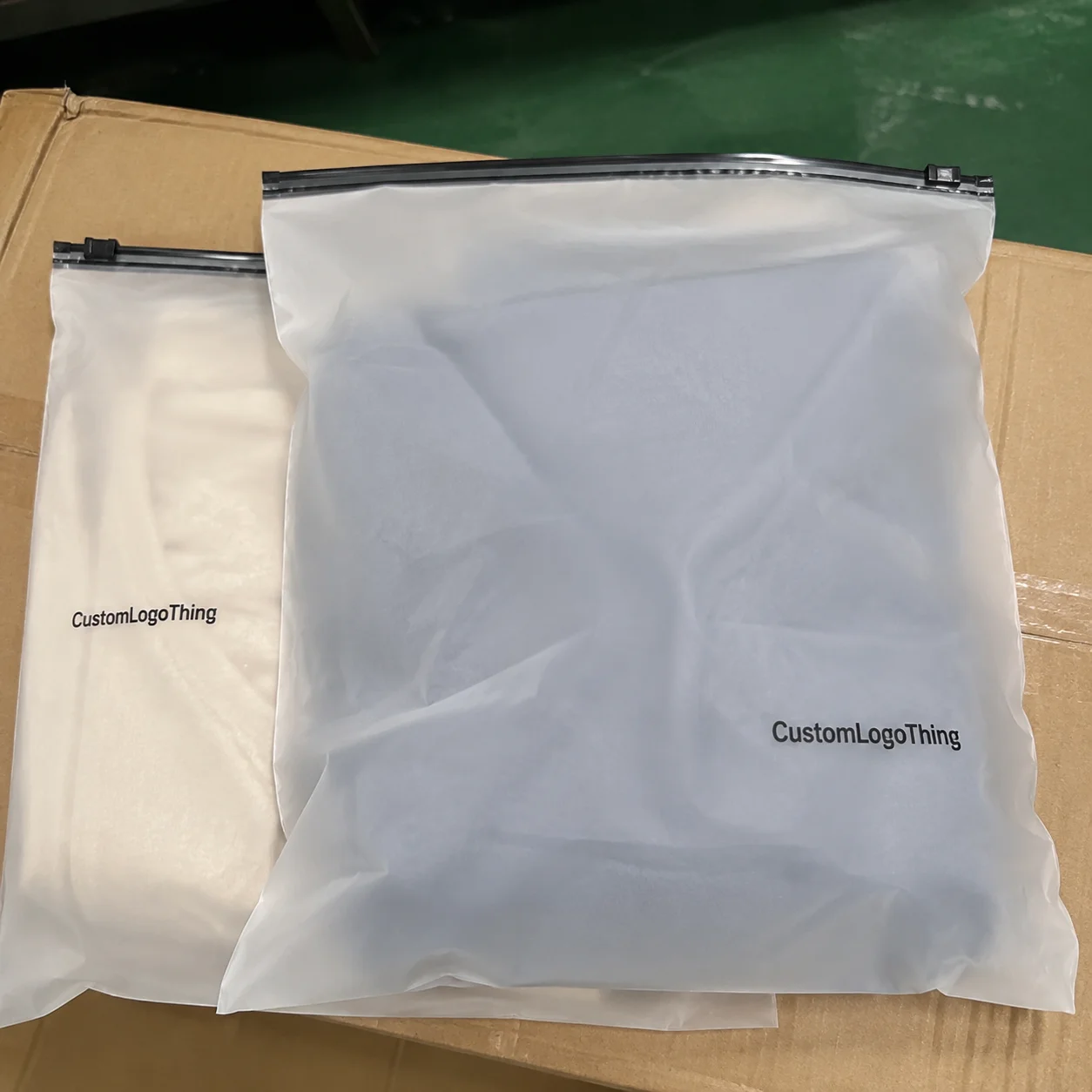
Two Matte Zipper Bags can look nearly identical in a product photo. One may hold its shape, reclose cleanly, and survive cartons without ugly scuffs. The other may curl at the side seal, delaminate near the gusset, lose zipper grip after filling, or arrive with dull ink where the brand color should be sharp. Same mockup. Very different outcome.
A Get Matte Zipper Bags Unit supplier audit checklist gives buyers a practical way to compare suppliers before money, artwork, and launch dates are locked in. It is not paperwork for the sake of paperwork. It is how you catch weak film specs, vague zipper details, missing inspection standards, and suspiciously cheap quotes before they become pallets of unusable packaging.
Matte zipper bags are small engineered packs. Film, ink, adhesive, zipper profile, heat seals, surface finish, and packing method all have to behave together. If one part is under-specified, the finished pouch can fail even when the logo looks perfect.
Get Matte Zipper Bags Unit Supplier Audit Checklist: What Buyers Often Miss
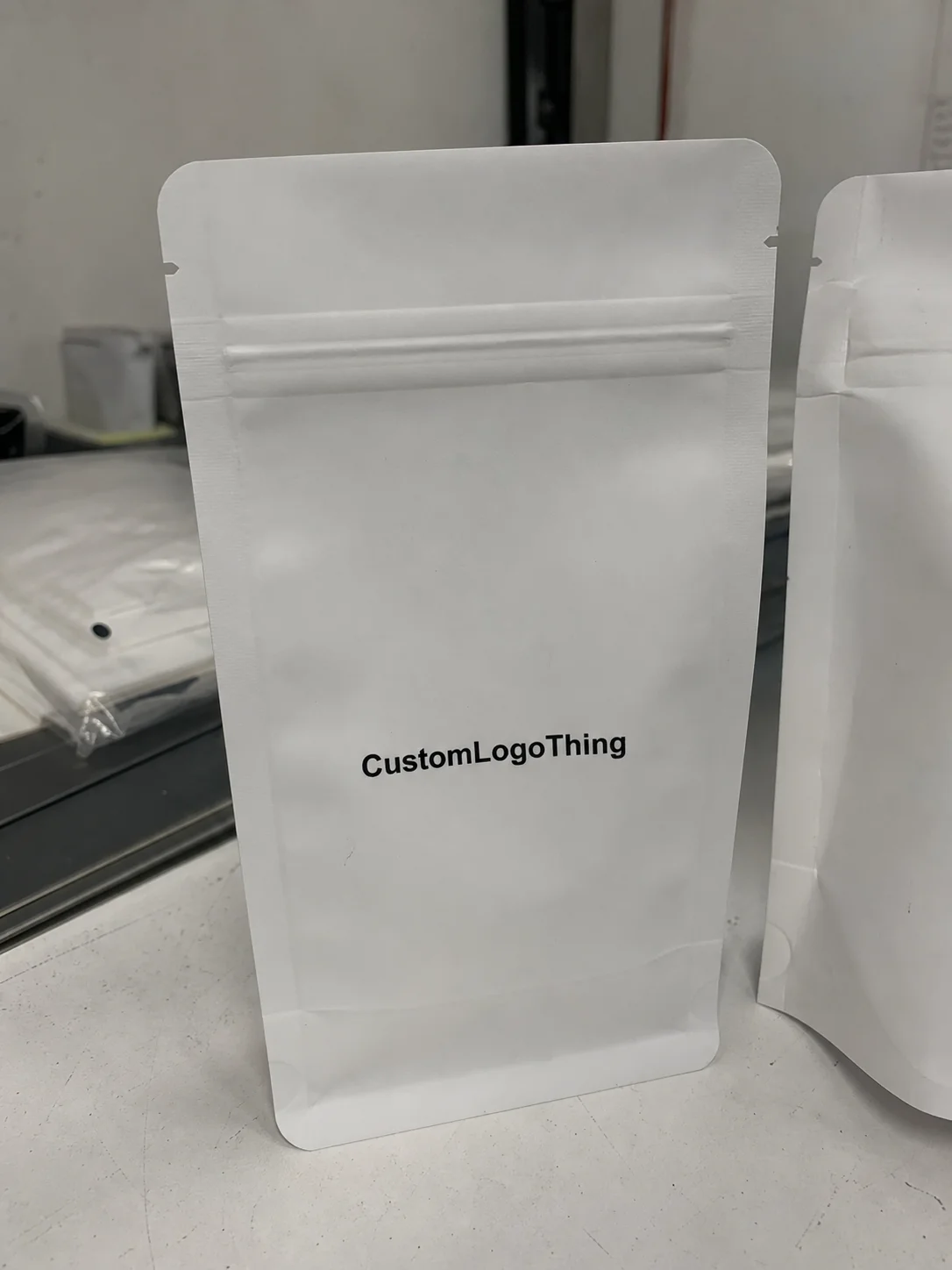
From a packaging buyer’s view, an audit checklist should work like a comparison sheet, not a ceremonial factory questionnaire. The real question is simple: can this supplier make the same matte zipper bag, at the quoted unit cost, across the full production run without unpleasant surprises?
The phrase “unit supplier” usually means the manufacturer, converter, or packaging partner responsible for each finished bag. That responsibility should cover finished size, laminate structure, zipper type, print quality, seal strength, carton packing, and unit price. If the supplier outsources printing, lamination, zipper insertion, or pouch conversion, fine. Many do. But someone still has to own the result when a zipper waves, a seal opens, or color shifts between batches.
A useful checklist keeps the discussion specific. Do not ask, “Can you make premium matte pouches?” That question invites a glossy yes and not much else. Ask what film structure is being quoted, what the finished thickness is, what zipper profile is included, what tolerance applies to pouch width, and which seal-strength checks are used during production. Those answers matter more than a polished rendering.
Most matte zipper bags depend on seven performance areas: laminated film structure, matte surface treatment, zipper profile, seal strength, print registration, pouch geometry, and final packing method. Each can change from supplier to supplier. A 120-micron PET/PE pouch with a decent press-to-close zipper will not feel or perform like a thinner matte BOPP/PE pouch, even if both carry the same artwork.
Use the checklist to decide what to ask, which documents to request, what samples to test, and how to compare quotes without drowning in technical jargon. The biggest savings rarely come from squeezing another fraction of a cent out of the price. They come from preventing weak bags from reaching the filling line. Glamorous? No. Cheaper than a failed launch? Usually.
How Matte Zipper Bags Are Made and Where Quality Can Shift
Most custom matte zipper bags start as rollstock. The film is printed, laminated to another layer, cured, slit into narrower rolls, then converted into pouches with heat seals, zippers, tear notches, hang holes, bottom gussets, side gussets, or rounded corners depending on the design. Every step has tolerances. Small changes stack up fast.
Common structures include PET/PE for general retail packaging, matte BOPP/PE for many dry goods, and high-barrier laminates using metallized film, EVOH, or foil when aroma, oxygen, light, or moisture protection matters. A coffee pouch, collagen powder pouch, cannabis-adjacent retail bag, snack pouch, and cosmetic refill pack may share the same soft matte black look. They should not automatically share the same material structure.
The matte effect can come from a matte film, matte coating, or matte varnish. A matte film often gives a natural low-gloss surface. A varnish can create selective matte and gloss effects. A coating may affect scuff resistance, ink appearance, recyclability discussions, and cost. None is automatically best. The right choice depends on the product, handling path, shelf expectations, and brand requirements.
Zipper performance needs its own line in the audit. A standard press-to-close zipper may work for lightweight dried fruit. Powders can contaminate the track. Heavy fill weights can pull against the closure. Some regulated categories may need child-resistant or tamper-evident features. Ask about zipper alignment, opening force, reclose feel, track contamination risk, and whether the zipper is inserted before or during pouch conversion.
Seal behavior is just as important. The pouch has to survive filling, compression, packing, and shipping. A seal that looks neat on an empty sample may struggle once the product is inside, especially if powder, oil, crumbs, or static cling interfere with the seal area. If the bag will run on semi-automatic or automatic filling equipment, share the filling temperature, fill weight, jaw style, and expected line speed early.
Quality can shift at ink adhesion, lamination bond, seal temperature, pouch cutting accuracy, zipper placement, curing time, and carton compression. A capable supplier should explain the film structure, sealing window, tolerance range, and test methods in plain language. If every answer is vague, slow down. Your checklist should make vague answers impossible to hide before production starts.
Supplier Audit Factors That Protect Bag Performance
Start with business basics, then move into production detail. A practical supplier audit covers company legitimacy, flexible packaging experience, material control, printing capability, pouch conversion equipment, quality testing, packing discipline, and communication. You do not need to inspect every machine personally. You do need enough evidence to trust the quote.
Ask for product-specific experience. “We Make Custom Bags” is not the same as “We make 140-micron matte PET/PE stand-up zipper pouches with a 40 mm bottom gusset and high-coverage white ink.” Similar size, thickness, zipper type, gusset style, finish, and print coverage matter because they affect press setup, seal temperature, bag stiffness, waste rate, and final appearance.
Documents separate careful suppliers from casual resellers. Useful items include material specifications, food-contact statements where relevant, sample inspection reports, color tolerance standards, lead time breakdowns, and packing method details. For food packaging, ask how the supplier handles declarations and migration-related documentation. For broader packaging systems and equipment context, the Packaging Machinery Manufacturers Institute is a useful industry resource.
Quality checks should be understandable, not buried in mystery acronyms. Seal strength shows whether the pouch can survive filling and handling. Drop resistance gives a rough view of distribution abuse. Zipper cycling checks repeated opening and closing. Laminate bond testing helps catch delamination risk. Rub resistance checks the matte surface and ink. Odor checks matter for food, supplements, tea, coffee, pet treats, and personal care products.
Practical rule: if a supplier cannot explain what they test, how often they test it, and what happens when a batch fails, the quoted unit cost is missing a risk number.
Red flags include refusal to name the film structure, inconsistent samples, unclear proof responsibility, no retained production samples, and quote sheets that omit thickness. Another warning sign: the supplier agrees to every request immediately. Real packaging has tradeoffs. A stronger barrier may raise cost. A heavier zipper may require a different top seal. A matte coating may scuff differently than matte film. A supplier who explains tradeoffs is usually safer than one who keeps saying yes and hoping production figures it out later.
Communication belongs in the audit too. Reliable suppliers confirm assumptions in writing, flag risky artwork, note tolerances, and define approval points. Sloppy communication before the order rarely improves after the deposit is paid. Shocking, I know.
Pricing, MOQ, and Unit Cost Checks Before You Order
Unit cost for matte zipper bags is shaped by film structure, material thickness, pouch size, zipper type, finish method, print colors, tooling, order quantity, inspection requirements, and packing. A small flat pouch with one-color print will price very differently from a full-coverage stand-up pouch with high-barrier film, a heavy zipper, and export cartons.
As a rough buying range, short runs of custom Printed Matte Zipper pouches may fall around $0.18 to $0.45 per unit at several thousand pieces, depending on size, thickness, print coverage, freight assumptions, and the production method. Larger runs can drop sharply once setup cost is spread across more bags. That does not mean bigger is always smarter. Storage space, cash flow, artwork changes, product shelf life, and forecast accuracy still count.
The lowest unit price is often the messiest number on the page. One supplier may quote thinner film, a weaker zipper, lower barrier material, looser print tolerance, or freight excluded. Another may include proofing, stronger seals, better cartons, and a documented final inspection. On paper, the first quote looks cheaper. On the filling line, it may become expensive in a hurry.
| Quote Item | What to Compare | Why It Changes Unit Cost |
|---|---|---|
| Film structure | PET/PE, matte BOPP/PE, foil, metallized, EVOH | Barrier, stiffness, seal range, and raw material cost all shift |
| Thickness | Example: 100, 120, 140, or 160 microns | More material usually improves feel but raises cost and carton weight |
| Zipper type | Standard, heavy-duty, powder-friendly, child-resistant | Zipper profile affects closure feel, setup, and compliance needs |
| Print method | Digital, flexographic, rotogravure | Setup charges, color control, and run economics differ |
| Packing plan | Carton count, inner bags, palletization, compression limits | Poor packing can scuff matte surfaces or deform zippers |
Compare quotes line by line: material structure, finished size, thickness, gusset dimensions, zipper specification, print method, surface finish, MOQ, overrun allowance, carton quantity, payment terms, and freight basis. A clean audit checklist makes each quote easier to normalize.
MOQ is usually tied to film purchasing, press setup, lamination runs, ink preparation, zipper stock, and machine waste. It is not just a supplier being difficult for sport. Ask for price breaks at several quantities, such as 3,000, 5,000, 10,000, and 25,000 pieces, so you can see where the unit cost actually improves. Sometimes the price drop between 5,000 and 10,000 is meaningful. Sometimes it barely moves. Get the numbers.
Also check total landed cost. Tooling, sampling, bank fees, duties, freight, storage, and rejected units can change the real price. Paying slightly more for verified seal strength, accurate color, better packing, and stable lead time often protects more value than shaving a tiny amount from each pouch.
Process Timeline and Lead Time From Sample to Delivery
A normal workflow starts with specification confirmation, artwork review, quote approval, sample or proof approval, material procurement, printing, lamination, curing, pouch conversion, inspection, packing, and shipping. Each stage can add days. The worst delays usually come from loose artwork, unclear material choices, or approvals that drift.
For many custom matte zipper bag projects, digital proofing may take 1 to 3 business days after artwork is prepared correctly. Physical sampling can add 5 to 12 business days depending on whether the supplier is making a blank structural sample, printed proof, or production-like sample. Full production often runs 12 to 25 business days after proof approval, with shipping time separate. These are working ranges, not guarantees. Stocked materials and open capacity can shorten the schedule. Custom film, special zipper stock, high-barrier structures, or strict color matching can stretch it.
Curing time is one detail buyers often underestimate. In laminated packaging, adhesives need time to stabilize before slitting and pouch making. Rush that step and you may increase odor risk or weaken bond strength. For food, supplements, coffee, tea, and beauty products, low odor and strong laminate bond are part of package performance. They are not cosmetic extras.
Build checkpoints into the timeline. Lock artwork. Approve samples. Confirm pre-production specs. Request in-process photos or reports for sensitive orders. Review final inspection. Book freight with enough buffer. If distribution testing is relevant, standards from ISTA can help frame how packaging should be evaluated for transit conditions.
Do not approve production from a low-resolution mockup alone. Matte surfaces can soften blacks, lower contrast, and make small type harder to read. Fine reverse text, metallic effects, subtle shadows, and dense ink coverage can change on the actual substrate. Ask what can delay the order, when the final delivery date becomes firm, how rework is handled, and who signs off before shipment.
Step-by-Step Supplier Audit Before Approving Production
Use the audit like a workbench checklist. It should be short enough to complete and specific enough to catch weak assumptions. For a custom logo pouch, the most useful checks happen before artwork approval and again before mass production.
- Define the bag specification. Include product contents, fill weight, finished width and height, gusset size, zipper type, hang hole, tear notch, barrier needs, matte surface, filling method, and expected shelf or shipping conditions. A 250 g powder pouch has different stress points than a 30 g sample pack.
- Request a structured quote. Separate unit cost, tooling, sampling, freight assumptions, lead time, MOQ, overrun allowance, and optional upgrades such as higher-barrier film, reinforced seals, or a different zipper profile.
- Review samples with a simple routine. Open and close the zipper 20 to 30 times, rub the matte face with a clean cloth, flex the corners, smell the inside, inspect print edges, and see how the pouch stands, stacks, or fits your filling process.
- Verify documentation. Match documents to the use case, especially food-contact declarations, material data, artwork proof approvals, inspection criteria, and color standards where applicable.
- Confirm production controls. Ask about retained samples, inspection frequency, tolerance limits, carton labeling, defect handling, and who signs off before shipment.
- Record the comparison. Put every supplier into one sheet so the decision is based on measurable performance, not sales emails, attractive mockups, or one suspiciously low price.
A Get Matte Zipper Bags Unit Supplier Audit Checklist does not need to be complicated. One page can work if it forces clear answers. Score suppliers on specification match, sample quality, quote clarity, documentation, lead time confidence, communication, and total landed cost. Give each item a 1 to 5 score, then write one sentence explaining the score. That note becomes useful later if purchasing, marketing, finance, or operations asks why one supplier was chosen over another.
Ask what the supplier considers an acceptable defect. Tiny ink specks, zipper waviness, size variation, seal marks, odor, curl, and scuffing all need boundaries. If your brand sells premium goods, your tolerance may be tighter than the supplier’s default inspection level. Say that before production, not after the cartons arrive.
Keep one approved sample and ask the supplier to retain one too. A physical reference is still useful. Screens lie. Lighting lies. Memory lies most of all.
Common Mistakes That Cause Matte Zipper Bag Problems
The first mistake is choosing a matte finish without testing scuff resistance. Matte packaging often looks excellent under studio lighting. Fulfillment centers, sample kits, retail shelves, and multipack cartons are less polite. Ask how the finish behaves after rubbing, stacking, and carton vibration.
The second mistake is approving a pouch from flat artwork only. Zippers, gusset folds, heat seals, tear notches, hang holes, and rounded corners can interfere with branding or required information. Keep logos and small type away from seal zones by a safe margin, often 3 to 5 mm at minimum, and more if the pouch has a deep gusset or heavy top feature.
The third mistake is under-specifying thickness or barrier performance. A pouch that feels limp on the shelf may hurt presentation. A poor moisture barrier can stale dry goods. Weak corners may increase pinhole risk. A bag that curls after filling can annoy the packer and the customer. Nobody enjoys packaging that fights back.
The fourth mistake is ignoring zipper compatibility with the packed product. Powders can clog the track. Oily products can contaminate the seal area. Heavy fill weights may need a stronger closure or wider top seal. If the bag is filled hot, filled cold, nitrogen flushed, or run through semi-automatic equipment, tell the supplier early.
The fifth mistake is comparing suppliers without standardizing the quote request. One supplier may quote 100 microns, another 140 microns. One may include matte varnish, another matte film. One may include export-grade cartons, another may pack tightly enough to scuff the pouch faces. False savings often begin with uneven specifications.
The sixth mistake is rushing color approval. Matte substrates can make blacks look softer, bright colors less glossy, and fine details less crisp. If brand color is strict, ask for a printed proof or drawdown on the actual matte surface. Color review should happen on the material you intend to buy, not only on a screen.
The seventh mistake is skipping packing review. Matte bags can mark, dent, or warp if cartons are overfilled or stacked badly. Ask how many bags go in each inner pack, how cartons are labeled, whether dividers or liners are used, and how zipper compression is controlled. Final packing is not glamorous, which is exactly why it gets missed.
Next Steps: Turn the Audit Into a Clean Purchase Decision
Create a one-page supplier scorecard with columns for specification match, sample quality, documentation, quote clarity, lead time confidence, communication, and total landed cost. Keep it plain. A scorecard that purchasing, marketing, and operations can all understand will do more good than a technical file nobody opens.
Send every shortlisted supplier the same specification sheet. Ask them to mark assumptions, substitutions, and risks before quoting. If they need to change the zipper, thickness, print method, barrier layer, or finish type to hit your target price, get that stated clearly before artwork approval.
Request production-like samples when the order has tight color requirements, heavy fill weight, unusual barrier needs, strict odor expectations, or a matte finish that must resist handling marks. For a basic dry product, a blank structural pouch and material swatch may be enough. For a premium retail launch, printed proofing is usually worth the extra time.
Rank deal-breakers before negotiating. Food-contact documentation, zipper strength, delivery date, matte scuff resistance, and maximum unit cost may not carry equal weight. If delivery is fixed because of a product launch, say so. If the pouch must survive e-commerce shipping, make that part of the specification instead of an afterthought.
Your final approval package should include artwork proof, material structure, finished dimensions, tolerance range, packing plan, inspection criteria, and agreed ship date. Keep one approved sample and make sure the supplier retains one. That simple habit gives both sides a physical reference if there is a dispute over color, feel, zipper grip, odor, or pouch shape.
Buying custom matte zipper bags gets easier once each supplier is judged against the same facts. A good pouch should look right, fill cleanly, reclose properly, protect the product, and arrive without avoidable scuffs or distortion. A focused audit checklist keeps the buying conversation specific, measurable, and far less dependent on guesswork.
FAQs
What should a matte zipper bags supplier audit checklist include?
Include supplier background, material structure, matte finish type, zipper specification, print method, size tolerances, seal strength checks, documentation, MOQ, lead time, packing method, and total landed cost. For food, supplements, coffee, tea, or personal care packaging, add food-contact declarations and odor checks.
How do I compare unit cost for matte zipper bags fairly?
Compare the same bag size, film thickness, laminate structure, zipper type, print coverage, matte finish, MOQ, tooling, freight assumptions, and inspection requirements before judging unit price. If one quote is much lower, ask what changed in the specification.
What samples should I request before ordering custom matte zipper bags?
Request a material swatch, a blank structural sample, and a printed proof when color or branding matters. Test zipper feel, seal strength, scuff resistance, odor, stiffness, print clarity, and how the pouch behaves after filling.
Why does lead time vary between matte zipper bag suppliers?
Lead time changes with material availability, printing setup, lamination curing, zipper stock, pouch conversion capacity, inspection timing, artwork approval speed, and shipping method. Custom film and production-like printed samples usually add time.
When should I reject a matte zipper bags unit supplier?
Reject or pause the supplier if they cannot confirm material structure, provide consistent samples, explain zipper and seal testing, document quote assumptions, or give a clear production and inspection timeline. A supplier who avoids specifics before production is unlikely to become clearer after a problem appears.