Get Printed Clear Zipper Bags Supplier Audit Checklist
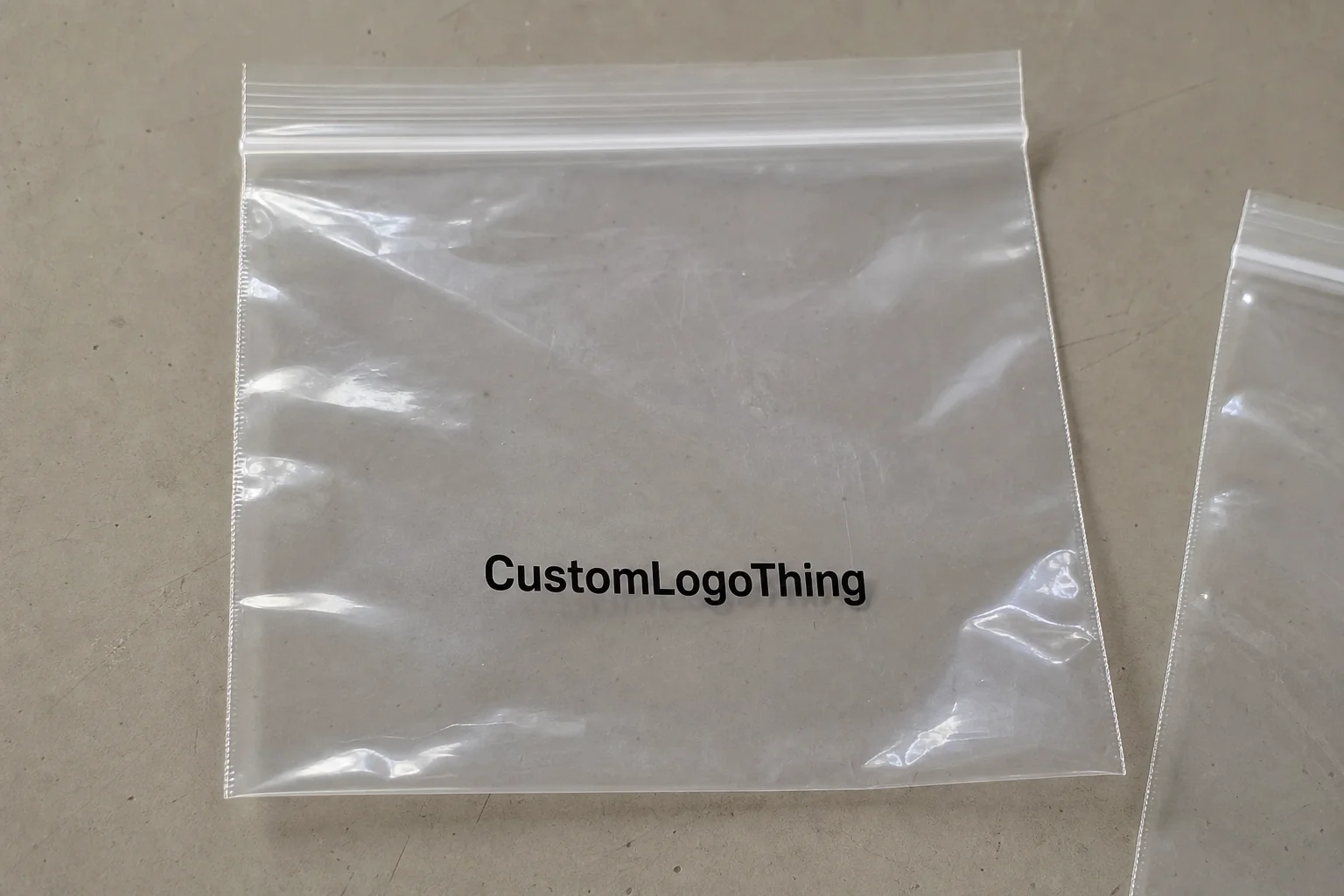
A clear retail pouch can look sharp in a mockup and still fail the first day it is filled. The zipper track separates. The side seal feathers after a 12-ounce product is packed. The barcode scans fine on the proof and dies once printed over a transparent panel. Fun little surprises, if your idea of fun is repacking inventory under deadline pressure.
A get printed clear zipper bags Supplier Audit Checklist helps catch those problems before film, ink, tooling, and freight money are already committed. It is not only for large purchasing teams with formal factory audits. For a brand owner, distributor, or packaging buyer, it is a working document that turns “Can you make this?” into “Can you make this exact bag, to this standard, on this schedule?”
Printed Clear Zipper Bags are transparent or semi-transparent plastic bags with a reclosable zipper and custom print. Most are made from polyethylene, polypropylene, or laminated plastic film. The print may include a logo, ingredients, warnings, lot code space, fill line, barcode, recycling note, or use instructions.
Clear packaging is unforgiving. Haze, dust, scuffs, ink misregistration, zipper wave, trapped air, seal distortion, and uneven opacity are all visible. A kraft pouch can hide small flaws. A clear bag tattles immediately. That is why the audit should focus on five areas: material, printing, zipper construction, compliance, and production control.
A good audit is not an interrogation. It is a shared specification that defines acceptable production before the first roll is printed.
Most bad custom bag orders do not start with bad intent. They start with assumptions. The buyer assumes the zipper will hold. The supplier assumes the product is light. The artwork file assumes the barcode can sit close to a seal. The warehouse assumes cartons will be labeled by SKU. Then production happens, and everyone learns things the expensive way.
The right checklist brings those assumptions into the open. It gives the supplier a fair target and gives the buyer something better than “high quality plastic” as a purchasing standard. That phrase should be retired anyway. It has done enough damage.
How Printed Clear Zipper Bag Production Really Works
The production path looks simple on paper: choose resin or source film, extrude or laminate, treat the surface, prepare artwork, set up plates or digital files, print, dry or cure, convert, insert the zipper, seal, pack, and inspect. Each step can change how the finished bag looks, feels, and performs.
Common material choices include LDPE for softness and flexibility, HDPE blends where a stiffer hand is useful, CPP or BOPP for better clarity and a crisper retail face, and laminated structures for improved barrier, stiffness, or shelf presence. A simple 2 mil LDPE zipper bag may work for lightweight accessories or paper inserts. A laminated 3.5 mil structure may be better for snacks, powders, cosmetics, heavier kits, or products that need a cleaner stand-up presentation.
Thickness is only part of the story. Two films with the same nominal gauge can behave differently because of resin grade, additives, extrusion quality, recycled content, lamination, and storage conditions. A bag can be thick and still feel cheap if the zipper is weak or the film clouds under stress.
Surface treatment matters more than many buyers realize. Untreated plastic can repel ink, causing rub-off, pinholing, weak adhesion, or print that looks acceptable during proofing but breaks down after filling and carton handling. Suppliers often use corona treatment to raise surface energy before printing. Ask whether the film is treated, whether dyne level is checked, and how long treated film sits before printing. Dyne level drops over time. Plastic is rude like that.
Print methods vary. Flexographic printing is common for repeat production, spot colors, and efficient mid-to-large runs. Digital printing can suit lower volumes, multiple SKUs, or frequent design changes. Rotogravure is usually reserved for high-volume, high-detail work where tooling cost is justified. Each method has different setup charges, color behavior, minimum order quantities, and correction costs.
The zipper profile is usually inserted during converting, then sealed into the bag structure along with side or bottom seals. Zipper alignment, track engagement, and side-seal strength should be checked together. A zipper can feel fine in the center but fail near the ends if heat, dwell time, pressure, or profile placement is off.
Clarity can shift because of resin, slip additives, anti-block agents, recycled content, handling, storage, and converting heat. If the product depends on a clean retail view, the audit should connect the visual goal to real production controls: film structure, print method, white ink use, zipper type, sample approval, inspection method, and packing protection.
Material, Zipper, and Print Quality Checks to Include
Start with the bag specification. Ask for film type, thickness or gauge, finished width and height, usable fill area, zipper location, bottom or side gusset if used, hang hole style, vent holes, seal width, tear notch position, and carton packing count. A 6 inch by 9 inch outside dimension does not mean you get a 6 inch by 9 inch usable area. The zipper, seals, tear notch, hang hole, and converting tolerances all take space.
Check clarity with the real product or a printed mockup behind the film. A bag can look clear on a white table and look dull once filled with dark, textured, or colorful contents. A practical test is to compare samples over 8-point printed text, a barcode, and the actual product surface. It is basic. It also tells you more than a polished catalog photo.
Zipper testing should include repeated open-close cycles, pull resistance, finger feel, zipper wave inspection, and end-seal checks. Ten open-close cycles will not prove lifetime performance, but it often reveals poor alignment, gritty engagement, loose tracks, or a zipper that is too hard for customers to open without yanking the seal.
- Film checks: gauge consistency, clarity, odor, blocking, scuffing, puncture resistance, and stiffness.
- Zipper checks: track engagement, alignment, end seals, opening force, and performance after filling.
- Print checks: rub resistance, registration, color match, white ink opacity, and barcode scannability.
- Seal checks: seal width, burn-through, wrinkles, leaks, and strength after normal handling.
Clear bags need careful artwork planning because transparent panels, white ink plates, and product visibility all interact. White ink underlays may be needed behind a logo, nutrition panel, warning label, or barcode so the print does not disappear against the product. Safe zones matter too. Keep critical art away from zipper tracks, side seals, hang holes, tear notches, and gusset folds. A common starting point is 3 mm to 5 mm, but the supplier’s converting tolerance should decide the final number.
Performance checks should match the actual job. Fill the sample to target weight. Drop it from a realistic handling height. Rub the print with dry and slightly damp fingers. Smell the empty bag. Inspect seals after 24 to 72 hours if the product is oily, scented, frozen, powdery, or sharp-edged. For shipping-heavy programs, references such as ISTA test methods can help frame transport expectations, even if you do not run a full formal test.
Ask for retained samples from the same production run, not only pre-production samples. If a quality dispute appears later, retained bags become the reference point. The checklist should also define what happens to rejected bags: scrap, rework, replacement, credit, or hold for review.
Pricing, MOQ, and Unit Cost Questions for Suppliers
Price is driven by film structure, thickness, bag size, zipper type, print coverage, number of colors, order quantity, tooling, plate or setup charges, inspection requirements, packing method, and freight. A one-color logo on a stock clear LDPE zipper bag sits in a different cost universe from a four-color laminated pouch with white ink, hang hole, gusset, and tight barcode requirements.
The lowest unit cost is not always the lowest total cost. If the supplier has poor yield, vague lead times, weak quality control, or frequent rework, you may pay less per bag and more per usable bag. That difference shows up in repacking labor, retail chargebacks, rushed replacement orders, delayed launches, and inventory gaps.
| Order Scenario | Typical Fit | Common Cost Drivers | Buyer Watchout |
|---|---|---|---|
| Small digital run | Test launches, seasonal graphics, multiple SKUs | Artwork setup, print coverage, lower production speed | Unit cost may be higher, but tooling can be lower |
| Flexographic custom run | Repeat retail items and moderate volumes | Plates, film gauge, ink colors, MOQ | Compare plate charges and color tolerances carefully |
| Laminated premium bag | Products needing stiffness, barrier, or stronger shelf presence | Film layers, lamination, zipper profile, curing time | Lead time and MOQ usually rise with structure complexity |
For planning only, a small custom Printed Clear Zipper bag may range from about $0.08 to $0.25 per usable bag at moderate quantities. Larger laminated bags or high-coverage printed bags may move into the $0.25 to $0.60+ range depending on size, structure, order volume, and freight. Resin pricing, ink coverage, minimums, and shipping terms can move those numbers quickly.
Ask for a quote breakdown that separates tooling or plate charges, sample fees, production unit cost, carton packing, freight terms, rush charges, and artwork correction fees. Also ask whether overruns or underruns apply. A 5% overrun on 20,000 bags is 1,000 extra units. That may be useful inventory, or it may be a box of expensive reminders if the design changes next month.
MOQ needs a direct conversation. Small runs may be possible with digital printing or stock-film options. Custom film, specialty zipper profiles, laminated structures, and multi-color flexo or gravure work usually require higher minimums because setup waste and machine time have to be spread across the order.
Compare quotes from the same specification sheet. One supplier may quote 2 mil film while another quotes 3 mil. One may include white ink behind the barcode while another leaves it out. One may pack 1,000 per carton with protection; another may bulk-pack in a way that scuffs the display panel. The price is not the whole quote. The assumptions are where the trouble hides.
Process, Timeline, and Approval Steps Before Production
A clean ordering sequence usually looks like this: share product dimensions and fill weight, choose material and zipper style, submit artwork, receive a dieline, approve a digital proof, approve a physical sample or production standard, begin mass production, inspect, pack, and ship. Skipping steps can save a few days on the schedule and cost weeks if the finished bags are wrong.
Lead time depends on artwork readiness, material availability, tooling, print method, production queue, drying or curing requirements, inspection, and shipping. A straightforward repeat run can move quickly once artwork and materials are locked. A first order with custom film, new plates, color matching, and physical sampling needs more buffer, especially for food, cosmetics, electronics, or regulated labeling.
A useful proof should show finished bag size, zipper placement, seal areas, print colors, transparent windows, white ink areas, barcode position, hang hole location, and legal or product-use text. Do not approve artwork by itself. Approve artwork on the converted bag layout, because zippers and seals eat space. They do not care how elegant the logo looked in Illustrator.
Physical samples are strongly recommended for heavy contents, oily or scented products, freezer use, e-commerce shipping, retail peg display, or premium packaging where clarity and hand feel matter. For food-contact, recycling, compostability, or sustainability claims, ask direct questions about applicable materials, declarations, and documentation. The EPA can help with broader environmental language, but packaging compliance depends on product type, claim wording, material structure, and selling location.
Ask when final changes are locked. Late revisions after plates, cylinders, film ordering, or production scheduling can create extra cost and delay. If a barcode changes after proof approval, the supplier may need new plates or revised production files, and the clock restarts.
First orders need patience. Repeat orders need discipline. In both cases, the approved sample and written specification protect the buyer and the supplier.
Build time into the schedule for actual review, not just supplier production. Someone has to scan the barcode, check copy, compare color, test the zipper, fill the bag, and approve cartons. If approval takes five internal departments and nobody owns the final signoff, the supplier is not the bottleneck. Your process is.
Step-by-Step Supplier Audit Checklist for Buyers
Use this section as the working core of your get printed clear zipper Bags Supplier Audit Checklist. It does not need to be complicated. It needs to be complete enough that the supplier cannot fill in the blanks with assumptions you never approved.
- Confirm supplier basics. Record business details, contact names, production capabilities, bag styles offered, printing methods, typical materials, quality certifications if relevant, and experience with clear zipper bags in similar sizes or applications.
- Request comparable physical samples. Ask for samples close to your intended use, not only attractive showroom pieces. Review clarity, zipper feel, sealing, print adhesion, odor, scuffing, and packing condition.
- Verify artwork and prepress control. Confirm accepted file formats, dieline ownership, color matching method, proof approval workflow, barcode verification, white ink handling, and version control.
- Review quality procedures. Ask about incoming film inspection, in-process print checks, zipper alignment checks, seal testing, defect sorting, final AQL inspection, and carton labeling.
- Ask about nonconforming bags. Find out whether defective bags are scrapped, reworked, segregated, reported, photographed, replaced before shipment, or included as part of normal waste allowance.
- Check communication habits. Notice whether the supplier answers technical questions clearly, confirms assumptions, documents changes, and flags production risks before asking for a deposit.
- Request a written production specification. The audit should become a buying document with material, size, print, zipper, packing, sample, inspection, and delivery terms clearly listed.
For inspection language, many packaging buyers use AQL sampling as a practical framework, even when the order is not highly regulated. You might define major defects as open seals, wrong artwork, unreadable barcode, incorrect size, contamination, or zipper failure. Minor defects may include a small scuff outside the main display area or slight color variation within an agreed range. The exact acceptance level depends on the product, but the categories should be agreed before production.
Ask how the supplier measures. A caliper reading for film thickness, a barcode scan report, a color reference, and a simple seal pull check tell you more than “QC passed.” For clear printed bags, measurement beats adjectives every time.
Also ask how cartons are labeled and packed. Carton count, inner bundles, moisture protection, pallet pattern, lot code, and SKU labeling sound boring because they are. They still matter when your warehouse receives 60 cartons and needs to separate three similar versions before a shipment cutoff. Good carton discipline prevents mixing, scuffing, and picking errors.
If the order has multiple SKUs, confirm changeover controls. Similar graphics, similar sizes, and similar clear bags are easy to mix. Ask whether the supplier separates production lots, labels inner bundles, photographs packed cartons, and records final counts by SKU. A tiny labeling mistake at the factory can become a very large receiving problem.
Common Mistakes That Lead to Bad Bag Orders
The first mistake is choosing a supplier from photos alone. Lighting, renderings, and mockups can hide haze, seal distortion, weak zipper engagement, poor ink laydown, and thin film. A photo will not tell you whether the zipper feels cheap or whether the print rubs off after the bag slides across a packing bench.
The second mistake is specifying only outside dimensions. You also need usable interior space, zipper position, fill line, seal width, hang hole location, and the real size of the product after it is packed. Powders settle. Soft goods bulge. Sharp parts push into corners. A bag that looks right flat may be too tight once converted and filled.
Film thickness and structure create another common trap. A 2 mil LDPE bag may be fine for paper inserts or lightweight apparel trims. It may struggle with metal parts, frozen items, oily samples, or products with sharp corners. Barrier expectations matter too. A standard clear polyethylene bag is not the same as a laminated barrier pouch, and no amount of confident quoting changes the physics.
Color approval can surprise buyers. A color viewed on a screen will not behave the same on clear film, over white ink, or against the actual product color inside the bag. If brand color is critical, ask for a drawdown, printed sample, or defined tolerance before the full run.
Skipping barcode and regulatory text checks can create bigger problems than cosmetic print defects. A scuffed logo is annoying. An unscannable barcode can block receiving at retail or marketplace warehouses. Warning text that falls into a seal area can create compliance and customer-service headaches.
Another mistake is comparing suppliers only by MOQ and unit price. Response clarity, sample accuracy, defect allowance, lead time reliability, packing protection, and issue resolution are part of the cost. Cheap bags that arrive late, scuffed, mislabeled, or impossible to scan are not cheap. They are just invoices with extra steps.
Rushed approvals create some of the most expensive failures. Once custom printed film is produced, artwork, size, color, or zipper placement errors are hard to recover from. A digital proof review may feel slow. Reprinting 30,000 bags feels slower.
Next Steps Before You Request Samples or Place an Order
Before contacting suppliers, measure the product, weigh the filled bag, decide how it will be displayed or shipped, choose the clarity level needed, and identify any barrier, odor, freezer, or puncture concerns. If the bag will hang on a peg, test the hang hole with the filled weight. If it will ship in a mailer, test corner puncture and zipper pressure after compression.
Prepare a one-page specification sheet. Include bag size, usable fill area, material preference, thickness, zipper style, print colors, artwork files, target quantity, packing requirements, delivery deadline, and any required marks or warnings. It does not need fancy formatting. It needs enough detail that three suppliers quote the same bag.
Request three things from each supplier: a comparable sample, a written quote using the same specifications, and a short explanation of the proofing and inspection process. Then test the samples with real product, real handling, and real storage conditions. Do not judge an empty bag on a desk and assume it will behave the same when filled, stacked, shipped, chilled, or opened repeatedly by customers.
- Keep notes from every supplier conversation, including claims, exceptions, and promised lead times.
- Compare landed cost per usable bag, not only quoted price per bag.
- Save approved proofs, samples, specifications, and carton photos in one project folder.
- Confirm who owns plates, dielines, and artwork revisions before paying setup charges.
If you are unsure about film structure, ask the supplier to explain two or three options in plain language with tradeoffs. A good answer should mention thickness, clarity, stiffness, zipper compatibility, print method, MOQ, and Cost impact. A vague answer like “premium material” is not enough for a custom printed retail bag.
A supplier audit checklist turns a loose packaging search into a controlled buying process. It will not remove every risk, because production is still production. It will reduce avoidable surprises, clean up quotes, improve sample reviews, and make quality discussions less emotional when something needs correction. That is the point: fewer assumptions, fewer rejects, and a clear zipper bag that works after it leaves the mockup.
FAQs
What should a printed clear zipper bags supplier audit checklist include?
It should include material type, film thickness, finished size, usable fill area, zipper style, print method, color controls, sample approval steps, seal testing, barcode checks, MOQ, quote terms, lead time, packing method, and defect handling. Ask for physical samples and written specifications so the supplier’s promises can be checked against actual production quality.
How do I compare suppliers for custom printed clear zipper bags?
Compare suppliers using the same bag size, film structure, thickness, print coverage, quantity, zipper style, inspection standard, and delivery terms. Do not compare unit price alone. Review sample quality, response clarity, proofing process, lead time reliability, packing protection, and how rejected bags are handled.
What affects the cost of printed clear zipper bags the most?
Major cost drivers include bag dimensions, film thickness, resin or laminate structure, zipper profile, number of print colors, print coverage, artwork setup, MOQ, inspection needs, packing, and freight. A thicker or clearer film, tighter color matching, specialty zipper, or lower order quantity usually increases unit cost.
How long does it take to produce custom printed clear zipper bags?
Timeline depends on artwork readiness, proof approvals, sampling, material availability, printing method, production queue, converting speed, inspection, and shipping. First orders usually take longer than repeat runs because the buyer and supplier must confirm dielines, colors, zipper placement, and finished bag performance.
Do I need samples before ordering printed clear zipper bags in bulk?
Yes. Samples are strongly recommended because clear zipper bags must be checked for clarity, zipper feel, seal strength, print adhesion, size accuracy, and product fit. Test samples with the actual contents and handling conditions, especially if the product is heavy, sharp, oily, scented, frozen, or displayed on a retail peg.


