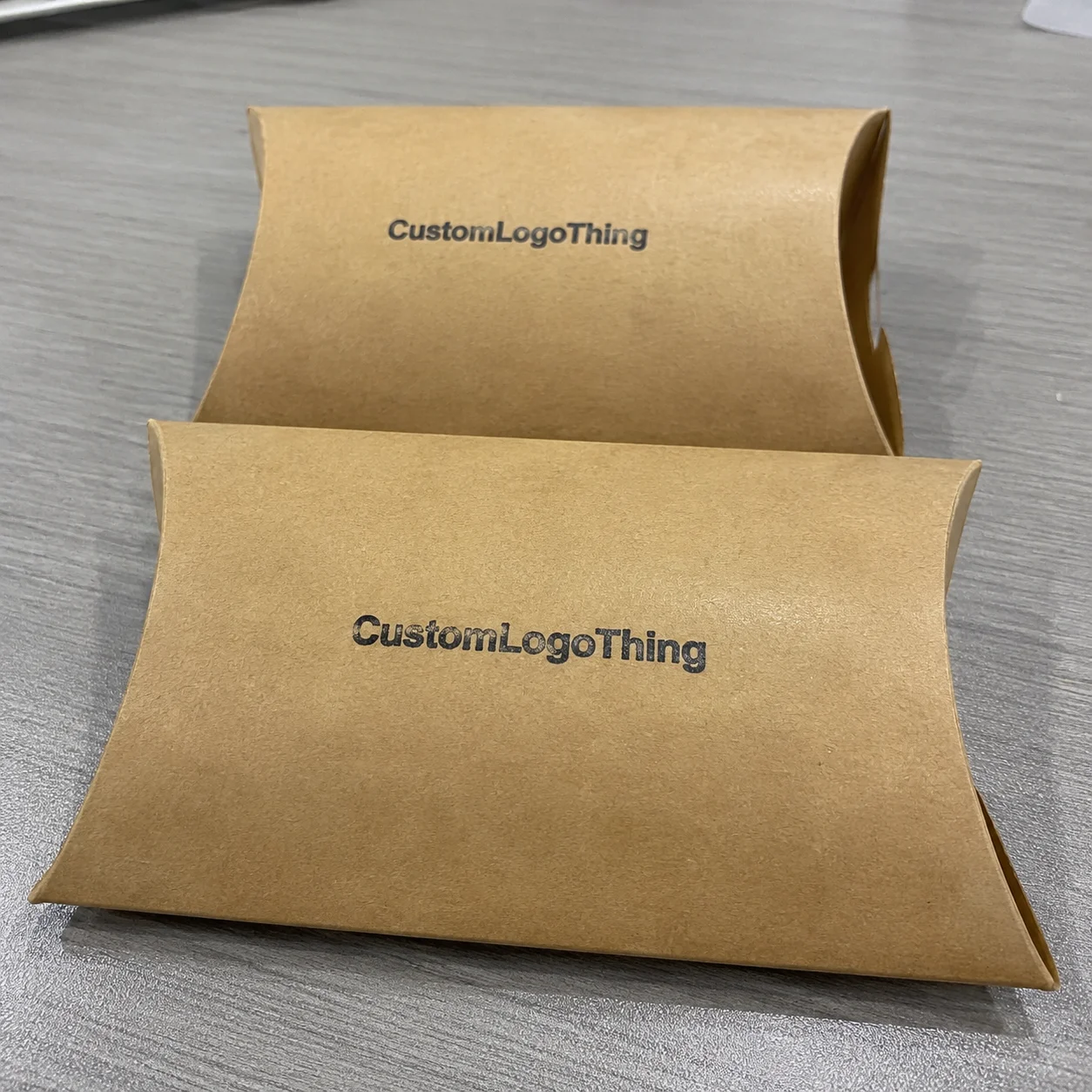
Get Printed Matte Zipper Bags Bulk Reorder Plan Without Stockouts
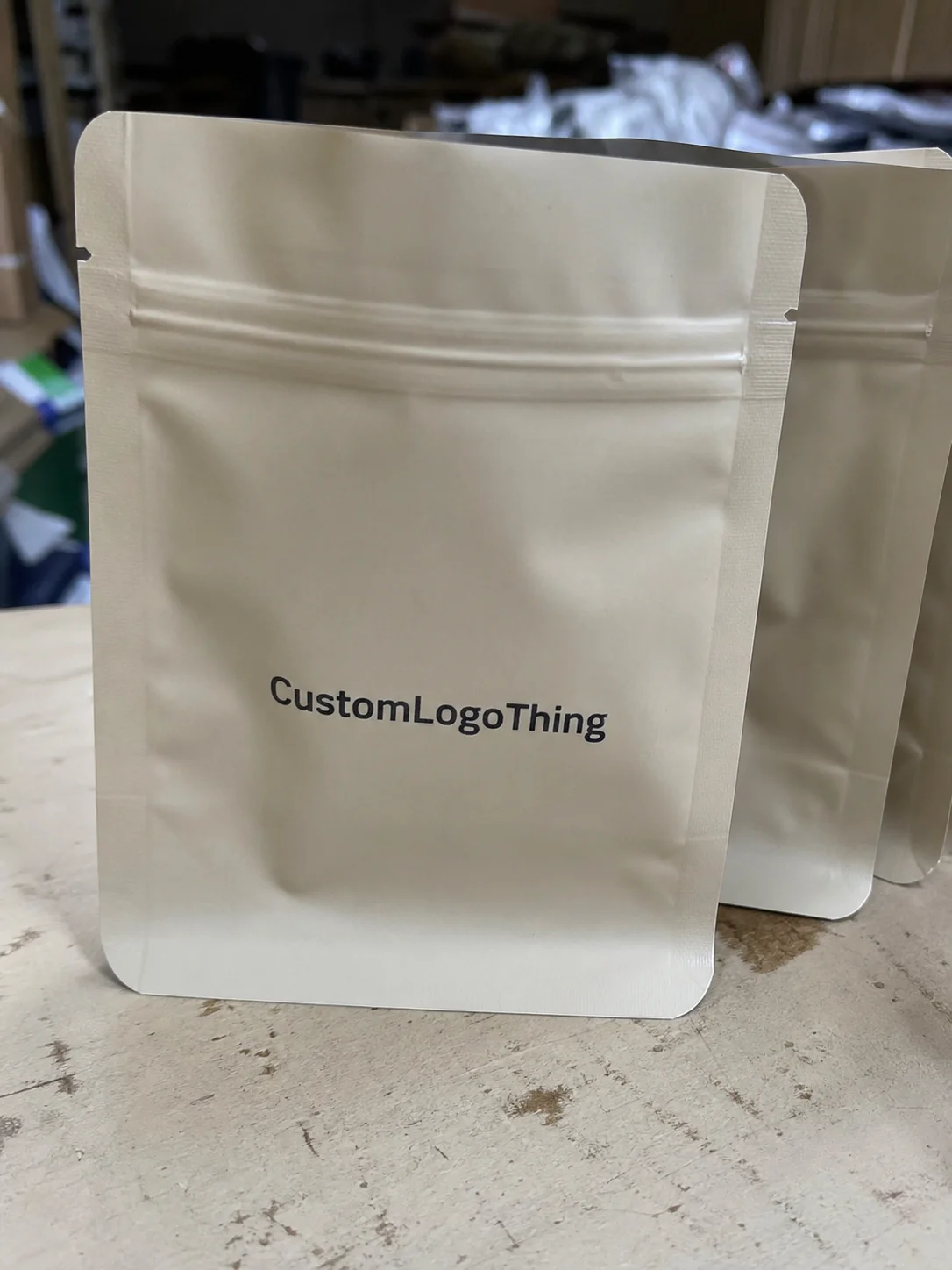
A sharp matte zipper pouch is not much help if it arrives three days after a retailer reset, a coffee roast drop, or a subscription packing window. Packaging has one job before it gets to be beautiful: it has to be available. That is why brands should Get Printed Matte Zipper Bags bulk reorder plan details settled before inventory starts making everyone nervous.
Reorder success is usually decided during the first order. Not later, when someone is trying to identify a pouch from a blurry warehouse photo. Artwork files, material gauges, zipper style, carton counts, sample approvals, barcode placement, seal specifications, and case labels all need to be documented while the job is fresh. “Same as last time” is not a spec. It is a wish with a purchase order attached.
Matte zipper bags work well for brands that need low-glare shelf presence, a retail-ready finish, resealability, and predictable replenishment. Dry foods, supplements, coffee samples, cosmetics, hardware kits, apparel accessories, refill products, and small pet products all use this format. The pouch protects the product, carries the brand, and stays useful after opening.
Practical callout: A reorder plan should include monthly usage, safety stock, production lead time, SKU count, carton pack, and known promotional spikes. Those numbers matter more than a vague request for “the same bags as last time.”
A clean reorder plan helps control the things buyers actually care about: fewer rush orders, steadier unit cost, more consistent print color, and less time spent rebuilding specifications every time stock drops. It also gives purchasing, marketing, and warehouse teams the same working file instead of three separate assumptions. That alone can save a surprising amount of back-and-forth.
Matte Zipper Bag Product Details Buyers Should Confirm
Printed Matte Zipper Bags are custom flexible pouches with printed branding, a low-glare or soft-touch exterior, and a resealable zipper closure. The finish may come from matte film, matte varnish, or a lamination choice. Each option affects feel, scuff resistance, print sharpness, price, and lead time. Treat it like a production decision, not a decorative afterthought.
Common pouch formats include stand-up pouches, flat zipper bags, three-side-seal pouches, bottom-gusset bags, and retail hang-hole formats. A 4 oz snack pouch may need a stable bottom gusset. A replacement part kit may perform better as a flat zipper pouch with a hang hole. A refill pouch might need more stiffness, especially if the product is heavy or awkward to pour.
Filling method matters too. Hand filling, scale filling, auger filling, and semi-automatic lines all put different demands on opening size, seal area, zipper position, and pouch stiffness. If a pouch collapses during filling or the zipper sits too close to the heat seal area, production slows down. Nobody quotes that cost on the bag line item, but the packing team will feel it.
Zipper selection is practical. Standard press-to-close zippers work for many dry goods. Wide-track zippers can be easier for consumers to align, especially on larger pouches. Child-resistant closures may be required for certain regulated products, depending on product category and market. Tear notches improve the first opening, but the tear line needs enough clearance above the zipper so the customer does not damage the reseal feature on day one. Yes, that happens.
Barrier requirements change by product. Coffee, tea, spices, supplements, greasy snacks, powders, and scented cosmetics do not behave the same way inside a pouch. Buyers should confirm filling temperature, product weight, shelf-life target, grease sensitivity, aroma sensitivity, moisture sensitivity, and whether the pouch must stand upright after filling. For broader packaging education, the Packaging Association is a useful authority resource on materials and industry practices.
Many reorder problems start because the first purchase order describes the pouch visually. Better: lock the pouch size, finish, material structure, zipper placement, tear notch, print method, and carton count into a specification sheet. The next run needs a firm target, not a memory test.
Specifications That Keep Bulk Reorders Consistent
Precise specifications are the backbone of any serious Get Printed Matte Zipper Bags bulk reorder plan. The core list should include width, height, gusset depth, material structure, film thickness, zipper type, tear notch, hang hole, corner radius, finish, print coverage, carton pack, and pallet requirements if the shipment is going to a warehouse or fulfillment center.
Film thickness needs to match the product and handling conditions. Lightweight samples may work in thinner structures. Larger pouches, heavier fills, sharp-edged hardware, dense powders, or products shipped through rough parcel networks usually need stronger film and better puncture resistance. A small flat pouch might sit around the 3 mil to 4 mil range, while a heavier stand-up pouch may require a thicker laminated structure. The right answer depends on format, product, shelf life, and distribution. Sampling beats guessing.
Material structure should be written clearly. A buyer may see terms such as PET, PE, CPP, nylon, metalized PET, kraft laminate, or foil laminate. Those layers are not interchangeable. PET can support print and stiffness. PE often supports sealing. Nylon may improve puncture resistance. Foil and metalized films can improve light, oxygen, and aroma barrier. Compostable or recyclable structures may be possible for some products, but barrier performance, seal strength, and available zipper options need to be checked. Sustainability claims also need legal review, because vague packaging claims age badly.
Print specifications deserve the same discipline. Confirm CMYK process printing or spot color matching, logo placement, barcode size, white ink underlayers, nutrition panels, compliance copy, lot-code windows, and any matte-over-gloss contrast effect. Barcodes should be checked with a scan test after proofing and again during quality control. A beautiful pouch with a weak retail barcode can create receiving problems, chargebacks, or slow checkout. Glamorous? No. Expensive? Potentially.
Barrier language should be plain. Oxygen barrier helps protect products sensitive to oxidation. Moisture barrier helps powders, snacks, and hygroscopic products resist clumping or texture loss. Aroma barrier matters for coffee, tea, spices, and scented goods. Light blocking can be handled through opaque film, metalized layers, foil, or ink coverage. Puncture resistance depends on film selection and lamination structure, not just thickness.
- Master dieline: Keep one approved layout file for each pouch size and SKU.
- Approved artwork: Store editable files, linked images, fonts or outlined text, and final print-ready PDFs.
- QC checkpoints: Verify zipper alignment, seal strength, print registration, film roll consistency, barcode readability, and carton labeling.
- Reference sample: Keep a signed or dated physical pouch from the approved run for color, stiffness, finish, and zipper feel comparison.
Quality checks should be specific enough to catch real problems. Measure finished pouch dimensions. Check seal width and seal continuity. Open and close the zipper several times, not once. Review print registration around small text and logo edges. Confirm tear notch placement. Scan the barcode under normal retail lighting. Inspect carton labels against the purchase order. These are simple checks, which is exactly why skipping them is so annoying.
Standards can help frame expectations. For shipping performance, buyers may look at ISTA test protocols for packaged-product distribution. For seal and material testing, many suppliers reference ASTM methods depending on construction and application. Not every matte zipper pouch needs a formal lab program, but measurable targets reduce arguments later.
Pricing, MOQ, and Unit Cost for Matte Zipper Pouches
Pricing is driven by pouch size, film structure, thickness, print method, ink coverage, matte finish type, zipper style, order quantity, number of SKUs, and special features such as hang holes, rounded corners, valves, or child-resistant closures. A basic resealable poly pouch and a high-barrier matte laminated stand-up pouch are not built from the same cost assumptions.
MOQ, or minimum order quantity, exists because setup time has to be spread across enough finished bags. Printing, lamination, curing, slitting, pouch making, inspection, and packing all require machine time and labor. Larger bulk runs usually lower unit cost because setup is spread over more units. A buyer ordering 2,500 pieces per SKU may see a very different unit price than a buyer ordering 25,000 pieces per SKU, even with the same artwork.
| Order Scenario | Typical Fit | Common Cost Drivers | Buyer Watchpoint |
|---|---|---|---|
| Small trial run | Launch testing, samples, short campaigns | Digital setup, lower quantity, proofing time | Unit cost can be higher, but risk is lower before scaling |
| Mid-volume reorder | Growing retail or ecommerce SKU | Shared pouch size, stable artwork, repeat materials | Reorder timing should include safety stock and freight days |
| Bulk production run | Established SKU with steady demand | Film structure, print coverage, lamination, zipper style | Storage space and cash flow should match order quantity |
| Multi-SKU program | Flavors, scents, sizes, or product lines | Separate art files, color matching, press time, carton sorting | Shared sizes may help, but each design still needs control |
As a rough buying frame, custom printed matte zipper pouch pricing can vary widely. Smaller digitally printed runs may land around $0.35 to $1.20 per pouch depending on size and structure. Larger bulk laminated runs may move lower, sometimes around $0.08 to $0.40 for common sizes. Heavy barrier film, premium soft-touch matte, valves, special zippers, multiple designs, and lower-yield pouch sizes can push the price back up. Freight, duties where applicable, carton configuration, and storage also affect the landed value.
For a clean quote, send target quantity per SKU, expected reorder frequency, dimensions, material or barrier needs, artwork status, delivery location, desired carton pack, and target in-hands date. If the program includes several SKUs, ask whether shared pouch sizes, grouped production, or staged delivery can keep the order efficient.
Lowest unit price is not always lowest total cost. A cheaper film that fails the shelf-life target, a weak zipper that frustrates repeat use, or a rushed freight bill caused by late ordering can cost more than a planned bulk reorder. The useful comparison is total landed value: production consistency, shipping timing, receiving clarity, inventory risk, and the cost of fixing mistakes.
Process and Lead Time From Quote to Reorder
The standard process moves through quote review, specification confirmation, dieline setup, artwork proofing, material selection, sample or pre-production approval, printing, lamination or finishing, pouch conversion, inspection, packing, and shipping. The first order usually takes longer because every decision has to be established before production can run cleanly.
A first custom run often needs 15 to 30 business days after proof approval, depending on order size, material availability, print method, lamination, and freight. Some domestic or digital options may run faster. Complex laminated structures, large bulk quantities, specialty zippers, or soft-touch matte coatings may need more time. Reorders can move faster when the approved dieline, print file, material recipe, zipper setup, carton configuration, and QC notes are already on record.
Proof approval discipline matters. A small copy change can reset review time if it affects a barcode, nutrition facts panel, supplement facts panel, ingredient list, warning statement, or color-managed logo. If regulatory copy is involved, the brand should complete its internal review before sending final art. Packaging suppliers can check print setup. Product compliance remains the buyer’s responsibility.
Here is the reorder habit that works: set a trigger before the shelf is almost empty. If a brand uses 8,000 pouches per month and the reorder cycle is 25 business days plus receiving time, waiting until only 5,000 pieces remain is risky. A better trigger may be 12,000 to 16,000 pieces, depending on sales swings, warehouse space, retailer commitments, and how painful a stockout would be.
Build the calendar backward from the date bags must be usable, not the date they ship. Receiving, inspection, inventory entry, internal transfers, and packing-line setup all take time. Add freight days, then add a buffer for proof changes or material delays. If the pouch is tied to a launch, retailer reset, seasonal kit, or subscription cycle, pad the timeline. Optimism is not a production strategy.
Custom Logo Things helps buyers organize reorder-ready files, confirm missing details, and quote against the actual pouch construction rather than a vague description. If the goal is to Get Printed Matte Zipper Bags bulk reorder plan support that reduces delays, the production file should be complete before the next purchase order becomes urgent.
Bulk Reorder Planning That Protects Brand Consistency
Matte zipper bags are not just containers. They are brand assets that sit on shelves, appear in unboxing photos, and shape the tactile impression of the product. Reorders need to preserve color, finish, feel, dimensions, stiffness, and shelf presentation from run to run.
Color consistency needs realistic expectations. Flexible packaging is printed on films, laminates, and coatings that do not behave like paper labels. Matte finishes can soften contrast. Clear windows can change how nearby ink appears. Different print methods may shift density or edge sharpness. If a brand color is critical, provide Pantone targets or approved color standards and keep a physical sample from the accepted run.
A reorder calendar should be tied to sales velocity, seasonal promotions, retailer resets, subscription cycles, and warehouse capacity. If a holiday bundle doubles pouch usage for six weeks, that spike belongs in the plan. If a retailer reset requires new cartons by a fixed receiving date, the reorder trigger should move earlier. The calendar has to reflect reality, not the clean version someone typed into a forecast in March.
SKU grouping can reduce friction. Brands can often run shared sizes together, standardize zipper placement, align hang-hole location, and use consistent carton counts across related SKUs. That makes purchasing cleaner and warehouse receiving easier. For buyers managing several product lines, Custom Logo Things’ Wholesale Programs can help frame repeat quantities and bulk ordering needs.
Inventory safeguards are simple but powerful: keep buffer stock, consider split shipments, use staged delivery if storage is tight, and confirm whether artwork revisions are planned before placing the next bulk order. If marketing is changing a logo, flavor name, claim, barcode, or compliance panel, flag it before proofing starts. Last-minute changes are one of the fastest ways to lose reorder speed.
Retain physical samples from each approved production run. Compare matte texture, film opacity, pouch stiffness, zipper feel, seal width, and color density during future approvals. Digital proofs are useful, but they cannot fully show tactile finish or film hand-feel.
- Do not change bag dimensions without checking fill volume and shelf presentation.
- Do not switch to a cheaper film without confirming barrier performance.
- Do not approve proofs before barcode, claims, and compliance panels are reviewed.
- Do not delay a reorder until expedited freight becomes the only option.
A documented reorder plan gives purchasing, marketing, and warehouse teams the same assumptions. That is the real value: fewer surprises, cleaner approvals, and packaging that keeps pace with demand.
Next Steps to Place a Clean Bulk Reorder
Before requesting pricing, confirm remaining inventory, estimate monthly usage, choose a reorder quantity, review current bag performance, gather approved artwork, and note any requested changes. If the last run had scuffing, zipper complaints, fill issues, carton confusion, or barcode trouble, mention it early. Good production planning starts with honest feedback, not sanitized notes.
Send pouch size, photos of the current bag if available, material or barrier requirements, quantity by SKU, delivery location, desired arrival date, and whether the order is an exact repeat or a revised run. If you do not know the film structure, provide the product type, fill weight, shelf-life target, and storage conditions so the team can help narrow the right construction.
Flag product changes early. Heavier fill weight, new flavors, updated regulatory copy, new barcode numbers, alternate zipper requirements, different display needs, or a softer matte finish expectation can all change the quote or proofing path. Even a small size increase can affect material yield, carton count, shelf fit, and unit cost.
Ask for the boring documents. They are the useful ones. A complete reorder file should include the approved dieline, final artwork, material structure, finished dimensions, zipper specification, matte finish type, carton pack, case label format, QC notes, and the approved physical sample reference. If a supplier cannot tell you what was made last time, the next run is already less controlled than it should be.
Custom Logo Things can review the specification package, identify missing production details, and prepare a quote that reflects the actual construction. If you also need answers on artwork, ordering, or general production questions, the FAQ page is a useful starting point before sending files.
To Get Printed Matte Zipper bags bulk reorder plan support, send the current specs and target reorder date so the team can confirm cost, MOQ, proofing needs, and production timing. The next best step is not guessing a bag price. It is building a repeatable order file that purchasing can use every time stock gets low.
FAQ
How do I get printed matte zipper bags in bulk with a reorder plan?
Start by sharing bag size, material needs, artwork, quantity by SKU, delivery location, and the date you need bags in hand. Ask for a documented specification sheet so future reorders use the same film, zipper, finish, dimensions, and print setup. Then set a reorder trigger based on usage rate, safety stock, and production lead time instead of waiting until inventory is nearly gone.
What MOQ should I expect for custom matte zipper bags?
MOQ depends on pouch size, print method, film structure, finish, and number of designs in the order. Bulk quantities usually improve unit cost because setup and production time are spread across more bags. If you have multiple SKUs, ask whether shared sizing or grouped production can help keep the order efficient.
Can printed matte zipper pouch reorders match my first order exactly?
The best match comes from using the same approved dieline, film structure, matte finish, zipper setup, artwork files, and QC reference sample. Small differences can occur if materials, coatings, or print files change, so exact-repeat instructions should be clear before proof approval. Keeping a physical approved sample helps compare finish, color, stiffness, and zipper feel on future runs.
What affects the cost of printed matte resealable bags?
Main cost drivers include size, thickness, barrier film, matte finish type, zipper style, print coverage, quantity, and SKU count. Premium barrier structures, specialty matte coatings, and custom features can raise unit cost but may improve shelf life or presentation. A complete quote should include production specs, carton packing, freight assumptions, and any setup or proofing requirements.
How long does a bulk reorder of matte zipper bags take?
Reorders are usually faster than first orders when artwork, dielines, materials, and approved production notes are already on file. Timeline depends on order quantity, material availability, proof changes, finishing requirements, inspection, packing, and freight. Place the reorder before reaching safety stock so production and shipping do not need to be rushed.