Get PVC Zipper Garment Bags Landed Cost Guide
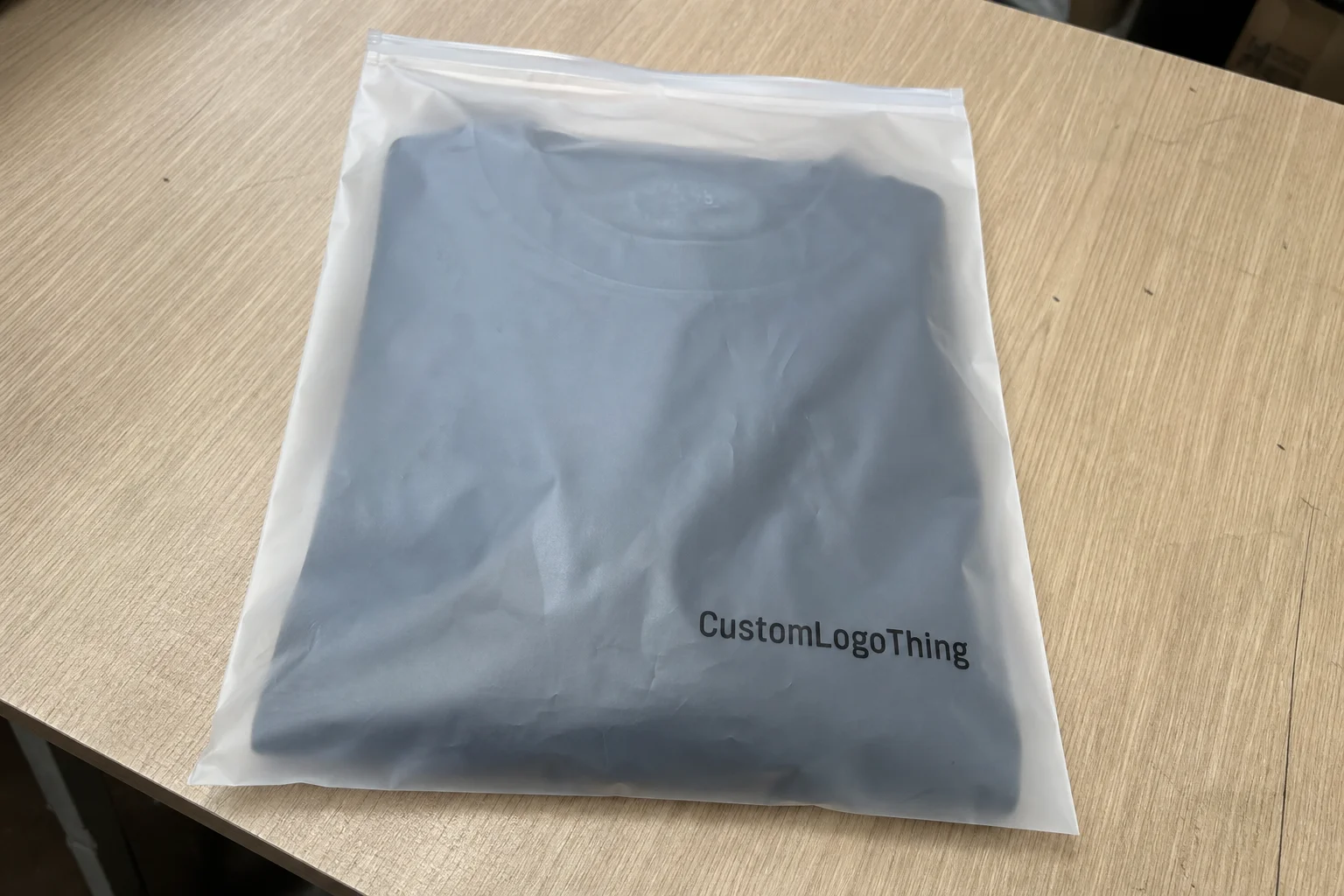
The quote looks harmless at first. Then freight, carton volume, zipper upgrades, setup charges, duties, customs handling, and final delivery fees arrive with their little calculators. That is why a get PVC Zipper Garment Bags landed cost guide matters if you are buying custom bags for retail apparel, uniforms, suits, dresses, samples, warehouse storage, or garment transport.
Factory unit price alone is where bad purchasing decisions get comfortable. A $0.42 bag can land at $0.68 after freight and handling. A $0.55 bag with better packing density, stronger seams, and fewer rejected pieces may land at $0.63. Cute quote. Bad math.
PVC Zipper Garment Bags protect clothing from dust, light handling damage, moisture exposure, storage grime, and the general nonsense of backrooms. They work for showroom transport, dry cleaner packaging, hotel uniforms, fashion samples, event wardrobe logistics, stockroom organization, and retail add-on packaging where presentation still matters after the sale.
Clear PVC also makes counting easier. Staff can identify styles, colors, sizes, and sample sets without opening every bag. Add a printed logo, SKU block, size label, care note, or warning text, and the bag becomes more than a dust cover. It becomes branded packaging that does actual work.
Buyer rule: compare total delivered cost, not just cost per piece. Landed cost includes the bag, print, packing, freight, duties, customs handling, and final delivery. Ignore one of those and your budget gets corrected for you.
This guide covers material specs, PVC gauge, zipper options, printing, MOQ, bulk pricing, tooling fees, quality checks, production timelines, and the quote details buyers should request before placing an order with Custom Logo Things.
Product Details That Change the Bag You Actually Receive
A PVC zipper garment bag sounds simple until the specs start moving. The core build usually includes a clear or tinted PVC body, zipper closure, sealed or stitched seams, a hanger opening, and sometimes a bottom or side gusset. Handles, snaps, eyelets, reinforced tops, and branded zipper pullers can also be added.
Every feature changes cost, durability, packing volume, or all three. Packaging has a sense of humor like that.
Flat Bags Versus Gusseted Bags
Flat garment bags are the lower-cost option. They use less material, pack tighter in cartons, and work well for shirts, lightweight suits, sample garments, single dresses, and basic storage. For many apparel brands, a flat bag in the 24 x 40 inch to 24 x 54 inch range covers common needs.
Gusseted garment bags add side or bottom depth, often 2 to 6 inches depending on the garment. They make sense for coats, gowns, uniforms, multi-piece sets, bulky jackets, or hotel wardrobe programs. The tradeoff is not subtle: more PVC, longer seams, higher freight volume, and usually a higher unit cost.
Do not add a gusset because it sounds premium. Add it because the garment needs room. Oversized bags look wasteful, wrinkle more during packing, and cost more to move across the ocean. Nobody wins except the freight invoice.
Zipper and Top Construction
Standard nylon zippers are fine for common garment storage. For repeated use, choose a heavier zipper, stronger puller, and better seam reinforcement near the zipper ends. A metal puller gives a more premium feel, while color-matched zipper tape makes the bag look less like a generic supply closet item.
Top openings matter too. A basic hanger hole is cheaper and works for light use. A reinforced hanger opening, sealed top, or shaped top panel handles frequent movement better. If bags will move between hotel laundry, backstage racks, retail stockrooms, sales reps, or customer closets, do not chase the cheapest top cut.
Print Placement Options
Common print choices include a front logo, corner branding, full-panel message, warning text, garment care instructions, SKU blocks, size labels, or retail-facing copy. Screen printing is usually the practical choice for simple one-color or two-color logos. Tiny text, gradients, and fine line art can be fussy on flexible PVC, so keep artwork honest.
If customers reuse the bag, do not pick the thinnest PVC and cheapest zipper. That is how brands buy complaints in bulk. A few cents saved on a zipper can turn into returns, bad reviews, and staff wasting time replacing bags that should have survived normal use.
PVC Thickness, Sizes, Printing, and Custom Specs
PVC thickness is one of the fastest ways to change both price and performance. Lightweight garment protection often uses 0.08 mm to 0.12 mm PVC. Reusable retail, uniform, hotel, or travel-style garment bags usually perform better around 0.15 mm to 0.20 mm. Thicker options are available, but cost, carton weight, and packing volume climb quickly.
Thinner PVC lowers unit cost and carton weight. It also feels cheaper, wrinkles more easily, and may not hold up well if the bag is opened, zipped, folded, and moved repeatedly. Thicker PVC improves hand feel, structure, clarity, and perceived value. It is usually the better choice for high-value garments, customer-facing retail packaging, bridal gowns, premium suits, and branded uniform programs.
| Spec Choice | Typical Range | Best Use | Cost Impact |
|---|---|---|---|
| Light PVC | 0.08 mm to 0.12 mm | Short-term dust protection, stockroom use, lightweight garments | Lowest material cost, lower durability |
| Midweight PVC | 0.13 mm to 0.16 mm | Retail garment bags, suits, uniforms, reusable storage | Balanced cost per piece and performance |
| Heavy PVC | 0.17 mm to 0.20 mm+ | Premium garments, gowns, coats, frequent handling | Higher unit cost and freight weight |
| Gusset | 2 inches to 6 inches | Bulkier garments or multi-piece sets | More material and larger cartons |
Common sizes vary by garment type. Shirt and blouse bags may run around 20 x 30 inches. Suit bags often sit near 24 x 40 inches or 24 x 44 inches. Coat bags can reach 24 x 50 inches. Gown and dress bags often land in the 24 x 60 inch to 28 x 72 inch range.
Oversized bags are not harmless. Extra length and width increase material usage, carton volume, and international freight cost. They can also make garments slide around inside the bag, which defeats part of the reason you bought the thing.
Material finish affects presentation. Clear PVC supports quick garment identification and inventory checks. Frosted PVC looks softer and more retail-ready, though visibility drops. Colored or tinted PVC can match a brand look, but minimums and color consistency should be confirmed before sampling.
For printing, screen printing is common for simple logos and lower color counts. Heat transfer or specialty printing may help with sharper detail, but not every design belongs on flexible PVC. Gradients, micro text, and large ink coverage can create adhesion or cracking risks if not tested on the actual material.
Ask for formulation details if the bags are used in regulated retail channels or exported across markets. Phthalate guidance, odor control, carton ventilation, and material declarations can matter. For broader packaging responsibility questions, the EPA Sustainable Materials Management resources are a useful reference point, even though PVC garment bags still need product-specific review.
Pricing, MOQ, and Unit Cost Drivers Buyers Miss
Pricing depends on finished size, PVC thickness, zipper length and quality, gusset depth, print colors, artwork coverage, order quantity, packing method, and shipping terms. That is the short list. The longer list includes setup charges, sample fees, carton strength, inland freight, export documentation, duties, tariffs, brokerage, and delivery to your warehouse.
Custom printed PVC Zipper Garment Bags often start around 500 to 1,000 pieces for simple specs. Better bulk pricing usually appears around 2,000 to 5,000 pieces and above because printing setup, production handling, and export packing spread across more units. For large retail or uniform programs, 10,000 pieces may cut the cost per piece further, but only if storage and forecasted usage support that order size.
Here is a planning range, not a promise carved into stone. A simple flat PVC zipper bag with one-color logo printing may run roughly $0.45 to $1.20 per piece depending on size, thickness, MOQ, and packing. Gusseted or heavier reusable bags may sit closer to $1.10 to $3.50+ per piece before international freight and duties. Premium hardware, larger print coverage, specialty colors, custom zipper tape, and multiple printed panels push higher.
| Order Quantity | Likely Pricing Behavior | Buyer Advice |
|---|---|---|
| 500 pieces | Higher unit cost because setup spreads poorly | Good for tests, events, or first production runs |
| 1,000 pieces | More realistic custom MOQ for simple printed bags | Use for small retail or uniform programs |
| 2,500 pieces | Better balance of unit cost and inventory risk | Request this break even if starting smaller |
| 5,000 pieces | Bulk pricing often improves noticeably | Best for repeat usage and stable specs |
| 10,000 pieces | Lowest setup burden per bag, higher storage need | Use only with clear demand and warehouse space |
Landed cost is plain math: factory price plus freight plus customs plus delivery to your door. If one supplier quotes EXW or FOB and another quotes delivered, congratulations, you are comparing apples to forklifts. A useful landed cost guide forces every quote into the same cost structure before anyone pretends they found a bargain.
Ask for price breaks at 500, 1,000, 2,500, 5,000, and 10,000 pieces. Then compare landed cost per bag, not just factory unit cost. Sometimes the best price break is not the largest order; it is the quantity where setup savings improve while freight, storage, and cash flow still make sense.
Do not over-optimize unit cost if it creates failures. Flimsy zippers, cloudy PVC, weak seams, odor issues, poor print adhesion, and crushed cartons all cost money later. They just hide under different account names.
Quote Checklist for Accurate Landed Cost Comparisons
Use the same specification sheet across suppliers. If Supplier A quotes a 0.10 mm flat bag and Supplier B quotes a 0.16 mm gusseted bag with reinforced zipper, the cheaper quote tells you nothing useful. The quote request should include size, thickness, zipper type, gusset depth, print colors, logo placement, packing method, quantity, destination address, and required delivery date.
Shipping terms need to be clear. EXW means the buyer handles pickup from the factory or supplier location. FOB usually means goods are delivered to the export port and loaded under agreed terms. CIF includes cost, insurance, and freight to a destination port, but not always customs clearance or final delivery. DDP is delivered duty paid, usually easiest for budgeting. Door-to-door pricing can be useful too, but read what is included before celebrating.
A serious landed estimate needs the HS code, carton dimensions, gross weight, port of loading, destination port or warehouse address, declared value, product material description, and carton count. Ask for cubic meters, not just piece weight. PVC garment bags can be bulky, and volume can punish freight costs faster than buyers expect.
- Bag specs: finished width, length, gusset, PVC thickness, hanger opening, zipper style, and seam type.
- Artwork specs: logo file, print size, print position, ink colors, warning text, and label blocks.
- Commercial details: quantity, MOQ, setup charges, tooling fees, sample fee, and payment terms.
- Freight details: carton size, gross weight, cubic meters, shipping term, destination, and delivery service.
- Quality details: sample approval process, inspection standard, packing method, and carton labeling.
Setup costs should be visible. Artwork setup, printing screens, sample charges, and tooling fees for special hardware may apply. Some sample fees are credited after bulk order approval; some are not. Ask before assuming. Assumptions are expensive little gremlins.
Request photos or videos of similar finished bags. Not just renderings. Renderings are charming. They also zip exactly zero real garments. A short production video showing zipper action, PVC clarity, seam finish, print alignment, and folding method tells you far more than a polished mockup.
Also ask how cartons will be packed. A tightly compressed carton may reduce freight volume, but it can leave sharp folds, cloudy pressure marks, or zipper dents. A looser carton protects presentation but costs more to ship. There is no perfect answer, only the answer that matches your use case.
Production Timeline, Sampling, and Shipping Lead Time
A realistic order timeline has several steps: spec confirmation, artwork review, digital proof, pre-production sample, sample approval, bulk production, inspection, export packing, freight, customs clearance, and final delivery. Skip a checkpoint and you are not saving time. You are moving risk downstream.
Digital proofing often takes 1 to 3 business days after usable artwork is supplied. Physical samples often take 5 to 10 business days, depending on print method, material availability, and whether a custom color or gusset is involved. Bulk production commonly takes 15 to 30 days after sample approval. Larger quantities, complex printing, custom zipper colors, and factory load can extend that range.
Air freight is faster but expensive. Express shipping works for urgent samples or small pilot quantities, not bulky 5,000-piece orders unless someone has a budget that enjoys pain. Ocean freight is cheaper for volume orders but slower and more dependent on sailing schedules, customs timing, and port handling.
Seasonal deadlines need earlier ordering. Fashion launches, hotel openings, retail rollouts, trade shows, uniform refreshes, and holiday peaks all crowd production calendars and freight lanes. Factories and carriers do not care about your panic. Build a buffer, especially for first orders.
Approval checkpoints should include finished dimensions, PVC clarity, thickness, zipper action, puller strength, seam strength, print color, logo placement, odor level, carton labeling, and packing layout. For repeat orders, keep an approved sample on file. For first orders, treat the sample like the contract in physical form.
For transit testing and packaging handling standards, ISTA is a useful authority. Most garment bag orders do not need formal ISTA testing, but carton strength, drop resistance, palletization, and packing density still matter if the goods travel through rough freight networks.
Quality Control Checks Before You Approve Bulk Bags
Quality control matters because clear PVC exposes flaws. Scratches, cloudy patches, uneven seams, crooked print, and bent zipper pullers are easy to see. Worse, the bag is handled repeatedly, so small defects can become customer complaints fast.
Inspection should check finished size tolerance, material thickness, PVC clarity, surface scratches, zipper smoothness, puller strength, seam sealing, hanger opening alignment, gusset depth, and print registration. For most custom orders, a reasonable tolerance may be around ±3 mm to ±5 mm on smaller dimensions and slightly more on long garment bags, but confirm before production.
Odor deserves attention. PVC can carry a smell if raw material quality, production handling, curing time, or carton ventilation is poor. Ask about airing time before packing and avoid cartons packed so tightly that the bags arrive smelling like a chemistry drawer. If bags are going straight to retail shelves, hotel rooms, bridal customers, or showroom racks, this is not a small detail.
Print durability should be tested with basic rubbing and handling. Logos should resist normal abrasion, cracking, and peeling. If the print sits near the zipper path or fold line, test that exact area. Flexible PVC moves. Ink needs to survive that movement.
- Zipper test: open and close the bag 10 to 20 times and check for snagging or puller weakness.
- Seam test: apply light pulling force near the zipper ends, hanger hole, and gusset corners.
- Print test: rub the logo with a dry cloth and inspect for transfer, flaking, or dulling.
- Odor check: open a packed carton and inspect after several hours, not just the first minute.
- Packing check: review folding, inner packing, carton labels, and carton crush resistance.
Packing standards also affect presentation. Individual folding gives a cleaner retail look but adds labor and packing volume. Bulk packing reduces cost but may create creases. Inner polybags, carton strength, carton labels, and pallet options should match how the bags will be received and stored.
For larger orders, approve a physical sample and consider random inspection before shipment. For cheap internal dust covers? Fine, gamble if the risk is low. For branded packaging that customers touch? Inspect the thing.
Next Steps to Order the Right Custom Garment Bags
Start with the garment, not the bag. Measure the actual product on a hanger, including shoulder width, garment length, and bulk. Decide whether flat or gusseted construction fits the use. Then choose PVC thickness, zipper quality, print placement, packing method, and estimated annual usage.
Prepare artwork in vector format when possible, such as AI, EPS, or editable PDF. Include Pantone or CMYK references, logo size, placement notes, and any required warning text, SKU labels, size labels, or garment care messaging. If you only have a small PNG pulled from a website, say so early. Better to fix artwork before sampling than after the first proof looks sad.
Send the target quantity, destination address, required delivery date, and preferred shipping method with the first quote request. This avoids the classic three-day email dance over details that should have been in message one. Also ask for price breaks and landed cost per bag at multiple quantities so you can see where the real savings begin.
Custom Logo Things can help with spec review, material recommendations, artwork setup guidance, sampling, production coordination, quality control, and landed cost quoting. The point is not to buy the thinnest possible bag. The point is to match the bag to the garment, the brand, the handling environment, and the real delivered cost.
If the bags protect high-value garments or represent a visible retail brand, prioritize zipper quality, PVC clarity, and seam strength over saving a few cents. A branded bag that fails during normal use is not cheap. It is just a complaint with handles.
Use this Get PVC Zipper Garment bags landed cost guide as a quote checklist before ordering, then price the exact size, thickness, print, quantity, packing method, and delivery address. That is how you avoid the fake bargain and buy the bag you actually need.
FAQs
What is included in a PVC zipper garment bags landed cost estimate?
A landed cost estimate should include the bag unit price, printing setup, sampling if needed, export packing, inland freight, international freight, duties, taxes, customs brokerage, and final delivery to your address. Ask whether the quote is EXW, FOB, CIF, DDP, or door-to-door so you know which costs are included and which lovely surprises are still waiting.
What MOQ should I expect for custom PVC zipper garment bags?
Many custom printed orders start around 500 to 1,000 pieces, depending on size, thickness, zipper style, and print method. Better unit pricing usually starts at 2,000 to 5,000 pieces because setup and production handling spread across more bags.
How thick should PVC garment bags be for suits, dresses, or uniforms?
Lightweight protection often uses 0.08 mm to 0.12 mm PVC, while reusable retail, hotel, uniform, or travel-style garment bags often perform better around 0.15 mm to 0.20 mm. Choose thicker PVC for heavier garments, repeated handling, premium presentation, or bags with gussets and handles.
How long does production take for printed PVC zipper garment bags?
Physical samples often take 5 to 10 business days after artwork approval, and bulk production commonly takes 15 to 30 days after sample approval. Shipping time depends on air, express, ocean, or truck delivery, so confirm the delivery date before approving production.
How do I compare quotes using a get PVC zipper garment bags cost guide?
Compare the same size, PVC thickness, zipper type, gusset depth, print colors, packing method, quantity, and shipping terms across every supplier. Use landed cost per bag, not factory unit price, because freight volume, duties, and delivery charges can change the real buying decision. A get pvc zipper garment bags landed cost guide keeps the comparison honest before money leaves your account.


