Two PVC Zipper Garment bags can look identical in a product photo. One splits at the zipper after three uses; the other survives retail handling, warehouse stacking, customer closets, and a few mildly abusive luggage carts. That gap is why a shop PVC Zipper Garment Bags Supplier Audit Checklist matters before you place a bulk order.
PVC Zipper Garment bags are transparent or semi-transparent protective covers with zipper closures. Buyers use them for suits, dresses, uniforms, gowns, coats, bridalwear, dry cleaning, hotel wardrobe storage, travel products, ecommerce packaging, and promotional gift sets. They look simple. They are not always simple.
A supplier audit checklist is a buying control tool. It helps you evaluate factory capability, PVC film quality, zipper construction, seam strength, logo printing, compliance documents, packing standards, pricing transparency, lead time, and inspection support.
Nobody gets bonus points for a 19-tab spreadsheet if the finished bag still smells like a hardware-store shower curtain. The point is to catch expensive problems before 3,000 pieces land in your warehouse and start disappointing people in bulk.
Shop PVC Zipper Garment Bags Supplier Audit Checklist Basics
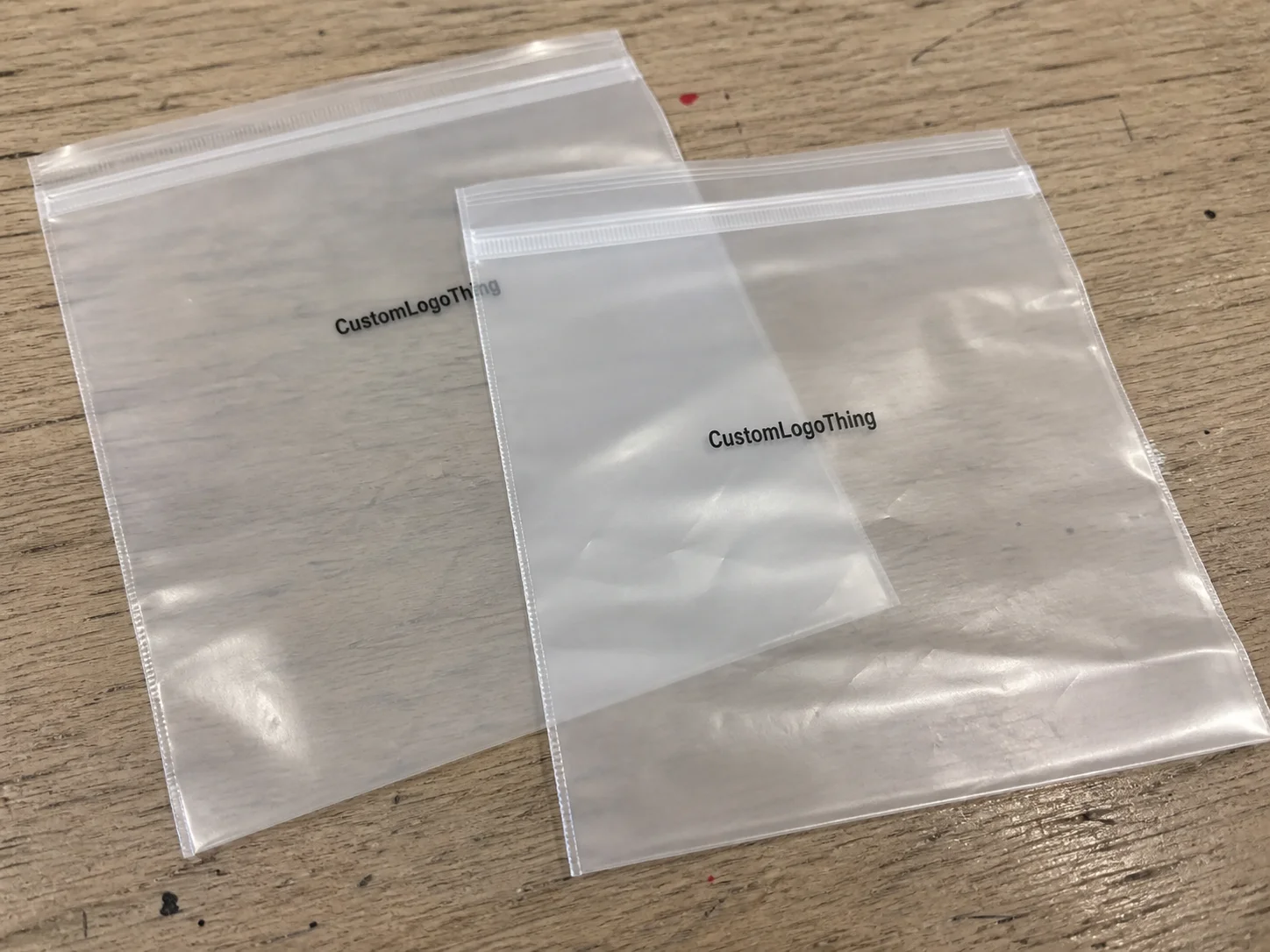
A practical audit starts with the product specification. Write down the bag size, garment type, PVC thickness, zipper style, hanger opening, print method, packing method, order quantity, target delivery date, and destination country. If you skip these basics, suppliers fill in the blanks themselves. Usually in the direction that protects their margin. Shocking, I know.
The checklist should separate “nice sample” from “repeatable production.” A supplier may send one clean sample with smooth zipper glide and sharp logo printing, then ship a bulk run with thinner PVC, wavy seams, and cartons packed like someone sat on them. Your audit needs to check how they control the full order, not just the showroom piece.
Who needs this? Apparel brands, uniform companies, bridal shops, dry cleaners, hotel suppliers, promotional distributors, ecommerce sellers, and procurement teams buying repeat runs. If your customer sees the garment bag before they see the garment, treat it like packaging, not an afterthought.
Core audit areas should include:
- PVC grade and thickness: often 0.08-0.30 mm depending on use case.
- Zipper strength: coil quality, tape width, puller type, and repeated open-close performance.
- Seams: welded or stitched seams with no splitting, waviness, or weak corners.
- Hanger hole design: clean cut, reinforced if needed, and sized for the actual hanger.
- Logo printing: correct placement, ink adhesion, color accuracy, and flex resistance.
- Packing: fold method, carton count, barcode labels, carton strength, and moisture protection.
Buyer reality check: A garment bag that looks fine empty can fail once a coat, gown, robe, or uniform hangs inside it. Test the bag with the real garment weight before you approve bulk production.
How PVC Zipper Garment Bag Production Actually Works
Most custom PVC zipper garment bag production follows a predictable path: confirm specs, choose PVC film, cut panels, attach zipper tape, weld or stitch seams, punch hanger openings, add logo printing, inspect finished bags, fold or flat-pack, carton, and ship. Simple flow. Plenty of places to mess it up.
Material choice drives both price and performance. Clear PVC gives strong product visibility, which works well for retail apparel and dry-cleaning covers. Frosted PVC feels softer and more premium. Tinted PVC can support brand color, although color matching can shift by batch. Reinforced PVC helps heavier garments, while non-woven fabric panels add breathability for longer storage.
Common thickness ranges are practical, not decorative. Lightweight dust covers often sit around 0.08-0.12 mm. Mid-range retail bags usually land around 0.12-0.18 mm. Heavier bridal, coat, or travel garment bags may use 0.18-0.30 mm. Thicker is not automatically better. It costs more, ships heavier, folds less neatly, and can feel stiff in the customer’s hand.
Zipper options matter more than many buyers admit. You can choose a standard coil zipper, upgraded zipper tape, plastic puller, metal-look puller, full-length zipper, partial zipper, or side zipper. The zipper is usually where cheap bags confess their sins. If the slider catches, the tape waves, or the puller bends during sampling, do not expect bulk production to magically improve.
Logo decoration usually uses screen printing for simple one-color marks, heat transfer for bolder graphics, label patches for premium branding, or printed inserts when direct PVC printing is not ideal. Ask for print size limits, color count limits, and registration tolerance. A 2 mm logo shift may be fine for a storage bag. It may look sloppy on a premium bridal bag.
During production, the supplier should inspect zipper alignment, seam strength, film scratches, logo position, odor, color consistency, carton quantity, barcode labels, and packing method. Distribution testing standards from ISTA are useful when cartons face courier networks, pallet stacking, or long export routes. A pretty bag inside a crushed carton is still a problem.
Key Supplier Audit Factors Buyers Should Check First
Start with factory capability. Ask whether the supplier actually manufactures PVC Zipper Garment Bags or brokers them. Brokers are not evil. Mystery sourcing is. If they cannot explain film thickness, zipper tape options, production capacity, and inspection steps without vague fluff, keep digging.
Product specialization matters. A factory that mainly makes food pouches may understand sealing, but not long garment panels, hanger hole stress, zipper pull tolerance, or folding marks across a 60-inch bag. Apparel packaging has different abuse points. Long panels stretch, crease, and reveal defects faster than small pouches.
Review the physical sample hard. Check PVC clarity, stiffness, odor, seam finish, zipper glide, puller strength, hanger opening reinforcement, print sharpness, and whether the bag lies flat without strange ripples. Zip it 20-30 times. Hang a real garment inside for at least a few hours. Fold it the way your warehouse or customer will fold it. Then inspect again.
A serious supplier audit should require written material specifications. Ask for PVC thickness, grade, color, opacity, cold-crack resistance if the product ships to cold climates, and whether the material meets destination-market requirements. If sustainability claims appear in the pitch, ask for actual documentation. General environmental guidance from the EPA can help buyers frame questions around materials, waste, and disposal, but supplier claims still need proof.
Print capability needs its own check. Confirm print size limits, number of colors, Pantone matching expectations, ink adhesion, registration tolerance, and whether printed areas crack or peel when the PVC flexes. Rub the print with a dry cloth and then a slightly damp cloth. If the logo smears on the sample, congratulations, you found the problem early.
Communication quality belongs in the audit too. Does the supplier answer exact questions, or do they send “quality very good dear”? Cute. Not an audit result. Good suppliers confirm numbers, limits, tolerances, and risks. Weak suppliers dodge specifics and hope you are too busy to notice.
Request basic documentation: business license, factory photos or production capability evidence, material safety information, packaging specs, export experience if needed, and any test reports relevant to your market. Not every small order needs a full third-party factory audit. Repeat programs, private-label retail orders, and anything tied to a launch date deserve more than a friendly chat and a nice PDF.
Pricing, MOQ, and Unit Cost Red Flags to Audit
Pricing depends on bag size, PVC thickness, zipper length, zipper quality, hanger hole reinforcement, logo print method, number of print colors, packing style, order quantity, carton size, and freight terms. A small clear suit bag with a one-color logo is not in the same price universe as a long bridal gown bag with 0.25 mm PVC, reinforced seams, full-color branding, and individual poly packing.
Simple stock-style garment bags may start around 500-1,000 pieces. Custom printed PVC zipper garment bags often start around 1,000-3,000 pieces, depending on size, thickness, print setup, and material availability. Lower MOQs may be possible, but unit cost rises because setup charges get spread across fewer bags. Math remains annoying that way.
Suspiciously low quotes deserve pressure testing. If one supplier is 35% cheaper than everyone else, something usually moved. Maybe thinner PVC. Maybe weaker zipper tape. Maybe no inspection. Maybe all three, because apparently gravity was not enough risk.
| Bag Type | Typical Spec Range | Common MOQ | Cost Drivers |
|---|---|---|---|
| Basic suit cover | 0.08-0.12 mm clear PVC, partial zipper | 500-1,500 pcs | Size, one-color print, folded packing |
| Retail apparel bag | 0.12-0.18 mm PVC, full-length zipper | 1,000-3,000 pcs | Zipper quality, logo placement, carton presentation |
| Bridal or gown bag | 0.18-0.30 mm PVC or mixed panels | 1,000-3,000 pcs | Length, reinforced seams, premium print, individual packing |
| Promotional travel bag | 0.15-0.25 mm PVC, upgraded puller | 1,500-5,000 pcs | Branding area, zipper durability, freight volume |
Ask for an itemized quote. It should include size, thickness, material type, zipper type, logo method, number of print colors, sample fee, plate or screen charge, packing method, carton dimensions, lead time, payment terms, and shipping terms. If a quote says “custom garment bag, good quality,” send it back. Nicely, if you’re feeling generous.
Unit cost alone is lazy math. Compare landed cost: product cost, sample fees, setup fees, freight, duties, customs fees, inspection cost, storage, defect rate, replacement risk, and delays. EXW, FOB, CIF, DDP, and courier pricing are not interchangeable. A cheap EXW quote can become expensive after inland freight, export handling, and customs work.
Use the same spec sheet for every supplier. That makes the shop pvc zipper garment bags supplier audit checklist fair and useful. Otherwise, you are comparing Supplier A’s 0.12 mm bag against Supplier B’s 0.18 mm bag and pretending the price gap means something. It doesn’t.
Process and Timeline From Sample Approval to Delivery
A normal order timeline includes spec confirmation, artwork setup, sample production, sample shipping, buyer review, pre-production correction, bulk production, inspection, final packing, export booking, and delivery. Each step needs an owner and a date. “Soon” is not a production schedule.
Digital mockups often take 1-3 business days. Physical samples commonly take 5-10 business days after artwork approval, assuming materials are available. Bulk production usually takes 15-30 days after sample approval, depending on order size, PVC stock, zipper color, factory workload, and packing complexity.
Timelines slip for predictable reasons: unclear artwork files, late sample feedback, changed dimensions, unavailable PVC thickness, zipper color mismatch, holiday closures, delayed deposits, or buyers asking for “just one small change” after production starts. That phrase has ruined more calendars than weather.
Lock the following before production begins:
- Final bag dimensions and size tolerance, such as ±5 mm or another agreed range.
- PVC thickness, color, opacity, and finish.
- Zipper color, zipper length, puller style, and opening direction.
- Hanger hole shape, size, and reinforcement method.
- Logo colors, print position, print size, and artwork file version.
- Packing method, carton marks, barcode placement, inspection standard, and shipping address.
Good checkpoints reduce drama. Approve a pre-production sample. Request production photos during cutting and assembly. Confirm carton labels before packing. Conduct final inspection before balance payment. Use AQL sampling if order size and risk justify it; common inspection frameworks often define acceptable quality limits for critical, major, and minor defects. ASTM methods may also be relevant for film properties or ink adhesion depending on the testing need.
Shipping options depend on urgency and order volume. Express courier works for urgent samples and small replacement lots. Air freight helps tight retail deadlines but punishes bulky cartons. Sea freight is better for larger orders where cost matters more than speed. Fast production is useful only if the bags arrive usable. Rush garbage is still garbage, just more expensive.
Common Mistakes When Auditing Garment Bag Suppliers
The first mistake is auditing only the logo print and ignoring construction. A sharp logo on a flimsy zipper bag is still a flimsy zipper bag. Customers do not admire perfect branding while the zipper splits in their hand.
The second mistake is approving a sample without testing it like a customer. Zip it 20-30 times. Hang a real suit, gown, robe, uniform, or coat inside. Fold it. Smell it. Wipe the print. Check whether seams stretch under weight. A sample that passes on an empty desk may fail in the first week of real use.
The third mistake is using vague specs like “good quality PVC” or “standard zipper.” Suppliers interpret vague specs in whatever way protects their margin. Put numbers in writing: 0.15 mm PVC, full-length coil zipper, reinforced hanger opening, one-color screen print, folded packing, 50 pieces per carton, or whatever your product needs.
The fourth mistake is forgetting garment length. Short bags crush dress hems, long coats, uniforms, gowns, and robes. Measure the actual product, not the catalog fantasy. Add enough allowance so the garment hangs naturally without bunching at the bottom.
The fifth mistake is skipping carton and packing details. Overpacked cartons cause creases, crushed zipper pulls, and ugly presentation. For retail or premium apparel, define folding style, pieces per inner pack, pieces per carton, carton board strength if needed, and whether moisture protection is required.
The sixth mistake is comparing quotes without matching Incoterms. EXW, FOB, CIF, DDP, and courier prices carry different responsibilities. The cheapest quote can become the most expensive quote once freight, customs, and delay risk show up wearing boots.
The seventh mistake is failing to define acceptable defect limits. Your audit checklist should state tolerance for scratches, zipper failure, print smudges, seam separation, size variance, odor, barcode errors, carton damage, and missing units. If you do not define failure, you will argue about it later.
The eighth mistake is paying the balance before inspection. Once goods ship, your leverage gets lighter than a 0.08 mm dust cover. Inspect first. Pay after the supplier proves the goods match the approved sample and written spec.
Actionable Next Steps Before You Place the Order
Start with a one-page spec sheet. Include bag size, garment type, PVC thickness, PVC color, zipper style, hanger opening, logo artwork, print colors, packing method, target quantity, delivery deadline, and destination country. One page beats twenty vague emails.
Order one physical sample from the shortlisted supplier before bulk production, even if the digital proof looks perfect. Screens do not show zipper drag, PVC odor, seam weakness, stiffness, or how the bag folds after packing. If the product needs retail presentation, ask for the sample packed the same way as the bulk order.
Score suppliers from 1-5 in practical categories: material quality, zipper performance, print accuracy, communication, quote clarity, compliance documents, production timeline, and inspection support. You do not need a giant procurement ritual. You need a simple way to compare suppliers without being hypnotized by the lowest price.
Before paying a deposit, request three things: a final written quotation, an approved artwork proof, and a written production schedule with sample date, bulk start date, inspection date, and estimated ship date. If a supplier resists basic written confirmation, believe the warning.
Your final inspection checklist should confirm quantity, size tolerance, PVC thickness, zipper function, seam strength, print placement, logo color, odor level, hanger hole finish, carton labels, packing count, and carton condition. Pull samples from different cartons, not just the top carton closest to the door. Yes, people try that trick.
Choose the supplier that gives the clearest specs and the most consistent sample, not automatically the cheapest price. The cheapest failed bag is not a discount. It is a return waiting for a tracking number. Use the shop pvc zipper garment bags supplier audit checklist as a working document before you approve samples, pay deposits, or release bulk production.
FAQ
What should a PVC zipper garment bags supplier audit checklist include?
It should include material thickness, PVC clarity, odor, zipper type, seam strength, hanger hole design, logo print quality, packing method, carton labels, MOQ, unit cost, lead time, compliance documents, sample approval, and final inspection standards. Add pass/fail notes for physical testing, not just supplier claims. Zip the bag repeatedly, hang a real garment inside, check seam stress, and inspect print adhesion after flexing.
How do I compare quotes from custom PVC garment bag suppliers?
Send every supplier the same spec sheet with size, PVC thickness, zipper type, logo method, print colors, packing, quantity, and destination. Otherwise you are comparing guesses, not quotes. Compare landed cost, not only unit price. Include sample fees, plate charges, freight, duties, inspection costs, defect risk, and replacement costs.
What is a reasonable MOQ for printed PVC zipper garment bags?
For basic custom printed PVC zipper garment bags, many suppliers start around 1,000-3,000 pieces, depending on size, thickness, print method, and material availability. Lower MOQs may be possible with stock sizes or simple one-color printing, but unit cost usually rises because setup costs are spread across fewer bags.
How long does production take after sample approval?
A practical range is 15-30 days for bulk production after sample approval, with additional time for courier, air freight, or sea freight. Build extra time for artwork correction, material sourcing, factory workload, inspection, and customs. Tight timelines need clearer specs, not louder emails.
How can I tell if a PVC zipper garment bag sample is good quality?
Check whether the PVC feels consistent, the zipper runs smoothly, seams do not stretch open, the hanger hole is clean, the logo print is sharp, and the bag has no harsh chemical odor. Test it with the real garment weight. A sample that passes on an empty desk may fail once a coat, gown, uniform, or suit is actually hanging inside.


