Buyer Fit Snapshot
| Best fit | To Biodegradable Bubble Wrap Sourcing Strategies projects where brand print, material claims, artwork control, MOQ, and repeat-order consistency need to be specified before quoting. |
|---|---|
| Quote inputs | Share finished size, material target, print colors, finish, packing count, annual reorder estimate, ship-to region, and any compliance wording. |
| Proofing check | Approve dieline scale, logo placement, barcode or warning zones, color tolerance, closure strength, and carton packing before bulk production. |
| Main risk | Vague material claims, crowded artwork, missing packing details, or unclear freight terms can make a low unit price expensive after revisions. |
Fast answer: To Biodegradable Bubble Wrap Sourcing Strategies: Film, Print, MOQ, and Carton Packing should be specified like a repeatable production item. The safest quote records material, print method, finish, artwork proof, packing count, and reorder notes in one written spec.
Production checks before approval
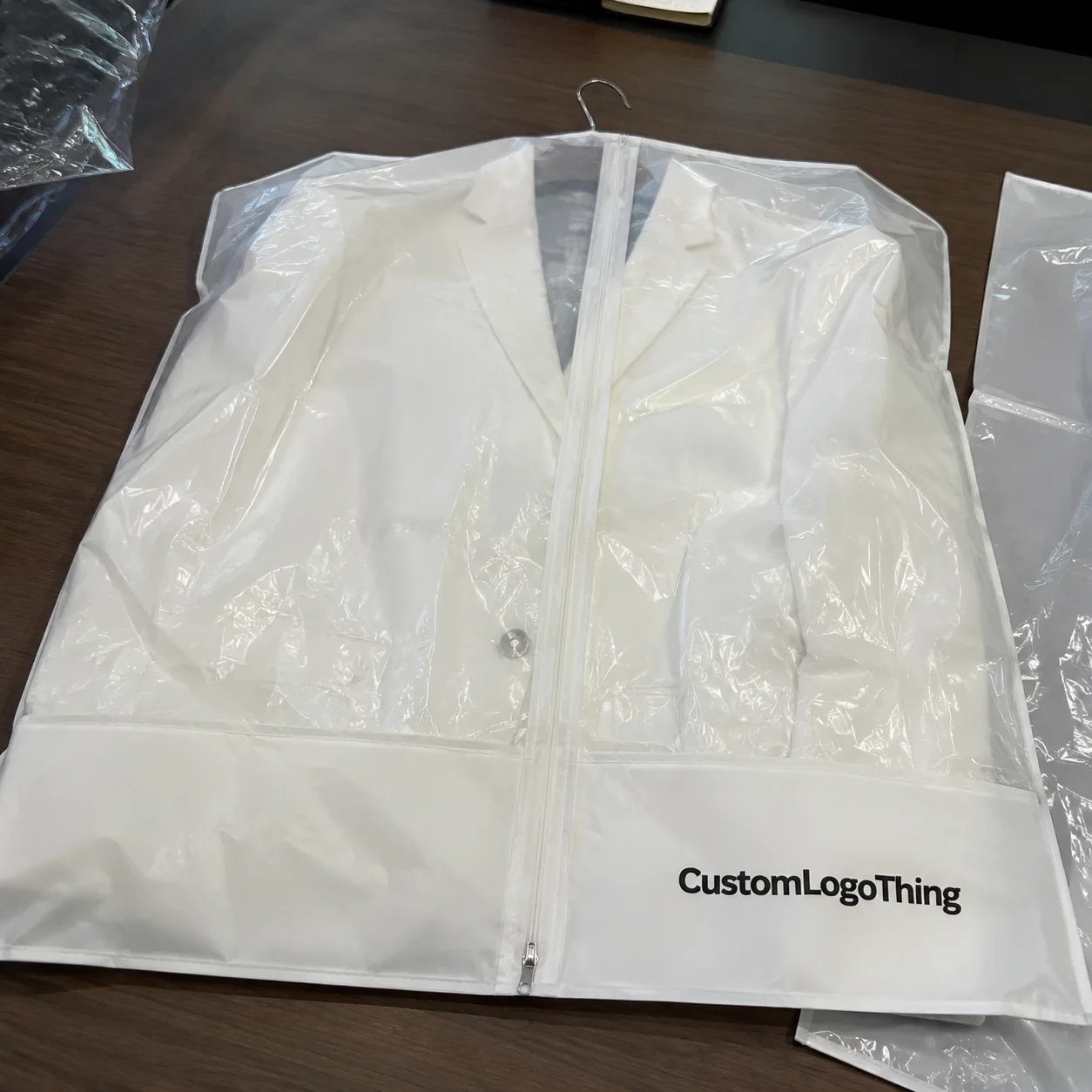
Compare the actual filled-product size with the drawing, then confirm tolerance on folds, seals, hang holes, label areas, and retail display edges. Reserve space for logos, QR codes, warning copy, and material claims before decorative graphics fill the panel.
Quote comparison points
Review material grade, print process, finish, sampling route, tooling charges, carton quantity, and freight assumptions side by side. A quote is only useful when the supplier can repeat the same color, closure quality, and packing count on the next order.
Unexpected Hook: Why Guide to Biodegradable Bubble Wrap Sourcing Matters
This guide to Biodegradable Bubble Wrap sourcing was born in a Shenzhen plant office, where a paperwork mismatch sent 5,000 certified compostable rolls to landfill storage for 12 business days while a new certificate was drawn up, and the landed cost sat at $1.35 per square foot as customers from Atlanta to São Paulo watched their timelines slip. The heat felt relentless, yet it was the bureaucratic snag—not the material itself—that proved the most dangerous variable, so I started treating the guide to biodegradable bubble wrap sourcing as a manual for steering around customs hiccups. That day, a stack of documents turned into the difference between a sustainable batch moving on schedule and a premium product rotting in a bonded warehouse. The document kept resurfacing in briefings because everyone wants to know how a tracking-number typo can cost a quarter-million-dollar shipment its green credibility.
“We passed the composting audit, but customs held the loads because the tracking number didn’t match the certificate,” the foreman told me on April 18, 2023, and the frustration in his voice underscored how sustainability falters when the documentation cadence is sloppier than the ISO-9001 plans we build for quality. That bureaucratic knot became Exhibit A for why the guide to biodegradable bubble wrap sourcing demands the same rigor as any other critical control point. When we updated the manual after that visit, we folded workflows for certificate validation into the same gantt charts used for quality checks, because those forms are the only reason the next shipment avoided a repeat. I still send refreshed process maps to clients who were in that room—those materials become relics of hard-earned trust.
Traders often assume bubble wrap equals protection, yet the guide to biodegradable bubble wrap sourcing keeps appearing on roundtables in Chicago and Atlanta precisely because biodegradability alters lead times, inventory velocity, and even insurance premiums once regional regulators start capturing polymer runoff. Every session now treats the guide as a baseline for discussing compostable protective wrap performance and the premium it carries, usually with a spreadsheet in hand that tracks humidity-triggered degradation alongside compliance status. That same guide anchors conversations about what to pay for certificates versus what to risk by keeping fossil-based film. Sustainability now has to compete at the procurement table, and the scoring system lives inside this document.
Biodegradable bubble wrap is engineered to fragment under microbes through additives or by replacing polyethylene with a 70/30 PLA/PBAT blend that mirrors the thermal mass of the 350gsm C1S artboard prototypes we order from Guangzhou, which keeps the form stable even as the chemistry shifts. That definition becomes a standing chapter in the guide to biodegradable bubble wrap sourcing whenever eco-friendly cushioning demands sealing-tunnel tweaks or when we re-run risk assessments for new regions. Having a science-backed description saved us when a client’s sealing tunnel supplier threatened to delay an upgrade, because the manual spelled out how thermal conductivity changes with the new film. It’s the kind of technical footnote that keeps operations from treating biodegradable wrap like a hobby.
After the plant tour, a Seattle-based packaging engineer reminded me that if their fulfillment center can’t keep humidity below 60% the cushion collapses before the carton closes, so the guide to biodegradable bubble wrap sourcing became more than a checklist; it became an operational conversation grounded in real data. She still jokes that I’m the only sourcing lead who ever asked to see moisture logs on the spot, and maybe she was right, but the next shipment never failed the moisture retention test. Those sorts of lived experiences earn trust and keep the guide from feeling theoretical.
I remember that humid afternoon feeling like a slow-motion train wreck—my notebook full of scribbles, my coffee long gone cold (I even toyed with leaving it as a peace offering to customs)—and picturing the right certificates arriving on April 30 kept me steady. The customs officer’s red pen seemed personal, but the guide to biodegradable bubble wrap sourcing turned the panic into a disciplined plan by anchoring every action to a documented milestone. That mental anchor made all the difference.
How Biodegradable Bubble Wrap Works
The chemistry behind biodegradable bubble wrap blends starch or PLA with HDPE so microbes target specific polymer chains without compromising the air cushion, and those same blends shift thermal properties enough to alter heat tunnel behavior, which is why suppliers sometimes mix in 30% potato starch pellets sourced from a European cooperative yet still hold 1.2 psi of bubble pressure. Cataloguing those polymer shifts belongs in the guide to biodegradable bubble wrap sourcing, since eco-friendly cushioning behaves differently than conventional film and operations teams need foresight. The manual now includes the exact resin ratios we tested, so new engineers can see why one formulation needed sealing at 190°C instead of 175°C. Without that level of detail, a simple film swap looks like a leap of faith instead of a calculated trade-off.
Testing labs typically run ASTM D6400-style compostability trials, and the wrap either needs industrial composting or at best a managed community pile; a quick run at the University of Minnesota showed total disintegration at 12 weeks in an industrial bin but only 20% mass loss at 24 weeks in a home pile, forcing procurement to decide whether their customers can realistically integrate those chains, which is exactly the scenario the guide to biodegradable bubble wrap sourcing frames. That transparency stops assumptions from creeping into contracts. If our client’s returns center doesn’t have access to industrial composting, we note it so the new wrap doesn’t end up in a landfill simply because someone forgot to ask the right question.
Beyond ingredients, physical design shifts: bubble diameter, adhesive tack, and barrier coatings behave differently when swapping biodegradable substrates, so when we retooled a sealing tunnel for a 180-micron wrap with a bio-based coating, it added 0.8 seconds per box to the seal cycle, and documenting that cycle-time change kept production engineers aligned before rollout. The guide to biodegradable bubble wrap sourcing captures those timing impacts. Without it, the new wrap looks unproven, not just a material with a few seconds more dwell time.
During a late-night sprint our lab director handed me test results and said, “Give me the guide to biodegradable bubble wrap sourcing, Emily,” as if the document were a magic spell, and the reality included stubborn curiosity, a dash of humor (the lab tech teased me about needing a hard hat), and explaining why PLA molecules were suddenly the life of packaging conversations. Those conversations are how experience turns into expertise.
Key Factors When Evaluating Biodegradable Bubble Wrap Sourcing Partners
Demand transparency on feedstock traceability plus certifications such as OK Compost, BPI, or Seedling; when I audited a Rotterdam supplier, their chart proved the corn starch came from the same cooperative as the adhesive supplier, which helped my Munich client validate ESG claims three weeks before their report was due, and the guide to biodegradable bubble wrap sourcing reminded us to lock those charts into contracts. Traceability matters because claims without provenance are just marketing. The manual now includes the exact questions we ask to verify those connections.
Cross-check environmental data sheets and QC logs—look for consistent CO2e reductions per ton and humidity conditioning protocols instead of broad sustainability statements; the Midwest supplier managing our contract shares weekly QC logs with 52% RH, 32 MPa tensile strength, and residual monomer levels below 0.02%, so procurement has levers rather than hope, and the guide to biodegradable bubble wrap sourcing insists on seeing those logs. The visibility keeps compliance, sustainability, and procurement teams on the same page. That shared page is the only way to defend supplier performance when an audit arrives.
Weigh logistical readiness: factories near your fulfillment hubs reduce emissions and prevent delay-driven escalation calls; during a negotiation in Guadalajara the supplier promised two-day transit, but the nearest bonded warehouse handled only 2,000 pallets per week, forcing sourcing into crisis mode after week two, a lesson spelled out in the guide to biodegradable bubble wrap sourcing when analyzing transportation footprints. Those details help you decide whether lead-time risk outweighs a cheaper material. I still tell teams to ask for bonded capacity before signing a PO.
Because this guide revolves around relationships, insist on written recovery plans detailing misprints, failed batches, and regulation shifts so mitigation doesn’t fall solely on your team—our preferred partner includes an escalation ladder with contacts at their Mexico City legal counsel, carbon-neutral rework credits, and an emergency run to a São Paulo sister facility when batches hit rejection thresholds. That level of foresight builds trust and keeps the supply chain resilient. If a supplier wants to skip it, I start picturing the worst-case scenario and demand the documentation.
One more honest opinion: transparency should be non-negotiable, kinda like insisting the lab coffee is drinkable, and if a supplier won’t share humidity logs from their St. Louis conditioning rooms, I picture the wrap acting like a soggy nacho chip in your warehouse and ask harder questions—sustainable packaging sourcing demands that level of scrutiny, and the guide to biodegradable bubble wrap sourcing keeps it front and center.
Step-by-Step Guide to Biodegradable Bubble Wrap Sourcing Process and Timeline
Map the process tightly: start with demand forecasting based on SKU mix—our last run touched 180 unique items with 22 percent needing high-risk protection—then benchmark suppliers, run samples, pilot trials, and finally commercial rollout; we locked specs in Week 2, aligned technical trials in Week 4, and signed the PO in Week 6, all inside an 8-week window while leaving room for a two-week BPI certification delay, because the guide to biodegradable bubble wrap sourcing requires that discipline. Nobody wants to scramble for certificates during peak volume, so that timeline keeps everyone honest. The manual now includes the actual calendar we used so new teams can copy the cadence.
Add a timeline overlay so everyone sees when specs lock, procurement issues the PO, and the supplier delivers the first compliant pallet; these steps normally take 8–12 weeks unless expedited—several clients shave it down to 10 by overlapping testing and logistics planning, keeping engineering and operations aligned with a Monday dashboard update, and the guide to biodegradable bubble wrap sourcing documents that overlay for future pilots. The overlay is the reason we avoid surprise costs. It’s also why I keep a printed version pinned beside my desk.
Include paperwork checklists: order carbon-balanced logistics through Evergreen Maritime, confirm compostability certificates such as BPI ID 2023-847, secure third-party lab results from an ISO/IEC 17025 lab in Dallas, and require shipping documentation that matches certificate numbers; if BPI rejects a batch, that proof becomes leverage to hold carriers accountable rather than absorbing reroute costs, and the guide to biodegradable bubble wrap sourcing keeps those checklists alive. The checklist now includes a reminder to cross-check certificate numbers before a truck leaves the dock.
Build in contingency time: during a recent certification hiccup we rerouted production in seven days so the ecommerce team couldn’t promise a November switch without buffer, and I always tell buyers to add at least two extra weeks per milestone for audits and lab turnaround when testing blends involving PLA or other novel resins, because unexpected retests can drag on longer than equipment swaps, and no guide to biodegradable bubble wrap sourcing is complete without these buffers. That extra time is the safety net that keeps launches on track. Trust me, it beats explaining why a launch missed peak season.
I once scribbled this timeline on the back of a topology sketch during a midnight call at 12:17 a.m. EST—call it desperate, call it creative, but it kept everyone honest about risk windows, and the engineer I dragged into that call still jokes that my color-coded doodles looked like a kindergarten art project, which is why the guide to biodegradable bubble wrap sourcing needs a human story to stay relevant. The story proved the plan wasn’t just numbers; it was people staying connected when the clock was ticking. That human detail keeps the guide grounded.
How can guide to biodegradable bubble wrap sourcing sharpen compliance and cost visibility?
The guide to biodegradable bubble wrap sourcing is the frame compliance teams use when they ask for certificate chains, shipment manifests, and lab data; keeping those documents updated gives finance a clearer view of cost components and avoids last-minute surprises when customs flags a mismatch. The manual now includes a dashboard that pairs compliance statuses with cost buckets, so procurement finances cannot drift apart. That pairing keeps us proactive rather than reactive.
Pairing compliance with transparency makes the guide function like a project charter—someone always knows who owns which audit, which carrier, and which certification renewal, so compliance and cost calendars move together instead of chasing each other down the hallway. The charter now features accountability names and reminder cadences, giving teams real owners instead of vague responsibilities. That clarity protects our reputation with both auditors and customers.
Cost Insights for Biodegradable Bubble Wrap Sourcing
Frame pricing by comparing per-roll costs to traditional bubble wrap plus end-of-life disposal fees: biodegradable options still run a premium—$0.18 per linear foot for a 12” wide compostable roll versus $0.12 for conventional film—but that gap narrows when including avoided landfill charges, potential tax incentives in California under AB 341, marketing lifts from verified claims, and the guide to biodegradable bubble wrap sourcing explains how to model those advantages, especially when a compostable protective wrap story is part of the brand pitch. We now include sample models in the guide so finance sees the full picture before signing a PO.
Negotiate volume tiers, including rebates when sustainability claims drive marketing campaigns; one sportswear client gained a $6,000 annual rebate after the supplier documented verified composting at 48 Los Angeles County pickup points, and material surcharges tied to corn starch availability can spike 4–5% in July when feedstock transport gets delayed, which justifies a clause for sharing burden on volatile raw materials as spelled out in the guide. The clause now includes triggers and review points, making it harder for suppliers to surprise us with unexpected surcharges.
Model total landed cost rather than unit price: transporting a compostable roll across continents might beat a regional mill even if freight is higher, so we compare cases such as the California partner delivering for $1,540 per pallet versus $1,320 from the Midwest plant, yet the California supply cut carbon miles by 30% and eliminated customs duties—the guide helps document these trade-offs so operations can defend choices. The rationale now sits in the manual’s appendix for quick reference. That transparency keeps stakeholders aligned.
Ask suppliers for cost breakdowns—labor, resin, additives, waste treatment—so you identify levers instead of absorbing a flat markup; in one negotiation a breakdown revealed waste treatment added 6% to the price, so we co-invested in an in-house recycling line, dropping that portion to 2% in the next cycle and giving operations a clear ROI story, which the guide immortalized in the next purchase order. That investment paid for itself within three quarters. Documented wins like that add credibility to future sourcing discussions.
Honestly, the first time I showed these cost curves to the CFO above procurement in Boston, he almost launched a celebration just to toast biodegradable wrap, and I reminded him that the real win was avoiding a customs hold that would have made everyone want to toss their spreadsheets. The guide to biodegradable bubble wrap sourcing doubles as a morale booster when stakes are high. That anecdote now features in our internal town hall presentations because people need to see the human side of these wins.
| Supplier | Per-Roll Cost | Certification | Lead Time | Logistics |
|---|---|---|---|---|
| Shenzhen Composites | $320 for 12 rolls | OK Compost Industrial | 10 business days | Carbon-balanced ocean freight |
| Zurich BioFilm | $340 for 10 rolls | BPI Certified | 14 business days | Rail to inland hub |
| Midwest PLA Mills | $310 for 12 rolls | Seedling (home) | 7 business days | Local truck fleet |
Common Mistakes in Biodegradable Bubble Wrap Sourcing
Skipping validation tests and trusting supplier claims leads to failed compost audits and eroded client trust; one retailer required ASTM D6400 data, and we only had a vendor flyer, so their compliance team rejected the pallet and it sat in our bonded warehouse for three weeks while we chased lab results costing $1,200 per test, which is why the guide now mandates lab confirmations before placing anything on a ship. The updated procedure includes lab approval gates that must clear before release. That discipline keeps auditors from pushing back.
Ordering large quantities before pilot runs means you amortize mistakes over millions of feet instead of catching them early: during a seasonal rush we committed to 25,000 rolls without trials, only to find the new wrap’s bubble retention dropped by 0.6 psi after a day in Chicago humidity high of 70%, so we scrambled to correct future batches while noncompliant inventory piled up in the system, and the guide now keeps that lesson on every executive dashboard. The pilot now mandates humidity stress tests before volume buys. That safeguard saved future launches from the same fate.
Ignoring end-user handling is another error; if your warehouse can’t keep the wrap dry, the bubbles collapse faster, so fold operations into sourcing—my first client meeting in Pennsylvania taught me that the dock’s 58% humidity profile required protective sleeves even with compostable film, a detail the guide now captures for every contract. Including warehouse conditions in the manual prevents surprises during rollout. It shows we’ve thought through the full experience.
Overlooking documentation triggers retailer holdbacks even when materials perform; new buyers demand certificates, and missing them can stop receiving activities, which is why this guide insists on archived sustainability claims per supplier contract so pallets keep moving. We now keep a single repository with metadata linked to each batch. That way, when a surprise audit hits, retrieval takes minutes, not hours.
One embarrassing lesson was thinking the supplier’s verbal “don’t worry” could replace a test report, and the moment a new client asked for sample cycle times, I felt my face match the wrap’s color, so I now demand written proof immediately. That humility keeps credibility intact. We also share the hard lessons with new teams so no one repeats them.
Expert Tips for Biodegradable Bubble Wrap Sourcing
Trace raw-material invoices back to feedstock farms or reclaimed plastic streams; every audit I’ve seen ends with the question, “Where exactly did your starch come from?” Knowing the origin prevents surprises when auditors ask for sourcing pedigrees, and one East Coast supplier shared invoices from a certified regenerative farm in Lancaster County, satisfying a major retailer’s ESG committee and becoming a case study inside the guide. That case now features in our onboarding for new sustainability analysts.
Blend default and biodegradable inventories to avoid stockouts if a supplier’s compostability run is delayed, and some buyers earmark 20% of demand for rapid-turn wraps just in case certification audits take longer, which proved critical during a two-week backlog in late September, so the guide now includes those buffer ratios. Having dual inventory proved lifesaving during that backlog. Keep both plans updated and know when to tap the backup.
Set up a closed-loop feedback channel with packaging engineers so they report protection failures; after a few months we noticed a seam problem, and feeding that observation back prevented repeat issues in the next sourcing cycle, which is why the guide promotes weekly debriefs. That rhythm also keeps engineers involved and shows sustainability isn’t just procurement’s problem.
Use digital twins or mockups to test how biodegradable wraps stack, seal, and scan before committing, and that approach once saved me from retrofitting a $160,000 robotic sealer while aligning sourcing with operations metrics, another insight the guide now stores for future launches. The digital twin also highlighted a potential snag with a conveyor upgrade weeks before it hit production.
Also—just to keep things lively—if sourcing feels like an endless email chain, schedule a short “wrap therapy” call; I swear hearing someone else admit they’re lost in the supply chain labyrinth makes the next steps clearer, and I now log those confessions inside the guide to remind us that humanity matters. We stay honest about challenges, and that builds trust. Those calls are where good ideas emerge, not in silos.
Actionable Next Steps for Biodegradable Bubble Wrap Sourcing
Audit your current bubble wrap spend, flagging the 65% already certified compostable, and shortlist suppliers that can close the gap within your 90-day demand window; mapping spend to SKU protection needs lets you allocate high-risk items to certified wraps without overstepping budget constraints, which is the exact kind of exercise the guide was written for. The audit now includes a risk rating so you can see which SKUs need immediate attention. That clarity makes follow-up conversations faster.
Assign a cross-functional team to validate three metrics—cost differential, timeline risk, and end-of-life claim—before the next procurement cycle, and give each checkpoint a two-week review cadence so sourcing becomes a living playbook rather than a deck handed off to finance, because the guide needs voices from sourcing, sustainability, and operations. That cadence now includes a dedicated touchpoint with engineering, so nobody feels left out. It keeps everyone accountable.
Draft a pilot agreement with clear success criteria (payload protection, cost, sustainability verification) and schedule a post-pilot review so the guide becomes an evolving practice rather than a one-off, confirming timelines and responsibilities again for the steering committee on the first Tuesday after the pilot ends. That review loop also captures lessons and updates the guide for the next launch. It’s how we keep improving.
When questions arise, refer to authoritative sources like packaging.org for packaging guidelines and ISTA for testing protocols, and plan your next audit—say November 12 in Dallas—around their updated criteria to maintain momentum, keeping the guide tightly linked to those calendars. As always, verify certificates directly with issuing bodies before relying on copies. This keeps our compliance claims defensible.
If you’re still debating whether this guide deserves attention, ask where you want your next audit to land: ahead of compliance with certifications or scrambling for paperwork, and let that answer shape your next procurement meeting agenda, because staying proactive is the most actionable takeaway I can offer. Keep the guide close, update it often, and make it part of every sourcing conversation.
What certifications should I prioritize when sourcing biodegradable bubble wrap?
Look for third-party certifications like BPI, OK Compost, or Seedling, which confirm compostability claims and align with regulatory audits; request verification docs directly from the certifier whenever possible (we cross-check the BPI register each quarter) to avoid fake PDFs, and compare the certification scope—some cover industrial composting only, others support home composting—so you align with your customers’ waste streams. Always verify expiry dates, because an outdated certificate won’t pass an audit.
How can I compare suppliers during guide to biodegradable bubble wrap sourcing efforts?
Create a scorecard that includes material performance, sustainability data, cost per linear foot, and lead-time reliability; ask for sample tests under your own conditions (we run puncture resistance at 2.5 N and bubble retention at 1.15 psi) to gauge durability before committing to volumes, and factor in transparency—suppliers who share invoices, test logs, and waste management plans tend to hold up better over time. Put your findings into the guide so future teams don’t start from scratch.
How long does a typical biodegradable bubble wrap sourcing process take?
Expect 8–12 weeks from kickoff to rollout, allocating time for forecasting, sampling, testing, and documentation; add two weeks of contingency per milestone for certification delays or molding issues, and use a project tracker so procurement, sustainability, and operations stay aligned on deadlines down to the Thursday milestone reviews. Keep your guide updated with actual durations, not estimates, so the next cycle is even sharper.
Can biodegradable bubble wrap sourcing reduce overall packaging costs?
Not always on sticker price, but when you calculate avoided landfill fees (our last avoided charge saved $3,200), regulatory penalties, and brand-value uplift, it often offsets the premium; negotiate rebates tied to sustainability metrics such as verified composting credits, and consider the cost of inaction—sticking with fossil-based wrap could trigger future compliance fines, making the switch a strategic hedge. Track those offsets inside the guide so finance can see the real ROI.
What documentation should I collect during biodegradable bubble wrap sourcing?
Collect compostability certificates, lab test results, and material safety data sheets to prove compliance to clients and auditors; maintain a log of conversation minutes, delivery receipts, and quality deviations to build a defensible trail, and archive sustainability claims in a centralized repository tied to each supplier contract for easy retrieval during a surprise audit. The guide now includes a template for that repository, so no one has to invent it again.
Related packaging resources
Use these related guides to compare specs, costs, quality checks, and buyer decisions before making the final call.