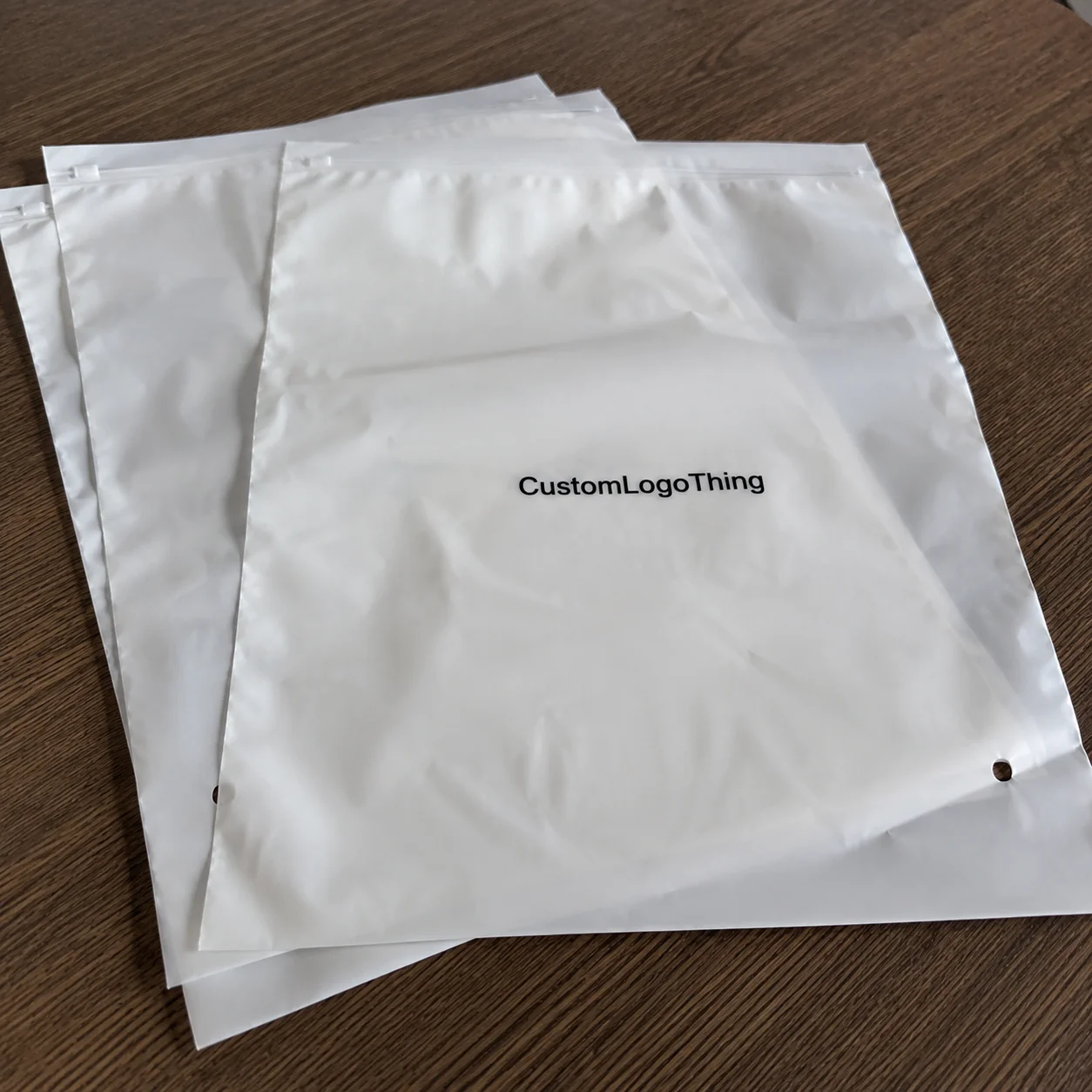
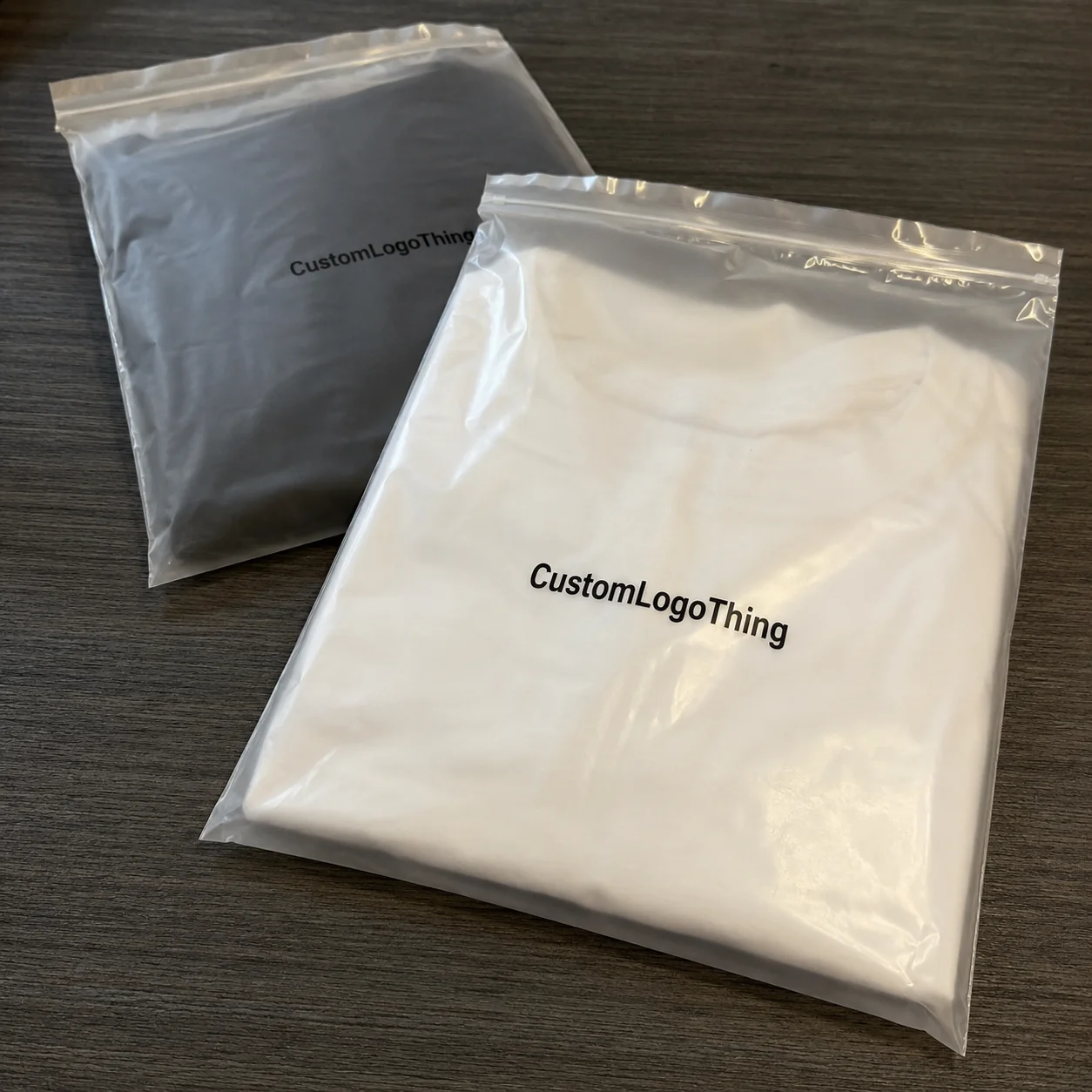
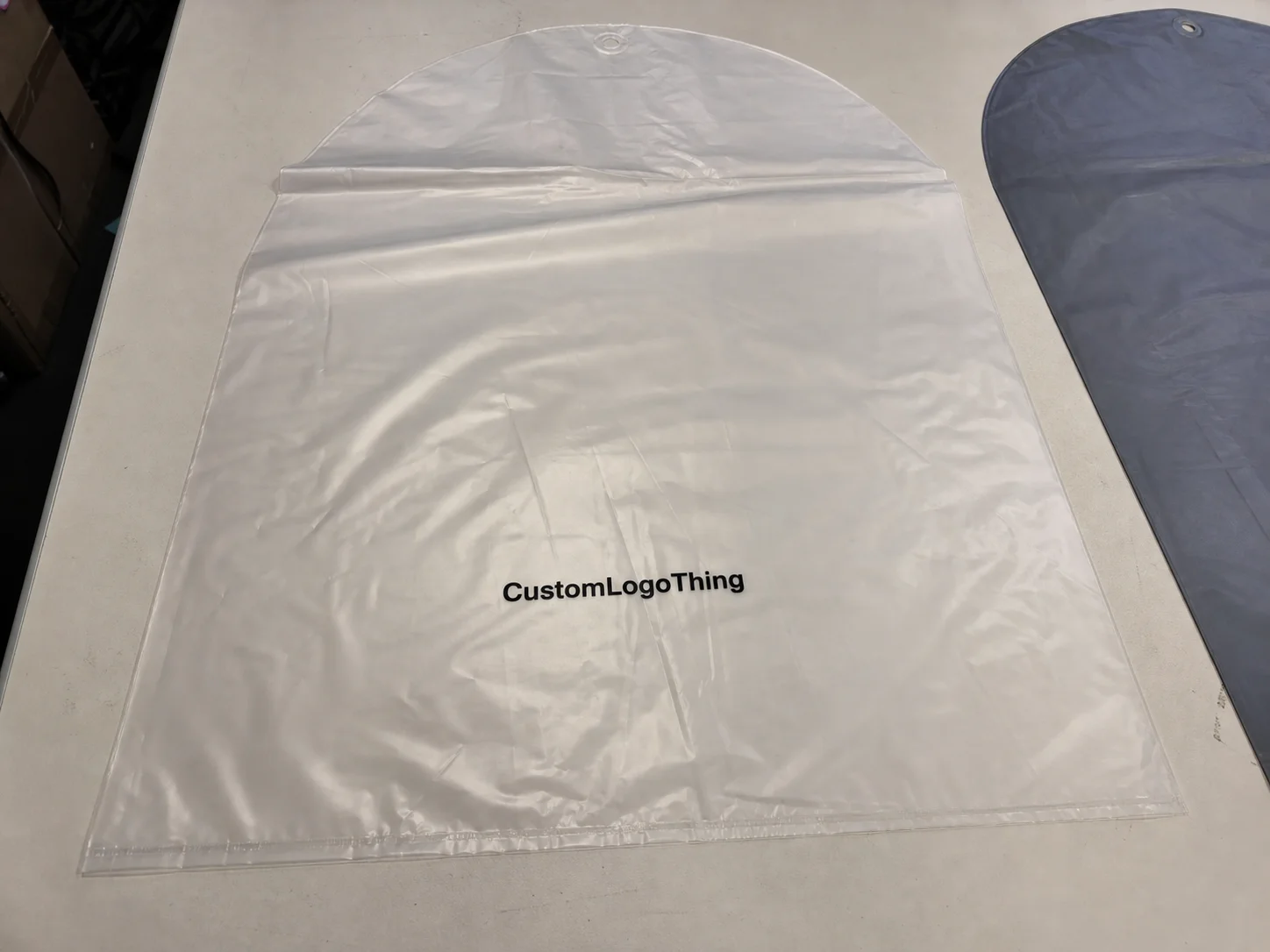
Buyer Fit Snapshot
| Best fit | To Scalable Packaging Automation Systems Blueprint projects where brand print, material claims, artwork control, MOQ, and repeat-order consistency need to be specified before quoting. |
|---|---|
| Quote inputs | Share finished size, material target, print colors, finish, packing count, annual reorder estimate, ship-to region, and any compliance wording. |
| Proofing check | Approve dieline scale, logo placement, barcode or warning zones, color tolerance, closure strength, and carton packing before bulk production. |
| Main risk | Vague material claims, crowded artwork, missing packing details, or unclear freight terms can make a low unit price expensive after revisions. |
Fast answer: To Scalable Packaging Automation Systems Blueprint: Material, Print, Proofing, and Reorder Risk should be specified like a repeatable production item. The safest quote records material, print method, finish, artwork proof, packing count, and reorder notes in one written spec.
Production checks before approval
Compare the actual filled-product size with the drawing, then confirm tolerance on folds, seals, hang holes, label areas, and retail display edges. Reserve space for logos, QR codes, warning copy, and material claims before decorative graphics fill the panel.
Quote comparison points
Review material grade, print process, finish, sampling route, tooling charges, carton quantity, and freight assumptions side by side. A quote is only useful when the supplier can repeat the same color, closure quality, and packing count on the next order.
What Makes a Guide to Scalable Packaging Automation Systems Urgent?
A Monday visit to the bakery plant on Detroit’s west side found the owner gripping the first version of the guide to scalable packaging automation systems I had mailed him, insisting it was the only document keeping senior management from approving a third shift without proper safeguards. He slid it under his coffee cup and said it finally let him talk about automation as a set of orchestrated moves instead of a sales pitch.
Once I detailed how the blueprint shaved 7% off shrinkage in a two-week trial, the leadership team stopped treating the phrase as marketing shorthand and started recognizing how the same automation that lets a grocer ship 1,800 cases of branded packaging nightly could be tuned backward to handle specialty holiday orders.
Speaking plainly, the guide is not a single controller or robotic arm; it functions as a matrix of modular conveyors, intelligence layers, and data-rich control towers assembled like a Swiss watch so the same hardware stretches from 500 to 5,000 cartons per shift without rewriting Allen-Bradley PLC code.
When the bakery asked whether their next SKU could ride the same line, I pointed to the servo-driven pusher that slid 42 millimeters to accept the new width, and the format change took 32 seconds.
This guidance also ties directly into packaging design choices: during the launch of a new consumer electronics line, the team insisted on custom printed boxes with embossed logos, and the plan mapped exactly where to install vision inspection before the cartons hit the palletizer so labels and product cues stayed sharp.
Analysts track that promotional calendars and ad buys now trigger demand spikes overnight while procurement still operates on long planning windows, and without that precise orchestration scheduling conveyors, robotics, and inspection stations fast enough becomes impossible; the family-owned bakery insisted on weekly reviews so they could decide which part of the modular system to activate for custom printed boxes during holiday runs and which sensors to keep offline to preserve sanitation.
When the guide came to life, the plant manager likened it to a conductor’s score—each machine a section, each data stream signaling tempo—and because the system flexed between 60 and 120 packages per minute, executives began to view automation not as a fixed commitment but as a dial they could twist depending on coastal wholesaler waves or downtown grocer needs.
I remember when I first handed the guide to a skeptical CFO on that same bakery floor; he replied, “So this is what you've been calling a scalable system?” I told him, “Yes, and it’s gonna keep you from regretting a hasty third shift decision.” (I will confess, I was giddy—there is something about seeing them actually buzz the conveyors to life that makes adjusting to promotional swings feel like orchestrating a jazz set.) That moment mines a lesson: the guide to scalable packaging automation systems becomes urgent when you can almost hear the CFO's heartbeat sync with the servo motors.
How Scalable Packaging Automation Systems Operate in Practice
When I describe how the guide to scalable packaging automation systems actually functions, architecture diagrams usually take the form of a transit map—sensors feeding the MES, servo-driven erectors flexing, and a software layer orchestrating changeover as a velocity game rather than a forklift shuffle; a Nashville plant that shipped 3,600 product packaging units nightly experienced the value when their sensors fed line data into the MES, letting speeds adjust while a quality inspection robot detected misaligned labels and paused long enough for an operator to clear the jam.
Honestly, I think the moment when that guide translates into a real-time pause-and-play for operators is what makes the architecture breathe; the first time a labeler balked while the PLC insisted on keeping up, I muttered something entirely inappropriate, which is the kind of humor that keeps multi-shift plants interesting. That blend of friction and flexibility is kinda what I keep referring to when I bring up a transit-map-style diagram.
The intelligence stack in that guide is layered: edge computing handles corrections within 150 milliseconds of a misfeed, cloud analytics benchmarks every weekend run, and APIs keep ERP systems from becoming isolated silos; in Shenzhen I negotiated with a systems integrator who insisted on wiring every machine with OPC UA nodes so data could flow to both the legacy ERP and the new analytics hub, turning the packaging floor from a closed loop into a conversation that included financial forecasting, sustainability leaders tracking FSC-certified materials, and procurement ordering custom printed boxes.
The human interface remains crucial—operators in Austin now read dashboards that show cycle time in seconds, reject rates in percentage points, and modular station status; engineers tune recipes so conveyors cruise at 1.2 meters per second during heavy retail packaging runs, then flush parameters for lighter custom printed boxes, while maintenance teams receive predictive alerts when servo motor temperatures drift upward (325 RPM trending 5% higher triggers a ticket before delays surface).
I also remind every crew that the guide is not a glossy manual; I once had to drag a skeptical maintenance team around the floor, showing them how a dashboard pop-up prevented a jam just like the ones they used to check manually, and that was the day someone apologized to me for calling the automation a “black box”—the guide gave the word “transparent” some muscle.
Because the document records those layers, my clients stop calling their automation “black boxes” and begin to refer to them as “elastic capacity”; dashboards highlight which SKU occupies the case erector, which labeler requires adhesive roller replacement after 2,000 cycles, and operators get pop-ups that keep workflows deliberate, so the systems feel human even though they process high-volume retail packaging and bespoke orders during the same night shift.
Running the guide from the MES downward means the system recognizes that SKU 22 needs extra guardrails because of product fragility, while SKU 44 can accelerate on its lighter board, and the intelligence stack assures throughput does not slip when a bulk order arrives—it simply shifts gears.
How Does the Guide to Scalable Packaging Automation Systems Elevate Your Packaging Automation Strategy?
At a Cincinnati beverage plant, the packaging automation strategy sessions I lead peel away assumptions and align software, conveyor, and operator discipline around the plan; presenting the guide to scalable packaging automation systems at that workshop turned the conversation toward modular conveyor kits and not just faster belts and helped the team connect each SKU profile to the right servo settings before they even reached the filler, so every packaging automation strategy stayed grounded in production reality.
The conversation then shifted to the scalable automation blueprint—what modules could be added without touching the main electrical bus, which sensors would share diagnostics, and how the MES would orchestrate priorities when two customers wanted different batch sizes the same night; drafting that blueprint in the same room as procurement, operations, and quality meant there were no surprises when the integration crew arrived two weeks later.
When we translated everything into a packaging operations roadmap, the plant could see which automations unlocked premium branded packaging while others remained on standby for seasonal runs, and that roadmap framed maintenance schedules, spare parts logistics, and sustainability checkpoints so the floor never lost sight of the retail packaging expectations resting inside every custom printed box.
Key Factors When Evaluating this Blueprint
Every guide I help develop starts with modularity as the headline requirement; can a new filler, labeling station, or thermal printer slot into the line without rewiring the floor? During negotiations with a beverage co-packer, engineers demonstrated that installing a new filler took 12 minutes and four adjustments, while routing the signal to the MES required only three minutes, and that physical flexibility constitutes the baseline for scalability—if the line still has to stop for wiring, it has not truly scaled.
Data transparency separates winners from companies that merely automate their problems; a packaged food plant near Kansas City standardized OEE dashboards across four lines, providing executives with cycle time comparisons by SKU, real-time jam alerts, and yield numbers precise to 0.2%, and when the blueprint untangled that data, management could act on numbers rather than instinct, discovering that one line ran 28% faster but 6% less accurate because manual speed bumps caused belt overruns, so transparency let them rebalance the line with a 900-millisecond digital “catch-up” script instead of swapping conveyors.
Partner dynamics also play a major role—the integrator needs a long-term service agreement with clear upgrade paths and experience with retail packaging, custom printed boxes, and branded packaging for both durable and perishable goods; I once sat through a negotiation where the supplier insisted on a forklift parade to reconfigure stations, yet the guide we were creating emphasized an API-first approach so the new controller could be installed without touching existing conveyors.
Another factor involves future upgrades without rewiring the entire PLC network; the partner must commit to firmware releases, spare parts inventory, and documentation for control towers and product packaging sequences, and the best integrators help standardize communication protocols so the automation asset management system connects ERP, shipping, and quality control without extra consultants.
The winning system comes from a partner who can add new stations within eight weeks, maintain standardized OEE dashboards at 92% or higher, and treat integration as an evolving collaboration rather than a contractual checkbox, which is why the guide incorporates partner dynamics into the scoring matrix.
Cost, ROI, and Pricing Structures
A credible guide to scalable packaging automation systems includes a detailed cost breakdown: capital for conveyors, robots, and palletizers; integration fees for programmers and PLC specialists; and ongoing software subscriptions for analytics; in Mexico City I reviewed bids where the capital spend hit $450,000 for conveyors and robots, integration ran $75,000 over 90 days, and the analytics subscription cost $1,200 per month, covering dashboards, alerts, and historical analysis for branded packaging at scale.
Comparing pricing models is essential—leasing spreads the $450,000 over 60 months but sacrifices depreciation benefits; a purchase keeps the asset on the balance sheet and lets the client leverage Section 179, while robot-as-a-service leases the automation for $12,000 per month with a service contract included; the guide shows example spreads because doubling throughput usually delivers a 12- to 24-month payback window thanks to labor redeployment, waste reduction, and consistent quality that allows charging a premium for traceable retail packaging.
ROI levers also include redeployed hours from manual packing—often four to six employees per shift—and reduced defects; one beverage customer saw rejects fall from 3.4% to 0.8% after introducing servo-controlled labelers, recovering $24,000 per quarter in material savings, and that documentation quantifies these levers to compare against the total landed cost of automation.
| Cost Component | Example Figure | Impact |
|---|---|---|
| Modular Conveyor & Robot Suite | $450,000 capital | Supports 1,200-4,800 units per hour with scalability kit |
| Integration & Programming | $75,000 over 90 days | Aligns ERP & MES, builds automation recipes for custom printed boxes |
| Analytics Subscription | $1,200 monthly | Delivers dashboards, alerts, and historical comparisons |
| Robot-as-a-Service | $12,000/month | Includes maintenance, upgrades, flexible scale during promotional spikes |
Adding labor savings—such as moving three operators into quality monitoring roles—can achieve break-even within 15 months, and at an automation lecture in Cleveland the team replaced 5,000 manual touches per shift with 28 automation points, resulting in redeployed labor worth $62,000 per month.
That cost structure offers flexibility; if throughput doubles from 1,800 to 3,600 units per shift, the automation still runs without rewriting the blueprint because the configurator simply increases motor speeds and adjusts sensors within the same recipe.
I still get a little mild frustration when a finance team looks at the $450,000 capital line and assumes the conveyors arrive overnight, so I remind them that the guide notes lead times and commissioning crew travel; honestly, I think sneaking a quick ROI scenario with a coffee cup doodle helps them see how the robot-as-a-service lease has a safety net.
Step-by-Step Process and Timeline
The roadmap for the guide to scalable packaging automation systems begins with readiness: map current SKUs, cycle times, and pain points so the automation plan mirrors actual demand instead of glossy promotional reels, and I once spent two days on a food-grade floor mapping 42 SKUs with cycle times between 18 and 45 seconds; the exercise revealed that we could automate the most repetitive SKU within three weeks while keeping manual handling for fragile retail packaging.
The timeline unfolds as readiness audit, pilot installation, 30-day stability test, and phased expansion; the pilot cell automated case forming and top sealing for a beverage brand, and after 30 days we recorded 99.1% uptime and 22-second changeovers, while the documentation captured pilot data so finance, operations, and IT teams saw consistent numbers and stayed aligned.
Scaling sideways depends on adding modules without halting production; for that reason the roadmap includes a governance cadence—weekly standups during the first 90 days, quarterly business reviews afterward—and the first standup reviewed downtime triggers, cycle time anomalies, and maintenance alerts, while the initial quarterly review set throughput and quality targets.
The timeline also reflects procurement realities: lead times run 12-15 weeks for servo motors, 8 weeks for vision systems, and 5 weeks for conveyors, and during a visit to our Shenzhen facility the planner insisted on syncing the automation plan with procurement so customization delays would not push the pilot past 90 days.
Documenting details ensures every team reads from the same playbook; when we set first-quarter impact metrics—20% more throughput, 15% fewer defects—we framed them as deliverables within the scaling roadmap, keeping the guide operational rather than aspirational.
Also, a quick aside—mapping readiness is a lot like prepping for a family road trip: one wrong SKU pack-out and every other sequence grumbles; I once spent a week convincing a team that a 30-day stability test wasn't optional, and that stubbornness ended up saving them from a chaotic launch, so the guide kept us honest.
Common Mistakes Teams Make
Overbuilding ranks high among frequent errors: buying the highest-speed line on day one often wastes floor space and capital; the guide warns against that, and investing in flexibility lets you grow incrementally, whereas a Raleigh client purchased a 4,500 cases-per-hour line while needing only 1,200 that year, leaving the line idle for three months when starting with a 2,000-unit line plus the modular expansion kit would have allowed activation of the rest as volume demanded.
Integration becomes a misstep when treated as a checkbox; misaligned protocols or ignored change management cause false starts comparable to broken conveyors, and for example a Midwest co-packer tried to feed automation data into the ERP via a proprietary protocol that the ERP could not accept, so the line ran but status updates still required manual entry, defeating the purpose of that guide—true integration includes operator training, synced PLC settings with business systems, and MES recipe updates in tandem.
Keeping data alive is another common mistake; systems that dump into spreadsheets turned into PDFs fail the scaling test because they cannot be consumed programmatically, and insisting on API-friendly, machine-readable output from the start—whether open REST endpoints or MQTT telemetry—kept one sourcing team ahead, translating 0.4-second delays in API calls to missed alarms on packaging variation, while the automation guide converted those alerts into instructions for the control tower so operators knew the required actions.
Ignoring packaging design is a final mistake: custom printed boxes require precise label placement and adhesive application, and bypassing those requirements while planning automation causes misalignments that show up as defects downstream, yet the custom automation playbook integrates packaging design specs with automation criteria so every module understands the tolerances and adhesives it must respect.
Another mistake is letting pride override practical timelines; I once watched a plant manager insist on a diagram-heavy report instead of letting the operators walk through the guide on a floor tour, and the result was a stubborn paper stack and a delayed changeover—if the folks who touch the boxes can't read the guide, what good is it?
Next Steps for Implementation
The first step is auditing your current packaging capacity and quantifying every touchpoint where automation could multiply throughput without adding heads; I usually lead a four-hour workshop where teams analyze throughput per square foot, manual touches per box, and average cycle times, which provides a baseline for the guide to scalable packaging automation systems and highlights where automation delivers the greatest return.
Next, select a systems partner capable of staging growth in phases—pilot, stabilize, expand—so you never lock into a one-size-fits-all layout; during a Charlotte engagement the partner offered a phased contract where phase one automated the case erector and filler, phase two added labeling and inspection, and documentation from each phase became part of the guide so everyone knew which changes were in place.
Then schedule a cross-functional readiness review and sync it with procurement so budgets and lead times align; the review brings together operations, finance, sustainability, and procurement leaders, and once it is scheduled the guide becomes a living roadmap documenting floor layout, machine interactions, and the board specs required for branded packaging.
Along the way, bring product packaging and retail packaging teams into the conversation: packaging engineers share tolerances, procurement secures materials, and everyone coordinates so the guide becomes an actionable plan respecting custom packaging needs while delivering capacity for premium orders.
Bookmark Custom Packaging Products for quick reference on available materials and structures, and link it to your automation roadmap; integrate packaging design review with the pilot so artwork, substrate selection, and automation sensors evolve together.
Those next steps embed the guide into your operating rhythm, preparing the team to handle the next surge without reverting to chaos.
Honestly, I think the most useful line in the guide is the very first spreadsheet row that reminds everyone to align sustainability targets with automation phases; it gives the conversation depth and keeps the retail packaging folks from feeling left out, and I also tell teams to pencil in a short weekly pulse the first month—some friction early on is far better than a full-blown outage later.
How do scalable packaging automation systems adjust as order volumes fluctuate?
Modular stations and control software let you dial throughput up or down without halting the line, while sensors feed a central system so algorithms proactively shift speeds and sequences before bottlenecks form, and the guide to scalable packaging automation systems codifies which sensor triggers fire the changeover so operators know exactly when to pause for quality or accelerate for a surge.
What are the financial markers to watch when budgeting for scalable packaging automation systems?
Track the total landed cost, including installation, integration, and subscription fees, not just machinery, and compare those figures against measurable improvements such as labor hours saved, defect reductions, and traceability gains so you know whether the machine-room investment is delivering the promised return.
Can small packaging teams implement scalable packaging automation systems without a full redesign?
Yes—start with a pilot cell that automates the most repetitive task, gather performance data, then expand modules sequentially, using interoperable equipment to prevent future upgrades from forcing a full-scale redesign; the guide keeps the expansion plan tied to actual run rates.
What role does software play in scalable packaging automation systems performance?
Software streams MES data across the floor, enabling dynamic recipe changes and predictive maintenance, and choosing platforms with open APIs ensures new machines plug in without rewriting dashboards while giving control towers the visibility to make real-time sequencing decisions.
How do teams measure success after adopting scalable packaging automation systems?
Track throughput per square foot, speed to changeover, and reduction in manual touches as early wins, then layer in quality metrics—container integrity and labeling accuracy—to ensure automation is improving the whole system rather than shifting bottlenecks downstream.
Review the guide to scalable packaging automation systems again, align budgets with procurement, and let the roadmap live in operations reviews so every release of branded packaging, product packaging, or custom printed boxes stays traceable and ready for the next reliable surge.
The document remains a living artifact; it evolves with automation performance, packaging revisions, and floor feedback, ensuring package branding stays intact each time throughput doubles.
Actionable takeaway: On your next operational review, bring the guide back onto the table—confirm lead times, map which modules handle each SKU, and capture the weekly pulse data so you can adjust the plan over the coming 90 days; every facility is different, so treat the metrics here as reference points, not guarantees, but act on them before the next promotional spike tightens the line.
Related packaging resources
Use these related guides to compare specs, costs, quality checks, and buyer decisions before making the final call.