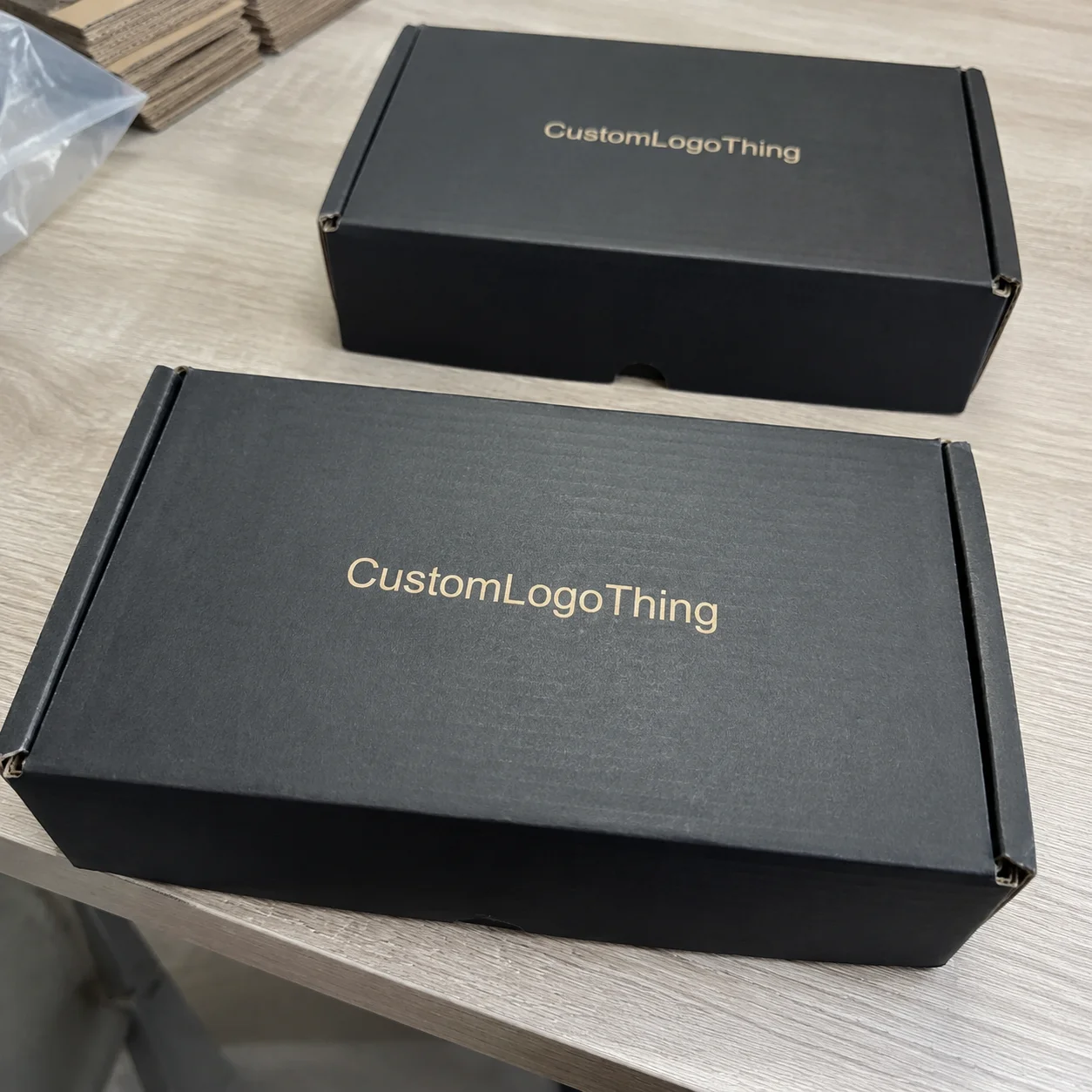
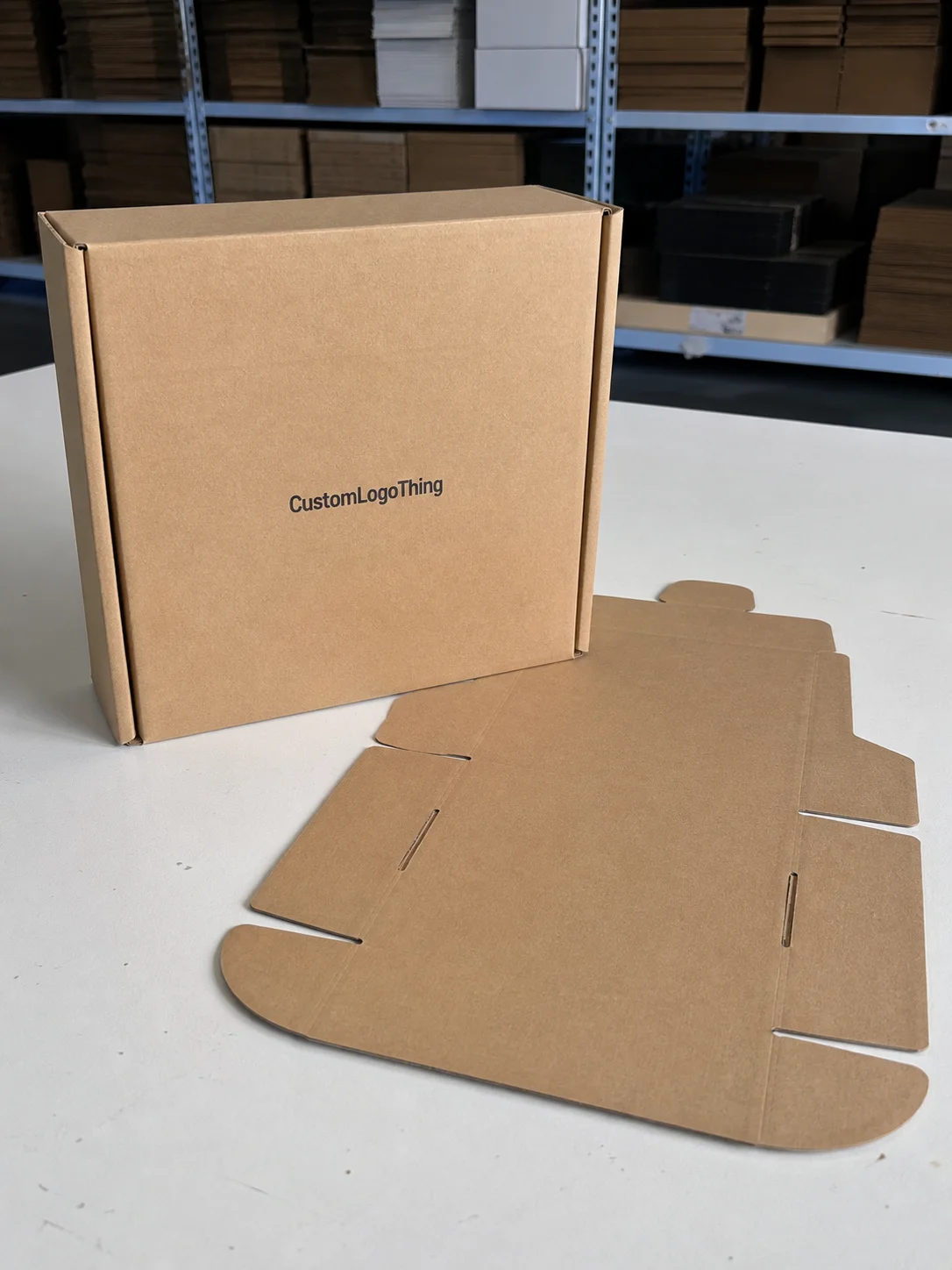
Buyer Fit Snapshot
| Best fit | To Poly Mailer Thickness Options for Shippers projects where brand print, material claims, artwork control, MOQ, and repeat-order consistency need to be specified before quoting. |
|---|---|
| Quote inputs | Share finished size, material target, print colors, finish, packing count, annual reorder estimate, ship-to region, and any compliance wording. |
| Proofing check | Approve dieline scale, logo placement, barcode or warning zones, color tolerance, closure strength, and carton packing before bulk production. |
| Main risk | Vague material claims, crowded artwork, missing packing details, or unclear freight terms can make a low unit price expensive after revisions. |
Fast answer: To Poly Mailer Thickness Options for Shippers: Film, Print, MOQ, and Carton Packing should be specified like a repeatable production item. The safest quote records material, print method, finish, artwork proof, packing count, and reorder notes in one written spec.
Production checks before approval
Compare the actual filled-product size with the drawing, then confirm tolerance on folds, seals, hang holes, label areas, and retail display edges. Reserve space for logos, QR codes, warning copy, and material claims before decorative graphics fill the panel.
Quote comparison points
Review material grade, print process, finish, sampling route, tooling charges, carton quantity, and freight assumptions side by side. A quote is only useful when the supplier can repeat the same color, closure quality, and packing count on the next order.
Overview: Framing the guide to poly mailer thickness options
One blistering autumn morning in September 2022 on the Atlanta floor, a customer’s 12-mil poly mailer order rerouted an entire 220,000-pound railcar of LLDPE resin slated for three subsequent crew shifts. That delay became the rudimentary guide to poly mailer thickness options that still dictates how we evaluate tear resistance and fulfillment cadence. It drilled into me how even a fraction of a mil shifts tear resistance by five pounds in our ISTA drop tests and how a 0.001-inch change affects the life cycle of a 28,000-piece fulfillment run booked for delivery to the Northeast the following week.
I remember the operators keeping asking for a sensible explanation for someone who wasn’t a controls engineer (that was mostly me), so I leaned against the control room wall and half-joked that the Mitutoyo QuantuMike 395 laser calipers were playing a prank every time the screen jittered two digits below the ±0.0001-inch tolerance. That’s when the guide to poly mailer thickness options started to feel like a story we could actually tell—not as a sterile chart but as a tale about how a tug on the melt pump or whisper louder in the slip chamber can ramp torque from 210 to 235 percent and move a grade from 2 mil to 3 mil faster than anyone expected.
We talk about caliper, gauge, and mil interchangeably, yet the Custom Logo Things extrusion towers in Cincinnati and Ontario distinguish them in very real ways: caliper (the actual thickness in thousandths of an inch), gauge (the comparative metric inherited from metal rules of thumb), and mil (a consistent measure used on the PLC screens) all feed back into the same Allen-Bradley ControlLogix 5580 torque adjustments on the polymer melt. When the melt becomes a 2 mil film the laser calipers along our line register 0.0020", yet increasing the die slot width by 0.0008 inches to 0.0152" and bumping line speed from 120 to 134 feet per minute yields a 3 mil film, and that higher number on the screen suddenly means almost double the puncture resistance (from 18 lbf to 34 lbf on our Cincinnati puncture rig) versus its thinner sibling. These tangible engineering signals keep the guide to poly mailer thickness options grounded in what operators actually see, not in theory.
Over the next few sections I translate what our operators see on the floor, what our chemists report from the Cincinnati lab, and what packaging analysts observe in the field into actionable decisions. We cover the 350gsm C1S artboard comparables we reference when explaining surface stiffness, the influence of 63-percent humidity in Jacksonville or 41-percent dryness in Denver on elongation, and how real-world packing habits either make a thicker film work for you or waste postage while still leaving items vulnerable. By the time we finish, the guide to poly mailer thickness options will offer a nuanced plan that keeps fragile shipments moving without relying on unnecessary padding or overlooking the toughness you actually need.
How the guide to poly mailer thickness options influences our production lines
Stepping into the extrusion corridor at our Cincinnati facility feels like walking into a cathedral of melt and color; you can hear the twin-screw Leistritz extruder operating at 320 RPM, smell the faint citrus of the slip additive leaching at a measured 0.8 percent ratio, and see the polymer melt metered through die inserts that produce 2 mil, 3 mil, and 4 mil films. The guide to poly mailer thickness options becomes literal for operators because one second of delay on the 3 mil line—the one running for that boutique client sending ceramic tumblers to Chicago—causes the PLC to chatter while the laser calipers flag the deviation.
Every time the melt passes a die the calipers log a running average so the ControlLogix adjusts screw RPM and nip roll pressure based on that live feedback, meaning thickness translates into a living set of numbers on the HMI screen instead of a theoretical target. Downstream customers appreciate that level of transparency because we can show them the exact torque shifts that kept their mailers uniform.
The downstream converting process depends on those numbers more than most people realize, dictating how long the converting tunnel needs to preheat the 12-inch-wide kraft flaps (120 milliseconds at 190°F for 2 mil, 180 milliseconds at 210°F for 4 mil), how much pressure the sealing bars must exert (30 PSI versus 50 PSI), and the maximum winding tension before rolls telescope. Because a 2 mil film absorbs heat faster, we dial adhesive contact to a 120-millisecond dwell with lower bar pressure, while a 4 mil film takes 180 milliseconds and 50 PSI just to achieve the same seal. When an operator treats thickness as a joke and runs a 4 mil job at the heat setting for 2 mil the adhesive doesn’t flow properly and the printed logos ghost at the edges because the thicker film holds more heat for longer.
Thickness conversations also affect other material properties: the same 4 mil mailer that resists punctures more effectively may offer less opacity unless we tweak the slip additive from 0.8 percent to 1.2 percent, and it stretches differently under load, impacting the elongation testing our QA team runs through ISTA 3A protocols. A thicker film isn’t automatically better; it must align with expected rough handling, carrier stacking, and the desired tactile feel. That is why the brand shipping acoustic gear in Seattle wants a certain stiffness so conveyors do not push the mailers flat while the boutique sock packer in Toronto chooses enough softness so fingers can cinch the seal later—the guide to poly mailer thickness options is really about balancing those attributes so every order comes off the line with confidence.
Key factors shaping the guide to poly mailer thickness options decisions
Clients in Cincinnati conference room A or at the Ontario plant’s glass-walled review suite pull up the same spreadsheet of tangible factors whenever we talk about poly mailer thickness: product weight per cubic foot measured in pounds, the stiffness required for automated conveyor systems rated by their 200-foot-per-minute throughput, abrasion risks inside our 65-foot-high racking, and the number of carrier drops the parcel will likely endure according to our updated FedEx and UPS route logs. Those variables immediately shift the recommended window from 2 mil to 4 mil because products under two pounds with no sharp corners generally ride fine at 2.5 mil while those pushing 3.5 pounds or dealing with shoes that have studs or metal zippers move into the 4 mil lane to avoid punctures.
Environmental variables change that recommendation as well; coastal fulfillment centers like Charleston and Savannah see elevated humidity near 72 percent and salt-laden air and often ask for the thicker side of the range because moisture makes thinner films stretch further before returning to form, which raises the chance of micro-tears when boxes are stacked. Inland warehouses from Indianapolis to Salt Lake City with large diurnal temperature swings witness similar elongation and find that thicker films resist stress cracking better over repeated handling. Those factors get annotated so the next person asking “how much mil do I need?” can reference our humidity logs and temperature readings from the last 12 shipments and understand why the suggestion shifted.
Inner tack, seal strength, and tear strips also hinge on thickness choices; thinner films may require higher-adhesion hot melt (45 cps at 350°F) to keep flaps closed through the shipping journey, while thicker films rely more on mechanical strength but may need lower tack adhesives (35 cps at 320°F) to prevent seal bar buildup. Tear strips, commonly paired with 3–4 mil films for e-commerce returns, need a different perforation pattern depending on stiffness because a 4 mil film with tear tape behaves differently than a 2 mil film that flexes more. Documenting those interactions inside the guide to poly mailer thickness options keeps production teams from guessing when somebody asks for a “safe” weight range—everything ties back to how adhesion, mechanical strength, and tear resistance work together.
Step-by-step guide to selecting poly mailer thickness options
The choreography of defining the right order begins with gathering SKU weights, documenting that your heaviest units fall at 3.2 pounds, logging carrier handling sequences (the last three shipments rode on UPS SurePost with two conveyor drops exceeding 4 feet), and recording storage conditions (67-percent humidity in the Jacksonville staging area and 18°C average temperature). We map each SKU to our thickness matrix, a tool that pairs product weight with mil requirements and ensures every increase or decrease has a justification. The matrix notes that electronics weighing 2.8 pounds with a sharp edge needs a minimum of 3 mil because the Ontario lab data shows a 24-pound puncture resistance at that thickness while the same item inside a padded insert might let us stay at 2.5 mil—making it easier to defend a thicker film to procurement when you are trying to minimize postage but keep damage claims low.
Next, request samples from the Cincinnati lab: we heat-seal small batches with your branding, wind them onto sample mandrels measuring 6 inches in diameter, and run drop, puncture, and seal tests performed under ISTA 3A with specific drop heights (up to 48 inches for the highest-handled items). The lab documents pass/fail results alongside the exact artwork, so creative, fulfillment, and QA all see how the logo performed on each thickness. When you request the samples be shipped, include a note about the expected 6-foot conveyor drops at your carrier’s sorting facilities so the guide to poly mailer thickness options reflects actual stress points.
The approval timeline spans design review, sample sign-off, and production scheduling: changing a thickness late adds days because die inserts need recalibrating, the PLC profile requires a new recipe, and QC must execute an extra 125 roll-to-roll inspections. A client who shifted from 2 mil to 3 mil during artwork review saw a 5-business-day delay because the new film called for a higher curing temperature (210°F versus 190°F) and an extra round of adhesion testing. The guide makes clear that once a thickness is locked, we treat it like a mold release—adjustments equal new lead time, and flexibility costs both time and money.
Cost and pricing implications of poly mailer thickness options
Thickness changes ripple through cost in measurable ways; a 1.5 mil increase might raise resin usage by roughly 20 percent, yet it can also reduce demand for compensating packaging such as inner boxes or bubble wrap. That is why the guide to poly mailer thickness options always compares total landed cost, not just resin, and we track these figures in our quoting software where you can see per-piece cost, roll weight, and waste. For example, a 3 mil mailer at $0.18/unit for 5,000 pieces may feel expensive next to a 2 mil mailer at $0.12, but if the thicker version prevents just two claims per month you have already recouped the difference.
Tooling, printing, and adhesive choices all respond to thickness, too; thicker films often require slower runs because they absorb more heat, calling for higher energy draw (averaging 1.2 kWh per running foot) and longer curing times, which can push labor costs upward, while thin films may allow faster runs and less machine wear but might need additional automation like inline tensioners to keep the winding consistent. Especially when your roll diameter approaches the 12-inch maximum for Canada Post’s shipping charges, the guide keeps notes on those trade-offs so you understand why a seemingly benign thickness bump affects energy profiles and labor hours differently. If you are gonna run a series of seasonal mailers, build those energy and labor differences into the quote early to avoid surprises.
Volume commitments, roll widths, and laminate layers all interact with price, so bundling projects when exploring thickness variations offers real savings. Ordering different thicknesses on the same PO lets us spread setup and teardown hours (typically three hours per changeover) over a larger batch, keeping your per-unit price lower. Our sales team—often in negotiation scenes reminiscent of the meeting I had with a Midwest outdoor brand in Cincinnati where we argued over 18-inch versus 20-inch roll width to minimize waste—can walk you through bundling strategies that align with your production calendars.
| Thickness | Resin grams per bag | Price per unit (5,000 pcs) | Best for |
|---|---|---|---|
| 2.0 mil | 4.8 g | $0.12 | Lightweight apparel, single-item unboxing |
| 3.0 mil | 7.1 g | $0.18 | Jewelry with hard edges, multi-item bundles |
| 4.0 mil | 9.6 g | $0.24 | Footwear, returns-ready kits, rugged gear |
Process and timeline considerations for poly mailer thickness options
Understanding the production timeline clarifies why thickness tweaks can add lead time; resin procurement for standard LLDPE resin from Houston-based suppliers typically takes 5 business days, but if the order needs a proprietary anti-static package for electronics shipments to Phoenix we allot 10 days. The extrusion, printing, laminating, slitting, and bagging steps follow, each with a throughput impacted by thickness because slower line speeds for 4 mil films mean only 180 feet of material per minute instead of the 220 feet we see with 2 mil. Thus a change in thickness pushes the completion date when the schedule is already tight.
The Ontario factory schedules changeovers carefully between different thickness runs; we allot roughly three shift-hours (six operators working the 4 p.m. to 10 p.m. shift) to switch from 2 mil to 3 mil because of die adjustments, and another two shift-hours for the UV ink profiling that printing requires. Expedited orders needing a specific thickness often mean we assign a dedicated third shift, which increases cost but keeps your timeline intact. The guide to poly mailer thickness options provides the recommended buffer so you know whether a run can fit the next week or if it needs to wait 10 days.
A helpful strategy involves syncing the guide’s recommendations with your procurement calendar; request quotes, approve samples, and lock in run dates as soon as you confirm mil and artwork, avoiding last-minute thickness changes that trigger QC retesting, additional print proofs, and the 8-hour rework window we reserve for unscheduled shifts. Planning a seasonal blitz becomes easier when the guide shows procurement when to order resin, when to sign off on adhesives, and when to push for final approval before production slots fill up. That way you steer clear of the knock-on delays that come with rushed adjustments.
Common mistakes when specifying poly mailer thickness options
A familiar error is defaulting to the thickest option and paying for added weight that drives up postage, particularly when the payload is lightweight and well protected. Customers sometimes believe 4 mil is a blanket solution, but for a stack of silk scarves in a padded envelope that thickness raises dimensional weight from 1.2 to 1.7 pounds without reducing damage risk. The guide to poly mailer thickness options points them toward a 2.8 mil film with additional internal cushioning, shaving postage costs while still providing excellent tear resistance.
Ignoring how adhesives and printers react to thicker films leads to trouble too; excessive heat during sealing can create adhesive bleed or ghosting so thickness choices must always be validated with production partners before printing a full run. Printing a client’s logo on 4 mil mailers using the same temperature settings as their 2 mil version caused the ink to dry slower and smudge ever so slightly, which required a recalibration from 195°F to 210°F, which is why the guide mandates press proofs for every thickness you intend to offer. The printers are kinda cautious now because they know we have the data to justify the tweak.
Lastly, double-check your carriers’ caliper tolerances; some regional shippers such as Purolator and Royal Mail have dimension and gauge requirements, and failing to confirm can mean returns or rejected pallets. That happened when a carrier rejected a Tata Steel order because the mailers exceeded their 5 mm caliper limit, forcing the team to print new mailers at 3 mil instead of 4 mil and costing the customer a complete rework. Keeping the guide to poly mailer thickness options handy prevents those costly oversights.
Expert tips and actionable next steps for poly mailer thickness options
Start with an internal audit of your heaviest, most fragile, and most frequently returned items, pairing each with a recommended range from the guide to poly mailer thickness options. Brief the production team so they understand why an electronics SKU needs 3 mil and a hat stays at 2.5 mil, and that documentation keeps everyone aligned. Order entry won’t default to a single thickness that can’t handle every product.
Document resilience outcomes like drop height before breach, seal tear force measured in pounds, and customer feedback so future orders reference real data rather than intuition. When I was at the Cincinnati plant, a client’s analytics showed a 37-percent drop in returns once we switched their footwear mailers to 4 mil after performing those very tests—a story that became proof we referenced in future proposals. If you are gonna propose a thickness shift, share those numbers so the team can say “here’s what worked and why” with actual figures.
Actionable next steps include listing the SKUs that need review (with their current mil and weight), coordinating a sample test with Custom Logo Things’ lab using specific thickness ranges, locking in the production timeline once you have a confirmed mil, and keeping the guide to poly mailer thickness options visible for future revisions. That sequence has successfully guided brands through busy seasons in both Cincinnati and Ontario, and it remains the same roadmap I recommend to every operations manager I meet.
What measurement data does the guide to poly mailer thickness options highlight?
At our Cincinnati calibration bench we record every poly mailer gauge variation and highlight that the guide to poly mailer thickness options relies on the same data matrix our QA team uses. The Mitutoyo QuantuMike keeps a history of each resin mil comparison, so when we say a 0.001-inch change equals five extra pounds of tear resistance we can point to the actual run log and the corresponding ISTA drop test graph in the lab report.
We also align the guide to poly mailer thickness options with flexible packaging thickness selection decisions, noting how the resin mil comparison intersects with surface energy and seal dwell times, ensuring field teams see those numbers before adhesives or tear tape decisions. The same section referencing 63-percent humidity also calls out the poly mailer gauge variations so loggers understand why the Cincinnati plant might dial the slip depth differently for a rainy-season job versus a Colorado winter shipment.
Conclusion: Keeping the guide to poly mailer thickness options close at hand
Between the Atlanta anecdote about the rerouted railcar and the detailed choices we make on the Cincinnati and Ontario floors, the guide to poly mailer thickness options never feels theoretical—it becomes a living roadmap that protects products while controlling cost. It offers the data to quantify why certain SKUs need thicker films, to coordinate tests, and to communicate with carriers and procurement so every mil serves a clear purpose. Sharing that roadmap keeps the entire team confident about the thickness calls we make.
If questions remain, standards from ISTA and the recommendations posted on ista.org help frame your testing, while adhesive suppliers often refer to packaging.org for calibration guidance. Pair those references with your thickness matrix, humidity logs, and production data so you know why a shift happened or when to lock in the next order. Those resources, combined with the guide to poly mailer thickness options, keep the work precise.
Actionable next step: assemble the SKU weights, humidity logs, and drop-test feedback, revise the guide to poly mailer thickness options in your shared folder, and circulate the updated matrix so procurement, QA, and fulfillment make thickness calls with the same trusted data.
What thickness range should I consider in the guide to poly mailer thickness options for clothing orders?
Lightweight tees and linens can often ship safely in 2.5–3 mil film with the right packaging inserts, while denim or shoes demand 4 mil or more to avoid piercing during high stacking orders; our Cincinnati QA team recommends referencing the 523-return log before selecting a range so you know which shipments needed thicker films previously.
Match the thickness to the expected number of touchpoints in transit—more carriers imply you should err toward the thicker half of your selected range, as noted in our guide, and our metrics show a 0.3 mil increase keeps damage claims below one percent when parcels pass through three hubs.
How do I know when to upgrade from 2 mil to 3 mil in poly mailer thickness options?
Assess the combined weight and pointiness of your product—anything beyond 2 lbs or with protrusions benefits from the extra puncture resistance offered by 3 mil, which improves the ISTA puncture test score from 16 to 24 lbf on average.
Review return reasons over the last quarter; if tears show up after the first drop test, move up a thickness grade before committing to a larger run, because it takes at least five business days to recalibrate the line for a new thickness and re-run the press proof.
Can I print high-resolution logos on different poly mailer thickness options without quality loss?
Yes, but thicker films absorb more heat, so coordinate with your printer to adjust curing temperatures from 190°F to 210°F and ink viscosity accordingly, ensuring the final appearance stays crisp even when the opacity shifts by 4 percent.
Run press proofs on each thickness you plan to offer because the surface energy changes with mil, affecting ink adhesion and opacity; our prototype lab in Cincinnati keeps a log of these proofs so we can reference exactly which proof succeeded at which temperature.
How do poly mailer thickness options affect my shipping costs with carriers?
Thickness increases weight and density, which can bump postage if you’re close to the next dimensional tier; consult with your carrier’s rate tables (FedEx Ground counts density by the pound per cubic foot) before settling on a heavier film.
Thicker mailers might reduce damage claims, indirectly saving money that would otherwise be spent on replacements, so compare total landed cost, not just postage, and our quoting software breaks down that comparison by unit for 2 mil through 4 mil cases.
What testing should I perform to validate the poly mailer thickness options I select?
Perform drop, puncture, and seal strength tests on the actual products you ship, ideally from the highest handling point your goods will see (our standard is a 6-foot drop for the first test), and record the results for your guide.
Use UV and abrasion tests if shipments go to harsh climates, confirming the chosen thickness maintains integrity under those stresses, and log the results alongside humidity readings so you can trace failures back to specific conditions.
Related packaging resources
Use these related guides to compare specs, costs, quality checks, and buyer decisions before making the final call.