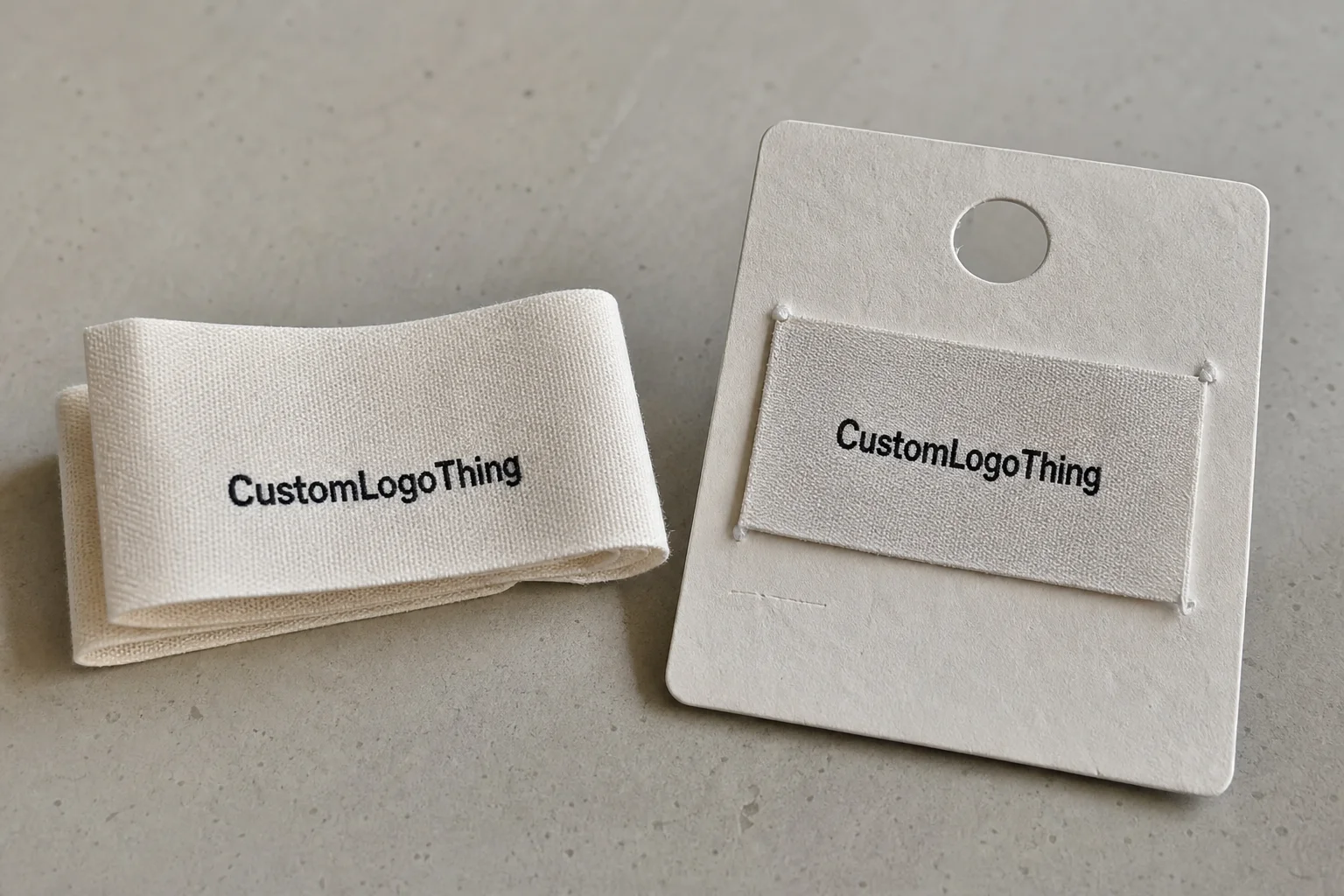
The home fragrance Cuffed Knit Beanies material sample guide is where a concept stops being a mood board and starts behaving like a product. A product photo can flatter almost anything. It can hide a loose cuff, disguise a scratchy yarn, and make a midweight knit seem richer than it really is. The sample does the opposite. It shows how the beanie stretches, how the cuff folds, how the decoration sits on the knit, and whether the material supports the brand story or quietly undermines it.
That matters more for home fragrance than people usually expect. These beanies often travel with candle launches, gift sets, seasonal promotions, or employee merch, so they are not judged as isolated apparel items. They sit inside a broader sensory system. If the candle is warm, refined, and calm, but the beanie feels flimsy or overworked, the mismatch is obvious the moment it is handled.
The sample is not decoration for the approval meeting. It is the closest thing to a contract you can touch.
Why a home fragrance cuffed knit beanies material sample guide can change the whole order
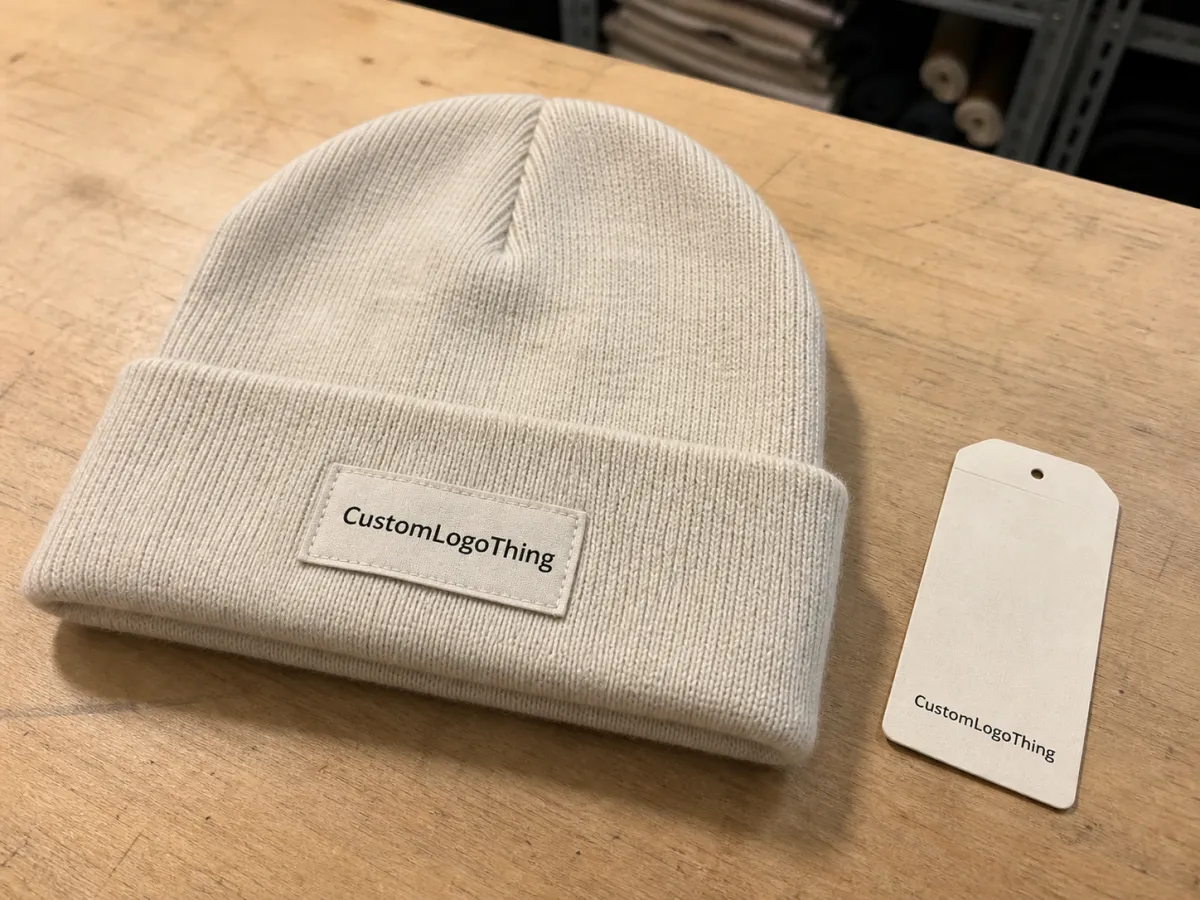
A cuffed knit beanie can look relaxed and premium in a render, then feel oddly stiff, weak, or uneven when it arrives. That gap usually comes from details that are invisible online: rib tension, yarn twist, seam bulk, cuff memory, and the way the knit reacts under decoration. A solid home fragrance cuffed knit Beanies Material Sample guide gives buyers a way to catch those problems before they become expensive across a bulk run.
For brands selling scent, atmosphere, and seasonal comfort, the beanie has to carry the same tone as the rest of the collection. Texture does a lot of that work. A clean rib with stable rebound feels considered; a slouchy knit with uneven edge tension feels accidental. The difference sounds small until you are comparing two samples side by side under showroom light.
The sample often reveals a few recurring issues:
- Stretch recovery: the cuff may relax after one pull and never fully return to shape.
- Logo distortion: embroidery, patches, or woven labels can warp the knit if the base fabric is too loose.
- Fold memory: some cuffs stay crisp after handling; others curl, drift, or lose definition.
- Seam bulk: a thick back seam can create pressure points and show through tighter fits.
- Shade variation: color can look matched on a screen and still shift once yarn lot, tension, and lighting are involved.
That is why experienced buyers treat the sample as a decision tool, not a courtesy. A beanie that will be displayed beside candles, diffusers, and wrapped gift sets needs to look intentional from every angle. The hand feel, shape retention, and decoration quality all contribute to perceived value. A weak sample usually means one of those elements was under-specified.
There is also a packaging effect that gets overlooked. A knit beanie packed in a wrinkled polybag and tossed into a carton tells a very different story from one protected with neat tissue, paperboard, or a simple presentation insert. For home fragrance programs, where the unboxing experience often matters almost as much as the product itself, that difference can shift how the item is priced and perceived.
What yarn, gauge, and cuff construction really tell you
Yarn choice is the first real clue to cost, comfort, and positioning. Acrylic is still the workhorse for many programs because it is predictable, color stable, and usually easier on the budget. Cotton feels drier and more breathable, which can be a better fit for lighter seasonal drops or indoor gifting. Wool and wool blends feel warmer and more premium, though they can also introduce itch sensitivity if the blend is too aggressive. If the brand needs a sustainability angle, recycled yarn blends can work well, but only if the knit quality is consistent and the hand feel still reads clean rather than coarse.
Gauge affects the character of the beanie more than many buyers realize. A tighter gauge usually gives the surface better stitch definition, cleaner edges, and stronger structure. A looser gauge can feel softer and more relaxed, but it also shows more of the knit architecture and can distort faster under decoration. If the order includes embroidery, tighter construction usually behaves better because the fabric is less likely to pucker around dense stitching.
Cuff construction is equally important. A single-fold cuff creates a lighter, less structured profile. A double-fold cuff adds visual weight and usually gives a larger surface for branding. Cuff depth changes proportions, especially on different head sizes, and it can make the same logo look centered, cramped, or unexpectedly low. The sample is the only place where those relationships are easy to judge accurately.
When the sample arrives, focus on the signals the spec sheet cannot fully describe:
- Hand feel: smooth, dry, fuzzy, brushed, or coarse each imply a different price and use case.
- Itch risk: especially relevant when wool content rises or the yarn finish is less refined.
- Weight and drape: a beanie that is too light can ride up; one that is too heavy can collapse.
- Rebound: stretch the cuff and watch how fast it recovers, because that predicts wear life.
- Skin contact: rough seams or abrasive yarns can turn a premium piece into a return issue.
Material does not work alone. A cuffed knit beanie in a home fragrance program often needs to coordinate with paper packaging, inserts, and shipping protection. If the presentation uses kraft paper, paperboard, or molded paper components, the unboxing reads more deliberate than a loose shipment. That matters in retail, but it matters even more when the beanie is part of a bundled holiday or launch kit.
Production steps and timeline from sample request to approval
The sampling process goes faster when the spec is complete before the first knit is made. The buyer should confirm yarn type, gauge, cuff height, decoration method, target size, and color reference in one place. If those items are vague, revisions multiply. A beanie that seems simple on paper can stall for days because the cuff width was never defined, the logo was supplied in the wrong scale, or the team could not agree on how much slouch the crown should have.
A practical sample flow usually looks like this:
- Define the build: confirm yarn, gauge, color, cuff structure, and decoration.
- Review artwork: lock logo size, position, thread count, and any patch or label details.
- Request the sample: ask for a physical knit prototype or a pre-production sample.
- Check revisions: mark fit, color, finish, and decoration adjustments before approval.
- Sign off: approve the control sample and release bulk production.
Most straightforward samples take roughly 5-10 business days to knit after the spec is complete, then another 3-7 days for shipping, depending on location and freight method. If the first sample needs changes, a second round often adds another 5-8 business days. Bulk production typically runs 15-25 business days after approval, although special yarns, heavier customization, or peak-season capacity can extend that timeline.
Delays usually come from the same few places: missing Pantone references, undecided label placement, unclear artwork proportions, or last-minute changes to cuff depth. Those details can seem minor in an email thread, but they affect machine setup, knitting tension, and decoration placement. Once the sample is being revised, even a small change can force the factory to repeat more than one step.
Sample types also matter. A knitted prototype shows shape and proportion. A pre-production sample should reflect the final construction more closely, including yarn lot and decoration method where possible. A lab dip, if one is needed for color approval, is useful for matching the yarn before the knit begins. Each stage answers a different question, and skipping one usually pushes the risk into bulk production.
For packaging or transit testing, it helps to think in terms of shipping performance, not just appearance. The International Safe Transit Association publishes packaging test frameworks at ista.org. That lens is useful even for apparel items because a sample still needs to arrive clean, shaped, and ready for review. If the outer carton or insert uses certified paper-based material, fsc.org is the right place to check chain-of-custody guidance and related claims.
Cost, pricing, and MOQ factors that shape the quote
Quote structure on a knit beanie is rarely as simple as a unit price multiplied by quantity. Yarn choice, stitch complexity, cuff construction, color count, decoration method, label additions, and finishing all affect the number. A plain acrylic cuffed beanie with a small woven patch is a very different job from a wool blend style with multi-color embroidery, woven labels, and custom hang tags. If the quote looks dramatically lower than the rest, something is usually being left out.
Sample pricing behaves differently from bulk pricing because the setup work is not spread across volume. Someone has to prepare the machine, run a small batch, inspect the knit, and often finish or decorate the piece by hand. For a pre-production sample, a common range is around $35-$120 before freight, with the higher end appearing when the construction is custom, the decoration is detailed, or multiple revisions are needed. Bulk pricing drops once that setup cost is distributed across more units.
| Material / Build | Typical feel | Common bulk price impact at 1,000-5,000 pcs | Best fit |
|---|---|---|---|
| Acrylic knit | Soft, stable color, easy to match | $2.20-$3.20 per unit | Value-driven merch and broad color runs |
| Cotton blend | Breathable, cleaner hand feel | $2.80-$4.10 per unit | Lightweight seasonal programs |
| Wool blend | Warmer, more premium, slightly more texture | $3.40-$6.50 per unit | Higher-end retail and gifting |
| Recycled yarn blend | Eco-forward story, can vary slightly by lot | $3.00-$5.20 per unit | Brands emphasizing recycled materials |
MOQ changes the economics quickly. Lower minimums can be useful for a seasonal test or a limited brand drop, but they usually carry a higher unit cost. Larger runs improve efficiency only if the forecast is real. A cheap quote on 10,000 pieces becomes very expensive if the product does not sell through.
When comparing quotes, buyers should check exactly what is included. Sample fee, revision charge, freight, decoration method, packaging, and whether the approved sample locks future pricing all deserve a direct answer. If a factory can change cost after approval because the spec was not frozen, the quote was never fully real.
There are also hidden cost pressures that show up late. Dense embroidery can raise labor time. Specialized yarns may require a different machine setting. Extra-long cuffs use more material than the base estimate suggests. If the design includes a branded woven label, the sewing method can affect both the look and the labor count. None of that is a problem, but it needs to be visible before bulk production starts.
Step-by-step checklist for evaluating the sample in hand
When the sample arrives, the worst approach is to glance at it, nod once, and move on. The better method is slower and more mechanical in a useful way. Measure it, handle it, bend it, and inspect it under different lighting. Start with dimensions, then decoration, then comfort, then recovery. That order keeps the review grounded. It also stops a well-executed logo from hiding a weak knit underneath.
- Measure the flat sample: confirm width, crown depth, and cuff height against the target spec.
- Check on-head fit: test on a few wearers if possible, because one size can behave differently across head shapes.
- Inspect the decoration: review embroidery density, patch edges, thread tension, and logo placement in natural and indoor light.
- Stretch the cuff: pull it gently, hold for 30-60 seconds, then release and watch the rebound.
- Check seam behavior: make sure the back seam does not create a ridge, twist the front panel, or press through the fabric.
- Record the findings: write down every acceptable tolerance and every requested change in one place.
Useful size ranges are not hard rules, but they help prevent guesswork. A typical adult cuffed beanie may stretch to roughly 19-24 inches in circumference, with cuff depth often around 2.5-3.5 inches, depending on the shape and intended wear. A more structured style should hold its crown when the cuff is folded back. A slouchier style should relax without collapsing into a loose, tired shape. The target is controlled behavior, not stiffness for its own sake.
Quality control should also look beyond the front-facing area. Check the inside for loose threads, uneven tension, missed stitches, or a back seam that sits high enough to rub. Tug lightly at the decoration edges. Look for puckering around dense embroidery. Bend the cuff after the beanie has been folded for a few minutes to see whether the memory is too strong or too weak. A sample that looks perfect for one minute and tired after five is already telling you something.
For home fragrance bundles, presentation still matters. If the beanie is going into a kit with candles or room sprays, a tidy insert system, recycled paperboard, or protective tissue can help the product arrive in better shape. Some brands also ask for post-consumer waste content in the packaging structure, but the first priority should still be protection. A crushed knit costs more to replace than a simple upgrade to the carton.
If a sample misses the mark, do not drift into vague approval just because most of it looks fine. A good beanie can often be rescued by changing cuff depth, tightening gauge, reducing decoration scale, or switching yarn blend. Those decisions need to be written into the revision before bulk starts. That is the whole point of a home fragrance Cuffed Knit Beanies material sample guide: remove uncertainty while the cost of change is still manageable.
Next steps after approval: lock the spec and move cleanly into bulk
Once the sample is approved, freeze the spec in writing. Include yarn type, gauge, cuff dimensions, logo placement, color references, decoration method, packaging notes, and any tolerances that are acceptable in bulk. Keep the approved sample as the control piece so production, sales, and quality review all reference the same physical standard. Without that control, small disputes turn into avoidable delays.
The shipping method should also follow the sample logic. If the approved sample arrived protected and neatly folded, use that as the baseline for bulk packing. If the brand is prioritizing recycled materials or paper-based packaging, make sure the outer solution still protects the knit from compression and dust. Good packaging supports the product; it does not try to replace it.
Before release, confirm three final items: the production timeline, the freight plan, and the reorder expectation. Those are the questions that protect margin more than almost anything else. If the exact approved sample is what gets made in bulk, is the brand still comfortable with the feel, the fit, and the landed cost? If yes, production can move forward with fewer surprises. If no, the revision belongs here, before inventory is on the water or in a warehouse.
The strongest result from a home fragrance Cuffed Knit Beanies Material Sample guide is not a flashy feature or a dramatic redesign. It is alignment. The sample feels right in the hand, the fit behaves the way the buyer expected, the decoration stays clean, and the quote still works at scale. When those pieces line up, the bulk order usually becomes much easier to manage.
What should I check first in a home fragrance cuffed knit beanies material sample?
Start with yarn hand feel, cuff stretch, and overall fit. Those three items shape how premium the beanie feels during actual use. After that, confirm decoration placement, color accuracy, and whether the cuff keeps its fold after handling.
How many sample rounds are normal before production?
One to two rounds are common when the artwork is clear and the construction is straightforward. More revisions are often needed if the design uses multiple colors, a new yarn blend, or a very specific fit target.
Does cuff depth affect logo placement on knit beanies?
Yes. Cuff depth changes the visible front panel and can shift the perceived height of embroidery or patches. A deeper cuff usually gives more decoration space, while a shorter cuff can make the logo sit closer to the crown.
What drives the sample price versus the bulk price?
Sample pricing is driven by setup labor, small-batch knitting, and any manual decoration or revision work. Bulk pricing improves when the quantity is higher and the spec is fully locked before production starts.
How do I know the sample will match the final order?
Compare the approved sample against a written spec sheet that lists yarn, gauge, color, cuff size, and decoration placement. Keep the approved sample as the control piece so the final run can be checked against the same physical reference.