Custom Logo Things
Home Fragrance Recycled Poly Mailers Bulk Order Planning
Where Budgets Break in Home Fragrance Mailer Planning
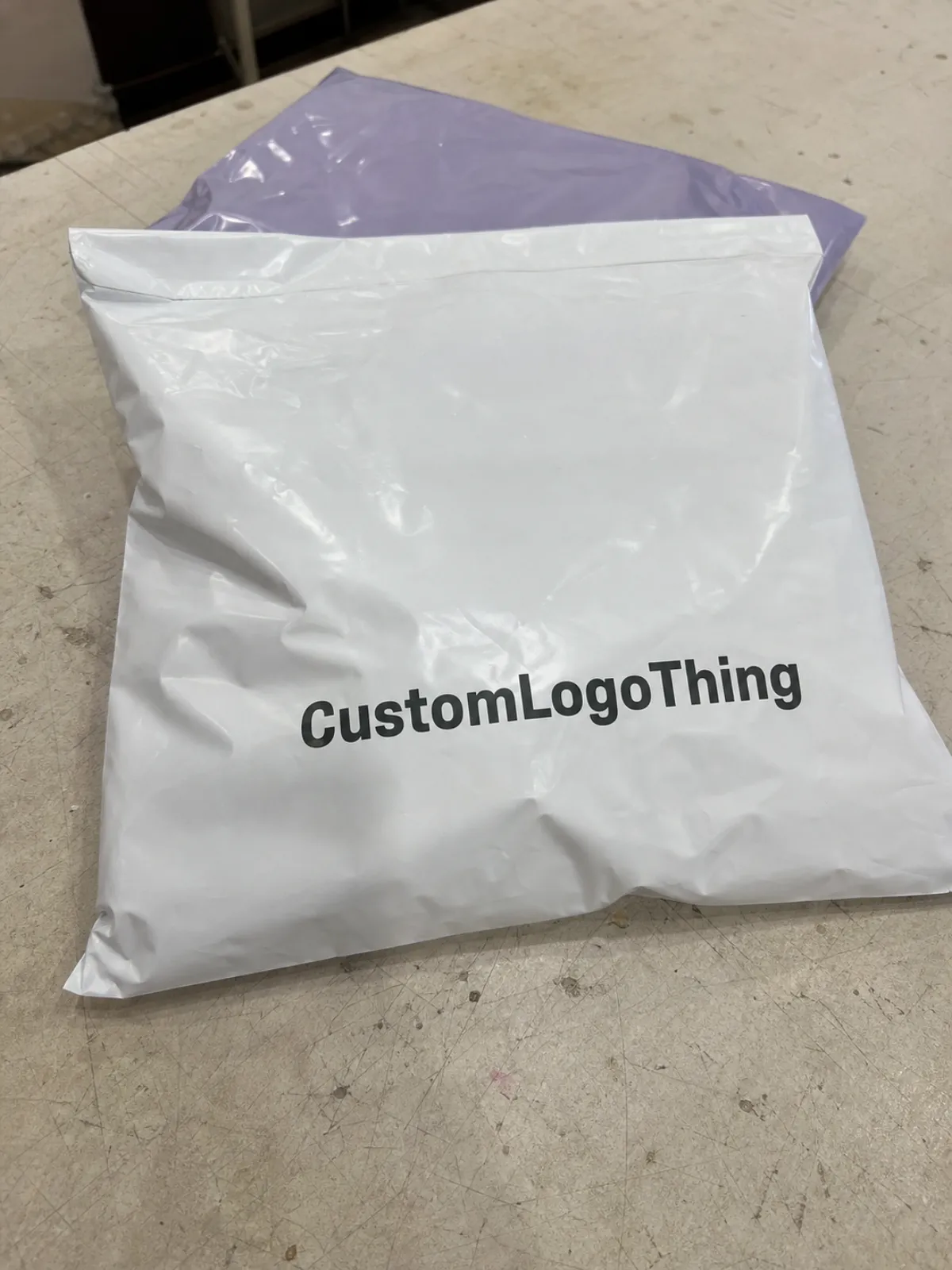
Home fragrance recycled poly mailers Bulk Order Planning looks straightforward until the packaging math starts pulling in three directions at once. The mailer has to protect the product, fit the finished pack, and keep freight from swallowing the savings. Miss one of those pieces and the “cheap” option stops being cheap very quickly.
For fragrance brands, Recycled Poly Mailers usually make the most sense for refill packs, sachets, sample kits, flat accessory items, and lightweight promotional bundles. They are a poor substitute for proper protection around glass bottles, ceramic vessels, or anything with hard edges that can puncture film. A candle jar or reed diffuser bottle still needs an inner carton, divider, or molded protective layer first. The mailer is the outer shell, not the shock absorber.
That distinction matters because a buyer can win on unit price and lose on landed cost. A mailer that is one cent lighter but creates damage, extra packing steps, or a second shipment is not a real saving. A team that ships 20,000 orders a quarter feels that difference in labor, claims, and customer complaints long before finance sees it on paper.
The other hidden cost is presentation. Home fragrance is a sensory category, so even the outer package gets judged for how it feels in hand. Recycled film is not a problem; sloppy print, weak seals, and oversized bags are. A bag that fits cleanly and prints clearly can look sharper than a more expensive bag chosen without a fit test.
That is why the first question should not be “What is the lowest quote?” It should be “What does each shipped order really cost after freight, setup, labor, and damage risk?” If the answer is unclear, the project is not ready for purchase.
There is also a timing issue that buyers learn the hard way. A brand may want to launch a seasonal fragrance refill in six weeks, but if the artwork changes twice, the bag size shifts, and the sustainability wording is still under review, the schedule stretches fast. Packaging delays often come from indecision, not production capacity. Once that happens, a small component becomes the thing holding up the launch.
Cheap packaging is expensive when it fails in parcel transit. The buyer usually pays twice, once for the bag and once for the replacement.
That is the practical frame for this category: protect the shipment, keep pack-out simple, and buy only what fits the sales window. If demand is still being tested, a smaller run with a clean spec is safer than locking up cash in inventory that may sit for months.
What These Mailers Need to Protect
Not every home fragrance shipment behaves the same way. A flat sample card is simple. A refill bottle tucked inside a folded carton is not. A wax melt pack with a scent insert has different handling needs again. Treating them as equal is how teams end up with the wrong mailer size or film gauge.
The most useful measurement is not the product’s raw dimension on the supplier drawing. It is the finished pack thickness after the item is built, folded, wrapped, sleeved, taped, or sealed. A product that is technically 6 x 4 x 1 inches may need a mailer sized for 6 x 4 x 1.5 inches once the insert and closure stack are added. A few millimeters seem small until the pack is being forced into a tight seal line at speed.
Three failure modes show up repeatedly in fragrance shipping:
- Moisture exposure during long transit routes or humid storage conditions.
- Scuffing on printed cartons, labels, or sample sleeves inside the bag.
- Poor closure from weak adhesive, misaligned seal lips, or a flap that lifts after compression.
Moisture is especially relevant for seasonal distribution. Summer shipments moving through hot trailers or humid regions can create condensation on outer packaging, and recycled film that has poor consistency can make that look worse. Scuffing is another quiet problem: a package may arrive intact but look tired, which matters in fragrance because customers often read the outer box as a signal of product quality. If the outer bag looks careless, the contents feel less premium before they are even opened.
A simple fit test tells you more than a polished rendering ever will. Place the finished pack in the bag, close it the way the warehouse will close it, and inspect the corners under light pressure. If the closure creases badly or the film puckers around the edges, the size or gauge is off. A bag that barely fits on a drawing may fail once the line is moving and the operator is working quickly.
For shipping trials, it is worth borrowing a basic drop-and-fit mindset from ISTA-style parcel testing. A few handled drops, compression checks, and seal inspections are enough to show whether the outer bag is up to the job. No one needs a lab report for every purchase order, but a controlled sample test is far cheaper than replacing damaged fragrance kits later.
Pack-out rules should stay simple enough that a warehouse team can follow them without guessing. Decide whether the order needs a single adhesive strip, a tamper-evident label, or a second seal line. Confirm whether the bag is meant to protect a fully boxed item or a loose accessory bundle. The cleaner the rule, the less room there is for inconsistent packing.
There is one more practical point: the outer mailer should fit the finished pack, not the raw components. A candle sleeve plus tissue plus insert is one package. A sleeve without the insert is not the same job. That difference drives the size, the film gauge, and the print area.
Spec Sheet Checklist: Film, Seal, Print, and Recycled Content
Solid home fragrance recycled poly mailers Bulk Order Planning starts with a real spec sheet, not a mood board and not a screenshot. A useful sheet names the finished dimensions, film gauge, seal style, print count, recycled-content target, and tolerance range. Without those details, quotes drift and reorders turn into a memory test.
The details buyers often skip are the ones that matter most later:
- Film thickness: 2.5 to 3.5 mil is common for light-to-medium fragrance packs; 4 mil or more makes sense for sharper edges or heavier inserts.
- Seam width: wider seams generally hold better, especially if the order passes through multiple warehouses.
- Seal strength: adhesive should survive normal parcel handling without corner lift.
- Print coverage: one-color logos cost less and often print cleaner than dense full-coverage artwork.
- Recycled content: ask whether the film is post-consumer, post-industrial, or blended.
The film choice is a tradeoff, and it is rarely subtle. Thinner film lowers material weight and shipping cost, but it raises puncture risk. Thicker film gives the buyer more comfort, yet it adds cost and can make the bag harder to seal quickly. The safest approach is usually the thinnest gauge that still passes an actual fit and drop test with the finished product inside.
Print choice matters more than many brands expect. A clean logo, one support line of text, and perhaps a short URL is usually enough. Recycled film naturally has more visual variation than virgin material, so simple graphics often look better than artwork that tries to fight the surface. Darker inks can also hide some of that variation, while highly detailed artwork can get muddy if the film texture is pronounced.
There is a reason technical packaging teams insist on clear material language. “Recycled” is not specific enough. If the film uses post-consumer resin, say that. If it is blended, say blended. If the supplier can only document a percentage range, that range should appear on the quote and the approved proof. This is not just a sustainability issue; it is a consistency issue. Retail buyers, auditors, and internal brand teams all react badly when the wording on the carton, website, and purchase order do not match.
Material references help too. A neutral packaging resource such as packaging.org can give teams common terminology for print methods, substrate types, and performance claims. It will not price the order, but it can reduce confusion in spec review meetings, which is often the more expensive problem.
For a home fragrance line, the best spec sheet is boring in the right way. It should let purchasing, design, and operations sign off without another hour of back-and-forth. That kind of clarity shortens ordering cycles and makes the next run easier to repeat.
Pricing, MOQ, and the Variables That Move Unit Cost
Comparing quote totals without comparing specs is one of the fastest ways to misread the market. Two mailers can share a similar size and still differ in material weight, seal design, print complexity, recycled-content documentation, and freight footprint. A quote that looks lower by a few cents can easily finish higher once setup and shipping are included.
For planning purposes, these are typical bulk ranges buyers often see once artwork is stable and the structure is straightforward. They are not promises; they are practical planning bands.
| Order Tier | Typical Spec | Typical Unit Range | Best Fit |
|---|---|---|---|
| 5,000 units | 2.5-3 mil, one-color print, standard seal | $0.18-$0.30 | New designs, test launches, smaller seasonal drops |
| 10,000 units | 3 mil, one- or two-color print, recycled blend | $0.13-$0.22 | Stable sellers with repeat demand |
| 25,000 units | 3-4 mil, two-color print, tighter QC spec | $0.09-$0.17 | Established SKUs, multi-month inventory planning |
The table hides one major line item: freight. Shipping a lighter unit is not always cheaper if the cartons are larger, the pallet count rises, or the supplier needs to split the order. A lower unit price can be erased by extra receiving fees, more pallet space, or additional domestic transfers. The right comparison is landed cost, not headline cost.
These are the variables that move the quote most:
- Finished bag size and any gusset or side expansion.
- Film thickness and recycled-content percentage.
- Number of print colors and print coverage.
- Closure style, adhesive quality, and flap design.
- Artwork revisions after proof release.
- Overrun allowance and defect replacement terms.
Minimum order quantities matter because they set the entry point for the whole program. A supplier may quote aggressively at 10,000 units but require a higher setup cost at 5,000. Another may offer a tighter first run but charge more for print colors. Neither is automatically better. The useful question is which structure matches your launch cadence and storage limits.
Ask about plates, setup, and freight before you approve anything. Some suppliers separate those charges cleanly. Others do not. A quote with a low unit price and a buried setup fee is not a bargain; it is just a later invoice.
Buyers managing several packaging components at once should ask for the same quote logic across the program, especially if they are also ordering Wholesale Programs items or outer packaging for other SKUs. A consistent quote format makes it easier to compare apples to apples, which is rare enough in procurement to be valuable on its own.
One more point for forecasting: inventory holding cost is real. A better unit price loses value if the finished bags sit in a warehouse for half a year. For fragrance brands, the smartest purchase is often the one that matches the next selling season rather than the biggest possible discount.
Process and Timeline: From Proof to Packed Cartons
The smoothest projects start with a frozen definition of the package. Before requesting a quote, settle the finished size, closure type, print colors, recycled-content target, and delivery window. If those pieces are still moving, the timeline will move with them.
A typical production flow usually looks like this:
- Sizing confirmation with the actual packed product.
- Artwork setup with live files, bleed, and print boundaries.
- Digital proof review for layout, text, and placement.
- Sample approval if a physical check is needed.
- Mass production after final sign-off.
- QC and carton packing into master cartons and pallets.
- Shipment according to the agreed freight method.
For standard custom orders, production often lands in the 12 to 18 business day range after proof approval. Complex artwork, special film requests, or unusual sizing can push that out. Rush schedules are possible, but rush plus custom size plus recycled-content specification is where many buyers start paying for avoidable mistakes. Time pressure and unclear specs are a bad mix.
The most common delays are not mysterious. They come from late artwork swaps, unclear dielines, color corrections, missing sustainability language, and approvals that arrive in pieces instead of one clean decision. The fix is simple, if not always easy: freeze dimensions first, then approve artwork, then release production. Changing the bag size after proof approval usually resets part of the schedule because the layout and tooling may need to change with it.
Physical samples are worth the extra step when the pack is new. A sample reveals the fit, the seal behavior, the print visibility, and the real-world stiffness of the film. Mockups do not tell you whether the mailer closes cleanly after an operator has packed fifty units in a row. Samples do.
Timeline planning should also reflect receiving capacity. If a warehouse has limited pallet space or limited staff for intake, a cheaper order that arrives all at once can create the wrong kind of savings. Launch timing, storage volume, and replenishment frequency should all sit in the same spreadsheet. If they do not, purchasing can save a little while operations pays for it later.
Once the order is approved, the job should not drift. The proof, the spec sheet, and the production file need to match. If one of them changes, the other two should be updated immediately. That sounds basic because it is. Basic controls are what prevent expensive rework.
For teams that prefer one place to keep recurring approval questions, the site’s FAQ page is a useful reference during internal review. It is not a substitute for a spec sheet, but it helps keep the same question from being asked four times in different threads.
Quality Checks That Keep Reorders Honest
Bulk packaging only works if the second order matches the first. Reorder drift is real. The bag may look close, the seal may feel slightly different, and the ink may shift a shade darker. That is enough to make a premium fragrance line look inconsistent. Usually the cause is a weak record of the original spec, not a sudden failure of the supplier.
The checks that matter are practical, not decorative:
- Seam testing to confirm welds hold under normal handling.
- Seal inspection for corner lift, uneven adhesive, or weak closure pressure.
- Print alignment so the logo lands where the brand expects it.
- Bag count verification to confirm the shipment is complete.
- Carton consistency so receiving is predictable at the warehouse.
Defect policy should be settled before the first shipment leaves. If cartons arrive short, damaged, or outside tolerance, who documents the issue, what photo evidence is required, and what replacement threshold applies? Those are ordinary procurement questions, not emergency ones. Waiting until there is a problem only makes the process more expensive and more frustrating.
Production photos help, but they should not replace inspection. A clean photo can hide a loose seal or a bad carton count. Ask for pallet packing standards, carton counts per pallet, and wrap method if the order will spend time in storage or travel through more than one facility. Stable palletization is a small sign that the supplier treats the order as a repeatable system rather than a one-off job.
There is also a sustainability consistency issue that often gets overlooked. If the brand makes a recycled-content claim, that claim should stay consistent from quote to proof to shipment. A supplier who quietly changes the film blend can create a messaging problem even if the bag still functions. The material description on the invoice, the spec sheet, and the finished package should all say the same thing.
A good reorder process keeps the approved artwork file, master spec, and physical reference sample together. That is not glamorous work, but it is how brands avoid “almost the same” mailers that slowly chip away at consistency. If the bag is part of a wider packaging system, keep the mailer spec next to the inner carton spec and the shipping carton spec. The file structure may be dull. The cost savings are not.
In packaging, repeatability is the real test. A first run proves that the concept works. A second run proves that the process does. For home fragrance recycled poly mailers Bulk Order Planning, that distinction is the difference between a one-time print job and a usable supply program.
FAQ
What should I send when asking for a bulk quote on home fragrance recycled poly mailers?
Send the finished size, artwork file, print colors, recycled-content target, quantity, ship-to ZIP, and the delivery window. If you want a useful quote, also ask for a spec sheet, proof format, and freight basis so the numbers are comparable across suppliers.
How many recycled poly mailers should a home fragrance brand order first?
Start with the lowest quantity that gives a meaningful price break and still fits the launch plan. If the pack is new, do not overbuy before the sample and fit test are approved. First runs should match a real sales window, not an optimistic forecast.
What print setup works best for home fragrance recycled poly mailers?
Simple logos and one- to two-color artwork usually balance cost and print quality best. Full coverage can work, but it adds setup complexity and can look busy on recycled film. Clean, high-contrast artwork usually reads better on a textured surface.
How long does production usually take after proof approval?
Standard custom runs often take about 12 to 18 business days after proof approval if the spec is frozen and the artwork is straightforward. Special film requests, complex sizes, and rush work can extend that. Freight time still needs to be added after production finishes.
Can recycled poly mailers support sustainability claims for a fragrance brand?
Yes, if the recycled-content source is documented and the wording is precise. Avoid vague green language if the material blend is not verified. Match the claim on the quote, proof, and finished package so the messaging stays consistent.
What is the biggest mistake in bulk order planning?
Buying the wrong size or comparing quotes without checking the full spec. A cheap bag that causes damage or slows pack-out is not a savings. The better plan is the one that fits the product, the warehouse, and the launch timing.


