If you are handling book ribbed winter Beanies Bulk Order Planning for staff gifts, retail add-ons, school clubs, or event merch, the schedule usually slips for reasons that have nothing to do with knitting. Artwork approvals arrive late. Someone changes the cuff placement after the proof. Packaging details sit unresolved until the production window is already tight. The beanie itself is rarely the problem; the handoffs around it are.
That is what makes Ribbed Winter Beanies such a practical seasonal item. The knit stretches enough to fit most adults, the cuff gives decoration a stable surface, and the texture looks deliberate even in a simple solid color. Compared with more specialized cold-weather accessories, they are easier to buy in volume because they do not require a long size run or complicated assortment planning. A group order can move faster, and a retail buyer can keep the style broad enough to sell across different audiences without splitting inventory too far.
The best programs are built on a short list of decisions: choose the knit, lock the decoration method, set the quantity band, and confirm the delivery window before winter demand starts crowding every factory schedule. If you are sorting through options for a wider campaign, the Wholesale Programs page is a useful place to narrow the order size and decoration path before requesting a quote. The goal is not to overcomplicate the order. The goal is to remove surprises before they become expensive.
Book ribbed winter beanies bulk order planning before the cold snap
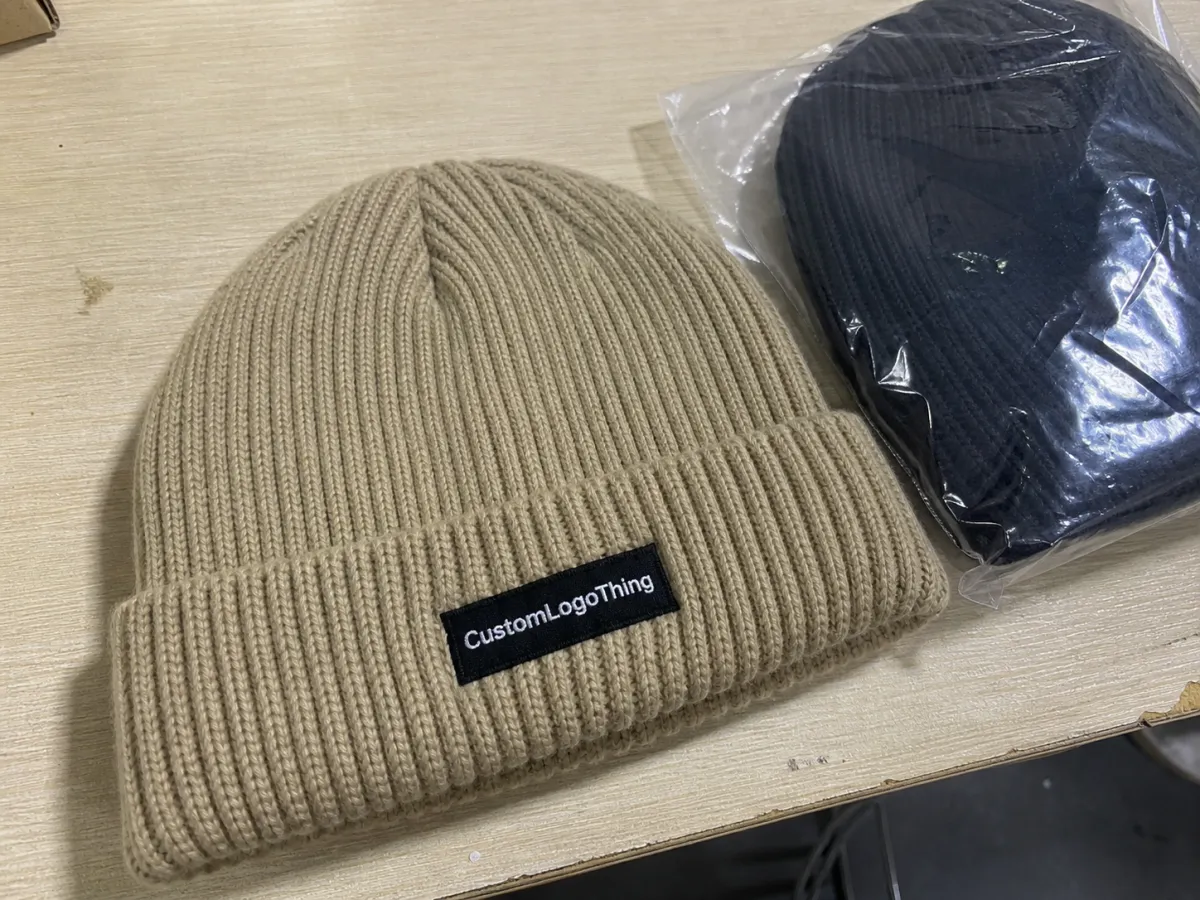
Book ribbed winter beanies Bulk Order Planning should begin with the job the item needs to do. A retailer wants a beanie that photographs well on a shelf and still feels substantial enough to justify a seasonal price point. A school or club often wants a style that can be distributed quickly, with one-size fitting that avoids the sorting headache of mixed sizing. A company gift program usually cares about wearability first, because a beanie that sits in a drawer does not justify the spend.
Ribbed construction answers more of those needs than many buyers expect. The vertical texture gives the hat elasticity, helps it recover after being stretched, and keeps the surface visually clean after handling. A folded cuff adds structure and gives embroidery or a patch a flat zone that behaves better than the crown. In practical terms, that means the logo is easier to place, the fit is more forgiving, and the final product looks intentional instead of improvised.
There is also a logistics advantage. One-size ribbed beanies simplify sorting, boxing, and distribution. A program with 500 pieces can move through fulfillment faster than a similar order that needs multiple head sizes. That matters during the winter season, when warehouse labor is strained and every extra sort cycle has a cost. The simpler the distribution model, the fewer places there are for mistakes to hide.
The knit rarely creates the delay. The delay usually comes from late artwork, uncertain cuff placement, or pack-out details that were never locked before production started.
That is why this kind of order should be treated as a small production project, not a casual purchase. The buyer who locks the spec early usually gets better pricing, a cleaner proof cycle, and fewer compromises later. The buyer who waits for the first cold snap is often forced to choose between a weaker stock option and a freight bill that erases the savings.
For many programs, the right move is to think backward from the in-hands date. If the beanies need to arrive before a holiday event, a retail launch, or a winter trip, count the calendar in reverse and add a buffer for changes. Peak-season knitwear does not reward optimism. It rewards clarity.
What ribbed winter beanies include, from knit structure to decoration
Most Ribbed Winter Beanies share a familiar build: a ribbed body, a folded cuff, a stretch fit, and a soft hand that works for general winter use. That basic formula seems simple, but the details inside it matter. A 1x1 rib behaves differently from a 2x2 rib. A heavier gauge will feel denser and usually hold shape better, while a lighter gauge may feel softer but can look less substantial. Those distinctions are not cosmetic. They affect wear, decoration, and the impression the beanie makes when someone picks it up.
Material choice is one of the first decisions that changes the program. Acrylic remains the most common option because it is price-stable, warm enough for typical winter use, and available in a wide color range. Acrylic blends can improve softness or reduce static. Wool blends can feel more premium, but they usually increase cost and may introduce care considerations that are not ideal for every audience. Recycled-content yarns are increasingly used for brand programs with sustainability goals, although they can require more lead time if the mill’s yarn supply is limited or if the color range is narrower than standard stock yarns.
Decoration needs to suit the knit, not fight it. Flat embroidery performs well on the cuff because it sits on a stable surface and holds detail cleanly. Woven patches, embroidered patches, and faux leather patches are common alternatives, especially when the logo includes fine lines or a small amount of text. Printed decoration is possible in some cases, but knit texture can distort the image if the placement or surface preparation is poor. On a ribbed beanie, the safest strategy is usually to keep the logo compact, centered, and away from the high-stretch zones.
Style options matter more than buyers sometimes expect. Cuff depth changes the decoration area. A slouchier body changes the silhouette and can make the same hat feel more fashion-forward. Pom-poms add personality, but they also change pack-out dimensions and can complicate shelf presentation. Solid yarns are the easiest to match across repeat orders, while heathered yarns can be forgiving if exact color matching is not critical. If the order needs to coordinate with scarves or gloves, that should be specified early because bundling changes both the decoration plan and the packaging count.
Packaging is part of the product, not a separate afterthought. Polybags may be enough for warehouse distribution, but retail and gifting programs often need hang tags, barcode labels, tissue, or a folded presentation inside the carton. If those details are not defined before quoting, the price can look deceptively low. Then the final order arrives with extra setup costs, a longer packing timeline, or a carton spec that does not fit the ship method.
For buyers who need documented paper materials, certification standards can matter. If inserts, swing tags, or carton notes need a paper trail, FSC is a practical reference point for responsibly sourced paper products. It does not solve every sustainability question, but it gives procurement and marketing a shared language. That helps later when the order needs to be reviewed for compliance or brand reporting.
Specifications to confirm before you request a sample or quote
A good quote starts with a good spec sheet. If the request only says “ribbed winter beanies,” the supplier has to guess at too many variables, and every guess risks a revision. The minimum useful details are yarn content, knit gauge, cuff depth, crown shape, finished size, approximate weight per piece, decoration area, packaging format, and destination. Those inputs tell the production team whether the beanie will hold shape, whether the logo can fit cleanly, and whether the final product will feel light, medium, or heavy in hand.
Color deserves more attention than it usually gets. Ribbed texture changes how light falls across the surface, so one yarn can appear slightly darker on the cuff and a touch lighter on the crown. That effect becomes more obvious with deeper colors and softer lighting. If the order has to match brand standards or an existing product line, ask how color is approved, whether a physical sample will be referenced, and whether the run will stay on one dye lot. Splitting production across more than one batch can create a shade shift that is hard to spot in photos but obvious in a carton stack.
Measurement tolerances are another area where buyers should ask direct questions. A beanie that measures correctly flat on a table can still fit differently if the knit is too loose, too dense, or not recovered properly after stretching. Ask how crown height, cuff width, and relaxed length are measured. If the supplier can explain its tolerance range in plain terms, that is usually a better sign than a polished sales pitch with no numbers behind it.
Quality checks should cover more than appearance. Stitch tension needs to be even. The cuff should fold cleanly and stay in place. Embroidery should not pucker the knit or distort the edge of the logo. Patches should be secure at the corners and not peel when handled. If the beanie uses a sewn-in label, the label should sit flat without adding scratchiness where it touches the skin. Those checks sound small, but they separate a beanie that looks good once from one that survives distribution, wear, and reordering.
Pack-out instructions should be confirmed before the sample stage if possible. Some programs need individual polybags. Others want bulk cartons with simple size stickers. Retail-ready orders may need barcodes, carton markings, and folding rules so the shelf presentation stays consistent. If the order will move through parcel networks, carton strength matters too. The outer box needs to protect the soft goods from compression, moisture, and rough handling. For a useful reference point on packaging durability, the ISTA library is worth reviewing when a shipment will travel by parcel or mixed freight.
It is also smart to ask what the sample represents. Some samples are production samples made from the same materials that will be used in the order. Others are preproduction representations with small differences in yarn dye, decoration size, or finishing. That distinction matters. If the sample is not a true production match, the approval should make that clear before the order is released.
Cost, pricing tiers, and MOQ for bulk winter beanies
For book Ribbed Winter Beanies Bulk Order planning, quantity is only one part of the price. Yarn content, decoration method, the number of decoration locations, packaging, and shipping all affect the total. A lower unit price can be misleading if it comes with a high setup fee or a packing requirement that was not included in the first quote. Buyers who compare only factory price often miss the landed cost, which is the number that matters once the cartons are on the floor.
MOQ tends to shift by style. A stock ribbed beanie with simple cuff embroidery may be available at lower minimums, while a custom color run or recycled yarn program can require a higher threshold to justify setup. Patches usually carry different minimums than embroidery because they add components and assembly time. Multi-color orders can also alter the calculation, since the MOQ may apply per color rather than across the total order. That is one of the most common places where a buyer thinks they are ordering enough, only to discover that the quantity is spread too thin across color breaks.
Tiered pricing is worth asking for at three or four quantities. A jump from 250 to 500 units may reduce the per-piece cost enough to justify modest overage. A jump from 1,000 to 2,500 can lower the unit cost even more, but only if the extra inventory has a plausible use. The real question is whether the savings offset storage, distribution, and the chance that leftover stock will sit through the season. Sometimes a smaller run is the more disciplined buy.
| Order profile | Typical MOQ | Indicative unit cost | Best fit |
|---|---|---|---|
| Stock ribbed beanie with cuff embroidery | 100-250 pcs | $4.25-$6.50 | Staff gifts, local events, short-run promotions |
| Ribbed beanie with woven or faux leather patch | 300-500 pcs | $4.75-$7.25 | Retail add-ons, clubs, seasonal branded giveaways |
| Recycled-content yarn with retail packaging | 500+ pcs | $5.25-$8.50 | Programs with sustainability targets or shelf-ready presentation |
| Multiple colors with split pack-out | 500+ pcs total | Varies by color break | Teams, schools, or events needing distribution by group |
Those ranges are directional, not a promise. Freight mode, production region, decoration complexity, and packaging requirements can move them quickly. Air freight can make a small order look expensive in a hurry. Ocean freight is more economical for larger quantities, but it requires a longer runway and less flexibility if the event date moves. If the budget is tight, ask for pricing at several tiers and compare the landed cost, not just the quoted unit.
If you already know your likely order size, the Wholesale Programs page can help organize the request before artwork is sent. That keeps the first quote closer to the actual project, which is usually faster than revising a vague request three times.
Production steps, approval flow, and lead time planning
Production usually follows a predictable path: brief, artwork review, digital proof, sample or preproduction approval, knitting, decoration, inspection, packing, and shipping. The order moves well when each step is approved in sequence. It slows when a logo file changes after the proof has already been issued or when the packaging count is still being debated while production is waiting to start.
Lead time depends on how much customization the order carries. A stock beanie with simple cuff embroidery is usually faster than a custom knit with specialty yarn, multiple color breaks, or a complex patch program. Recycled yarn may add time if the mill has limited availability. Retail folding and tagged pack-out can add time too, because the product is no longer just being made; it is being prepared for a specific distribution format. For peak winter programs, weeks matter more than days.
Late artwork is the most common schedule problem. Slow color approval is a close second. Quantity changes after proofing can push the schedule if materials have already been allocated. Freight delays are often blamed, but the real issue is usually that the timeline was too tight before shipping even started. If the order has a fixed in-hands date, work backward and leave room for at least one revision cycle. That buffer is cheap compared with a rushed replacement shipment.
For larger orders, there is a useful distinction between factory timing and delivery timing. A beanie can be finished on schedule and still arrive late if the freight method was chosen too close to the event. Ocean freight needs patience. Air freight can rescue a late project, but the premium is hard to justify unless the order value is high or the date is immovable. Buyers who understand that split usually make better decisions about when to lock the order and when to spend for speed.
The best proofs are specific. They show the exact logo size, the cuff placement, the thread or patch color, the packaging format, and the carton count. If there are two decoration locations, both should be visible. If the order has multiple colors, the proof should reflect each color break. Ambiguous proofs create expensive assumptions, and seasonal knitwear is not the place to leave those assumptions in play.
How to keep bulk knit orders consistent across every carton
Consistency is what separates a clean bulk run from an order that arrives looking almost right. The first beanie and the last beanie should feel like they came from the same production window. That means controlling knit tension, cuff dimensions, decoration placement, and finishing from the beginning. Ribbed construction hides a lot, but it also exposes small inconsistencies quickly if the run is not managed with care.
Good quality control starts with the yarn and ends with the carton label. Color should be checked against the approved sample or reference, not against memory. If the logo is embroidered, the stitching density needs to be dense enough to read cleanly without puckering the knit. If the logo is a patch, the edge adhesion and corner stability should be checked after handling. The soft goods world is unforgiving in one specific way: anything slightly off may still look acceptable flat on a table, then become obvious once it is stretched on a head.
Carton count accuracy is another practical checkpoint. Buyers who distribute by store, department, school, or event site need cartons that can be sent straight to the right place without opening and recounting every piece. A carton that is short by three units can throw off a department allocation. A carton that is overfilled can create the opposite problem. Both are avoidable if the pack-out instructions are clear and the final count is checked before shipment.
Dimension control matters even for one-size products. Ribbed knit can relax over time, so finished measurements should be reviewed after decoration and after packing. A beanie that looks tight coming off the machine may open up after handling; a beanie that seems loose may recover better than expected. That is why practical QC is not just visual. It measures the piece, checks the stretch, and confirms that the decoration still sits where it should after the knit is flexed.
Reorders are easier when the first run is documented well. Keep the approved color, decoration size, and packing method on file. If the same program needs a second drop, that documentation prevents a repeat order from turning into a fresh sourcing exercise. The closer the second run stays to the first, the less chance there is of tiny differences in color, finish, or placement.
For buyers with sustainability targets, documentation can extend beyond the hat itself. Tags, inserts, and shipper notes may need sourcing records that procurement can audit later. The paperwork is not glamorous, but it reduces confusion when brand, compliance, and operations all ask about the same order from different angles. That kind of recordkeeping also makes it easier to compare suppliers on something more useful than a single price line.
Next steps to lock your order and avoid last-minute changes
Start with a one-page intake sheet: target quantity by color, decoration location, delivery destination, in-hands date, and packaging requirements. That is enough structure to keep the order grounded without turning it into a long spec document no one reads. If the request is being routed internally, it also gives purchasing, marketing, and operations the same version of the plan.
Gather the artwork file, preferred logo size, and budget range before asking for a quote. A vector file and a clear placement note will usually produce a much better first estimate than a loose image and a sentence that says “make it pop.” The more concrete the request, the less likely the quote will need to be reworked. In seasonal knitwear, every revision costs time.
After the proof arrives, confirm three things immediately: the approval deadline, the production start date, and the shipment method. Those dates need to agree with each other. If the order is going to multiple destinations, spell out the carton counts and ship-to information before production starts, not after. Split delivery is manageable; vague split delivery is what causes problems.
Before sign-off, review overage allowance and spare inventory needs. A small overage can cover a damaged carton, a receiving error, or a late request for a few additional pieces. That cushion is usually cheaper than a second production run. It also keeps the order from being derailed by a minor mismatch that could have been solved early.
The pattern is straightforward: define the use case, lock the spec, confirm the proof, and leave enough time for production and freight to behave realistically. That is the difference between a winter order that lands cleanly and one that spends its last week being tracked, rerouted, and explained. If you need a quick reference for minimums, timing, or decoration questions while the order is still in motion, the FAQ is the most efficient place to sanity-check the details.
How far ahead should I book ribbed winter beanies for a bulk order?
Start earlier than you think you need to, especially if the order needs embroidery, custom packaging, or freight across a long distance. Seasonal knitwear tends to slow down once winter demand rises, so the safest approach is to finalize the spec before the calendar gets crowded with competing orders.
What MOQ should I expect for a ribbed winter beanie bulk order?
The minimum usually depends on whether the beanie is stock, custom knit, or decorated with embroidery or a patch. If you need multiple colors, ask whether the MOQ applies per color or to the full order, because that changes the quantity plan quickly.
Which decoration method works best on ribbed knit beanies?
Flat embroidery and woven or embroidered patches usually perform best because they sit cleanly on the cuff and hold up well on textured knit. Large prints can be less predictable on ribbed fabric, so the placement and size should be reviewed carefully before the order is approved.
Can I mix colors and sizes in one bulk winter beanie order?
Most ribbed winter beanies are one-size, which makes mixed sizing unnecessary for many programs. Color mixing is usually possible, but the minimum may be calculated by color or style, so confirm the structure before you plan the assortment.
What do I need before I request a quote for ribbed winter beanies?
Have your quantity range, color target, decoration method, logo file, packaging needs, and delivery deadline ready. The more complete the request, the more accurate the quote will be, and the less likely the order is to slip during revisions.


