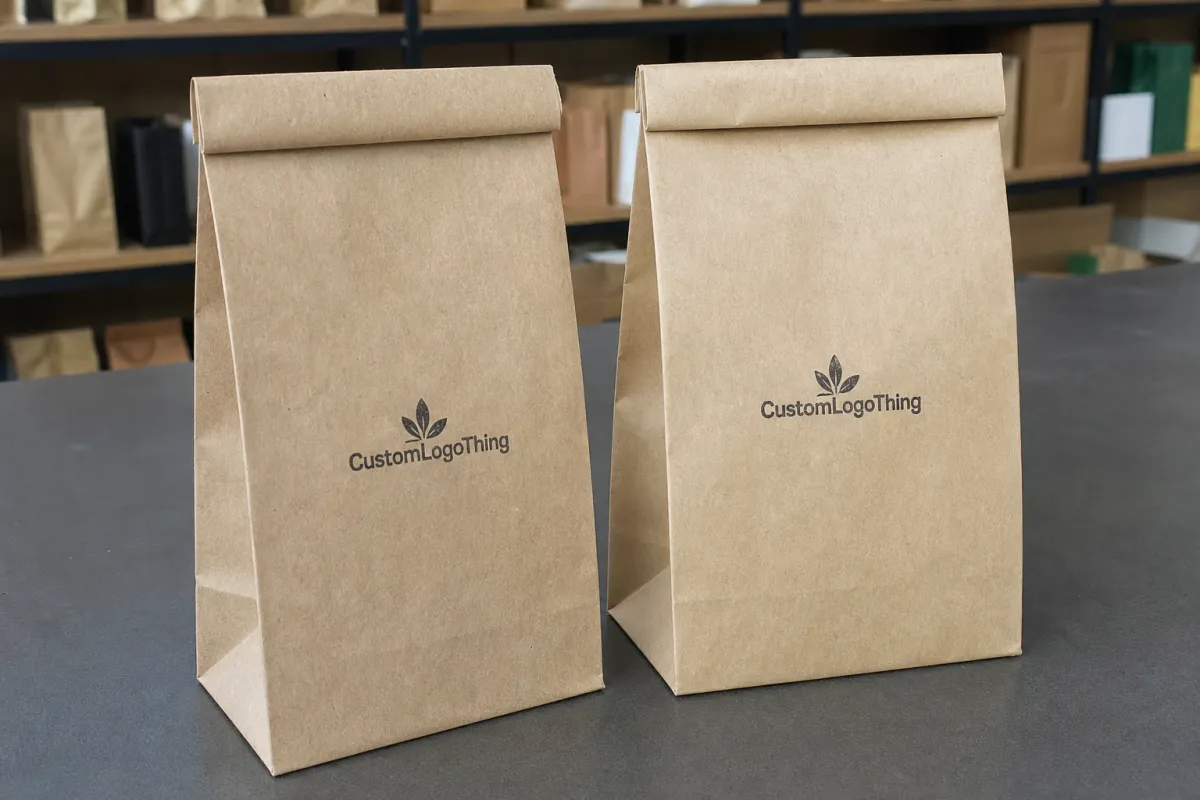
Home fragrance products are judged before they are opened, and that makes home fragrance Void Fill Paper MOQ a buying decision with visible consequences. A candle jar that rattles in transit does not just risk breakage; it tells the customer the pack-out was not thought through, that the outer carton was carrying empty space instead of support, and that the brand accepted a weak first impression. The right filler changes those first few seconds of the customer experience while also lowering damage, reducing plastic, and tightening landed cost.
That is why buyers looking at home fragrance Void Fill Paper MOQ should treat the quote as more than a minimum order threshold. It is a control point. The MOQ affects how much you spend on setup, whether you can test a new fragrance set without tying up cash in inventory, and how quickly you can standardize a safer box design across candles, diffusers, room sprays, and gift sets. The number on the quote can influence both presentation and profit, especially when a product range is still changing and the team has not locked a permanent pack-out.
Think about the common failure mode. A candle jar ships in a carton with too much empty space. It arrives with a faint crack, a loose lid, or a box that sounds like a rattle when it is picked up. The product may still be technically intact, but the customer feels the risk immediately. home fragrance Void Fill Paper MOQ matters because it helps buyers move from generic packing material to a structured, intentional unboxing that looks closer to retail than warehouse filler. That shift matters in fragrance, where the packaging is part of the gift and part of the promise.
From a packaging buyer's point of view, paper void fill also answers another problem: how to reduce bubble wrap, foam peanuts, and loose plastic without making the shipment look underfilled. Paper can do that job well when the spec is matched to the product. For fragrance kits, the goal is not only protection. It is centered presentation, reduced movement, cleaner disposal, and a more credible sustainability story that can be explained to customers without sounding strained.
"If the filler moves, the product feels cheap. If the filler holds, the shipment feels intentional."
Why home fragrance void fill paper MOQ matters for unboxing
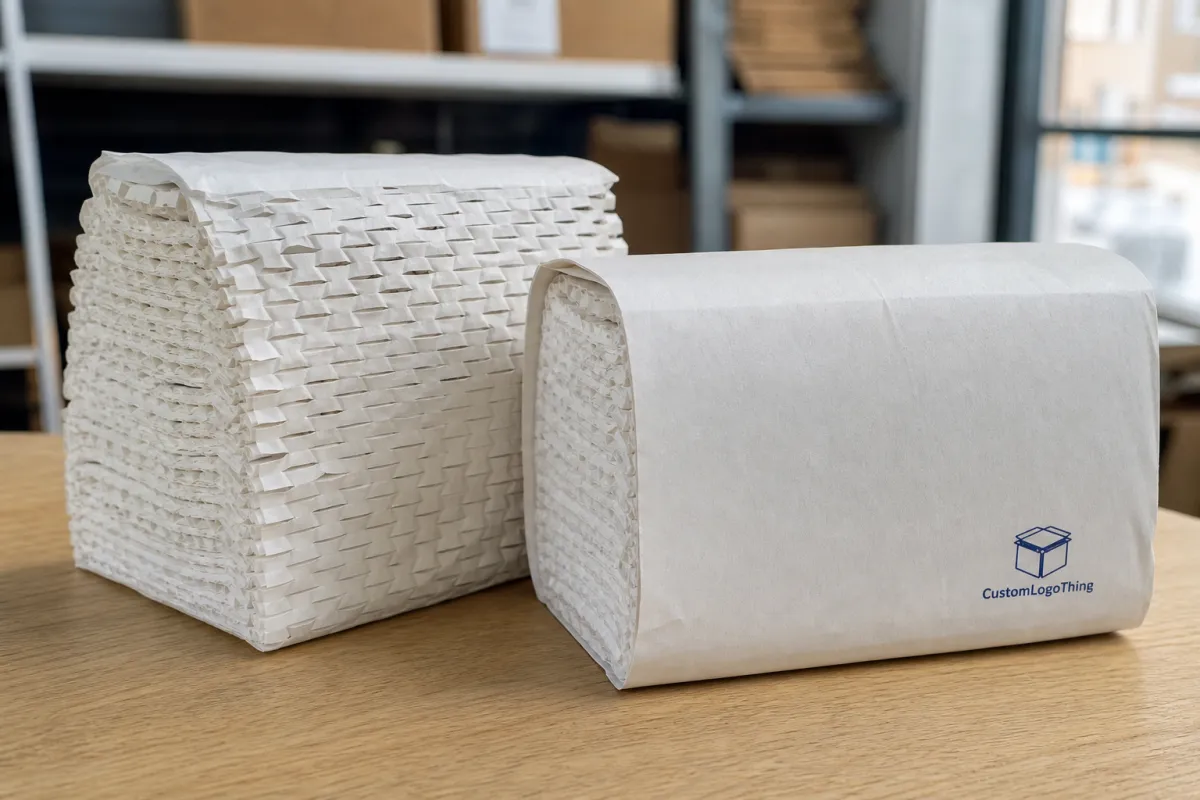
home fragrance Void Fill Paper MOQ matters because home fragrance is a category where perceived value can disappear in transit. A candle, diffuser, or wax melt set may be small, but it often sits in a glass vessel, a coated carton, or a branded gift box that the customer expects to feel premium. The filler becomes part of the display. If it is too sparse, the box looks incomplete. If it is too bulky, the opening feels messy. If it sheds too much dust, the brand looks careless. That balance is easy to miss from a spec sheet and obvious the moment the box is opened.
In practice, the best filler spec does three things at once. It immobilizes the product. It absorbs shock from drops and vibration. It makes the carton feel curated rather than improvised. That matters more for fragrance than for many other ecommerce items because fragrance is often bought as a gift. People judge the outside before they ever smell the product, and the packaging has to carry some of the emotional weight of the purchase.
Many teams underrate the damage cost of a small amount of movement. One cracked jar in a 500-unit run can erase the savings from a cheaper filler line. Add replacement freight, customer support time, and the chance of a negative review, and the cheaper option stops looking cheap. home fragrance void fill paper MOQ is where that math begins to get interesting, because it lets a buyer compare protection, presentation, and inventory exposure in one decision instead of treating them as separate issues.
Paper also supports a cleaner sustainability story than many legacy packing materials. Bubble wrap still has a place in some fragile shipments, but it is harder to position alongside paper-based cartons, recycled inserts, and fiber-forward branding. Loose kraft paper, shredded paper, and crinkle paper can be configured to fit that story more naturally. When a brand wants a plastic-free shipper, home fragrance void fill paper MOQ is often the first procurement conversation that determines whether the project is viable at scale or remains a nice idea that never quite reaches production.
From a commercial standpoint, the interest is simple: lower damage, fewer returns, better perceived value, and manageable unit cost. That is a practical combination. It is also the reason a good quote should not only state a minimum. It should show what happens to bulk Pricing, Lead Time, and pack-out performance as you move from a test order to a replenishment order, since those are the parts that decide whether a launch stays healthy after the first shipment goes out.
I have seen teams obsess over a few cents on the filler and then pay for it twice in claims and reships. That is the part nobody likes talking about, but it is real. Once a broken candle or a scuffed diffuser shows up in a customer photo, the savings get kinda hard to defend.
- Protects glass: reduces movement around jars, droppers, lids, and inserts.
- Improves presentation: helps the box feel full, centered, and deliberate.
- Supports sustainability claims: can be specified with recycled fiber or FSC-aligned sourcing where applicable.
- Stabilizes landed cost: reduces breakage-related write-offs and re-shipments.
Product details: what home fragrance void fill paper is designed to do
home fragrance void fill paper MOQ is easier to evaluate once the product itself is defined. Paper void fill is built to immobilize items inside a carton, absorb shipping shock, and reduce empty space around irregular shapes. For home fragrance, that means a protective cushion around glass vessels, metal lids, pipettes, droppers, reed sticks, sample vials, and other mixed components that do not stack neatly on their own. The filler is doing more than filling space; it is helping the whole shipment behave like a single stable unit.
The main formats buyers compare are crinkle paper, shredded paper, and die-cut paper fill. Crinkle paper gives more volume and a tidy visual finish. Shredded paper is softer and often easier to source at lower entry quantities. Die-cut paper fill can create a more uniform presentation and is sometimes chosen when the brand wants the filler to look highly controlled rather than casual. The best choice depends on box size, item weight, and how much of the interior the filler needs to occupy. A light gift set and a heavy glass assortment do not ask for the same thing.
For candles, reed diffusers, room sprays, and wax melts, the product mix matters as much as the carton size. A tall candle jar may need edge support. A diffuser set may need movement control around slender glass bottles and stems. A wax melt gift pack may be light enough that presentation matters more than impact resistance, while a heavy gift set with multiple glass pieces needs both. That is why home fragrance void fill paper MOQ should be connected to the exact SKU mix, not just a generic box dimension that ignores the way the contents actually move during transit.
Sustainability details matter to procurement teams, too. Recycled content options are common in paper fillers, but the claim should match the actual spec and paperwork. If the brand wants to communicate plastic-free packaging, ask whether the filler, carton, tape, and labels all support that message. If FSC language is part of the brief, check chain-of-custody documentation. For more on forest certification, the FSC program provides a useful reference point and a clear way to align material claims with the way the product is sourced.
There is also a presentation angle that gets overlooked. The filler should hide empty space without making the package look stuffed to the point of waste. A good unboxing creates a small pause: the customer opens the box, sees the product centered, and reads the package as intentional. That is where home fragrance void fill paper MOQ creates value beyond the material itself, because the filler supports the overall sense of order that premium fragrance buyers expect.
One more practical point: paper fillers are not all equally clean. Some products generate more dust, some compress too much, and some rebound better after transit. If the filler clings to printed cartons or leaves residue on matte finishes, it can undermine the premium effect you were trying to create. Ask for samples that reflect the actual supply chain conditions, not just a neat mock-up on a desk. Real cartons, real handling, and a real drop path tell a more honest story than a perfect sample ever will.
Home fragrance void fill paper MOQ: specifications buyers should confirm
Before you compare quotes, confirm the specs that actually affect performance. home fragrance void fill paper MOQ becomes meaningful only when the paper grade, cut style, compression level, and fill volume are tied to a real pack-out. If those details are vague, the supplier may quote a number that looks attractive but does not hold up in production. A low price can hide the fact that the filler collapses, sheds, or simply does not hold the contents in place once the carton is moving through a carrier network.
The first spec is paper basis weight. Heavier paper usually adds structure and a better visual finish, but it can also affect fill density and shipping weight. The second is cut style. Crinkle, shred, and die-cut all behave differently in the carton. The third is compression. If the paper collapses too easily, it will not hold the product centered after vibration. The fourth is dust resistance, which matters more than many brands expect when the shipper includes dark printed cartons or matte surfaces. Those details sound small until a customer opens the box and notices the residue before they notice the product.
Color should be confirmed early as well. Natural kraft often fits the cleanest sustainability narrative and usually has the most flexible MOQ. White creates a brighter, more gift-like presentation, but it can show dust more easily and may change pricing. Custom-printed filler is useful for premium campaigns, although it can add setup charges and sometimes tooling fees if the design requires special cutting or finishing. For a buyer managing home fragrance void fill paper MOQ, those details can change both the first order and the replenishment plan, especially when finance is trying to forecast cash flow around a launch.
It is worth testing the fill around the exact item set, including odd shapes. Candle jars with metal lids, diffuser bottles with droppers, and accessory cards do not behave like uniform cartons. Ask whether the paper can hold shape around the sides and base without crushing secondary packaging. If the carton is too large for the product, the filler must do more work. If the carton is too tight, the filler is kinda doing the wrong job and only creating friction, not real protection. A good sample should show you where the margin is, not only where the pretty part begins.
Supplier documentation should also cover fiber source, recycled content, and any coating or ink restrictions. If the brand is making a sustainability claim, the paper spec should match the marketing language. That is where a packaging partner becomes useful: not by selling the most expensive option, but by preventing the mismatch between a claim and the actual material. Buyers should also ask for photo evidence or sample packs showing how the filler behaves after stacking, vibration, and repeated handling. A spec that looks polished in the office may look completely different after a week in distribution.
One detail I always ask for on a first run is a real pack-out photo from the supplier or their sample room. Not a perfect studio shot, just the honest version with the actual jar height, label finish, and carton depth. That catches more issues than a stack of numbers ever will.
- Basis weight: confirm the paper grammage or equivalent weight range.
- Cut style: crinkle, shred, or die-cut should match the product and presentation target.
- Compression: the filler should rebound enough to hold the product in place.
- Dust and residue: review against dark cartons, labels, and matte finishes.
- Color and print: decide early because they can affect MOQ, lead time, and unit cost.
- Fiber claim: recycled content or FSC-aligned sourcing should be verified in writing where relevant.
If a team wants stronger shipping confidence, it should also benchmark the design against parcel-test expectations such as ISTA methods. The ISTA site is a sensible place to check the current framework before approving a structure that looks good but has not been validated for drops and vibration.
| Option | Typical MOQ | Indicative cost per piece | Tooling fees / setup charges | Best fit |
|---|---|---|---|---|
| Natural kraft shred or crinkle | Often 500-1,500 cartons or equivalent weight | $0.04-$0.09 | Usually none | Starter fragrance kits, recycled look, lower entry cost |
| White crinkle paper | Often 1,000-2,500 cartons or equivalent weight | $0.05-$0.11 | Usually none, unless custom packed | Premium unboxing, brighter presentation, gift sets |
| Custom die-cut paper fill | Often 3,000-10,000 units depending on spec | $0.08-$0.18 | Can include tooling fees and setup charges | Branded programs, tighter visual control, multi-SKU kits |
Home fragrance void fill paper MOQ: pricing, MOQ, and unit cost
home fragrance void fill paper MOQ pricing is shaped by a small number of variables, and buyers should ask for them explicitly. Paper grade, cut style, color, print complexity, packing format, and order volume all move the number. If the quote is vague, the buyer is usually the one paying for the ambiguity later. Clear terms matter here because packaging costs often get scattered across procurement, operations, and finance until nobody can see the whole picture.
The biggest cost driver is often standardization. A single filler spec used across multiple fragrance SKUs can lower total unit cost more effectively than negotiating a tiny discount on one custom run. That is because the supplier can plan production efficiently, the warehouse can store fewer variants, and the procurement team can order in larger lots. In short, home fragrance void fill paper MOQ is not just a threshold; it is a lever for bulk pricing and inventory simplicity.
For apples-to-apples comparison, ask suppliers to quote in the same unit. Some will quote per carton of filler, some per kilogram, and some per filled shipment estimate. If you compare those numbers without normalizing them, the cheapest-looking option may not be the lowest cost per piece in actual use. It can also help to ask for pricing at two or three volumes so the tradeoff between first order size and replenishment savings is visible. A quote that looks strong at 10,000 units may still be the wrong answer if the business only needs 1,000 units to prove the concept.
The hidden expense is breakage. A small improvement in product protection can outweigh a moderate increase in filler spend. That is especially true in fragrance, where the underlying items are fragile and the customer expectation is premium. A slightly higher quote can still be the better commercial choice if it reduces returns, reprints, and the support burden created by damaged shipments. When buyers evaluate home fragrance void fill paper MOQ, that broader cost picture matters more than the lowest line item on the page.
There is also a storage question. Lower MOQ can be helpful when a launch is uncertain, but a tiny order that forces repeated reordering can end up costing more in freight and admin time. Larger MOQ can lower unit cost, but only if storage space and forecast accuracy support it. The practical answer is usually a tiered quote: one entry-level MOQ for testing, another for a steady replenishment plan, and a third for bulk pricing if the item becomes part of the permanent range. That structure gives buyers room to move without committing to a single number that may not match the business a few months later.
Below is a simple way buyers often compare quotes. The actual numbers will vary by format, color, and print coverage, but the structure is useful.
- Entry test order: enough volume to validate pack-out and unboxing without overcommitting cash.
- Steady replenishment order: the quantity that balances unit cost and storage space.
- Annual buy: the largest order that still fits forecast confidence, shelf space, and launch cadence.
If the spec includes special print or custom cutting, ask whether setup charges are one-time or recurring. That matters for the first purchase and for any artwork refresh. Some buyers focus only on the MOQ and miss the tooling fees, which makes the first invoice look very different from the second. home fragrance void fill paper MOQ is the starting point, but the full landed cost should include those hidden lines, plus any freight or pack-out labor that changes when the design shifts.
One practical rule helps here: compare the total cost to protect one filled carton, not just the cost of the filler material. If the packaging protects a $24 candle set with fewer claims and better presentation, the filler can justify a slightly higher cost per piece. If the box is inexpensive and replaceable, the buyer may reasonably lean toward a simpler spec. The right answer depends on the product value, claim rate, and the margin structure of the line, which is why the commercial team and the packaging team need to look at the same numbers.
Process, production steps, and lead time for home fragrance void fill paper
The buying process is straightforward when the input data is clear. For home fragrance void fill paper MOQ projects, a supplier usually needs product dimensions, carton dimensions, the number of pieces per shipper, the fill style, any color or print requirements, and the target launch date. Without those details, the quote is just a placeholder. With them, the supplier can estimate the volume more accurately and tell you whether the plan is realistic before the order is locked.
A clean workflow usually looks like this: share the spec sheet, confirm the fill style, review artwork or color, approve samples, then move into production. The step that slows many projects is the sample stage. Buyers often underestimate how much room the filler needs to occupy, especially when the products are a mixed set rather than a single SKU. A diffuser bottle, a candle jar, and a folded card do not consume the same void volume. home fragrance void fill paper MOQ should be tested against the real assortment, not a simplified version of it, because the carton has to work with the actual shipment, not an idealized version of it.
Lead time depends on three separate pieces: sample turnaround, production setup, and freight. Standard natural kraft or white paper usually moves faster than custom dyed or printed material. A simple run may be ready in roughly 10-15 business days after approval, while more customized work can stretch longer if artwork changes or material sourcing adds a step. The buyer should ask the supplier to separate those stages so the calendar is easy to read and the launch date is not being guessed at from memory.
If the project includes custom die-cut shapes, ask about tooling fees and whether the setup charge is tied to a single artwork version. That matters because a late change can turn a controlled project into a rework cycle. It is also why a clear pack-out drawing is worth more than a loose email with approximate dimensions. For home fragrance void fill paper MOQ, precision upfront saves both time and money later, and it keeps the launch from being delayed by details that should have been settled before sampling began.
Here is the checklist that prevents the most common delays:
- Inner carton dimensions and acceptable fill depth.
- Exact product mix, including jars, caps, droppers, or insert cards.
- Target presentation level: rustic, premium, minimal, or gift-focused.
- Weight limit for the outer carton and shipping method.
- Recycled content, FSC, or ink restrictions that affect material choice.
- Artwork files and color references if custom print is required.
- Forecast volume so the MOQ and reorder plan can be quoted realistically.
Once those details are in place, the production handoff becomes much cleaner. The supplier can estimate fill volume, confirm how much material is required per carton, and give a more trustworthy answer on unit cost. That is the difference between a quote that gets filed away and one that actually supports a launch. The goal is not speed for its own sake. The goal is a shipment that protects the product and looks right the first time, then stays consistent when the second and third orders come through.
For buyers who want to check lead time assumptions against broader packaging guidance, the EPA has useful material on waste reduction and packaging considerations. It is not a substitute for a supplier quote, but it helps frame the sustainability part of the discussion in a more grounded way.
Why choose us for home fragrance void fill paper MOQ projects
Category experience matters. Home fragrance packaging is more sensitive than generic ecommerce shipping because the buyer is not only paying for protection. They are paying for scent, presentation, and the feeling of a gift that arrived intact. That is why home fragrance void fill paper MOQ projects benefit from a packaging partner that understands both the mechanical side of the carton and the visual side of the reveal. The materials have to hold the product, and they have to look like they belong to the brand.
In our quoting work, the most useful step is usually translating the product brief into a workable spec. That means clarifying fill volume, recommending a cut style, and matching the material to the box rather than forcing the box to fit the material. It also means being honest about tradeoffs. A lower MOQ is useful for testing, but a slightly higher MOQ may reduce unit cost enough to support a stronger margin on the line. A higher-tier quote may also cut freight and storage waste over time, especially once the item moves from launch mode into a regular replenishment rhythm.
Repeatable quality matters as much as initial price. If the filler density changes from one batch to the next, the customer experience changes too. A supplier should be able to control color, compression, and fill consistency so each order feels the same. That discipline matters when a brand launches multiple scents at once, or when a retail program needs the packaging to look consistent across seasonal collections. home fragrance void fill paper MOQ is where that consistency starts, because the filler is one of the first things a customer sees and one of the last things the warehouse notices before the carton closes.
A good partner should also help reduce the risk of vague sustainability language. Brands often want to say they use recycled or plastic-free materials, but the real question is whether the full system supports that claim. The filler, carton, tape, and label need to work together. When they do, the story is credible. When they do not, the packaging reads as marketing first and procurement second. That is why a supplier should be willing to explain the material spec in plain terms and connect the material choice to the shipping outcome instead of treating them as separate conversations.
Compared with commodity sources, a focused packaging partner usually gives more useful feedback on technical details. That can include whether a project will need setup charges, whether tooling fees are avoidable, and how much bulk pricing improves if the team standardizes across several SKUs. For buyers who need a fast answer, the most useful packaging partner is not the one that says yes to everything. It is the one that says which version will actually survive shipping, support the unboxing, and protect the margin. That kind of answer is more practical, and it usually saves time later.
Home fragrance jobs also have a habit of exposing small spec mistakes. A lid that rattles, a fragrance bottle that shifts a few millimeters, a label that scuffs against shredded paper — those are little things on paper, but they show up immediately once the order starts moving. Good guidance there is worth more than a slick quote.
Packaging buyers rarely regret paying for the right filler. They regret paying twice for the wrong one.
If you need quick answers on common order questions, the packaging FAQ is a practical place to start before you request a full quote. For a broader view of the buying process, that can save back-and-forth and help your team send cleaner spec data the first time.
Next steps to lock in your home fragrance void fill paper MOQ
The fastest way to get a useful quote is to send a complete spec pack. For home fragrance void fill paper MOQ, that should include product dimensions, carton dimensions, product count per shipper, target fill volume, color preference, print needs, recycled-content requirements, and your annual forecast. If the supplier receives that information in one pass, the quote is more likely to hold through sampling and production. The more exact the brief, the less time everyone spends correcting assumptions later.
Ask for two samples if your line has more than one risk profile. One sample should match the highest-risk SKU, usually the heaviest glass item or the shipment with the most breakage potential. The other should match the most giftable SKU, where presentation matters as much as protection. The best filler is not always the same for both. That is a common mistake and an expensive one, because one material can look strong on the shelf while another survives transit far better.
Then compare the quotes on the right terms: breakage risk, storage footprint, unit cost, and reorder flexibility. Do not choose a filler line only because the first number is lower. A slightly stronger spec can produce better results if it reduces claims and keeps the box looking premium. home fragrance void fill paper MOQ should be selected like any other packaging component: by fit, performance, and repeat order logic, not by price alone. The best choice is usually the one that causes the fewest arguments later, not the one that wins the first spreadsheet column.
Here is a simple action plan:
- Send the spec sheet with carton dimensions and product photos.
- Request tiered pricing so you can see the MOQ tradeoff clearly.
- Review samples for movement, presentation, and dust level.
- Confirm any setup charges or tooling fees before approval.
- Approve the version that balances protection, presentation, and cost per piece.
For a fragrance line, home fragrance void fill paper MOQ should be judged on fit, performance, and reorder ease, not just the first number on the quote. Send the carton dimensions, the SKU mix, and your launch volume, and the right home fragrance void fill paper MOQ will usually reveal itself as the option that protects glass, improves the unboxing, and keeps unit cost under control.
The practical takeaway is simple: if the carton is already designed, test the filler against the heaviest SKU, the prettiest SKU, and the worst-case carrier route before you place the order. That one pass answers more than a spreadsheet ever will.
What is the typical MOQ for home fragrance void fill paper?
MOQ usually depends on paper grade, cut style, print requirements, and whether the order is standard or custom. Buyers can often reduce MOQ pressure by choosing a standard color or format first, then scaling into custom versions later. Ask for tiered pricing so you can compare entry-level quantities against lower unit cost at higher volumes.
Can home fragrance void fill paper work for glass candle and diffuser kits?
Yes, if the fill volume and compression level are matched to the carton and product weight. It works best when the paper is tested around the exact SKU mix, including jars, caps, droppers, and gift cards. Request a sample pack so you can check movement, presentation, and recovery after transit.
How long does custom home fragrance void fill paper take to produce?
Lead time depends on sampling, approval speed, material availability, and print complexity. Standard materials move faster than custom colors or highly branded print runs. Build in time for sample review before production so the first shipment does not turn into a rework cycle.
Is recycled content available for home fragrance void fill paper?
Often yes, but recycled-content claims should be confirmed against the exact material spec and supplier documentation. If sustainability messaging matters, ask for fiber source details and any restrictions on inks or coatings. Choose the version that aligns with both brand claims and the shipping performance your product needs.
What do you need to quote home fragrance void fill paper MOQ accurately?
Provide carton dimensions, product count per shipper, target fill volume, color preference, and any print or branding requirements. Share your forecast volume and preferred launch timing so the quote reflects realistic MOQ and lead time options. The more precise the pack-out data, the faster the supplier can give a quote that holds up in production.