Tea Brand Void Fill Paper Sample Approval for Cartons
Tea brand Void Fill Paper sample approval sounds like a tiny procurement checkbox until a carton arrives crushed, rattling, or floating loose inside a shipper that was supposed to feel deliberate. Packaging gets blamed fast. The customer does not split the tea from the box in those first few seconds. The fill looks careless, the carton feels light in the wrong way, and the brand loses brand recognition before anyone opens the pouch. That is not the filler failing as decoration. That is the product introducing itself badly.
From a buyer’s side, tea brand Void Fill Paper sample approval is the checkpoint that proves fit, feel, protection, and the sustainability story before anyone commits to a full run. It also catches bad assumptions while they are still cheap to fix. A sample that misses the brief can be corrected in a day. A bad production lot can eat through cartons, labor, and freight like a quiet fire. I have seen teams lose more money in rework than they saved by rushing the approval by 48 hours. That is a painful trade.
This article stays practical: what to check, what it costs, how long it takes, and how to avoid the revision loop that makes everyone in the room look tired. It is a packaging decision, but it behaves a lot like a quality-control decision. If the sample is right, the rest of the launch stops feeling like guesswork.
Why tea brand void fill paper sample approval catches mistakes early
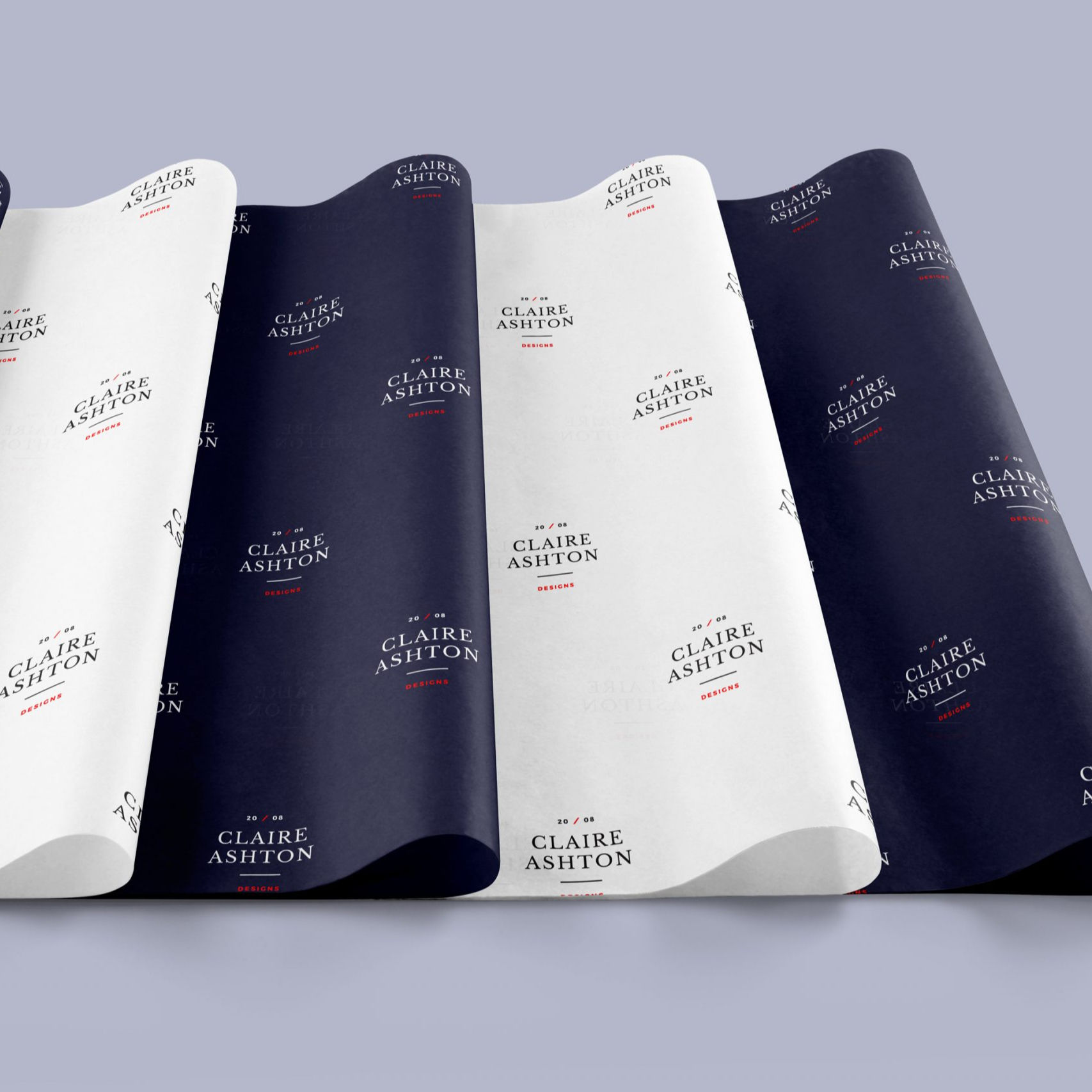
Void fill sounds simple. Paper in a carton. Done. Then the tea box shows up with a dented corner, the insert shifts on one side, or the fill sounds hollow every time someone lifts it. Tea Brand Void Fill Paper sample approval catches those problems before they become a pallet problem. That matters. A small delay during sampling usually costs less than fixing an entire production run once cartons, labor, and freight are already committed.
Tea packaging has to do two jobs at once. It protects a product that is light but often delicate, and it has to look deliberate. If the visible paper is part of the presentation, it becomes part of the visual branding. A rough cut or the wrong paper shade can drag down customer perception even when the tea itself is excellent. Buyers underestimate that all the time. Consumers usually do not.
Tea brand void fill paper sample approval is less about “does this paper technically work?” and more about “does this paper support the story the pack is supposed to tell?” A matte kraft filler can reinforce an earthy, natural position. A clean recycled white sheet can fit a sharper, more restrained shelf look. The difference sounds cosmetic until you see how it affects brand consistency across cartons, mailers, and retail displays. If the filler looks off, the whole pack starts to feel improvised.
There is also a mechanical side people skip over. Paper density, fold memory, and spring-back change how the carton feels in the hand. In a sample review I did last year, a 2 mm mismatch at the edges turned into nearly 8 mm of lateral shift once the packed carton sat for a day. That is not a design flourish; that is physics being kinda rude. If the void fill compresses unevenly, the product migrates. If it migrates, the box starts failing the moment it enters transit.
The blunt version: a delay in sample approval is annoying. A rejected production lot is expensive. Add rush freight, rework, and the labor needed to unpack and repack tea cartons, and the original sample charge suddenly looks tiny. Tea brand void fill paper sample approval deserves real attention, not a quick “looks fine” in a meeting that nobody records.
A clean sample cycle is boring. That is the goal. Boring is cheaper than rework.
For teams that want a wider packaging view, our Case Studies page shows how small sampling choices prevent larger downstream problems. Tea brand void fill paper sample approval works the same way: fix the small thing before it turns into a larger invoice.
How tea brand void fill paper sample approval works
The usual flow is straightforward, which is exactly why people rush through it and miss something obvious. Tea brand void fill paper sample approval usually starts with a spec request: carton dimensions, product weight, void volume, shipping method, and any sustainability requirement. The supplier builds a sample, ships it, and the tea brand tests it in the actual pack-out. Then comes the approval, the revision, or the awkward note that the sample missed the brief.
The sample should be judged in the real carton with the real tea product. Not an empty box on a desk. Not a mock-up that only works if everyone squints. Real cartons behave differently once weight is inside them, especially if the tea ships in multiple units, a rigid tin, or a pouch that moves. Tea brand void fill paper sample approval only means something if the paper deals with the same geometry, friction, and closure method the final package will use.
During sampling, look at more than appearance. Paper weight, caliper, fold memory, recycled content, dust, fiber shedding, and compression recovery all matter. A sheet that looks beautiful but sheds dust on a dark printed box can spoil the presentation. A soft fill that collapses too easily can fail to hold the tea item in place. Tea brand void fill paper sample approval should catch both failures before they turn into routine complaints on the packing line.
Shipping abuse checks matter too. For e-commerce tea packs, I would rather see a basic drop test and shake test during sample approval than rely on hope and a polished email thread. If the product ships through parcel networks, a simple benchmark against ISTA testing methods is useful even without a full certification program. Tea brand void fill paper sample approval is not a lab report, but it should borrow the logic of one: prove the pack survives movement, pressure, and ordinary handling.
One more thing: this step often reveals whether the supplier actually absorbed the carton size, product weight, and fill volume. The mistake is easy to spot. If the first sample is too tight to pack or so loose it swims around, the measurements never landed. When that happens, you are not looking at a paper problem first. You are looking at a brief problem. Tea brand void fill paper sample approval saves money because it exposes that gap before the wrong spec gets repeated 20,000 times.
Tea brand void fill paper sample approval: cost, pricing, and unit cost
Pricing is where buyers trip over their own assumptions. They compare a sample charge to a production unit cost and act surprised that the numbers do not match. They are not supposed to match. Tea brand void fill paper sample approval has three different cost buckets: the sample charge, any setup or tooling charge, and the eventual unit cost in production.
For a simple off-the-shelf paper void fill sample, a supplier might charge little or nothing beyond freight. For custom-cut or branded paper fill, the sample charge often lands around $25-$125 depending on material, converting, and shipping method. Setup charges vary more widely. If a custom die or cutter setting is needed, that can add $75-$300 for small orders, sometimes more if the spec is unusual. The actual production cost often lands in the $0.03-$0.18 per unit range for standard void fill applications, though that range stretches with paper grade, coverage, and order size. Tea brand void fill paper sample approval should be priced with those buckets separated, not blurred together.
MOQ changes the equation. A supplier may quote a very low sample price but only if the order reaches a minimum quantity, such as 1,000, 3,000, or 5,000 cartons’ worth of fill. Once a custom die or specific recycled sheet enters the picture, the per-unit price drops only after the run is large enough to absorb setup. That is normal. What is not normal is comparing a tiny sample order to a production quote without factoring in labor and conversion. Tea brand void fill paper sample approval makes those hidden assumptions visible.
Indirect costs rarely show up in the first quote. Extra revision rounds cost time. Rush freight costs money. A packaging line that slows down because the fill is awkward costs labor. If a rejected sample leads to a carton redesign, that can trigger changes beyond the void fill itself. Tea brand void fill paper sample approval is cheap insurance compared with reprinting cartons or retraining packers after launch.
Here is a simple comparison that helps buyers ask better questions:
| Option | Typical sample charge | Setup impact | Approx. unit cost | Best for |
|---|---|---|---|---|
| Off-the-shelf kraft void fill | $0-$35 | Usually none | $0.03-$0.08 | Fast sampling, basic protection |
| Custom-cut recycled paper fill | $25-$125 | $75-$300 | $0.06-$0.14 | Better fit, consistent presentation |
| Higher-spec branded paper fill | $50-$150 | $150-$500 | $0.10-$0.18+ | Premium visual branding, retail gifting |
If sustainability claims are part of the brief, make sure the paper grade and sourcing claim line up with what your brand can legally say. The FSC chain-of-custody framework is one example of how sourcing claims get substantiated. Tea brand void fill paper sample approval should never drift into “we think it is recycled” territory. That is not a claim. That is a liability with a nice font.
For buyers who want a lighter touch, our Case Studies can help frame what a reasonable price point looks like across different packaging structures. Tea brand void fill paper sample approval tends to be cheap when the spec is clear and expensive when the spec is fuzzy. The paper never lies. The brief does.
Tea brand void fill paper sample approval timeline and lead time
Lead time usually does not disappear in production. It disappears in the waiting around between decisions. Tea brand void fill paper sample approval often follows a simple timeline: spec collection, sample build, transit, internal review, revision if needed, then final sign-off. On paper, that moves quickly. In reality, courier time, missing measurements, and internal approval chains stretch the process. Shipping can take longer than the actual sample build.
A typical cycle for a simple sample might be 5-10 business days from complete spec to first arrival, assuming the carton size is clear and the supplier already knows the paper type. If the sample needs a custom conversion step or special recycled content, 10-15 business days is more realistic. Add revision time, and a second round can push the process out another week. Tea brand void fill paper sample approval moves fast only when the brand gives the supplier enough information the first time.
The slowest part is usually not production. It is decision-making. One person wants the pack to look premium, another is focused on unit cost, and marketing wants the filler to match a campaign mood board. That is how a “quick review” becomes a two-week email chain. Set one decision owner on the tea brand side. One. Not four people with different opinions and no deadline. Tea brand void fill paper sample approval gets much easier when someone actually owns the final yes or no.
Courier time is another trap. A sample can be built in a few days and still arrive late because someone chose the wrong shipping service. If the launch date is fixed, build in transit time and a cushion for revision. That is not pessimism. That is packaging reality. Tea brand void fill paper sample approval should be scheduled backward from launch, not forward from the day somebody remembers it exists.
A clean sample cycle is faster than a messy one. One full approval round with solid notes is usually cheaper and quicker than two partial reviews where no one agrees on what changed. Tea brand void fill paper sample approval rewards patience here. The process is smoother when it is strict at the start. I have never once seen a vague approval process become more efficient on its own. It just gets louder.
Step-by-step guide to approving tea brand void fill paper samples
Good approvals are structured. If you leave them vague, you get vague results. Tea brand void fill paper sample approval should follow a written sequence so procurement, packaging, and QA are looking at the same thing for the same reason.
- Collect the core specs. Send carton dimensions, tea product weight, desired fill volume, closure method, print requirements, and sustainability targets before the sample is built.
- Test with the real pack. Place the paper fill in the actual carton with the actual tea packs, liners, and any inserts. The fit in a real box is the only fit that matters.
- Check movement and presentation. Close the carton, shake it gently, tip it, and look at how the fill settles. You want support without the packed look becoming sloppy.
- Measure the problem. If something fails, document it with photos, ruler shots, and a plain explanation. “Looks weird” is not useful feedback. “Need 15 mm less fill and a tighter fold on the right side” is useful feedback.
- Lock the final spec in writing. Do not approve until the supplier confirms the final paper grade, dimensions, density, and production assumption in writing. Tea brand void fill paper sample approval without a spec sheet is just a memory with postage.
That process works better when the tea brand keeps design and production aligned. Visual branding, brand consistency, and pack protection are not separate conversations. They are the same conversation wearing different shoes. If the filler supports the brand identity but slows the pack-out line, the spec needs revision. If it is efficient but looks cheap, the grade or cut pattern probably needs another pass.
Keep the feedback loop short and blunt. Supplier notes should say what passed and what failed. “Color is acceptable, but the box shifts during a 300 mm drop” is better than “almost there.” Tea brand void fill paper sample approval rewards precision. Vague notes just create another round of guessing. And yes, that guesswork is expensive even when the sample itself is cheap.
One practical trick: save the approved sample and photograph it from three angles with a ruler in frame. Put that file where purchasing can find it without asking three people and a spreadsheet for help. If the same carton gets reordered six months later, tea brand void fill paper sample approval becomes much faster because the reference already exists. That is how you preserve brand consistency without starting from zero every time.
For teams that want examples of how structured approvals reduce production risk, our Case Studies are worth a look. Tea brand void fill paper sample approval is not glamorous, but it is one of the easiest ways to keep a tea launch on schedule.
Common mistakes in tea brand void fill paper sample approval
The biggest mistake is approving by eye alone. A carton can look tidy on a table and still fail in transit. Tea brand void fill paper sample approval should include some form of movement test because shipping does not care about your desk setup. It cares about vibration, stacking, drops, and pressure.
Another common miss is testing without the actual tea product weight. Empty cartons behave politely. Filled cartons do not. A sample that feels perfect when empty may compress differently once tea pouches, tins, or sachets are inserted. Tea brand void fill paper sample approval has to account for real weight, not imaginary convenience.
Changing carton dimensions after approval is another budget killer. It sounds obvious. It still happens. Once the outer carton changes, fill volume changes, and the paper spec may no longer fit the protection requirement. Tea brand void fill paper sample approval should freeze the carton size before final sign-off whenever possible. If the pack structure is still moving around, the sample is not really approved; it is just temporarily tolerated.
Sustainability claims can also get messy. A supplier may offer recycled paper, but the claim language on the retail box might be too broad or too vague. Recyclable, recycled, responsibly sourced, FSC-certified, curbside accepted, compostable: these are not interchangeable words. Tea brand void fill paper sample approval should align the paper spec with the exact claim the brand intends to make. If the claim is wrong, the filler is not the only problem.
Then there is the classic vague feedback problem. “Make it better.” Better how? Firmer? Smaller? Less noisy? More premium-looking? The supplier cannot read minds, and neither can half the internal teams who write the note. Tea brand void fill paper sample approval works best when feedback includes measurements, photos, and one clear decision owner. Otherwise, the process turns into a second round of confusion wearing a different shirt.
Here are the mistakes that usually cost the most:
- Approving a sample that shifts inside the carton.
- Ignoring dust or fiber shedding on dark printed surfaces.
- Skipping drop or compression checks for shipped tea packs.
- Letting sustainability claims outrun the actual paper grade.
- Changing the pack structure after the sample is already approved.
Tea brand void fill paper sample approval is supposed to reduce risk. If the process creates more risk, something upstream needs to change. Usually it is not the paper. Usually it is the brief. That is the awkward truth nobody wants to own in a status meeting, but it shows up in the warehouse either way.
Expert next steps after tea brand void fill paper sample approval
Once the sample is approved, do not treat that as the finish line. Treat it as the reference point. Tea brand void fill paper sample approval only becomes useful when it turns into a repeatable production standard. Lock the sample against a written spec sheet and make sure procurement, QA, and packaging all use the same file.
Then run a small pilot if the pack is entering a new channel or a new fulfillment center. A 100-300 unit pilot is often enough to expose packing speed issues, fill settling, or shelf presentation problems before the larger order ships. Tea brand void fill paper sample approval is one thing; live production under normal line speed is another. They are related, but not identical.
Archive the approved sample, the measurement notes, and the photos. Future reorders should not restart the same debate. That little archive saves time when a buyer changes, a designer leaves, or production shifts to a new site. Tea brand void fill paper sample approval is much easier to defend when the evidence is already filed and easy to find.
Align the sustainability claim with the actual paper grade and any printed messaging before the retail box goes live. This matters more than people admit. Tea buyers notice when a brand talks about care, sourcing, and craft but uses packaging that feels inconsistent. That affects customer perception. It also affects trust. If the claim and the material do not match, the packaging starts arguing with the brand.
My advice is simple: use tea brand void fill paper sample approval to standardize the pack, not just to get one sample through the door. The approved sample should become the repeatable benchmark for fit, feel, protection, and visual branding. That is how you protect margin, protect the product, and protect brand recognition without inventing new work for every reorder. Tea brand void fill paper sample approval matters most when it becomes the rule, not the memory.
FAQ
What should I check during tea brand void fill paper sample approval?
Test the sample with the real tea product, not an empty carton. Check fit, movement, crush resistance, and how the fill looks when the box is closed. Confirm the paper grade and claim language match what your brand can actually say on pack. Tea brand void fill paper sample approval should answer all three at once: protection, presentation, and compliance.
How does tea brand void fill paper sample approval affect unit cost?
A better sample can raise material cost a little but lower labor, damage, and rework costs. MOQ and custom setup often matter more than the paper itself. Ask for sample, setup, and production quotes separately so the pricing is not blurry. Tea brand void fill paper sample approval is easiest to evaluate when each cost bucket is shown on its own line.
How long does tea brand void fill paper sample approval usually take?
Simple samples can move fast, but lead time often gets stretched by shipping and internal review. Expect extra time if measurements are missing or the first sample needs revision. A single clear approval round is usually faster than two messy ones. Tea brand void fill paper sample approval works best when one person owns the final response.
Can I approve void fill paper if it looks good but the carton shifts?
No. A pretty sample that shifts in transit is not a successful approval. Check motion, compression, and drop behavior with actual product weight. If the paper moves too freely, revise the fill volume or carton spec before signing off. Tea brand void fill paper sample approval should prioritize stability over looks alone.
What should I send my supplier for tea brand void fill paper sample approval?
Send carton dimensions, product weight, desired fill volume, and any print or sustainability requirements. Add photos or a short video of the current pack-out so the supplier sees the problem clearly. Include your approval criteria in writing so the supplier knows what counts as a pass. Tea brand void fill paper sample approval gets better when the brief is specific, measurable, and boring in the best way.
Tea brand void fill paper sample approval is one of those packaging steps that looks optional until it costs real money. Get the fit right, the paper grade right, the claim language right, and the process right, and the carton does its job without drama. Skip the sample discipline, and the line, the customer, and your budget all get to enjoy the mess. The actionable takeaway is simple: freeze the carton spec, test the real tea product, document the approved sample with photos and measurements, and do not move to production until those four pieces are locked. That is how tea brand void fill paper sample approval becomes a standard instead of a scramble.


