If you are trying to pin down hotel Cuffed Knit Beanies lead time for a winter amenity drop, a welcome kit, or a branded guest gift, the calendar starts long before the knitting machine does. The real clock includes artwork approval, yarn sourcing, sampling, decoration, carton packing, and freight, which is why a simple-looking order can still miss a target date if the buyer waits too long to lock the details.
That timing matters more in hospitality than in a lot of other categories. A hotel can have a perfect product and still fail the program if the beanies arrive after the first cold snap, after the group check-in, or after the holiday package is already on guests’ minds. In that sense, lead time is not a production metric. It is a service promise.
What hotel cuffed knit beanies lead time really means
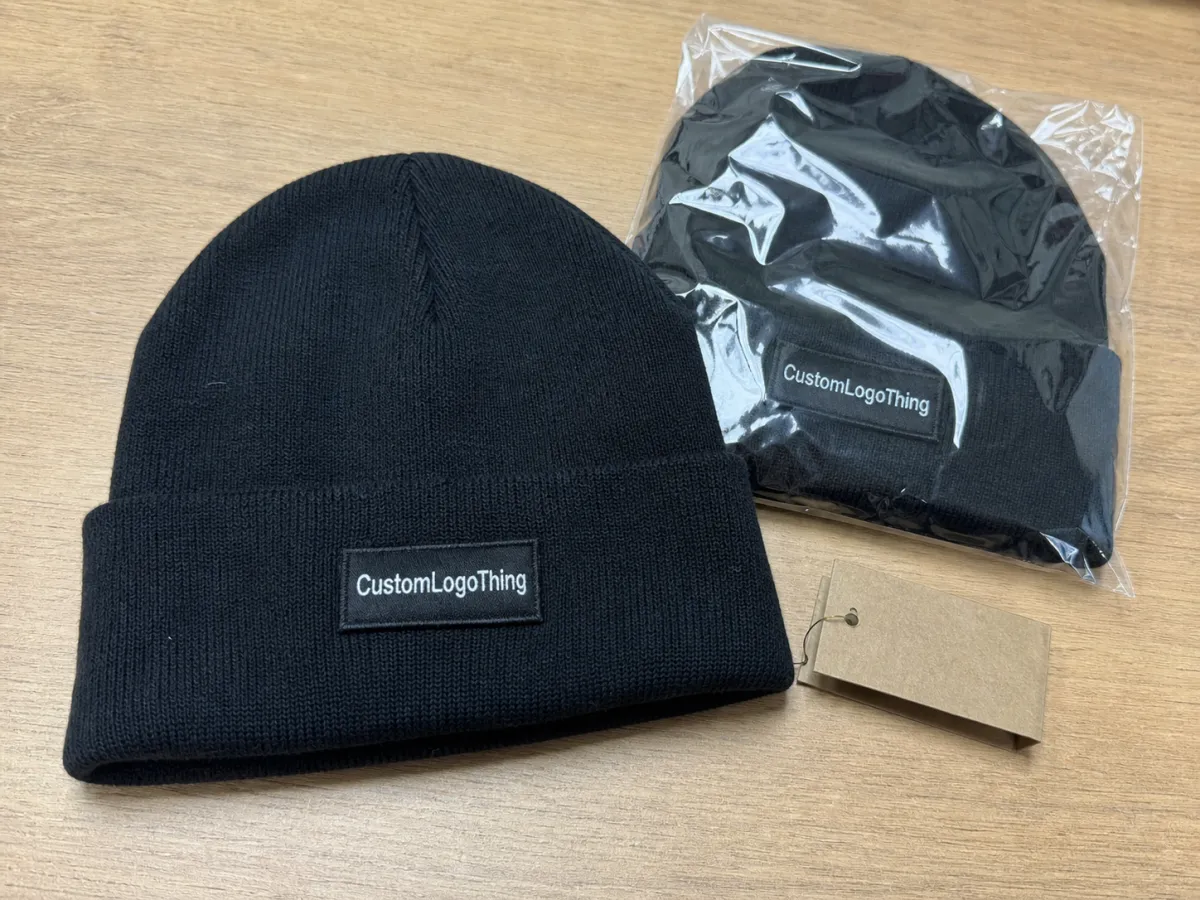
In practice, hotel cuffed Knit Beanies Lead Time is the full path from approved artwork to cartons on your dock, not just the time it takes to knit the hats. That distinction matters because a buyer does not get paid in yarn seconds; the real deadline is usually a guest-gift date, an opening weekend, a cold-weather promo, or a seasonal refresh that has to land on a very specific day.
That is also why hospitality orders behave differently from retail orders. A retail buyer may be able to accept a later ship date if inventory lands before a shelf reset, but a hotel team often needs the beanies in hand before check-in gifts go out, before a conference group arrives, or before a property-wide winter launch. Miss the date, and the program loses its value even if the product itself is perfect.
The part that surprises a lot of first-time buyers is that decoration and approvals often take longer than the knit cycle. A cuffed knit beanie with a simple colorway might be quick to produce, but custom colors, woven labels, embroidery thread matching, or branded hangtags can add days of back-and-forth. If the yarn is not already stocked, sourcing alone can push the schedule out another step.
A small order can also take longer than a larger one when the design keeps changing. A 300-piece run with two revisions, a custom heather blend, and a woven label approval can move slower than a 1,000-piece order with one clean proof and no special packaging. The schedule is shaped less by volume than by decision quality.
For buyers, the practical question is not “How fast can this be knitted?” It is “How many handoffs are in the order, and which of those handoffs can stall?” That is a more accurate way to think about hotel accessory sourcing, especially for Cuffed Knit Beanies that may need embroidery, patching, labeling, fold direction, and carton marking before they can move.
Material choice also changes the answer. A standard 100% acrylic beanie with a two-by-two cuff and a single embroidery placement is usually faster to source than a blended yarn style with brushed softness, custom dye work, or a special recycled content target. If the specification is simple, the order tends to behave like a standard apparel item. If the spec is layered, the calendar starts acting like a small development project.
Process and timeline from mockup to dock delivery
Most good suppliers break the order into stages, because each stage has its own decision point. The cleanest path usually looks like this: quote, artwork setup, sample or swatch approval, yarn reservation, knitting, linking and finishing, decoration, final inspection, packing, and freight booking. Some of those steps can overlap, but a few are hard gates that should not be rushed.
- Quote and spec review - often 1 to 2 business days if the request is complete.
- Artwork setup - often 1 to 3 business days, longer if the logo needs cleanup or thread-color matching.
- Sample or swatch approval - 3 to 7 business days for simple items, longer for custom yarn development.
- Production - often 10 to 20 business days for knitted custom goods, depending on order size and complexity.
- Finishing and inspection - usually 1 to 3 business days.
- Packing and freight booking - 1 to 2 business days, then transit time on top.
Where people get caught is assuming every step moves in a straight line. In reality, yarn reservation can begin while artwork is being cleaned up, and packing plans can be discussed before the final run is complete. But embroidery cannot start until the final art is approved, and production should not begin until the buyer signs off on the sample or swatch if there is any uncertainty about the knit density, cuff height, or logo placement.
For a simple domestic hotel program, a realistic example might look like this: 2 days for quote and spec alignment, 3 days for artwork, 5 days for sample approval, 10 to 15 business days for production, then 3 to 7 days for truck transit. That puts the total window at roughly 4 to 6 weeks, and that is before any last-minute revision or shipping delay. If the order crosses borders, customs and appointment delivery can stretch the final leg.
One practical rule helps here: the more custom the yarn, the more likely the schedule will depend on material availability instead of machine time. If a supplier already has the right base yarn in stock, the order can move quickly. If not, the lead time follows the yarn mill, not the beanie line. That is especially true for darker shades, heather effects, or color matches that sit just outside a stock palette.
Quality checks also take real time, and they should. A proper pre-ship review looks at stitch count consistency, cuff symmetry, embroidery tension, label placement, loose threads, measurement against spec, and packing count. The fastest order in the world does not help if the logo is off-center or the cuff rolls unevenly once the guest opens the package.
Cost, MOQ, and quote drivers that change unit cost
Price is shaped by more than the hat itself. The main drivers are yarn type, knit gauge, cuff construction, logo method, packaging, and freight mode. A basic acrylic cuffed beanie with a single embroidery location will usually price lower than a heavier-gauge knit with custom yarn matching, woven labeling, and retail-style folding.
MOQ matters because setup, sampling, and labor have to be spread across the run. A 250-piece order often carries a higher unit price than a 1,000-piece order because the same artwork setup, machine prep, and finishing time are divided among fewer units. That does not mean the larger order is always better; it only means the economics improve when the buyer can actually use or store the inventory.
Itemized quotes make a real difference. One supplier may include embroidery, inner label application, and carton marking in the headline number, while another may quote the blank beanie and add each finishing step later. Those two prices are not comparable until the buyer sees what is included, what is optional, and what will trigger a change order.
| Option | Typical unit cost effect | Typical schedule effect | Buyer tradeoff |
|---|---|---|---|
| Stock yarn, one-color embroidery | Lower base cost; often about $3.50-$6.00 per unit at mid-sized runs | Fastest path, because sourcing is simple | Best when the logo is the main requirement |
| Custom yarn color, woven label, and cuff branding | Often adds $0.75-$2.00 per unit | Usually adds sample approval time and material sourcing time | Better for a stronger hotel brand look |
| Custom hangtag or branded polybag | Often adds $0.20-$0.90 per unit | Small extra step after finishing | Useful for gift sets and premium presentation |
| Air freight instead of ocean or truck | Can add $0.80-$3.00 per unit, depending on weight and lane | Fastest transit option | Good for urgent launches, expensive for large volumes |
Rush service, air freight, and late artwork changes are the usual cost jumpers. A buyer may think the product is simple because it is a knit beanie, but each extra decision creates labor, and labor is where the quote starts to move. If budget is tight, keep the design clean: one yarn palette, one logo placement, one packaging style.
There is also a difference between a low unit price and a low landed cost. A quote that looks sharp on paper can turn expensive once shipping, duties, carton charges, and last-mile receiving fees are added. That is why experienced buyers ask for the price per piece, the production lead time, and the landed estimate in the same conversation.
For shipping cartons and outer packaging, some teams also ask about test standards and material sourcing. If you want more confidence in transit durability, look at the guidance around package testing from ISTA, and if the box program matters for sourcing, consider FSC-certified paperboard for the printed cartons.
Step-by-step order plan for hospitality buyers
Start with the business need, not the product spec. Are these beanies for destination hotels, a spa gift set, a ski-season welcome bag, or a conference giveaway? The use case changes the quantity, packaging, and delivery date, and it also changes how much time you should leave for approvals. A guest-facing launch rarely gives you the same breathing room as a general inventory restock.
Next, gather the exact specs before you ask for quotes. That means color references, cuff width, logo placement, size expectations, packaging format, and carton requirements. The more complete the brief, the more useful the first quote will be. If the supplier has to guess at the decoration method or the final pack-out, the answer you get back is more of a placeholder than a usable plan.
One decision owner helps more than most buyers realize. If marketing, procurement, and hotel operations all send separate feedback, the schedule can reset every time a note comes in. A single person should approve art, sample direction, and shipping instructions so the supplier is not waiting on three different sign-offs.
Then confirm the downstream logistics before production starts. Make sure the ship-to address, warehouse receiving rules, appointment requirements, and carton label format are all correct. Finished goods sitting in a freight terminal help nobody, and a missed appointment can burn a day or more even when the product is already on the road.
For multi-property buys, ask whether the supplier can package by location before carton close. That small detail reduces sorting work on your side and cuts the odds of a receiving error. It also helps if one property wants standard folding in bulk and another wants individual polybags for amenity placement. Those differences should be decided before the run starts, not after the first pallets are packed.
“The fastest order is usually the one that gets its decisions made once.”
Common mistakes that stretch knit beanie production
The first mistake is waiting to define the delivery date until after the quote arrives. That leaves no room for sampling, freight, or customs clearance, and it turns a manageable program into a scramble. If the guest date is fixed, work backward from it and build a buffer around the parts you cannot fully control.
The second mistake is assuming every cuffed knit beanie behaves the same. Stitch density, yarn availability, cuff height, and embellishment method can all change the schedule. A heavy gauge beanie with a woven label does not move through production the same way a light gauge stock beanie with embroidery does, even if they look similar in a photo.
The third mistake is approving artwork before confirming the decoration method. A logo that looks great on screen can become a thread-color problem, a size problem, or a placement problem once it is translated to embroidery or a woven patch. Fix the method first, then lock the art against that method.
The fourth mistake is forgetting transit time. For domestic deliveries, a truck move can still take several days if the receiver wants appointments or if the route is long. For international orders, customs documents, broker handoff, and port or airport timing can add more days than the production itself. That is why the delivery window should always be the whole path, not only the manufacturing date.
The fifth mistake is overcomplicating the spec. Buyers sometimes add a second logo location, a custom label, a special fold card, and a premium pouch because each item sounds small. In a production schedule, those small items stack. The result is not just a higher price; it is a longer queue of approvals and a greater chance that one detail will hold up the rest.
Expert timing tips for seasonal and multi-property orders
Work backward from the guest-facing date and add a buffer that reflects your risk tolerance. For a winter launch or holiday amenity program, I would rather see the buyer lock the order a few weeks early than gamble on a last-minute air shipment. A small delay in artwork can be absorbed early; it hurts far more after the machine schedule is already full.
Keep the design simple when speed matters. One yarn palette, one decoration location, and one packaging style usually shorten the schedule because there are fewer handoffs and fewer chances of a revision. That does not mean the product looks plain. It means the design is disciplined, which is often a better fit for hospitality anyway.
If multiple properties are involved, one master production run with controlled split shipping can be easier than placing separate orders for each location. That keeps color consistency tighter and makes inventory management cleaner. It also helps if one hotel needs 200 pieces and another needs 80, because the supplier can plan the run around the total volume instead of juggling several tiny orders.
When the schedule feels tight, pressure-test it with a few blunt questions. What happens if the yarn color is out of stock? What happens if the proof is revised? What happens if freight capacity changes? If the supplier answers those questions clearly, you can judge whether the date is realistic instead of hoping it is.
For carton and insert materials, some buyers also prefer paper options with certified sourcing, especially when the beanies are part of a broader branded amenity program. That is where FSC paperboard can help the packaging story, while packaging tests and distribution planning can help the goods survive the trip. None of that replaces good planning, but it does make the final handoff cleaner.
Seasonality changes the risk profile too. A September order for November delivery is usually easier to manage than a late October order for early November delivery, even if the product spec is identical. By the time the first cold weather hits, suppliers are balancing more rush work, freight space gets tighter, and approvals tend to slow down because everyone wants a quick answer at the same time.
If you treat hotel cuffed knit Beanies Lead Time as a full project timeline rather than a single factory step, the order becomes much easier to control. Confirm the brief, approve artwork quickly, reserve production space early, and protect the freight window, and you will have a far better shot at landing the beanies before the calendar gets crowded.
How long do hotel cuffed knit beanie orders usually take?
Lead time depends on whether the beanies are stock-supported or fully custom, and decoration plus freight usually take more time than the knit cycle itself. A clean order with fast approvals can move in about 4 to 6 weeks including transit, while a more complex hotel program can take longer if yarn, labels, or packaging need development.
What makes cuffed knit beanie lead times longer?
The most common delays are artwork revisions, yarn sourcing, embroidery approval, and waiting for final purchase confirmation. Multiple logo placements, custom hangtags, or special cartons add extra steps, and international freight or customs clearance can lengthen the delivery window further.
Can I rush a hotel knit beanie order without losing quality?
Sometimes, yes, if the design is simple and the supplier already has the right yarn or blank stock available. Rush orders work best when you limit revisions and approve samples immediately; if the project needs new development or specialty decoration, a rush tends to raise both cost and risk.
How do MOQ and unit cost affect hotel beanie pricing?
MOQ matters because setup, sampling, and labor are spread across the order, so smaller runs usually cost more per piece. Higher quantities often lower unit cost, but only if the buyer can use or store the inventory efficiently, so ask whether the quote includes decoration, packaging, and freight before comparing offers.
What should I ask for before approving a beanie quote?
Request a clear breakdown of quantity, decoration method, packaging, production timeline, and shipping assumptions. Confirm whether sampling, label application, and freight to your destination are included, then ask what could change the schedule if artwork, yarn color, or carton details are revised later.
What specs matter most for a cuffed knit beanie?
The most useful details are yarn composition, gauge, cuff height, circumference, decoration method, and fold or packaging instructions. Those specs affect fit, hand feel, decoration clarity, and how much time the supplier needs for approvals and finishing.