Hotel pom pom Beanies Bulk Order Planning starts with a simple reality: room count is not demand. A 200-room property can run through stock faster than expected once front desk staff, VIP arrivals, concierge handouts, retail shelves, and replacement pieces all pull from the same pile. Add a holiday weekend or a storm cycle and the numbers stop behaving politely.
The real job is not making the hat look cute in a mockup. It is matching quantity, decoration, packing, and delivery timing to how the property actually uses the item. Guest gifting, staff wear, and retail sales each drain inventory differently, so a useful plan separates those uses before pricing starts.
That sounds obvious. It is not how a lot of orders are built.
Hotel Pom Pom Beanies Bulk Order Planning Starts With Guest Count
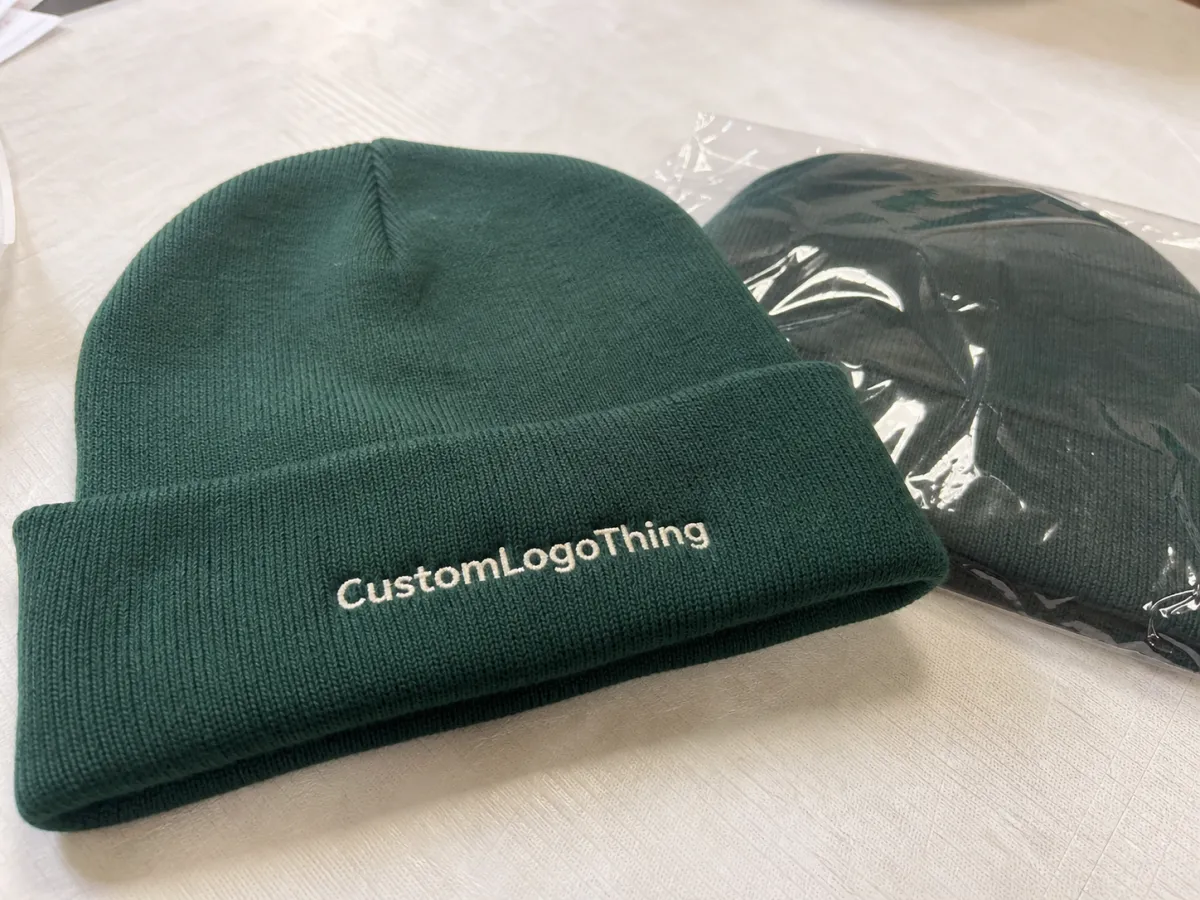
Room count gives the first rough estimate, but it should never be the final one. A winter welcome kit may need 60 pieces for arriving guests, 40 for the spa boutique, 25 for staff gifting, and another 30 held back for damage, comped stays, or last-minute replacements. Once those buckets are added up, hotel pom pom Beanies Bulk Order Planning becomes a supply exercise, not a merchandising flourish.
A sensible starting point is to separate the order into four lines: guest-facing stock, internal use, retail or resale, and reserve stock. Guest-facing stock covers welcome gifts and VIP amenities. Internal use covers uniforms, event teams, and seasonal programs. Retail stock needs more attention to presentation and packaging because it has to sell itself. Reserve stock is the boring line that saves the day when the first three run short.
For a mid-size hotel, a 10% to 15% buffer is a common floor. For a property with heavy winter traffic, multiple restaurants, or a gift shop, that buffer may need to be larger. No one complains about a spare carton in storage. They do complain when the last clean size is gone on the third day of an event.
Lead time matters here as well. A simple stock-style beanie can move quickly. A fully custom knit with specific yarn, a new label, or a nonstandard pom usually cannot. Even small spec changes can add days. The difference between “looks right” and “production-ready” is where many hotel orders get delayed.
One more practical point: room count should be adjusted for occupancy patterns. A 200-room city hotel during a convention week behaves nothing like a 200-room ski property in shoulder season. The inventory plan should follow usage, not the org chart.
Pom-Pom Beanie Styles That Work for Hotels and Resorts
Not every pom-pom beanie carries the same tone. A cuffed knit usually looks more structured because the cuff creates a clean branding zone and gives the silhouette a slightly heavier feel. A slouch style reads softer and more casual. That can work in a resort boutique. It can also look like an afterthought if the rest of the property is polished and restrained.
The standard cuffed beanie is the safest default for broad guest appeal. It sits between premium and practical, which is usually where hotel merchandise needs to live. If the brand leans upscale, a tighter knit and cleaner logo placement help the item feel intentional rather than promotional.
Pom size changes the whole read of the hat. A large pom is playful and visible from a distance. It photographs well and usually feels more retail-ready. A smaller pom is quieter and more adult. For classic luxury properties, that restraint tends to work better. For mountain lodges and family resorts, the larger pom usually fits the mood.
Fit deserves real attention. One-size beanies can work well if the stretch recovery is strong, but “one size” is not a magic phrase. Buyers should ask how the hat fits over thick hair, braids, or a low bun. If the knit is too stiff, the hat will sit high and feel cheap. If it is too loose, it loses shape after a few wears. Neither result helps the brand.
Use case should decide style, not trend charts. A city hotel may want charcoal, black, cream, or navy because those colors move easily between guest gifting and retail. A mountain resort can get away with a bolder palette because the seasonal story is doing more of the work. Hotel pom pom Beanies Bulk Order Planning gets easier once the team decides whether the hat is a souvenir, a staff piece, or a revenue item.
The wrong beanie style makes a premium property look like it bought whatever was left on the shelf. The right one feels deliberate, wearable, and worth keeping.
Fabric, Fit, and Decoration Specs Buyers Should Lock In
Material choice drives warmth, hand feel, and price. Acrylic is the workhorse. It is soft enough for most guest programs, easy to color match, and usually the most budget-friendly. Wool blends feel warmer and more premium, but they cost more and can be less forgiving in production. Recycled yarns make sense when sustainability is part of the brief, though the color range and hand feel can be less predictable than standard acrylic.
Decoration method matters just as much as yarn. Woven labels usually hold up well on knit hats and create a cleaner, more polished look on the cuff. Embroidery gives clear brand visibility, but dense stitching can distort a softer knit if the backing is not handled correctly. Patches create more depth and read a little more fashion-forward. Direct cuff branding is usually the simplest option for higher-volume orders.
There is no prize for the loudest logo. In hospitality, the version that still looks good after repeated wear is the one that matters.
Before approving production, buyers should lock in the measurements that affect the finished item:
- Crown height so the beanie sits correctly on the head.
- Cuff depth so branding lands where it should.
- Stretch range so the fit works across more guests.
- Pom attachment so the top detail holds in transit and use.
Color control is where many bulk orders drift. PMS references help for logos, but yarn is not ink, so buyers should expect a close match rather than a print-perfect one. Heather yarn can soften contrast and hide small variation. Solid yarn makes brand colors sharper, but it also exposes inconsistency faster. If the pom is a contrasting color, ask for a sample photo of the exact pairing before sign-off.
Care behavior matters too. If the beanies will be resold, they need to hold shape and resist pilling. If they are for staff, wash performance matters as much as appearance. For Orders That Ship between properties, ask how the hats are folded, packed, and carton-counted. If shipping protection is part of the brief, it is worth checking ISTA shipment testing standards. If carton sourcing matters to the brand, FSC is a useful reference point.
Packaging can also change the perceived value. A simple polybag is fine for internal use. Retail stock usually needs a cleaner presentation. The packaging choice should match the end use, not just the lowest-cost version that can fit in a carton.
Cost, Pricing, and MOQ Breakpoints to Compare Before You Quote
Unit price drops as quantity rises, but that is only half the story. A stock-style acrylic beanie with a woven label may land around $3.20 to $4.80 per unit at 500 pieces. A more custom version with embroidery, specialty yarn, or a larger pom can move into the $5.50 to $8.00 range. Smaller runs usually cost more per piece because setup and handling are spread across fewer hats.
MOQ is not just a factory rule. It is a pricing breakpoint. A supplier may say 100 pieces are possible, but that does not mean the landed cost will make sense. The more useful question is where the order crosses from test-run pricing into real bulk pricing. For many custom pom-pom beanies, the important thresholds sit around 250, 500, and 1,000 units, though decoration method and material choice can shift those numbers.
| Order Level | Typical Unit Range | Best For | Main Trade-Off |
|---|---|---|---|
| 100-250 pieces | $5.80-$8.50 | Test programs, small boutiques, urgent seasonal trials | Higher setup share and less room for customization |
| 300-500 pieces | $4.20-$6.80 | Mid-size hotels, property launches, staff gifting | Good balance of cost and flexibility |
| 1,000+ pieces | $3.20-$5.50 | Multi-property programs, retail rollout, annual replenishment | More inventory to store, but stronger per-unit economics |
Buyers often miss the extras. Sample charges can apply. Freight can become a large line item, especially if the date is tight. Rush production, carton labeling, split shipments to multiple hotels, and second-round proofs all add cost somewhere. A clean quote should include quantity, decoration method, color count, destination, and requested arrival date. Without that, comparison shopping turns into guesswork dressed up as procurement.
If two quotes look similar, ask what happens when you add a second color, switch from embroidery to a woven label, or change the pom. A low unit price can disappear fast once the spec gets more complicated. The cheapest quote is not always the lowest landed cost. It is just the least honest one until the full math shows up.
Process, Lead Time, and Production Steps From Proof to Delivery
Most orders move through the same sequence: inquiry, quote, artwork review, digital proof, sample approval, production, quality check, packing, and shipment. That sounds neat on paper. The delays usually happen in the handoffs. Missing art files slow proofing. Slow color approval pushes production. A late change after sign-off can restart part of the schedule.
For a standard custom beanie run, a realistic lead time is often 12 to 18 business days after proof approval when the design is simple and materials are stock-based. If the order needs custom yarn, special labels, or multiple decoration colors, the timeline can stretch to three to five weeks or more. Freight adds its own clock. Buyers planning a launch or property opening should assume the first estimate is a starting point, not a promise carved into stone.
Shipping choice matters. Air freight can rescue a deadline, but it can also erase margin on a large order. Ocean freight works better for replenishment runs and seasonal planning, but it demands more lead time. Partial shipments are useful when one property needs stock sooner than the rest. That comes up often in hotel pom pom beanies Bulk Order Planning when a group buyer is supplying several locations from a central program.
There are also decisions that must be locked before production starts. Logo placement should be final. Yarn color should be approved. Cuff size should be confirmed. Packaging format should be set. Buyers can still adjust freight method or split delivery later, but moving the product spec after proof approval usually costs time and money. A supplier with organized files will make those decisions visible early, which is exactly what a hotel buyer needs.
Ask for carton counts, not just total unit counts. If the shipment is going to several properties, carton labeling and case packing can save a lot of receiving time later. It is a small detail until the front desk team is trying to reconcile missing inventory at 9 a.m. on a Monday.
Quality control should happen before the goods leave, not after someone opens the first carton in a back office. A solid pre-ship check looks at dimensions, color consistency, logo placement, pom attachment, and carton counts. If the hat is meant for retail, packaging consistency needs to be checked too. If it is meant for staff use, comfort and stitch quality matter more than pristine presentation.
How to Protect Reorders, Consistency, and Brand Standards
The first order is only half the job. Reorders can drift when dye lots change, labels move a few millimeters, or a supplier swaps yarn without clear approval. Those shifts may sound small, but on a knit hat they show. A slightly darker navy or a looser stitch can make a repeat order look like a different product.
Good recordkeeping prevents that mess. Keep the spec sheet, approved sample photo, logo file, color reference, and packaging notes together. If the hotel chain revisits the item six months later, the buyer should be able to see exactly what was approved the first time. That matters more than people like to admit, especially when a seasonal item returns under deadline.
Quality control should focus on the parts buyers actually notice:
- Color consistency across body, cuff, logo, and pom.
- Stitch density so the knit does not look thin or uneven.
- Pom attachment strength so top details do not loosen in transit.
- Carton count accuracy so receiving teams are not chasing missing units.
One person should own approvals. That avoids the common tug-of-war where marketing wants one finish, operations wants another, and purchasing gets stuck in the middle. A single decision-maker speeds the chain and reduces contradictory instructions reaching production. It also makes reorder timing cleaner because the same person can compare the new run against the approved file instead of hunting through old email threads.
There is a practical reason to keep the process tight. Seasonal inventory rarely fails because the hat was wildly wrong. It fails because a small inconsistency was allowed to slide. The goal is not perfection for its own sake. The goal is repeatability.
Final Next Steps: Turn the Order Plan Into a Quote-Ready Brief
Before asking for pricing, gather the facts that shape the order: target quantity, destination, decoration method, color count, required arrival date, and whether the beanies are for guests, staff, or retail. Add packaging notes if the order needs individual polybags, retail-ready cartons, or master cases for distribution across properties.
The strongest buying brief is short but specific. It should include the item spec, the approved logo file, a sample image, preferred packaging format, and any color reference the supplier should use. Once that sheet is complete, the buyer can ask for tiered pricing, sample timing, and freight estimates in the same request. That gives procurement a clean way to compare offers side by side instead of sorting through vague quotes.
Keep the discussion centered on what changes cost, what changes lead time, and what changes the guest experience. A bigger order can lower unit cost. A more complex decoration can raise it. A tighter delivery window can change freight entirely. Hotel Pom Pom Beanies Bulk Order planning works best when the team agrees on the same spec sheet before the first quote goes out.
Confirm counts, approve the art, and request pricing against one documented brief. That is the practical route to fewer surprises, cleaner replenishment, and a repeatable result for hotel pom pom beanies bulk order planning.
How many hotel pom pom beanies should I order for a mid-size property?
Start with room count, then add inventory for staff, VIP arrivals, replacements, and any retail or amenity use. A practical method is to calculate core demand first and then add a safety buffer for seasonal spikes or last-minute events. If the beanies will be used across multiple departments, separate the quantity by use case before you request a quote.
What specs matter most for bulk hotel pom-pom beanies?
Lock in fabric blend, fit, cuff height, pom size, and decoration method before pricing is finalized. Ask for exact color references and sample photos so the bulk run matches the approved look. If the beanies will be washed or reused often, durability and stitch quality should matter as much as the design.
What affects hotel pom pom beanies bulk order planning costs the most?
Quantity, decoration complexity, and yarn choice usually have the biggest impact on unit cost. Shipping method, sample requests, and rush timing can change the landed cost more than buyers expect. A cleaner spec sheet often saves money because it reduces revisions, delays, and extra proof rounds.
What is a normal MOQ for custom pom-pom beanies?
MOQ depends on the factory, decoration method, and whether the order uses stock materials or custom yarns. Smaller runs are possible, but pricing is usually more efficient once the order reaches a standard bulk threshold. Ask for multiple quantity tiers so you can compare the smallest acceptable run against the best per-unit price.
How long does production usually take after proof approval?
Lead time depends on whether the item is stock-based or fully custom, and whether a sample must be approved first. Decoration, color matching, and freight choice all affect the final delivery date. Build in extra time before a launch, holiday period, or property opening so there is room for proof edits or transit delays.

