Apparel Logo Patch Beanies Bulk Order Planning Tips
Plan apparel logo patch beanies Bulk Order Planning with clear specs, realistic MOQ, and tight timelines so the first production run matches the brief instead of becoming a correction cycle.
apparel logo patch Beanies Bulk Order Planning gets easier once the beanie is treated like a finished branded product, not a blank item with a logo slapped on top. A patch gives you a flatter, more controlled branding surface than direct embroidery on thick rib knit, which means better legibility, fewer distortions, and less drama during proof review. That matters when the logo has thin lines, small type, or a shape that needs to stay recognizable from a few feet away.
Most buyers are not ordering beanies for novelty. They need winter promos, employee gifts, retail merch, onboarding kits, or uniform add-ons that look deliberate and hold up in use. A patch is often the cleaner route because it separates the artwork from the texture of the knit. The logo reads more consistently across dye lots and reorder runs, and the production team has fewer ways to ruin the design. That is not glamorous. It is just useful.
"A patch usually survives thick knit better than direct embroidery. The logo should fit the hat, not fight the fabric."
From a buyer's point of view, the real value is risk reduction. Better specs mean fewer sample revisions, less guesswork, and a much higher chance that reorders match the first approved run. That is the actual reason apparel Logo Patch Beanies Bulk Order planning works: one decoration method, one approval path, and one repeatable standard for the next order.
Why apparel logo patch beanies bulk order planning gets easier fast
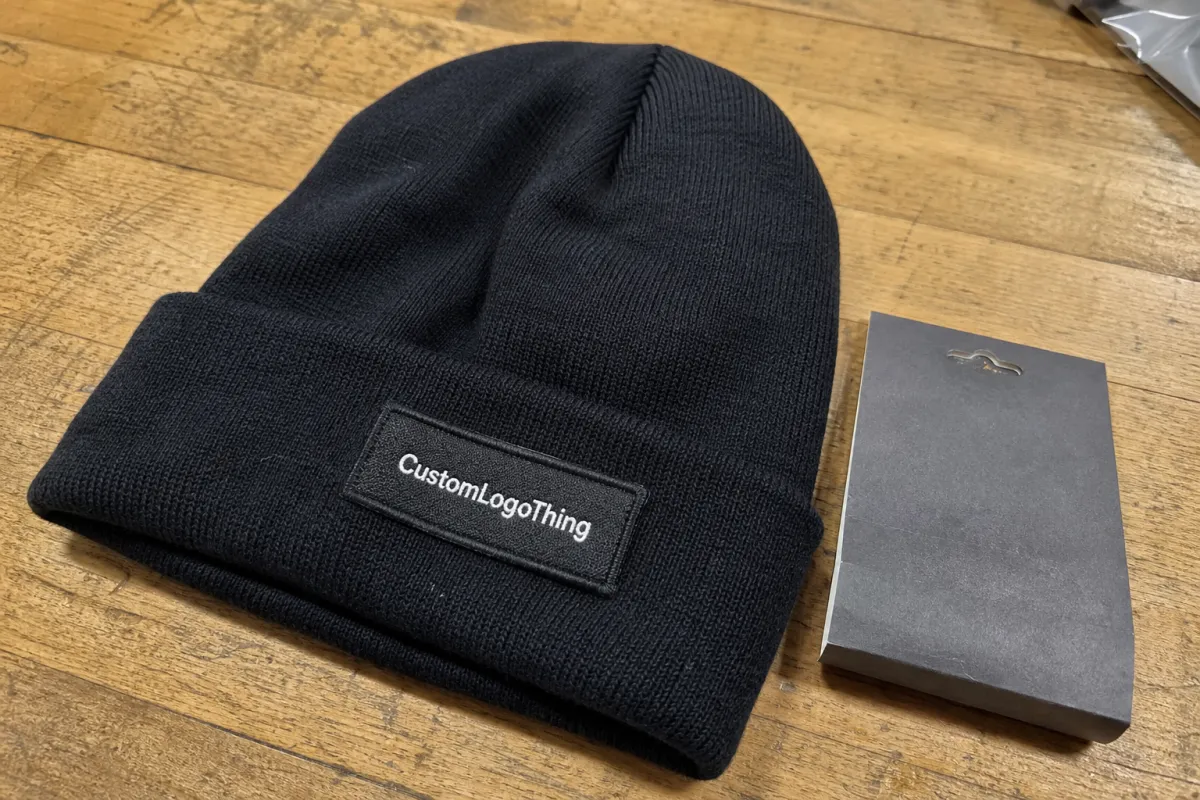
A patch gives the buyer control over a surface that is usually not very forgiving. Direct embroidery on chunky knit can sink into the fabric, stretch unevenly, or blur detail once the beanie is worn and flexed. A woven patch, embroidered patch, PVC patch, leather patch, or felt patch creates a separate branding layer with its own edge and its own visual weight. That is why Logo Patch Beanies often move through approval faster than custom knit-in designs or all-over embroidery.
There is also a practical reorder benefit. If the body style and patch shape stay fixed, the line gets easier to repeat. Yarn batches may still vary a little, but the logo presentation does not drift as easily. That matters for companies with staggered reorders, department-level budgets, or seasonal restocks. It also helps retail programs that need the same look across multiple delivery windows.
The use case changes the priorities. A facilities team usually wants durability and clear visibility. A promo buyer usually wants decent perceived value at a controlled cost. A retail buyer cares about texture, shelf appeal, and how the product looks folded on a rack. A startup onboarding kit wants something polished without turning the hat into the most expensive item in the box. Different brief, same requirement: the beanie has to look intentional.
That is why experienced buyers frame the project around approval risk instead of decoration hype. If a patch keeps the logo readable and prevents knit distortion, the order is already on safer ground. The product is the beanie. The logo just needs to land cleanly on it.
Patch placement, knit depth, and beanie styles buyers actually compare
Buyers usually start by comparing body styles, and they should. A cuffed beanie is the safest choice for logo visibility because the front cuff creates a natural placement area and gives the patch a stable surface. Uncuffed beanies can look cleaner and more minimal, but they leave less room for a larger patch. Slouch beanies lean more casual and fashion-driven, though the patch has to be sized carefully so it does not fight the drape. Fisherman styles are short and tight, which can work for smaller marks but usually not for large badges.
Material choice changes the feel and the cost. Acrylic is the standard workhorse because it is consistent, price-friendly, and easy to source in volume. Wool blends usually sit higher on the price ladder and feel more premium. Recycled yarn can be a good fit for brands with sustainability goals, but it can also introduce more variation in knit behavior, so sample approval matters more. None of that is complicated. It is just the reality of knit goods.
Patch material should match both the logo and the job.
- Woven patch - Best for small type, clean edges, and logos with fine detail.
- Embroidered patch - Best for texture and a more dimensional finish.
- PVC patch - Best for rugged use, outdoor branding, and easy-to-read shapes.
- Leather patch - Best for premium casual branding and a subdued look.
- Felt patch - Best for soft, retail-friendly styles with a relaxed feel.
Placement matters more than many buyers expect. Centered on the front cuff is the default because it reads quickly and photographs cleanly. An offset side patch can feel more design-led, but it is easier to misjudge. A small hem label is subtle and works well for minimalist brands. A low-profile patch keeps the beanie from looking overdesigned, which can matter in retail or fashion settings where heavy branding hurts the product.
Patch size should follow the knit surface, not the artwork wish list. On a standard cuffed beanie, a 2.0-inch to 2.5-inch patch is usually a safe starting point. Larger cuffs can handle more width, but once the patch gets too wide it takes over the hat. Tiny type and thin lines need enough breathing room to survive production. If the logo goes mushy at 1.75 inches, the design needs to change, not the manufacturing spec.
Specs that protect fit, handfeel, and artwork legibility
Solid bulk planning starts with the spec sheet, not the quote request. If the finished circumference, crown depth, cuff height, patch width, patch height, yarn type, and color count are not defined, the result is guesswork. Guesswork wastes time. It also creates extra proof rounds, and those always take longer than people expect.
The knit structure affects both fit and how the patch sits. Tighter knits hold their shape better and tend to present patches more cleanly. Looser knits feel softer, but they can make small details look less crisp once the fabric stretches. That is especially true on oversized or slouch styles. A patch that looks perfect in a flat proof can sit differently once it is sewn onto textured rib knit.
Artwork rules should be set before the first proof. Vector files in AI, EPS, or editable PDF are the safest starting point. PMS references help if the brand expects color accuracy. Minimum line thickness needs attention early, because lines that are too fine can disappear in the patch build. Small type is another common failure point. If the logo only works with microscopic copy, the patch is the wrong decoration method.
Buyers who handle retail or operations usually need more than the decoration spec. Ask for inside label style, woven tag versus printed tag, care label copy, and the packout format. Bulk carton, individual polybag, barcode sticker, fold-and-stack, retail insert, and gift-ready wrap all affect what happens after the order lands. That is where hidden labor creeps in if the packout is not decided in advance.
Paper inserts and hang tags need the same level of attention. If the brand wants FSC-backed paper, that should be chosen early rather than added at the last minute. For transit testing and carton durability, ISTA guidance is useful even for simpler programs because it keeps the focus on impact, vibration, and compression. Soft goods are easy to flatten, scuff, or crush if the packout is careless.
That is the practical side of apparel logo patch beanies bulk order planning. Clean specs keep everyone looking at the same target.
Cost, pricing, MOQ, and the factors that move unit cost
Beanie pricing is a stack of small decisions, not one number pulled out of the air. Body material, patch material, logo complexity, stitch count, color count, packaging, and shipping all change the quote. The first mistake buyers make is asking for pricing before choosing the body style. The second mistake is assuming every beanie should cost the same just because the logo is the same. Production does not care about that logic.
Smaller runs cost more per unit because setup is spread across fewer pieces. Larger orders bring the unit cost down once artwork setup, patch tooling, and production prep get absorbed. The savings are real, but only if the design stays simple enough to repeat cleanly. A cheap price is not useful if the order comes back with alignment issues or a logo that stopped reading well after the first wash.
| Option | Typical MOQ | Typical unit cost range | Best use case |
|---|---|---|---|
| Basic acrylic cuffed beanie + woven patch | 100-300 per color | $2.60-$4.80 | Promos, onboarding kits, broad uniform programs |
| Acrylic beanie + embroidered patch | 100-300 per color | $2.40-$4.60 | Simple logos that want extra texture |
| Recycled yarn beanie + woven patch | 300-500 per color | $3.90-$6.50 | Eco-forward brands, retail merch, seasonal drops |
| Wool blend beanie + leather or PVC patch | 300-500 per color | $5.50-$9.00 | Premium gifts, fashion retail, executive kits |
Those numbers are working ranges, not promises. A busy multicolor patch, custom trim, or rush shipping can move the quote quickly. Custom packaging does the same thing. Individual polybags, header cards, and barcode labels can add roughly $0.08-$0.35 per unit depending on the packout. That sounds small until the order reaches thousands of pieces.
MOQ also behaves differently by style. Basic cuffed acrylic beanies are usually easier to scale than specialty knits or premium finishes. Some suppliers will mix colors inside one run, but each color still needs to clear the minimum or the price per unit gets ugly fast. If the order is split across multiple destinations, shipping becomes a separate line item, and that can matter more than the decoration itself.
Practical savings are boring, but they work. Use one patch shape across the whole order. Skip unnecessary custom boxes on the first run. Consolidate shipping destinations. Keep the base beanie stable. That is how buyers protect budget without making the product feel cheap.
Process, timeline, and lead time from mockup to shipment
The clean production flow is simple. First comes the brief. Then the spec check. Then the digital proof. Then sample approval if the project needs it. After that comes bulk production, QC, packing, and shipment. It sounds basic because it is basic. The hard part is getting the buyer to make decisions in order instead of asking for five changes after the proof is already set.
Proofs can move fast when the artwork is clean. One to two business days is reasonable for a straightforward request. Samples take longer because someone has to make the piece, inspect it, and revise if needed. Bulk production often lands in the 12-20 business day range for standard orders, while larger orders, specialty patches, or peak-season schedules can stretch that window. Shipping sits on top of all of it.
What slows the schedule? Missing vector artwork. Unclear color targets. Late approvals. Last-minute changes to patch size. A request to move the logo three times after the proof has already been finalized. None of that is mysterious. It just eats calendar time.
The best buyers usually do four things early.
- Send one clean spec sheet instead of scattered notes.
- Choose one primary contact for approvals.
- Set one deadline tied to the real event or launch.
- Lock artwork before asking for pricing breaks.
Packaging should be decided with the same discipline. If the hats are heading to a warehouse, carton size, label placement, and fold style need to be set before production starts. If they are going straight into kits or retail shelves, the packout matters even more. Transit is where soft goods get bent, flattened, or handled badly. A simple ISTA-style logic check keeps the focus on compression, drop risk, and carton strength, which is where most damage happens.
For apparel logo patch beanies bulk order planning, time saved at the start usually shows up as fewer errors at the end. That tradeoff is worth making every time.
What our QC and packaging workflow prevents on repeat orders
Repeat orders should get easier, not messier. That only happens if quality control and recordkeeping are disciplined. A good workflow checks color consistency, patch alignment, seam placement, and carton counts before the shipment leaves. The point is to catch the boring problems before they become expensive ones.
Archived specs matter more than most buyers realize. If the approved patch size, logo placement, yarn color, and packout notes are saved correctly, reorders move faster and stay accurate. That keeps version drift under control. Otherwise a product line can slowly change until everyone starts asking why the "same" beanie looks different six months later. Usually because nobody saved the measurements.
Packaging should support the use case, not create extra work.
- Bulk packed - Best for distribution centers, promo teams, and price-sensitive programs.
- Individual polybags - Best for retail, fulfillment, and cleaner handoff to end users.
- Barcode labels - Best for warehouse intake and inventory tracking.
- Gift-ready folding - Best for kits and executive programs that need a polished first impression.
If paper inserts or hang tags are part of the order, the source matters. If the shipment has to survive a rough route, the packout matters. If the reorder has to match the first run, the archived approvals matter. That is the real value of a disciplined system: fewer surprises, fewer hidden charges, and fewer replacement headaches after delivery.
Bottom line: QC is not exciting, but it protects both margin and reputation. For apparel logo patch beanies bulk order planning, that is the part buyers usually appreciate after the first shipment lands.
What to send next for a fast quote and clean proof
If you want a quick quote, send the basics in one message. Quantity by color. Target delivery date. Logo file. Patch preference. Beanie style. Packaging requirement. That is enough to start a serious estimate instead of a vague back-and-forth that burns two days and still does not answer the question.
The best decision path is also the cleanest one: choose the body style first, then the patch material, then logo placement, then the price target. That order keeps the quote honest. It also exposes weak artwork early. If the logo only works as a large woven patch, you will know it before the purchase order is written. If the budget only supports a basic acrylic cuffed beanie, that should be obvious before anyone starts building a spec sheet around premium finishes.
Before asking for pricing, collect the essentials:
- Quantity by color and size split
- Target ship date or event date
- Vector logo file and PMS references
- Patch style and approximate patch size
- Beanie body style and yarn preference
- Packout choice: bulk, polybag, barcode, or gift-ready
Ask for unit pricing at several quantity breaks, MOQ, sample cost, proof turnaround, and a shipping estimate to the destination zip or port. That gives enough information to compare suppliers without chasing fantasy numbers. If you are still deciding on reorder terms or volume thresholds, our Wholesale Programs page covers the usual breakpoints, and the FAQ covers common artwork and sample questions.
If the goal is a beanie that looks right the first time and still reorders cleanly later, apparel logo patch beanies bulk order planning should start with one clear brief and one realistic spec. Get the body style, patch material, and packout right, and the rest becomes a straightforward buying decision instead of a cleanup job.
FAQ
What patch type is best for apparel logo patch beanies bulk order planning?
Woven patches are usually the best choice for small type and sharp detail. Embroidery adds texture. PVC works well for outdoor durability. Leather and felt fit better when the brand wants a softer or more premium finish. The right answer depends on the knit surface and how much detail the logo actually needs. If the mark is busy and the beanie is loose knit, a simpler woven build usually wins.
How many extras should I add when ordering logo patch beanies in bulk?
Add 5-10% overage if the beanies are for ongoing inventory. Use 10-15% if the order supports a launch, event, or client giveaway where shortages are painful. If the order is split across colors, make sure each color clears the MOQ or the unit cost will jump. Extra stock is useful only when the budget can support it.
What artwork do you need for a bulk beanie quote?
Send a vector file first. AI, EPS, or editable PDF is best for patch production. Include color references, logo placement, patch size, and any hard brand rules such as minimum clear space or approved PMS colors. If the only file is a PNG or JPG, expect cleanup time and possible redraw fees. A clean file saves time because it removes guesswork from the proof stage.
What is the usual lead time for logo patch beanies?
Proofing can move in one to two business days if the brief is clear. Samples usually take about a week or more depending on patch type and revisions. Bulk production often lands in the 2-4 week range, with shipping added on top. Peak season, rush orders, and specialty finishes can extend that timeline.
Can I mix colors or patch designs in one beanie order?
Yes, but only if the total volume and each color run make sense against the MOQ. Mixed patch designs usually increase setup time and can raise the per-unit cost. If variety matters, keep the base beanie and patch shape consistent. That is where the savings usually live. Too many variables can turn a simple order into a pricing mess.


