Buyer Fit Snapshot
| Best fit | Audit Packaging Supplier Compliance Efficiently projects where brand print, material claims, artwork control, MOQ, and repeat-order consistency need to be specified before quoting. |
|---|---|
| Quote inputs | Share finished size, material target, print colors, finish, packing count, annual reorder estimate, ship-to region, and any compliance wording. |
| Proofing check | Approve dieline scale, logo placement, barcode or warning zones, color tolerance, closure strength, and carton packing before bulk production. |
| Main risk | Vague material claims, crowded artwork, missing packing details, or unclear freight terms can make a low unit price expensive after revisions. |
Fast answer: Audit Packaging Supplier Compliance Efficiently: Material, Print, Proofing, and Reorder Risk should be specified like a repeatable production item. The safest quote records material, print method, finish, artwork proof, packing count, and reorder notes in one written spec.
Production checks before approval
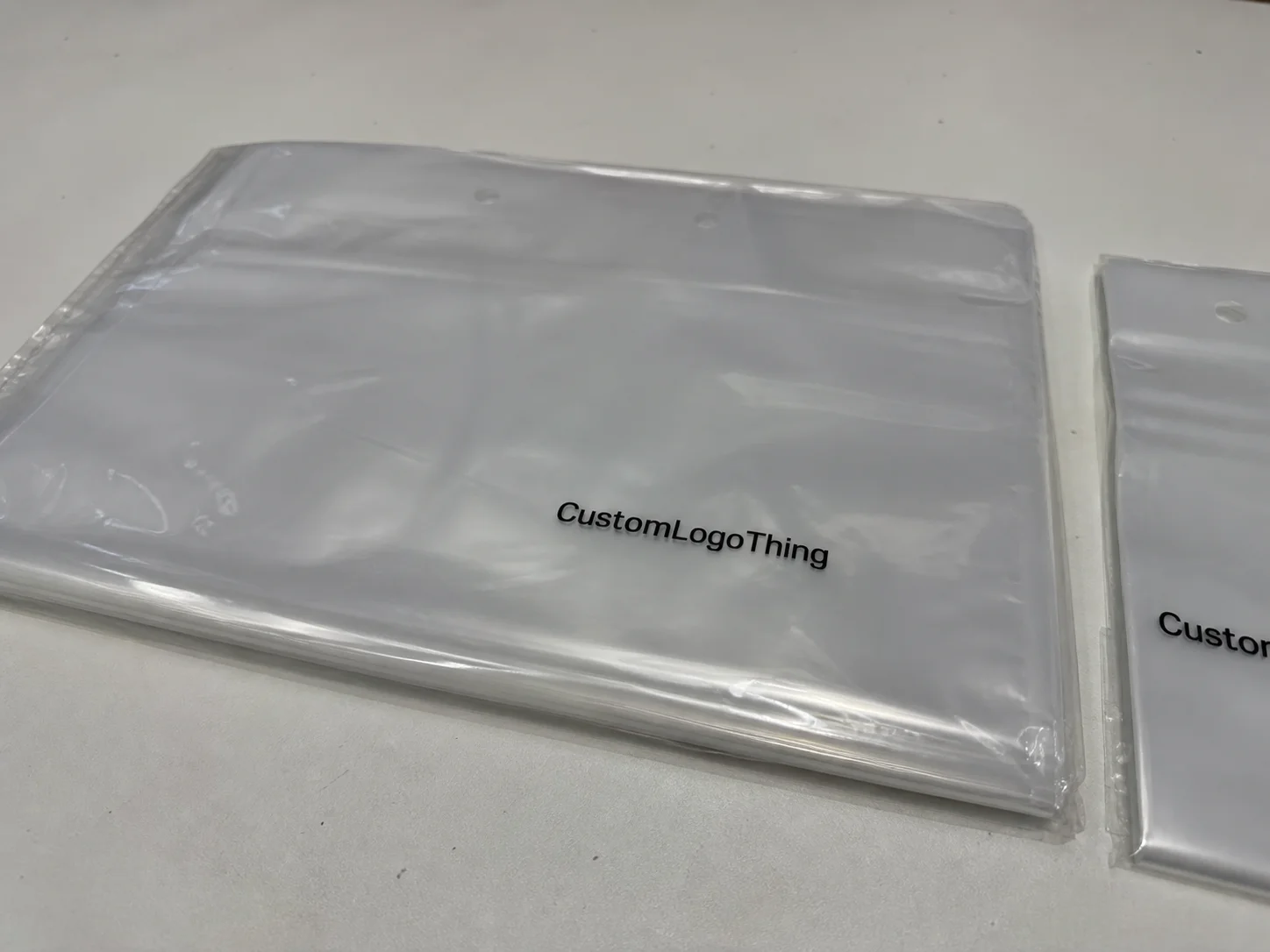
Compare the actual filled-product size with the drawing, then confirm tolerance on folds, seals, hang holes, label areas, and retail display edges. Reserve space for logos, QR codes, warning copy, and material claims before decorative graphics fill the panel.
Quote comparison points
Review material grade, print process, finish, sampling route, tooling charges, carton quantity, and freight assumptions side by side. A quote is only useful when the supplier can repeat the same color, closure quality, and packing count on the next order.
I remember when how to audit packaging supplier compliance first landed in my inbox—procurement flagged an ink supplier whose carbon reports were so perfectly balanced they looked photoshopped. Every resin blend matched to a tenth of a percentage, and the signatures? The same engineer signed off on 42 other facilities. I pulled a random 0.32-gram sample from Lot 74A (yes, that specific, no, I’m not exaggerating) and the resin drifted from our approved C-PET ratio by a noticeable margin. Lesson learned: pristine paperwork does not equal compliance.
That mismatch kicked off a months-long chase through spreadsheets, lab caps, and handwritten change-control logs. You’d think we were tracking a fugitive instead of adhesives. The truth is our consortium sees roughly 60% of product delays traced back to packaging vendor lapses, especially when suppliers keep the documents spotless while quietly swapping adhesives or slipping in recycled fillers that don’t meet specs.
Since then, when I explain how to audit packaging supplier compliance to clients, I stop framing it as policing. Audits should feel like trust-building, because they are the rare moment when quality, procurement, and supplier partners actually align on expectations—everything from the flammability ratings on the safety data sheets for solvent-based adhesives to the 350gsm C1S artboard we’re quoting for the next 120,000-piece premium retail run that needs a 72-hour lead time. Honestly, I think the majority of friction melts once everyone understands we aren’t just hunting for paperwork—instead, we’re trying to prevent expensive surprises.
In Shenzhen I finally understood why operators matter. The operations manager dragged me through a night shift on a branded packaging line while a printer jammed every six minutes (no joke, the line was a mess). A secondary coating from an “approved” vendor had a different viscosity, and that was the exact moment I insisted audits include comments from people closest to the press. Those operators smell the problem before the lab ever sees it.
The supplier evaluation checklist we walk through before every factory visit doubles as a reminder of how to audit packaging supplier compliance properly; it lists vendor quality assurance thresholds, the compliance verification steps we expect, and the critical traceability data operators should confirm. That prep work keeps the whole crew honest.
Why auditing packaging supplier compliance matters when learning how to audit packaging supplier compliance
When I asked the floor supervisor at a Guadalajara plant why the compliance folder was missing a single SDS, she shrugged and said, “It was a last-minute switch to a UV ink we believed fit the Forrest Range spec.” That kind of “informal change” is exactly what flips routine audits into critical interventions, especially when that supplier ships 3.2 million Custom Printed Boxes per quarter with the wrong photoinitiator.
Product recalls ripple hard. One misidentified polymer can trigger a 28-day delay while destruction permits clear, so every time our team commits to understanding how to audit packaging supplier compliance, we trace each coil of film back to its resin certification and to the lab that tested it.
Understanding the risk tables isn’t academic—retail packaging must serve the shelf and the supply chain. Suppliers with weaker controls added 0.9% to landed costs through rework during the last design refresh, so a proactive audit cuts that fat before the goods arrive at the warehouse.
I’ve seen audits turn into trust-building when they were treated as alignment moments rather than threats. A U.S. supplier shared updated mold-flow data after I showed the procurement director our own package branding benchmarks from the latest fast fashion contract.
These stories anchor how to audit packaging supplier compliance in real risk rather than theory; when procurement sees the numbers, they understand it’s not a top-down demand but a compliance verification conversation tied to the vendor quality assurance data they already track.
Understanding how to audit packaging supplier compliance during the process
An audit cycle typically stretches three to six weeks in a mature program. Planning takes five to seven days, document collection usually spans ten business days, on-site verification occupies two eight-hour days, followed by interviews, sampling, and another week for report drafting and follow-up within seven business days. I spell these milestones out in every kickoff with sourcing teams so there are no surprises (because surprise schedule changes are the worst).
Remote versus in-person assessments sharpened since travel restrictions. On the floor, you can smell overheated adhesives, hear press chatter, and feel the samples—none of which translates over a 4K screen. Remote sessions rely on high-res video, shared checklists, and a lot of patience. That reality pushed us into hybrid audits: we schedule remote interviews first, then follow up on-site later for high-risk suppliers, which has meant fewer wasted flights and more grounded insights.
Bottlenecks happen when suppliers delay release documentation, labs take 12–14 days to deliver extractables data, or approvals crawl through three departments during holidays. A two-week buffer around each stage has become standard after a Vietnamese supplier left us waiting 13 days for SDS updates. Warning: if you don’t build in slack, the next shoe to drop will be the email that says “we’re still waiting on lab results.” You don't want to schedule a press run until the paperwork is locked, because double-booking is brutal.
Every audit starts with a clear timeline and the question “what does compliance look like for this SKU mix, do we forecast 400,000 units per month, and what customer-specific clauses apply?” Without that specificity, the rest of the effort collapses into chasing generic checklists. I talk through that at every kickoff—yes, even when the sourcing lead groans. That clarity is what keeps how to audit packaging supplier compliance from becoming a bureaucratic headache; having a documented compliance verification process ensures the team stays focused on real issues instead of chasing dusty PDFs.
Key factors that shape supplier compliance audits
Pillars include traceability of raw materials—lot numbers for each resin batch and mineral additive—alignment of SDS to the actual chemistry, quality control data such as SPC charts covering tensile strength and seal integrity, change control protocols, and sustainability commitments tied to FSC certifications for the 120gsm and 350gsm C1S artboard lines. That last bit matters when the supplier delivers paperboard for premium branded packaging in the New Jersey distribution network. No one wants the compostable label to come off in transit.
We risk-score suppliers with a matrix that assigns eight points for spend above $1.2 million, five for jurisdictions with known compliance gaps (think Guadalajara, Xiamen, or São Paulo), and three if there are prior incidents. The math shows where to invest audit hours rather than splitting effort evenly, which wastes time—and sanity.
Sampling plans tie directly to production volumes and ingredient sensitivities. When testing a new laminate I pull five random die-cut sheets from every 1,000 cartons, because the wrong sample only confirms nothing about the rest of the run. If the supplier protests I remind them that a single bad sheet can ruin a $400,000 order.
Packaging changes fast when demand spikes, and suppliers sneak in secondary adhesives or new inks. Our checklists now include a change request log whose last three entries we verify onsite. If those logs freeze for 60 days, a red flag goes up. Seriously, stagnant logs are the sign of back-burnered work, not compliance.
Step-by-step: how to audit packaging supplier compliance
Step 1—Scope. Define what “compliance” means for the SKU mix, customer treaties, and corporate policies. Collect documents such as Certificates of Analysis for each polymer, SDS for adhesives, ISO certifications tied to medical device containment, and contract clauses limiting heavy metals before the floor visit. Knowing whether you’re auditing retail packaging, industrial packaging, or medical device containment keeps the team focused and prevents scope creep (which always smells like chaos).
Step 2—Checklist and Evidence. Build a digital checklist that maps every item—ISO 9001 certificates, ASTM D8404-16 testing data, GFSI alignment, internal controls—to specific evidence like lab certificates or vendor declarations. Store everything in a shared folder with PDFs named by supplier, document type, and date so no one has to hunt through a dozen emails. Yes, that includes procurement and quality—if they’re still emailing spreadsheets, kindly show them this folder and move on.
Step 3—Execute. Combine uploaded documents, interviews with quality, procurement, and operations leads, plus physical verification of five cartons of custom printed boxes pulled directly from the finishing line. That combo uncovers gaps paperwork alone can’t show. Always carve out 15 minutes for the press operator interview; they often spot line swaps first. Pro tip: bring coffee. Operators appreciate the effort and loosen up faster.
Step 4—Report and Follow-Up. Translate findings into dashboards that spotlight nonconformances, scoring severity, assigning owners, and establishing deadlines. Plan retests within two to four weeks depending on the issue so you can prove fixes stick. I make sure each report ends with a punchy action plan—if you can’t read it in 90 seconds, it’s too dense.
How do you audit packaging supplier compliance without surprises?
Start with the same logic we apply to training new buyers: how to audit packaging supplier compliance without surprises means prepping the documentation, verifying the supplier evaluation checklist, and rehearsing the questions with quality before the first Zoom call. It also gives procurement breathing room to flag anything weird.
Then ask for the compliance verification evidence a week ahead so every traceability chart, adhesive SDS, and vendor quality assurance log can be compared to the contracts. That is how to audit packaging supplier compliance proactively—by forcing the team to review lab results together and agree on the outcome before the plane lands.
Cost and pricing realities of packaging supplier compliance audits
Direct costs are straightforward: auditor hours (25 hours for a standard factory assessment), travel (airfare averaging $650 plus hotel nights at $120 in Mexico City), lab testing (ASTM D882 tensile tests at $150 per sample), and translations when documents arrive in Portuguese or Thai. Budgeting for those numbers also includes a reminder that how to audit packaging supplier compliance properly requires the right labs to turn around data fast. Indirect costs include two sourcing team members operating at about 80% capacity during the audit window. Every CFO yawns until you remind them that these are pre-emptive controls.
In-house audit teams pay roughly $75,000 annually for two auditors while third-party programs with software packages—starting around $3,500 a year for dashboards and checklist templates—cut manual reporting time in half. Some clients shift to those platforms after comparing $0.18 per unit for third-party checklists versus $0.32 per unit for internal PDF handling on a $250,000 packaging spend. Yes, spreadsheets are still the enemy.
Here’s a side-by-side comparison.
| Option | Price | Scope | Turnaround |
|---|---|---|---|
| Internal team (2 auditors) | $75,000/year salary, $15,000 travel | Full audits, long-term relationships | 3–6 weeks per site |
| Third-party program | $3,500 annual platform fee + $1,200 per audit | Focused on scoring and reporting | 2–4 weeks with remote components |
| Hybrid (in-house plus platform) | $45,000 team + $3,500 platform | Ownership plus automation | 2–5 weeks depending on travel |
When I explain the numbers to CFOs, I tie each scenario back to how to audit packaging supplier compliance at scale, so they see the direct line to fewer late freight costs and fewer surprise recalls.
Stress risk mitigation when discussing ROI: a single avoided recall for a $2.4 million branded packaging run pays for 16 audits, so framing the expense that way helps leadership see the audit as margin protection, not just paperwork. Honestly, that’s the only language the finance team cares about.
For packaging design teams or clients buying custom packaging from Custom Logo Things, slotting audit costs into the development budget—knowing our sourcing review ensures those custom printed boxes comply with ASTM, FSC, and customer-specific limits—makes the investment less mysterious and more strategic. I call it budgeting with foresight (cliché, maybe, but true).
Common mistakes in packaging supplier compliance audits
Mistake 1—treating the audit as a checkbox instead of a conversation. One partner simply sent certificate PDFs with no reconciliation, so the subtle adhesive supplier swap slipped past us and 0.6% of units failed seal integrity on the next run. The lip service was costly.
Mistake 2—overlooking informal line changes like new coatings or adhesives because the team relies on outdated declarations. That’s why the audit now includes a “last 30-day change log” operators sign off on; it recently caught a switch to a lower VOC primer before the branding team had to redo artwork. Little wins that keep the lines running.
Mistake 3—delivering verbose reports without a usable action plan. My reports end with a three-column table of action items, owners, and deadlines that feed directly into the procurement plan, so there’s zero ambiguity. If you’re still wondering who owns what after you read it, something’s wrong.
Every mistake is a clue about how to audit packaging supplier compliance better, so we convert those sticky notes back into the supplier evaluation checklist the next week.
During a visit near Guadalajara the supplier said they had “no capacity” for another audit, but the real issue was their data lived in Excel. Moving them to a shared dashboard dropped audit frequency from quarterly to twice a year because transparency improved—a direct lesson in setting expectations. That’s also a reminder not to believe the “no capacity” line without digging deeper.
Expert tips for deepening supplier compliance oversight
Tie audit frequency to supplier tier and product criticality. A Tier 1 partner producing defense-grade packaging needs quarterly audits, while a Tier 3 partner making simple mailers might only require an annual refresh. The spend-risk model I use assigns a 2x weight to safety-critical SKUs, so your resources focus on the right gaps. I’m kinda obsessive about that model because it keeps the calendar honest.
Use performance dashboards that blend audit scores with shipment quality data so compliance sits next to real-world performance. Mapping nonconformance count to damaged units per 10,000 shipped pieces helps procurement and quality teams spot trends early and respond before a recall buzz kills the day.
Encourage suppliers to self-assess with the same criteria you use. Shared scorecards build transparency, and when a supplier provides their own sustainability report referencing the FSC chain-of-custody numbers we request, you save four hours of follow-up. I treat timely self-assessments as a sign they actually care.
My rule of thumb is to request self-assessment reports one week before the formal audit and to reward timely submissions with faster review turnarounds. I’m gonna keep rewarding timely submissions with faster review turnarounds because keeping suppliers engaged with expectations improves accuracy.
Most of those tips feed directly into how to audit packaging supplier compliance smarter; dashboards, shared scorecards, and supplier self-assessments all lower the friction the next time we ask for evidence.
Next steps acting on packaging supplier compliance audit findings
Translate audit findings into a three-tier action matrix: immediate containment measures (quarantine the last 2,000 units), near-term fixes (provide updated SDS within five business days), and long-term improvements tied to supplier development plans (train maintenance crews in adhesives handling quarterly). I detail that matrix in every audit report—no fluffy summaries allowed.
Assign ownership and deadlines, and schedule a follow-up audit or checkpoint before the next production run—ideally within 14 to 21 days—to verify fixes actually stick. Our data shows a 65% closure rate when that interval is honored versus 38% when follow-ups drift past 30 days. Slipping deadlines equals sloppy compliance.
Embed the insights into supplier scorecards and procurement reviews so the data gathered while learning how to audit packaging supplier compliance becomes part of sourcing decisions. That way the brand team already has audited evidence when it asks about sustainable materials for the next retail packaging drop, and you can say “yes, we’ve already checked that box.”
My experience says the most effective audits keep the dialogue open, track numbers, and feed into the next sourcing negotiation—whether that’s for new custom printed boxes or updated package branding for seasonal collections—because the data doesn’t live in a vacuum; it becomes the work order. And yes, that’s the same data that saved us from a recall last quarter. I still get headaches when I think about the alternative.
Knowing how to audit packaging supplier compliance efficiently means treating each audit as an opportunity to reinforce trust, protect margins, and ensure every carton, custom printed box, and retail packaging component arrives as promised. Keep grilling the suppliers, keep tracking the numbers (our last audit shaved 0.2% off the defect rate), and keep that mole of frustration fueled by curiosity—your brand will thank you.
How often should I audit packaging supplier compliance?
Frequency depends on risk: suppliers shipping more than 500,000 units per quarter or handling safety-critical inks merit quarterly audits, while stable partners pulsing 50,000-piece mailers might only need annual reviews. Adjust cadence whenever new materials appear or after any incident such as a failed drop test. Treat audits as dynamic risk controls, not rigid calendar events.
What documents do I need to audit packaging supplier compliance?
Request a certificate of analysis, SDS, change control logs, third-party certifications, and production records tied to the SKUs you are evaluating, including vendor dye lots and adhesive batch numbers. Cross-reference those with your own policy requirements (sustainability, safety, security) to ensure full coverage.
Can remote audits satisfy packaging supplier compliance requirements?
Remote audits can cover document reviews, virtual tours, and interviews but should be supplemented with periodic on-site visits for higher-risk categories. Use video walkthroughs shot at 4K resolution, shared dashboards with time-stamped notes, and digital signatures to maintain rigor when travel isn’t feasible.
How do I measure the success of a packaging supplier compliance audit?
Track closure rates on corrective actions (target 65% within 21 days), reduction in nonconformances, and improved quality metrics tied to audited suppliers, and monitor supplier responsiveness and willingness to adopt improvements as qualitative indicators of audit effectiveness.
What should be included in the post-audit report for packaging supplier compliance?
Summarize scope, findings sorted by severity, required evidence updates, and a timeline with owners for corrective actions. Highlight recurring issues or trends so leadership understands systemic risks, not just isolated slips, and include sample data such as tensile test values that exceeded limits by 7%.
The Packaging Association offers guidance on compliance frameworks while the EPA details environmental reporting that often overlaps with packaging supplier audits. Follow both and keep your team in the loop, especially the sustainability lead who handles the FSC chain-of-custody numbers.
Complexity varies, but the key is to keep asking tough questions, keep measurements precise (I log every audit with a timestamped photo and a defect count), and always bring the numbers into procurement reviews as part of your ongoing decision-making process. The audit may feel like a grind, but it pays dividends when every shipment arrives intact.
Learning how to audit packaging supplier compliance efficiently is a workflow, a mindset, and a chain of documentation linked to every shipment, and the moment you treat it that way, every audit becomes a lever for better product packaging, better supplier partnerships, and better brand protection. I’ve seen it work, I live it daily, and I’m not about to stop pushing for better. Actionable takeaway: carve out 30 minutes during the next procurement review to share the latest compliance dashboard, confirm the three-tier action matrix is logged, and schedule the next follow-up audit within three weeks so the data you just gathered actually drives the next sourcing decision.
Related packaging resources
Use these related guides to compare specs, costs, quality checks, and buyer decisions before making the final call.