Buyer Fit Snapshot
| Best fit | Choose Box Liners projects where brand print, material claims, artwork control, MOQ, and repeat-order consistency need to be specified before quoting. |
|---|---|
| Quote inputs | Share finished size, material target, print colors, finish, packing count, annual reorder estimate, ship-to region, and any compliance wording. |
| Proofing check | Approve dieline scale, logo placement, barcode or warning zones, color tolerance, closure strength, and carton packing before bulk production. |
| Main risk | Vague material claims, crowded artwork, missing packing details, or unclear freight terms can make a low unit price expensive after revisions. |
Fast answer: Choose Box Liners: Board, Finish, Dieline, and Unit Cost should be specified like a repeatable production item. The safest quote records material, print method, finish, artwork proof, packing count, and reorder notes in one written spec.
Production checks before approval
Compare the actual filled-product size with the drawing, then confirm tolerance on folds, seals, hang holes, label areas, and retail display edges. Reserve space for logos, QR codes, warning copy, and material claims before decorative graphics fill the panel.
Quote comparison points
Review material grade, print process, finish, sampling route, tooling charges, carton quantity, and freight assumptions side by side. A quote is only useful when the supplier can repeat the same color, closure quality, and packing count on the next order.
How to Choose Box Liners: A Practical Buying Guide starts with a familiar packaging headache: the outer carton looks right, the tape holds, the label scans, and the item still arrives damaged because the liner shifted, compressed, or left one delicate edge exposed. That gap between a “good-looking” packout and a safe shipment is where how to choose box liners really matters, because the right insert can protect margin better than a heavier box ever will.
From a buyer’s point of view, how to choose box liners has less to do with hunting for some mythical best material and more to do with matching the protection system to the product’s weak point, the shipping lane, and the pace of the packing line. A liner that feels perfect on a bench sample can still fail once it hits vibration, stacking pressure, rough handling, and the kind of movement that parcel networks create without warning.
The practical path stays focused on use, not theory. You will see how box liners differ from inserts, dividers, wraps, and void-fill; how to judge protection by the actual risk instead of habit; and how to compare stock and custom options without getting trapped by a low quote that quietly turns into higher returns later. If you are trying to figure out how to choose box liners with less guesswork, start with the product failure mode and build outward from there.
How to Choose Box Liners: What Most Brands Miss
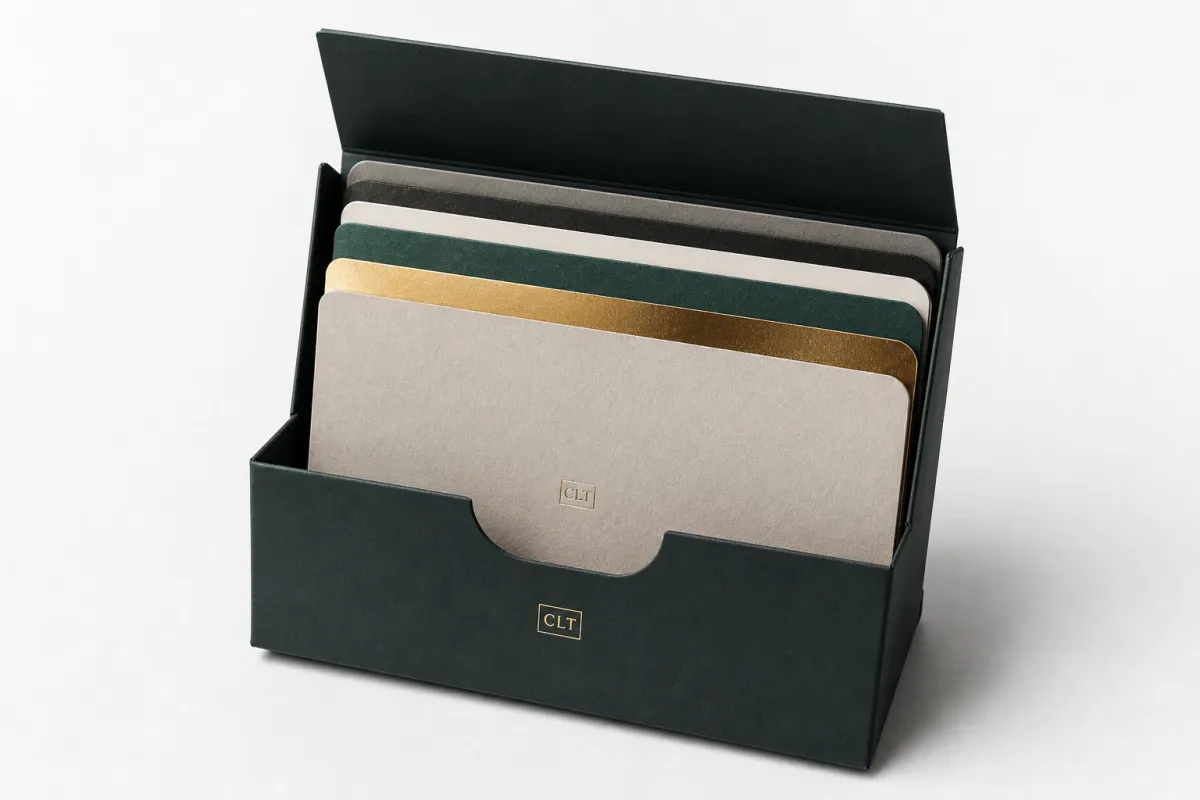
The biggest miss is simple: brands often start with the carton instead of the product. They ask whether the box needs thicker board, when the better question is whether the product needs restraint, cushioning, surface separation, or some combination of the three. In practice, how to choose box liners means tracing the exact point where damage begins. Is the item chipping at a corner? Is it rattling in transit? Is it scuffing a printed face? The liner should stop that specific problem, not just look protective.
Clear definitions help because packaging teams use these words loosely. A liner sits against or around the product to stabilize it. An insert is often a formed piece that positions the item precisely. A divider separates multiple units inside one carton. A wrap surrounds the product more loosely and usually protects the surface. Void-fill occupies empty space, yet it does not always control movement well enough for fragile or premium goods. Skip that distinction and how to choose box liners gets harder than it needs to be.
One point tends to surprise teams: a stronger outer carton is not always the best or cheapest answer. Heavier board can help with compression, but it may do little for vibration, abrasion, or edge crush at the product level. A well-designed liner, by contrast, can control movement and spread pressure exactly where damage begins. That is why how to choose box liners often creates more value than debating flute thickness alone.
The carton surviving is not the same thing as the product surviving.
Think of the package as a stack of jobs. The product sits in the center. The liner manages contact points and movement. The carton provides external structure. The shipper or master case handles transport load and rough handling. Each layer carries a different burden, and each layer fails in a different way. Once that picture is clear, how to choose box liners turns into a process of balancing restraint, cushioning, cost, and assembly speed.
- Restraint: keeps the product from shifting inside the box.
- Cushioning: softens shock and reduces concentrated pressure.
- Separation: prevents surfaces, edges, and finishes from touching.
- Presentation: supports the unboxing experience for retail or premium goods.
That last point matters more than many buyers admit. A liner can be hidden during transit, yet it still shapes the first impression the moment the box opens. If you are comparing options for how to choose box liners, you are not only buying protection; you are also buying consistency, speed, and the chance to make arrival feel intentional.
How Box Liners Work Inside the Package
Box liners do three jobs at once: they stabilize the product, distribute pressure, and limit direct contact with the outer carton. That sounds straightforward until the package enters the real world. A parcel can face vibration for hours, compression from stacked freight, and sudden impacts during handoff. The right liner turns those forces into broad contact rather than point pressure. That is the mechanical core of how to choose box liners.
Different structures handle different threats. A corrugated insert can hold shape well and often suits rigid items that need precise position control. Molded pulp can absorb shock and bring a recycled fiber story that many buyers value, especially when the product is not glossy or easily marked. Foam can work well for delicate surfaces and higher shock absorption, though it is not always the easiest fit for recycling goals. Paper wraps and folded liners can perform beautifully for lighter goods, but they may not solve compression or corner crush on their own. In plain terms, how to choose box liners is really a question of which force you are trying to manage.
Material behavior changes in transit too. Corrugate tends to be strong in structure but less forgiving when the fit is loose. Foam can absorb energy yet bring higher material cost and, in some cases, more environmental concern. Molded pulp can nest well and reduce movement, but its performance depends on density, wall thickness, and how much free space surrounds the item. Paper-based liners can score well on recyclability, though they often need careful die-cut design to resist crushing. Anyone serious about how to choose box liners needs to think about the shipping lane, not just the sample photo.
For standard parcel testing, many teams start with ISTA procedures such as ISTA 1A for basic integrity checks or ISTA 3A for parcel distribution simulation. The goal is not to chase certifications for their own sake; it is to reproduce the stress pattern your product will actually face. You can read more about distribution testing at ISTA, and if your material choice touches fiber sourcing or board certification, FSC is a useful reference for responsible forestry claims. Good testing turns how to choose box liners from a preference exercise into an evidence-based decision.
A useful mental model is simple: if the carton is the shell, the liner is the seat belt. The shell keeps the package together. The liner keeps the item where it belongs. Without that restraint, a product can survive the courier network and still fail the moment someone opens the box.
What To Watch In Transit
Vibration is the quiet killer. It rarely leaves dramatic damage, yet it can create edge wear, coating scuffs, and fastener loosening. Compression is easier to spot because it flattens or indents items in a stack. Abrasion shows up on printed surfaces, polished plastics, and painted finishes. Moisture and temperature swings can soften some paper structures or change how foams recover after compression. Every one of those issues should shape how to choose box liners.
If you are shipping a rigid bottle, a cosmetic jar, a small appliance, or a premium accessory, the liner has to stop tiny movements that become larger damage over time. A two-millimeter shift may sound trivial on a packing table; after several miles of vibration, it can become a scratched coating or a chipped corner. Experienced buyers keep asking how to choose box liners that control the product, not just the empty volume around it.
Key Factors for How to Choose Box Liners
Start with the product itself. Weight matters, but it is not the only thing that matters, and it is often not the most important thing. A light item with a fragile finish can need more precise support than a heavier, rugged one. Shape matters because odd corners, narrow necks, and uneven bases create stress points. Surface finish matters because soft-touch coatings, glossy inks, and polished plastics can scuff even when they do not break. If you are thinking through how to choose box liners, rank the risk by failure mode, not by mass.
Next, check the box dimensions and the headspace inside it. Too much space invites movement. Too little space can compress the product or make packing slow and awkward. Some brands also want the liner to improve shelf presentation, especially for retail-ready or unboxing-focused packaging. That adds another layer of decision-making because the liner must protect the item and still open cleanly. Good how to choose box liners work includes both transport fit and customer-facing fit.
Shipping conditions matter just as much. Parcel networks create more touchpoints and more vibration than palletized freight. Long-distance lanes increase the odds of repeated handling. Hot or humid routes can punish paper-based structures if the design is marginal. Export shipments may need extra restraint because the package can sit longer in warehouses or move through multiple carriers. So, how to choose box liners should always reflect the actual shipping method, not a hypothetical best case.
Material selection deserves a practical lens. Corrugate is often ideal when you need structure, separation, or printed branding on a fiber-based insert. Molded pulp works well when you want a fiber story and can tolerate slight texture variation. Foam can be appropriate for shock-sensitive items and exact cushioning requirements. Paperboard is often a good fit for lighter products and high-speed assembly. Recyclability goals matter, but they do not override performance. A greener material that fails in transit is not a greener choice at all, so how to choose box liners needs both environmental and functional judgment.
Operational fit is the last factor, and it is easy to ignore until a line slows down. How long does it take to assemble one unit? Does the liner arrive flat, nested, or pre-formed? Does it require gluing, folding, or a secondary step? Can a fulfillment worker learn it in minutes, or does it need training and jigs? If a liner saves pennies but adds 20 seconds of labor per order, the labor bill can erase the savings quickly. That is why how to choose box liners should always include the packing workflow, not just the bill of materials.
- Fragility: chips, dents, scratches, or breakage risk.
- Fit: exact internal dimensions and headspace.
- Lane: parcel, freight, export, hot, humid, or multi-touch.
- Material: corrugate, molded pulp, foam, paperboard, or hybrids.
- Operations: assembly speed, storage footprint, and reordering rhythm.
One useful shortcut is to score each factor from one to five. Give the product a fragility score, the lane a stress score, and the process a labor score. Then compare the total against the complexity of the liner. That simple matrix often reveals whether how to choose box liners should move toward a stock option, a small custom adjustment, or a fully engineered insert.
Sustainability belongs in the mix, though it should stay grounded in performance. FSC-certified fiber, lower material usage, and recyclable structures can all help, yet they only matter if the liner keeps the product safe. A buyer does not get extra credit for a lower-impact liner that increases returns. The better question in how to choose box liners is how to balance environmental goals with damage prevention and packing efficiency.
I have watched teams spend weeks debating board grade and finish while ignoring the two real failure points: movement and assembly. That kind of drift is common, and it usually costs more later. Keep the conversation anchored to the product and the route, and the design decisions get a lot less fuzzy.
Cost, Pricing, and MOQ for Box Liners
Unit price by itself can mislead. A liner that costs less upfront can become more expensive once you factor in damage, returns, repacking labor, and replacement product. The right lens is total landed cost per protected shipment. That is where how to choose box liners becomes a finance question as much as a packaging one.
As a rough market benchmark, simple stock paper-based liners may land somewhere around $0.08-$0.25 per unit at decent volume, while custom corrugated or folded inserts can often sit in the $0.18-$0.60 range depending on complexity. Molded pulp and foam parts can go higher, especially when tooling, density, or finishing requirements are tight. Those numbers are directional, not universal, but they help frame how to choose box liners against actual budget pressure instead of vague “affordable” language.
MOQ and setup fees matter more than many buyers expect. Small runs may carry higher unit pricing because die-cut tooling, molding tools, or print setup have to be recovered across fewer pieces. A quote can also change because of print coverage, board grade, moisture resistance, or special finish requirements. If you want useful pricing, share product dimensions, yearly volume, target run size, and the level of protection you need. Clear input is part of how to choose box liners because it reduces back-and-forth and removes hidden assumptions.
Here is a simple comparison many teams use before they ask for samples. The goal is not to crown a winner; it is to see where each option makes financial sense.
| Option | Best For | Typical Unit Cost | MOQ Profile | Notes |
|---|---|---|---|---|
| Stock corrugated liner | Standard products, moderate protection needs | $0.08-$0.25 | Low to medium | Fast to source, limited fit control |
| Custom corrugated insert | Precise fit, branding, line speed | $0.18-$0.60 | Medium | Often the best balance of cost and structure |
| Molded pulp tray | Fiber-based sustainability goals, shaped support | $0.22-$0.75 | Medium to high | Performance depends on density and wall design |
| Foam insert | Shock-sensitive or premium finished products | $0.30-$1.20+ | Medium | Can be strong on protection, but review recyclability and cost |
The smartest buying comparison is cost per protected shipment, not cost per liner. If a lower-priced option creates a 1% higher damage rate on a product worth $40, the math changes quickly. This is where how to choose box liners starts to feel like a small P&L exercise. The liner is not just packaging; it is insurance against avoidable loss.
Another trap is assuming the cheapest quote includes everything. Ask whether the quote includes tooling, print setup, freight, samples, and any secondary conversion. Ask whether the board grade is the same across options. Ask whether the supplier has already priced in assembly complexity or if that will show up later in your labor line. Better questions make how to choose box liners far more predictable.
Process and Timeline: From Spec to Production
The buying process should start with discovery, not sampling. First, define the product dimensions, weight, break points, surface finish, and shipping lane. Then decide what “good” looks like: lower damage, faster pack-out, cleaner presentation, or a stronger sustainability profile. That brief becomes the backbone of how to choose box liners without wasting time on random prototypes.
After discovery, the supplier usually builds a concept or dieline, then sends samples. Depending on complexity, a simple stock-based solution can move faster than a custom-formed insert that needs tooling or several revisions. A simple project might move from brief to production in 10-15 business days after approval, while a more complex custom structure can take several weeks because sampling, changes, and sign-off all take time. Planning for that range is part of how to choose box liners realistically.
Testing should happen before approval, not after launch. Use your actual product where possible. If the item has fragile trim, add the trim. If it has a painted finish, use a painted sample. Run transit-style checks, check the unpacking experience, and inspect for movement, abrasion, and compression marks. For many brands, how to choose box liners becomes clearer after just one round of real samples because the weakest point usually shows itself quickly.
Approval usually needs more than one person. Operations cares about assembly speed. Procurement cares about unit cost and MOQ. Quality cares about damage reduction and consistency. Marketing may care about presentation if the liner is visible on opening. When everyone signs off on different criteria, the process gets slower unless the spec is written clearly. A good spec sheet is a practical tool for how to choose box liners because it aligns the team before production starts.
- Write a one-page spec with dimensions, product photos, and failure points.
- Ask for one stock option and at least one custom option.
- Request samples at the same time, not in separate phases.
- Test fit, movement, and surface contact with the real product.
- Approve only after operations and quality both sign off.
Reorders deserve attention too. If the liner is tied to a seasonal SKU or a launch window, build in reorder time before the last carton ships. A lot of packaging headaches come from treating the insert as an afterthought. In practice, how to choose box liners includes deciding how you will keep the same fit, the same finish, and the same supply reliability on the next run.
Common Mistakes When You Choose Box Liners
The first mistake is choosing by weight alone. Weight matters, but it is only one signal. A 300-gram glass vial may need more precise restraint than a 1-kilogram molded plastic item. A light item can still break if it shifts and hits a hard edge. That is why how to choose box liners should begin with fragility, not just load.
The second mistake is over-engineering. Brands sometimes add thickness, folds, or multiple layers because they assume more material automatically means better protection. That is not always true. Extra complexity can slow the packing line, add cost, and make the liner harder to place correctly. Worse, a bulky liner may create new pressure points. Good how to choose box liners thinking trims the design until it solves the problem and no further.
The third mistake is skipping real-world testing. A mockup on a table is not a transit test. A product that feels tight by hand may still vibrate in a moving truck. A liner that looks elegant in a photograph may collapse under stacking. In my experience, how to choose box liners without shipped samples is mostly guesswork wearing a clean shirt.
The fourth mistake is fit. Too much movement and the product bangs around. Too much compression and delicate surfaces deform. Returnable products need a slightly different mindset because the liner has to protect the item on the way out and sometimes on the way back in. Teams that ignore the return path often end up revisiting how to choose box liners after the first wave of customer complaints.
The sustainability trap deserves its own mention. A recycled or recyclable material is not automatically better if it performs poorly, adds waste through returns, or requires more packaging to achieve the same protection. Buyers sometimes confuse material claims with actual packaging outcomes. A better approach to how to choose box liners is to compare performance, fiber sourcing, and end-of-life reality together.
A greener liner that increases returns is not a greener decision.
Another subtle mistake is ignoring how the product will be opened. A liner that is hard to remove can annoy customers and slow down fulfillment. A liner that sheds dust can contaminate finished goods. A liner that hides the product too deeply can weaken the presentation. These are not cosmetic issues; they shape the customer’s view of the brand. That is another reason how to choose box liners should include both shipping performance and unboxing flow.
And one more, because it comes up constantly: do not assume the same liner works for every SKU in a family. A bottle, a refill pouch, and a gift set can share a carton size while needing very different restraint. One size fits all is tempting, but it usually gets expensive later. That’s the kind of shortcut that sounds efficient until returns start creeping up.
Expert Tips and Next Steps to Choose Box Liners
Build a one-page spec sheet before you request quotes. Include internal carton dimensions, product weight, surface finish, shipping method, acceptable damage threshold, and any branding or presentation requirements. Add photos of the weak points. If you are serious about how to choose box liners, this document saves time, reduces revision loops, and gives suppliers a real target.
Test three versions side by side if you can: the current liner, a lower-cost option, and the most protective option. That comparison makes tradeoffs visible in a way a single sample never will. You may discover that the cheapest version is acceptable, or that a small increase in material cost eliminates damage and pays for itself quickly. Side-by-side testing is one of the clearest tools for how to choose box liners without emotional bias.
Track more than appearance. Measure assembly time per unit, fit consistency, return complaints, and any failures by mode: scuffing, crushing, shifting, or corner damage. The prettiest sample is not always the best performer. A liner that reduces pack-out time by five seconds can matter more than one that looks slightly cleaner. That kind of evidence makes how to choose box liners much easier for procurement and operations to agree on.
Compare suppliers on responsiveness as well as price. A supplier who returns clean drawings, clear quote notes, realistic timing, and usable samples is often worth more than a low bidder who leaves you guessing. I would also ask whether they can support revisions without a full restart, because packaging rarely stays frozen after the first test round. The more disciplined the supplier, the less painful how to choose box liners becomes.
Here is the short version: protect the product at its weakest point, choose the liner that solves the actual transit problem, keep the packing line fast enough to live with, verify the result with real samples, and lock the spec so the next reorder matches the first one. That is the simplest version of how to choose box liners, and honestly, it is usually the one that works best.
One final practical takeaway: if you have to choose before every detail is perfect, prioritize fit and movement control first, then line speed, then presentation. A box liner that arrives a little less fancy but keeps the product stable is almost always the smarter call.
FAQ
How do I choose box liners for fragile products?
Start with the break point: if the product chips, dents, scratches, or shifts, the liner should stop that exact failure mode. Choose a structure that limits movement and spreads pressure evenly, then test it with the real product, not just a dummy weight. For fragile goods, how to choose box liners usually comes down to restraint plus controlled cushioning, not just thicker material.
What is the best material when choosing box liners?
The best material depends on the threat. Corrugate often suits structural support, molded pulp can suit fiber-based sustainability goals, and foam can suit shock absorption. Match the material to the product surface, shipping lane, and packing workflow instead of starting with a material preference. That is the practical heart of how to choose box liners.
How much do custom box liners usually cost?
Pricing depends on size, complexity, quantity, print, and setup requirements, so two similar-looking liners can have very different quotes. A useful comparison is total cost per protected shipment, not just the unit price. If you are evaluating how to choose box liners, ask for a landed-cost view that includes damage risk, labor, and freight.
How long does the box liner process usually take?
Simple stock solutions can move quickly, while custom structures usually take longer because sampling, revisions, and approval add steps. Lead time is usually driven by material availability, complexity, and how quickly the buyer reviews samples. For how to choose box liners on a deadline, the safest move is to request samples before the final production window opens.
Should I choose custom or stock box liners?
Choose stock when the product is standard, the risk is moderate, and speed matters more than exact fit. Choose custom when the product is fragile, premium, oddly shaped, or expensive to replace after damage. That final decision point is often the clearest part of how to choose box liners: if fit and protection drive the business outcome, custom usually earns its place.
Related packaging resources
Use these related guides to compare specs, costs, quality checks, and buyer decisions before making the final call.


