Buyer Fit Snapshot
| Best fit | Correct Box Dimensions for Packaging projects where brand print, material claims, artwork control, MOQ, and repeat-order consistency need to be specified before quoting. |
|---|---|
| Quote inputs | Share finished size, material target, print colors, finish, packing count, annual reorder estimate, ship-to region, and any compliance wording. |
| Proofing check | Approve dieline scale, logo placement, barcode or warning zones, color tolerance, closure strength, and carton packing before bulk production. |
| Main risk | Vague material claims, crowded artwork, missing packing details, or unclear freight terms can make a low unit price expensive after revisions. |
Fast answer: Correct Box Dimensions for Packaging: Board, Finish, Dieline, and Unit Cost should be specified like a repeatable production item. The safest quote records material, print method, finish, artwork proof, packing count, and reorder notes in one written spec.
Production checks before approval
Compare the actual filled-product size with the drawing, then confirm tolerance on folds, seals, hang holes, label areas, and retail display edges. Reserve space for logos, QR codes, warning copy, and material claims before decorative graphics fill the panel.
Quote comparison points
Review material grade, print process, finish, sampling route, tooling charges, carton quantity, and freight assumptions side by side. A quote is only useful when the supplier can repeat the same color, closure quality, and packing count on the next order.
A box that is off by even 1/8 inch can create problems that show up later in packing, shipping, and customer satisfaction. Learning how to choose correct box dimensions is one of those packaging decisions that looks straightforward on a spec sheet and then starts affecting protection, freight, and presentation once cartons begin moving through the real world.
From a packaging buyer's point of view, how to choose correct box dimensions is not just about getting the product inside a carton. The real job is balancing clearance, cushioning, board strength, stacking behavior, dimensional weight, and the way the package feels when somebody opens it on the other side.
How to choose correct box dimensions: why fit matters
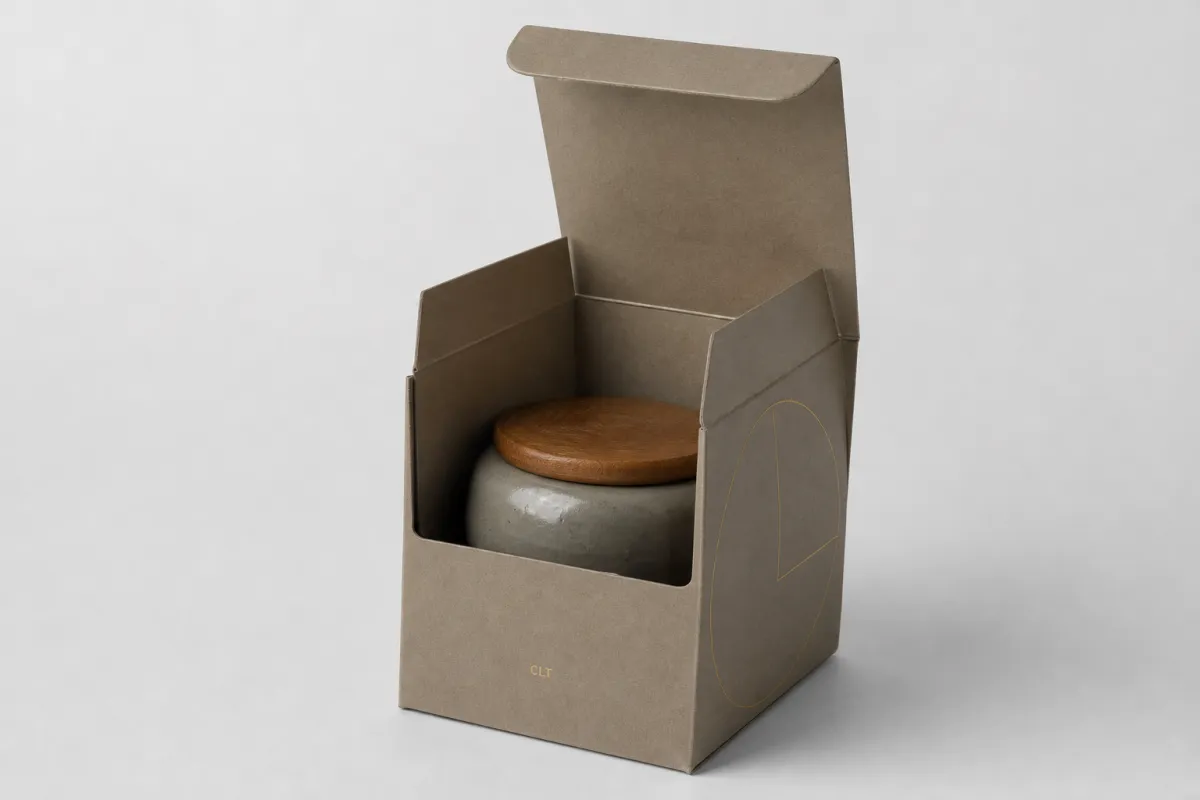
A surprisingly small sizing mistake can ripple through the whole supply chain, which is why learning how to choose correct box dimensions matters more than many teams realize. A carton that is even a little too large can trigger extra void fill, more shifting in transit, higher dimensional weight charges, and a weaker unboxing experience, while a carton that is too tight can slow packing, crush graphics, pinch closures, or scuff the product during insertion.
The first thing to understand is that the right box is not just about whether the item physically fits inside it. Packaging also has to survive handling, stacking, vibration, and temperature swings without letting the product rattle around or press hard against the panel walls. That is why how to choose correct box dimensions always starts with the real packed product, not the empty carton sample that happens to be sitting on the shelf.
Picture two identical products, one packed into a right-sized mailer and the other dropped into a carton with two extra inches of empty space in every direction. The larger box usually needs more paper or air pillows, takes longer to pack, occupies more cube in the warehouse, and often looks less considered to the customer, even if the product itself is exactly the same. The better-fitted option usually ships safer and costs less to move.
A lot of box waste starts with people treating dimensions as a catalog selection instead of a structural decision. How to choose correct box dimensions is really a systems question: what does the product weigh, how fragile is it, what insert will it use, how will it be stacked, and how much tolerance does the fulfillment line need so operators can pack it consistently without fighting the carton?
A carton should hold the product the way a good work glove holds a tool: secure, supportive, and not so loose that the item knocks around.
That is the core idea behind how to choose correct box dimensions. The best size is rarely the biggest box that works, and it is rarely the tightest box that can be forced shut. It is the size that protects the item, respects the shipping method, and still gives the converter and the fulfillment team a practical package to build and run.
For custom logo packaging, fit also affects presentation. A clean, centered product inside a crisp carton gives the brand a more deliberate feel, especially if the box opens front-facing or has a printed interior. If the item is floating in a sea of filler, the whole design loses some of that value. That is why how to choose correct box dimensions matters as much for customer experience as it does for damage control.
How to choose correct box dimensions for your product
Start with the product itself, not the box catalog, and measure the finished item at its longest, widest, and tallest points. Include caps, hinges, labels, handles, corners, trigger sprayers, taped seams, or any other irregular edge that changes the true space the item occupies. If you are learning how to choose correct box dimensions, this is the point where careful measuring saves money later.
Use internal dimensions for box selection because those are the usable dimensions inside the carton. Then add the space needed for protective materials such as paper, foam, pulp, corrugate pads, or molded inserts that keep the item from touching the walls. In many packaging programs, I start by thinking in terms of packed dimensions, not product dimensions, because the packout is what the box has to hold in the end.
If the product can ship in more than one orientation, compare each one instead of assuming the most obvious layout is the best. Sometimes rotating the item changes the protection needs, the loading pattern, and the shipping efficiency in a meaningful way. A bottle shipped upright may need a taller carton with a very different closure style, while the same bottle laid on its side may fit into a shorter format with better cube efficiency, as long as the label, closure, and liquid all tolerate that orientation.
This is also where box style matters. A mailer box, tuck box, folding carton, and regular slotted container all behave differently once board thickness, flap overlap, and closure geometry are factored in. The nominal size on a spec sheet can be misleading if you do not account for caliper, score compression, or insert thickness. Learning how to choose correct box dimensions means learning how the structure changes the usable interior space.
- Measure the product fully packed if it ships with sleeves, wraps, retail trays, or caps already in place.
- Record internal length, width, and height separately so the carton is quoted from the inside out.
- Account for inserts before approving art, because a 0.125 inch insert on each side changes the real fit quickly.
- Check the opening direction so the product can be packed without scraping graphics or folding structural flaps the wrong way.
One practical range I often see for a snug but workable fit is roughly 1/8 inch to 1/4 inch of clearance per side before cushioning behavior is added into the calculation. That is not a universal rule, because a rigid glass item needs a different strategy than a soft textile bundle, but it is a reasonable starting point for how to choose correct box dimensions in a custom packaging conversation.
It also helps to separate shipping fit from display fit. A retail carton may need a little more margin for shelf handling and consumer access, while a transit mailer can be more compact if the internal packaging has already done the protection work. The same product might use two different box sizes depending on whether it is going direct to consumer, into a retail chain, or into a kitted subscription program.
Key factors that affect box size and fit
Fragility should always influence the size choice. Glass, electronics, cosmetics, and precision parts usually need a tighter fit with controlled cushioning, while soft goods may allow more tolerance without raising damage risk. If you are serious about how to choose correct box dimensions, fragility is one of the first variables to write down, because it changes both the clearance and the insert design.
Weight and stacking pressure matter just as much as dimensions. A carton that looks fine on a workbench may fail once it is palletized, warehoused, or stacked under another shipper in a freight lane. For cases that will be palletized, board grade and flute selection become part of the sizing decision, because the right internal space is only useful if the box can carry the load without bowing at the panels or crushing at the corners.
The shipping channel changes the equation too. Parcel shipments are sensitive to dimensional weight and rougher handling, while freight shipments usually care more about cube efficiency, pallet patterns, and compression. Retail display packaging adds another layer because the package may need to look sharp on the shelf while still surviving store handling. A box that works well for direct-to-consumer mail may be a poor choice for club-store shelf flow, and that is why how to choose correct box dimensions always has to include channel planning.
Carton style is a major lever. A folding carton with tuck flaps behaves differently from a corrugated mailer with self-locking ends, and a die-cut insert can change the usable interior far more than a casual estimate suggests. Board caliper, score depth, and even the way artwork wraps around a corner can affect final fit. In real production, a few millimeters can matter more than the marketing mockup makes it seem.
For sustainability-minded programs, material source and right-sizing go hand in hand. The EPA has useful guidance on source reduction and packaging waste prevention, and FSC certification can matter if your buyer wants verifiable fiber sourcing. EPA source reduction guidance and FSC certification are both worth reviewing if the box program is part of a broader packaging responsibility plan.
Testing standards matter too. If a package is going through parcel distribution, I prefer to think in terms of real transit performance rather than hopeful fit. Organizations such as ISTA publish test methods that help teams evaluate vibration, drop, and compression risk. For many products, ISTA 3A or ASTM D4169 style thinking gives a better answer than a quick visual check on a desk.
Here is a simple rule of thumb: the more fragile the item, the more disciplined the internal dimension control needs to be. That does not always mean tighter in every direction, because some products need controlled crush zones or insert compression, but it does mean the dimensions should be chosen intentionally instead of inherited from a previous run. How to choose correct box dimensions is really about matching the carton geometry to the product's failure points.
One more factor people underestimate is pack speed. If the box is so tight that operators must angle the product awkwardly, the labor cost can rise even if the carton itself is cheaper. If the box is too loose, the line may need more filler, more time, and more rework. In a high-volume run, those minutes and fractions of a cent become real money.
Process, timeline, and lead time for box dimension approval
The process usually begins with a specification brief, then moves into sample or dieline review, and ends with approval of the final internal dimensions before production starts. I like to treat dimension choice as a formal decision, not a rough estimate scribbled on a phone photo. That approach keeps how to choose correct box dimensions tied to the actual product build, not to memory or guesswork.
Timeline stretches when measurements are incomplete, inserts are still being finalized, or the product bundle keeps changing. Each adjustment can affect fit, tooling, print layout, and the carton blank the converter needs to run. A box that is technically correct on paper can still miss the mark if the team changes the bottle cap, swaps the tray, or adds a folded leaflet after the spec has already been sent out for quoting.
Lead time is usually shorter when the exact box style, board type, and quantity are known early. Plain samples can often be turned around fairly quickly, while printed production often takes longer because proofing, color checks, and finishing all add steps. For many custom packaging programs, a realistic production window might be 10 to 20 business days after proof approval, but that depends on quantity, tooling, finishes, and schedule load. That is another reason how to choose correct box dimensions should happen before artwork is locked.
A practical approval flow looks like this:
- Measure the finished product and any insert or wrap that ships with it.
- Confirm the target shipping method, because parcel and freight programs behave differently.
- Review a dieline or sample with the actual packed item.
- Freeze the internal dimensions once the packout is stable.
- Approve artwork only after the structure is settled.
If you skip that sequence, the project tends to slow down later. Artwork may need to shift after the box size changes. Insert tooling may need another round. Fulfillment teams may ask for a different closure because the old one was too slow. Every extra revision pushes the release date, and the shipping department is often the first place that feels the delay.
From a production standpoint, a dimension approval should include tolerances. Not every carton can hold a perfect fractional inch with no variation at all, especially if board caliper or scoring is involved. A good spec sheet will state the nominal internal dimensions, the acceptable tolerance, the insert thickness, and the approved packing method. That level of detail keeps reorders consistent and makes how to choose correct box dimensions repeatable across multiple production runs.
Cost and pricing: how box dimensions change your quote
Box size affects cost in several directions at once. Larger cartons consume more board, take up more warehouse space, can increase freight charges, and may raise dimensional weight pricing even when the product itself is lightweight. Smaller cartons can reduce those costs, but only if the packout still works cleanly and does not create labor problems or extra insert expense. That is why how to choose correct box dimensions is also a pricing exercise, not just a structural one.
Smaller is not automatically cheaper. If the carton becomes too tight, the operator may need extra time to load it, or the insert may have to be upgraded to protect the item. A slightly larger but well-designed carton can sometimes beat an overly tight design on total landed cost. On the other hand, oversized boxes usually create obvious waste in corrugate, filler, shipping cube, and customer-perceived value. The sweet spot is the size that protects the item without paying for empty air.
When you request a quote, ask how the dimensions affect unit cost, setup expectations, minimum order quantity, shipping cartons, and pallet configuration. Ask for at least two or three practical size options so you can compare not only the box price, but the total effect on packing time and freight. A good supplier should be able to explain how to choose correct box dimensions in a way that shows the downstream cost impact, not just the die-cut price.
| Option | Typical price behavior | Material use | Packing speed | Freight and cube impact | Best fit for |
|---|---|---|---|---|---|
| Right-sized custom carton | Often the best total cost after shipping is counted; unit quote may be slightly higher than a generic stock box | Lower board use, less filler | Usually fast once the packout is proven | Usually the most efficient for parcel and storage | Stable SKUs, branded unboxing, repeat replenishment |
| Oversized standard carton | Lower upfront box price, but often 5% to 20% higher total packaging and freight cost over time | More board and more void fill | Can be slower because the item needs extra dunnage | Frequently worse dimensional weight and pallet cube | Short runs, temporary programs, low-risk soft goods |
| Universal multi-SKU carton | Quote may look attractive, but inserts or fillers can add noticeable packing cost | Moderate to high depending on insert design | Often slower if the team has to choose among multiple inserts | Acceptable if the size range is narrow; weaker if the range is broad | Programs with several similar product sizes |
That table is not a universal price sheet, because every quote depends on board grade, print coverage, quantity, and finishing. Still, the pattern is consistent: a box that is better sized usually costs less somewhere else in the chain. A tight spec can lower dimensional weight by a meaningful amount, and a cleaner insert fit can reduce damage claims, which often matters more than a few cents on the carton itself.
In many parcel programs, the difference between a 9 x 6 x 3 carton and an 11 x 8 x 4 carton can be big enough to change the carrier bill, even if the raw board cost barely moves. That is why how to choose correct box dimensions should be discussed alongside shipping zone, average order value, and the expected damage rate. If the carton is part of a branded retail box, the look and feel matter too, because a better customer experience can justify a slightly higher material cost.
There is also a waste angle. Bigger cartons typically mean more corrugate, more void fill, and more material that ends up in the recycling stream. Some buyers see that only as a sustainability issue, but it is also a cost issue, a storage issue, and a fulfillment issue. Right-sizing helps all three.
Step-by-step guide to choosing the right dimensions
Step 1 is to measure the product accurately with real tools, not guesswork. Record the longest, widest, and tallest points, then add the packaging components that will ship inside the carton. If the item has a sleeve, a closure, a leaflet, a tray, or a retail-ready insert, include those pieces now rather than waiting until the box is already quoted. That is the foundation of how to choose correct box dimensions without surprises later.
Step 2 is to define the protection strategy. Bubble wrap, Paper Void Fill, molded pulp, foam, corrugated dividers, and custom inserts all change the internal clearance you need. A rigid insert can hold the item almost perfectly centered, while loose fill needs more empty space to work as intended. This decision should happen before the box size is finalized, because the internal dimensions should reflect the real packout, not the other way around.
Step 3 is to build the box around the packed item and then compare that packed size against the carton style, shipping method, pallet pattern, and branding requirements. A display box may need a little more headroom so the opening does not scuff the product. A shipper may need less empty space so dimensional weight stays under control. A bundled kit may need compartments or a locking insert so components do not collide during transit. How to choose correct box dimensions gets easier once you think in layers: product, protection, structure, then channel.
Step 4 is to test a sample or prototype with actual packing materials. This is where drawings often meet reality. A sample packout can reveal flap interference, insert compression, or too much movement after seal-up. It can also expose practical issues like a carton that is technically the right size but too awkward for the fulfillment team to pack at speed. In my experience, one good sample test is worth a long email thread.
- Measure the finished product and any included materials.
- Choose the protection method before finalizing the box.
- Compare at least two dimension options for cost and fit.
- Sample the packout with the actual closures and inserts.
- Freeze the spec once the fit, speed, and presentation all line up.
One thing buyers often overlook is repeatability. A carton that works once is not enough if the program will be reordered for months or years. The best spec sheets show the approved internal dimensions, the carton style, board grade, insert thickness, and the exact pack method. That way, the next order follows the same path and how to choose correct box dimensions does not get re-litigated every time a reorder lands.
If you are managing multiple SKUs, keep a dimension matrix. It can be as simple as a spreadsheet with product name, packed size, internal box size, tolerance, board type, insert type, and ship method. Once that sheet exists, new products can often be compared against proven packaging rather than starting from zero. For a growing line, that structure saves time, lowers quoting friction, and makes the box program easier to explain to operations, sales, and purchasing all at once.
Common mistakes, expert tips, and next steps
A common mistake is sizing the box from the product alone and forgetting the true packed configuration. That is how teams end up making last-minute changes after inserts, labels, closures, and protective materials are added. Another common problem is assuming the inside of the carton will behave exactly like the drawing, when board caliper and score lines can eat into usable space. If you are serious about how to choose correct box dimensions, you have to account for the whole assembled system.
Another mistake is copying a competitor's box size or reusing a legacy carton without checking whether the product, shipping route, and brand presentation still match that old spec. Packaging needs drift over time. A product gets a new cap, a new tray, a new retailer, or a new shipping service, and suddenly the old carton is too loose, too tight, or too expensive to move. That is one reason I like fresh measurements at the start of every redesign.
Expert tip: keep a simple dimension spec sheet for every SKU. Include internal size, allowable tolerance, board type, insert thickness, and the approved packing method. If the box is printed, note the print side and any critical panel alignment. If the item is fragile, note the preferred orientation and the drop-risk areas. A short, clean spec often prevents the kind of small communication errors that cost days in production.
Expert tip two: compare at least two carton options before you approve the final structure. One option should be the tight fit, and the other should be the easier packout or the easier freight profile. That comparison shows where the tradeoff really lives. Sometimes the best choice is the one that saves labor. Sometimes it is the one that cuts dimensional weight. Sometimes it is a modestly larger box that protects the product better and gives the brand a more premium feel. How to choose correct box dimensions is about tradeoffs, not perfection.
Expert tip three: approve a real sample with the actual packing materials you plan to use. Paper, foam, pulp, and corrugate inserts all compress differently, and that compression changes the final fit. A sample also helps you see whether the product sits centered, whether the flaps close cleanly, and whether the shipment feels stable enough to survive normal handling. If the sample is loose, do not hope it will improve later; it will usually get worse under travel and vibration.
The next steps are practical and immediate:
- Measure one finished sample with a tape measure or caliper.
- Pack it with the intended inserts or cushioning.
- Compare at least two carton sizes side by side.
- Ask for a production quote that separates box cost from shipping impact.
- Verify that the final approval still supports how to choose correct box dimensions for the product you actually ship.
For custom logo packaging, that final check matters because branded packaging carries more than product protection. It carries the first physical impression of the brand. A cleanly fitted box feels intentional, while an oversized or awkward carton can make even a nice product feel improvised. If you remember only one thing from this discussion, remember this: how to choose correct box dimensions is a fit decision, a freight decision, and a brand decision all at once.
How do I choose correct box dimensions for a fragile product?
Measure the product after any inner wrapping is applied, not before. Leave only enough clearance for the chosen cushioning so the item cannot shift, then test the packed item for movement, corner contact, and flap pressure before approving production. For fragile goods, how to choose correct box dimensions usually depends on the insert or cushion system as much as the carton itself.
What is the difference between internal and external box dimensions?
Internal dimensions describe the usable space inside the carton, while external dimensions include board thickness and determine shipping cube and storage footprint. Always size the product fit from the inside measurements first, then check the outside measurements for freight planning, pallet layout, and warehouse storage. That sequence keeps how to choose correct box dimensions grounded in the real package, not the paper spec alone.
How much space should I leave around the product inside the box?
Leave only the amount needed for cushioning, insert compression, and easy assembly. Delicate products usually need controlled clearance rather than extra empty space, and a sample packout is the best way to confirm whether the gap is too tight or too loose. In many custom programs, how to choose correct box dimensions means aiming for the smallest fit that still gives the protection system room to work.
Do box dimensions affect shipping cost and dimensional weight?
Yes, larger cartons can increase parcel pricing even when the item is lightweight. Oversized boxes also raise material use, storage needs, and void-fill consumption. Optimized dimensions can reduce freight cost without sacrificing protection, which is why how to choose correct box dimensions should be part of the shipping conversation, not just the packaging conversation.
Can I use one box size for multiple products?
Yes, if the size range is narrow and the packout remains secure for every item. You may need inserts or dividers to keep smaller products from shifting, and a multi-SKU box program should still be tested with every item before launch. A universal box can work well, but how to choose correct box dimensions still matters because the insert must control the slack.
If you only remember one rule, make it this: how to choose correct box dimensions starts with the finished packed item, not the product alone, and the right answer usually comes from measuring, sampling, and checking freight impact before you lock the spec.
Related packaging resources
Use these related guides to compare specs, costs, quality checks, and buyer decisions before making the final call.


