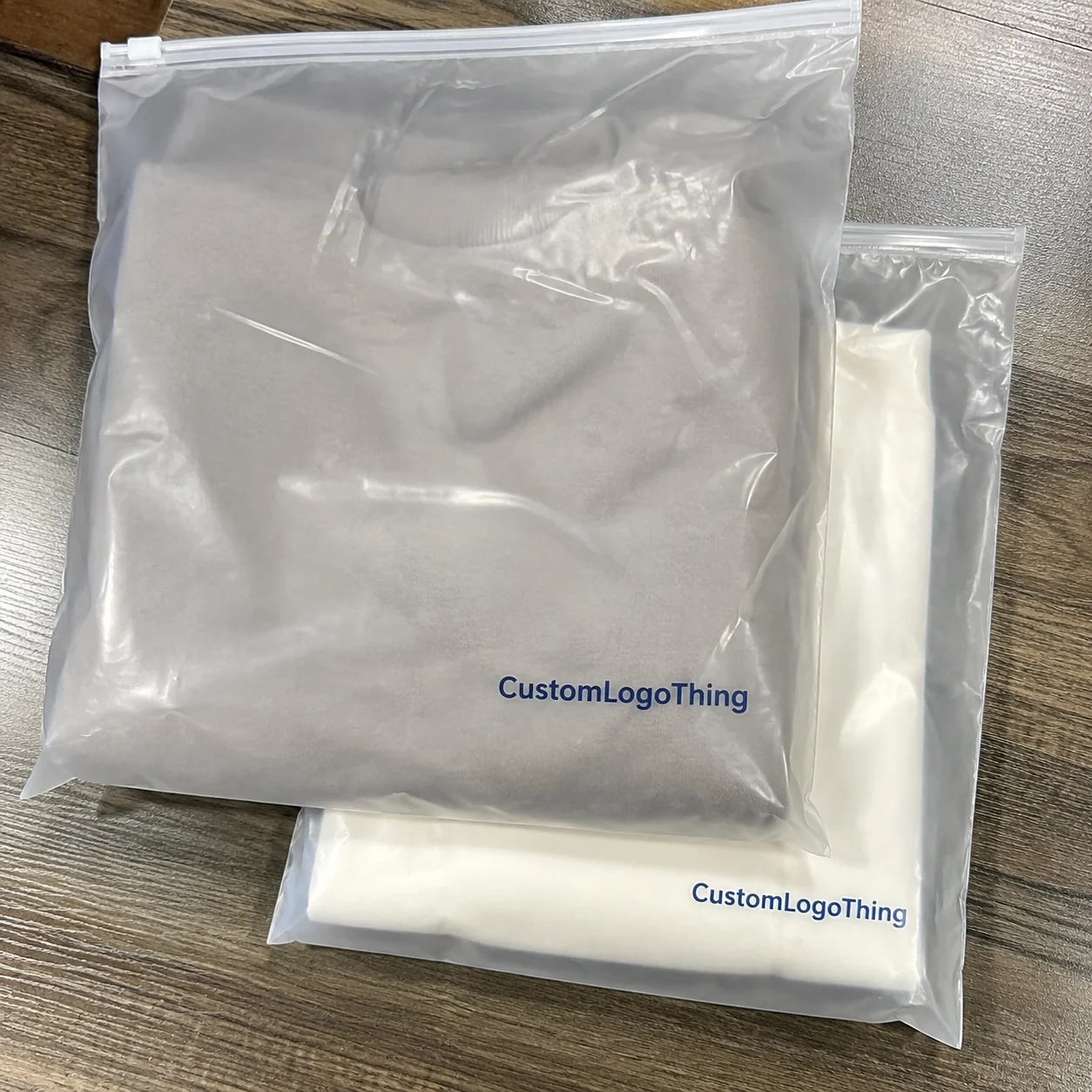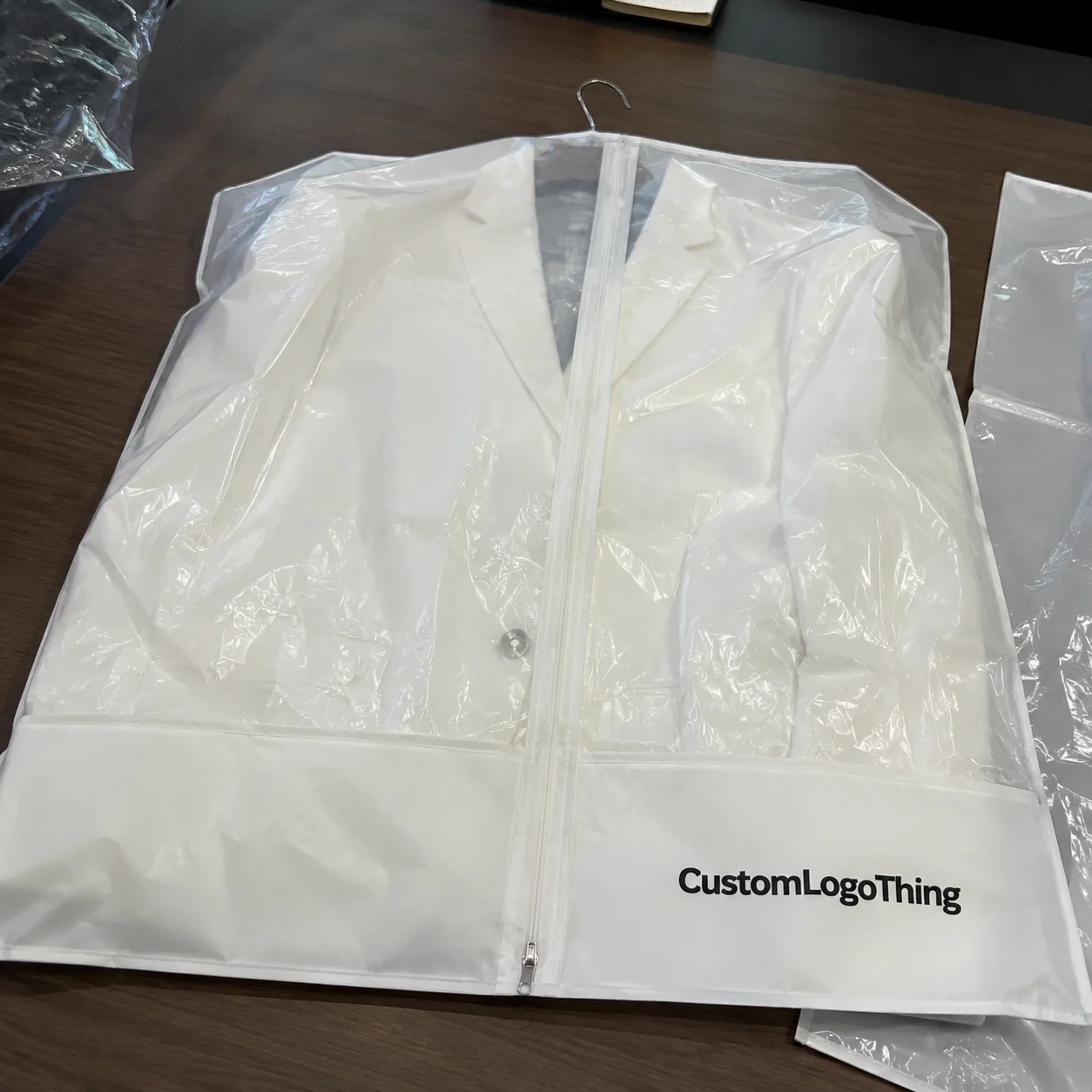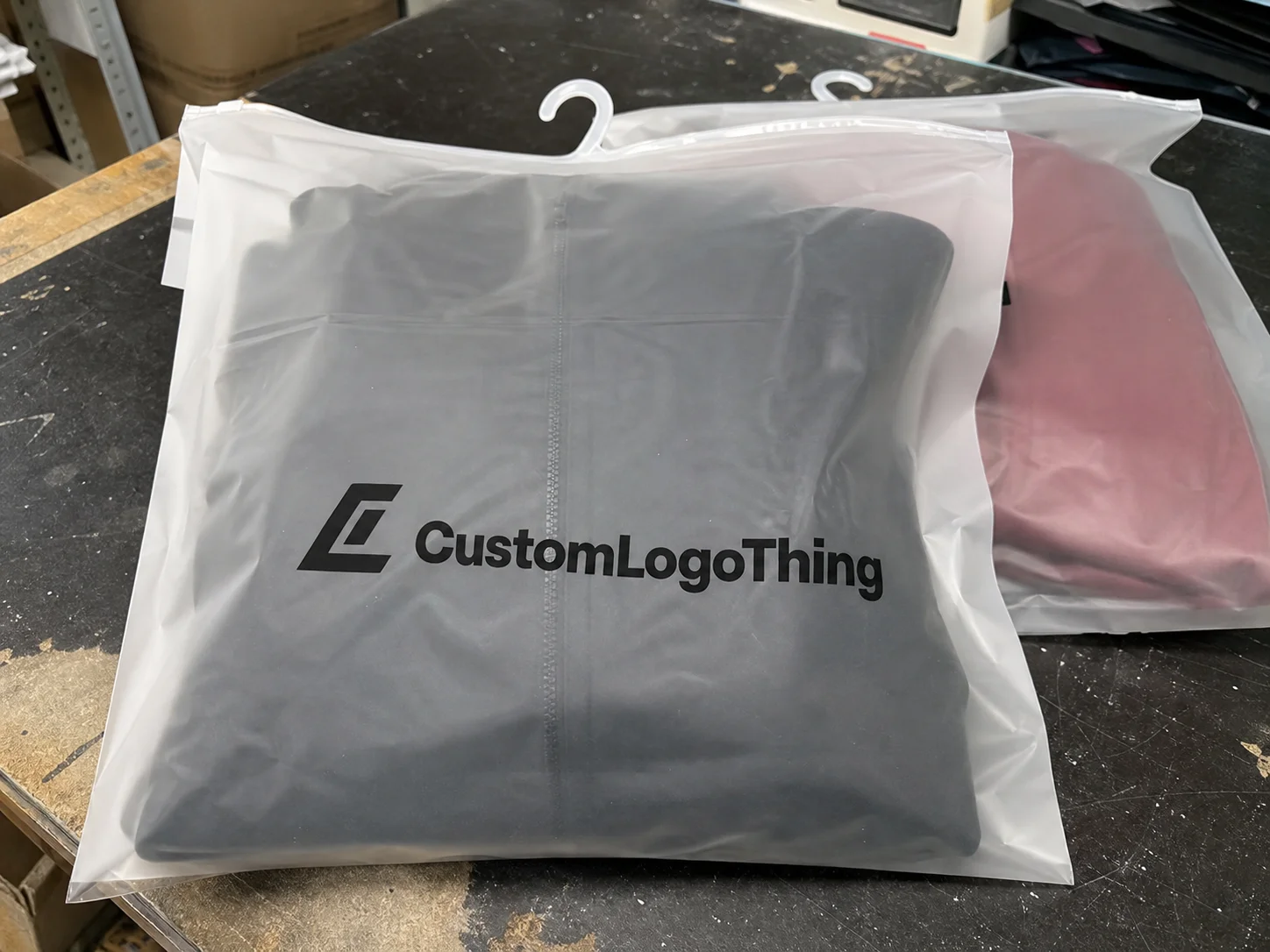
Buyer Fit Snapshot
| Best fit | Create Memorable Unboxing Moment Every Time projects where brand print, material claims, artwork control, MOQ, and repeat-order consistency need to be specified before quoting. |
|---|---|
| Quote inputs | Share finished size, material target, print colors, finish, packing count, annual reorder estimate, ship-to region, and any compliance wording. |
| Proofing check | Approve dieline scale, logo placement, barcode or warning zones, color tolerance, closure strength, and carton packing before bulk production. |
| Main risk | Vague material claims, crowded artwork, missing packing details, or unclear freight terms can make a low unit price expensive after revisions. |
Fast answer: Create Memorable Unboxing Moment Every Time: Board, Finish, Dieline, and Unit Cost should be specified like a repeatable production item. The safest quote records material, print method, finish, artwork proof, packing count, and reorder notes in one written spec.
Production checks before approval
Compare the actual filled-product size with the drawing, then confirm tolerance on folds, seals, hang holes, label areas, and retail display edges. Reserve space for logos, QR codes, warning copy, and material claims before decorative graphics fill the panel.
Quote comparison points
Review material grade, print process, finish, sampling route, tooling charges, carton quantity, and freight assumptions side by side. A quote is only useful when the supplier can repeat the same color, closure quality, and packing count on the next order.
The night after a boutique chocolatier in Seattle's Pioneer Square shipped a batch of pralines, the question of how to Create Memorable Unboxing moment kept looping in my head. My friend gasped as the drawer inside the box, balanced on a 350gsm C1S artboard liner, slid out with a whisper while a 2cm silk charmeuse ribbon from Como—$0.22 per meter on that ten-roll order—held the lid aloft. Custom Logo Things quoted 12-15 business days from proof approval to factory release, so smoothed movement and timed reveals had to earn their place before the whole run even left the floor.
Before the product ever left that compartment, 64% of consumers had already formed an opinion about the brand, according to Packaging Digest's Q4 2023 consumer study, so every tactile cue mattered more than just a shiny topcoat. I remember forcing a team to slow down their rush to glossy laminates because I’m gonna argue the story should come before the gloss; the ribbon felt like a storytelling beat, not a material checklist. Custom Logo Things taught me the memorable unboxing moment is more like landing on a killer hook than just stacking specs. Every brand is currently scripting that opening paragraph, and I keep writing about how to create memorable unboxing moment as if I'm describing the best line in a novel.
The unboxing experience itself seemed choreographed—every hinge, every balance point on that small drawer felt like a sequence directors storyboard before shooting a short. I scribbled that evening about how to create memorable unboxing moment not only as a question but as a measurable set of cues, and now those cues live in my diary beside shipping specs from Custom Logo Things and the cost of each Como ribbon spool. Sensory packaging is the quiet punctuation that makes that moment linger, and when I revisit the Seattle prototype I can still hear the whisper of that drawer sliding out; I keep that whisper as instructions before the next press check.
How can you create memorable unboxing moment that feels cinematic and true to your brand?
The question itself keeps me honest: to explain how to create memorable unboxing moment that feels cinematic, I start with Custom Logo Things’ data, referencing filmic pacing and the 2.4-second tactile window from Nielsen. Every discussion begins with that sentence because the visual cues—from a 450-gram Re-board magnetized flap to a tinted inner sleeve—should feel like the opening of a novel, not the tail end of a spec sheet. I have seen teams rush that first slide, so I remind them that the reveal must sync with the story before we even talk cost.
Then I focus on specifics: who is the audience, what props do they expect, and how does the packaging reveal align with their rituals? I map cues to emotions and double-check them against data from Custom Logo Things’ Toronto lab, because understanding how to create memorable unboxing moment means timing reveals so the launch feels effortless before customers even realize the theatrical script was planned down to that magnetic delay. That way the opening feels earned, like the hero line of a memoir, rather than a manufacturing afterthought.
Why the First Five Seconds Matter in Creating Memorable Unboxing Moment
A client from our Seattle-based skincare brand asked for “something dramatic” last quarter, so I mapped the first five seconds with their marketing team—the look, the matte-black magnetized flap made from 450-gram Re-board, the exact weight at release. I mention how to create memorable unboxing moment at the beginning of every consultation to keep everyone focused on narrative control before chasing glitter, and that reminder anchors the deck because those five seconds shape the language for everything that follows. The Nielsen study from February 2023 shows 73% of shoppers judge packaging quality within that window, and I time that lift with the heartbeat of the room, because the memorable unboxing moment starts before hands even touch—customers form impressions with tactile cues in 2.4 seconds on average. When the flap releases in sync, the room breathes the same way, and the rest of the story is fluently told.
By the time I caught a client unpacking a prototype at our Hong Kong showroom, the little drawer had already taught me that people remember the first move more than the whole sequence, and the brand’s story has to line up with that opener. I now coach teams to think like narrators, placing the strongest sentence at the start—structural voice or copy that reads like the first line of a memoir. It is precisely that gate that shows me how to create memorable unboxing moment, because everything that follows depends on that opening cue.
Opening a novel drops you into the mood with a single line, and packaging can do the same with a hinge made from 0.8mm stainless rivets, a newspaper-inspired backdrop printed at Bao’an, Shenzhen, or a whispered instruction card. If the opener feels disjointed, the rest of the box can feel like a spoiler, so when I visit our Shenzhen facility every quarter I insist we rerun the moment on video at 60 frames per second to ensure each reveal feels intentional rather than an afterthought—even if the production crew teases me about the slo-mo playback being my “dramatic flair.”
How the Sequence Works Behind a Memorable Unboxing Moment
The process unfolds across anticipation, discovery, and remembrance, and at each stage we log stimuli: the anticipation phase often wraps in a whispering sleeve printed with Pantone 871 gold foil that doubles as a teaser graphic, discovery includes the hero product reveal framed within a 300mm x 250mm dieline, and remembrance is the keepsake note or softened exit with a seed-embedded card sourced from a Toronto atelier. I keep a running spreadsheet of those cues in Airtable, because Packaging Digest reports that a sequence of surprises executed with cinematic pacing can double social shares compared to one-shot reveals—the prologue, the crescendo, the lingering tag—primarily because the dopamine spike lasts longer. That comparison to cinematic pacing helped a DTC footwear brand rework their layered foam inserts, turning the lift-off into a gravitational pull.
By logging these cues, I revisit how to create memorable unboxing moment in that spreadsheet, ensuring we understand not just what happens but the precise cadence between anticipation and discovery.
The anticipation phase may include a printed invitation inside a dimensional lid, which is why I launch every briefing with a timeline for each emotion and ask, “What should they feel before seeing the product?” Custom Logo Things’ Toronto research bankers gather user data and map those cues before the creative brief reaches the studio, proving this approach rests on research rather than pretty materials. Add literal LED light in discovery and metaphorical moments—QR codes unlocking secret videos filmed at their Portland lab—and the audience stays engaged long enough to share.
Layering tactile prompts with social proof cards in remembrance helps lock the story in place, and clients asking how to create memorable unboxing moment often underestimate this third phase, yet that's where post-unbox delight becomes repeat business. I insist on structured storytelling, so each insert echoes an earlier line and the unboxing script never feels like a collage patched together for effect—believe me, I’ve seen what happens when one insert chirps “You’re overdue for a vacation” while the next screams “Join the loyalty club,” talk about emotional whiplash. The moment needs to feel intentional and grounded, not kinda scattershot.
Key Factors to Create Memorable Unboxing Moment
Four tangible elements determine whether the experience sticks: tactile finishes, concise copy, structural novelty, and scent, and understanding how to create memorable unboxing moment means aligning them so they feel like chapters rather than disconnected props. I recall a client meeting in Chicago where we tested 350gsm C1S artboard with soft-touch lamination, a spot UV phrase on the inside flap, and eucalyptus-scented tissue from the local Printwell co-op—the tactile contrast made the phrase “thank you” feel like a handshake. Each element plays off the next—the structural novelty holds the story while scented tissue and printed narrative reinforce brand lore. I tracked that the same customer who felt the rose-gold foil also found the copy consistent, which is why we train teams on narrative coherence before the dieline locks.
Feedback from our Frankfurt facility’s small-batch health-tech client emphasized how gratitude notes and personalized inserts felt like chapters in the same book, even when printed in German and English on the same Heidelberg press. Emotional triggers such as limited editions, embossed member numbers, and artisanal ribbons amplify the brand promise, but balance between surprise and clarity remains delicate—too much mystery leads to confusion. I keep the call-to-action card simple: a single line that echoes the hero message and invites a social share or new purchase, because frankly I don’t need another card cluttering the desk.
The tactile, visual, and aromatic cues must move in harmony; if the scent screams luxury while the copy forgets the brand voice, the whole moment collapses. I told a client asking how to create memorable unboxing moment for their new smartwatch lineup to scale back to one unique insert per tier, ensuring clarity without sacrificing thrill. It felt like telling them to put down the glitter cannon, but they thanked me later when customers stopped asking if the box was so heavy because it was full of secrets or just bad engineering.
Process and Timeline: Step-by-Step to Create Memorable Unboxing Moment
The path from insight to launch spans six weeks: week one is insights, week two concept sketching, week three rapid prototyping, week four user testing, week five production, and week six QA and fulfillment prep. I have followed this cadence for clients shipping from both Seattle and our Guadalajara annex, and aligning stakeholders early becomes critical—especially during the narrative stage when marketing, design, and production need the same script to avoid reinterpretation. I once watched a timeline unravel because the copywriter thought “unboxing moment” meant a literal wooden box, so yes, standards help.
Week two’s rapid prototyping lets us test tactile combinations before the full press run, so by week three we fine-tune lighting, text, and textures. When a beverage brand wanted modular inserts, we built a prototype pairing corrugated card slats with EVA foam to mimic the tasting flow; the mock unboxing revealed friction points that would have remained hidden without those early insert tests. From that point we stage mock unboxings with staff, timing reveals with a stopwatch to ensure each emotion lands before the next cue; I even throw on a stopwatch at home because pacing feeds the same satisfaction I get from timing a perfect espresso pull, even if my partner rolls their eyes.
During week four’s user testing, we document the process with stills, video, and staff testimonials—data that feeds back into week five’s production briefing. In that phase I cue the QA team with a checklist referencing ISTA and ASTM standards for durability and recyclability, ensuring memorability does not compromise protection. These checkpoints keep the process iterative rather than linear, and the resulting calendar clarifies how to create memorable unboxing moment for each launch, which is the sentence I underline in every memo.
Cost and Pricing Considerations for Memorable Unboxing Moment
A premium unboxing experience combines structural design, specialty materials, assembly labor, and fulfillment complexity. When I quote for Custom Logo Things, I break down the dollars: $0.18/unit for 5,000 pieces of die-cut aluminumized paper for interiors, $0.32/unit for custom embossing, and $250 per 100 hours of hand assembly for modular inserts. These specifics keep finance teams grounded because the real question becomes “Which sensory touchpoints drive ROI?” rather than “Can we afford it?” Those numbers help frame how to create memorable unboxing moment even for modest budgets.
Referencing benchmarks from the Artisan Packaging report shows clients that a $2.50 incremental spend per unit can lift perceived value by 20% and boost repeat purchases, especially for limited drops. Smaller runs need alternative strategies—modular inserts, fewer materials, or printing on demand—so we often reuse the same die with different finishes; that keeps tooling costs low while maintaining visual interest. Negotiations with suppliers become easier when the goal is clear, such as upgrading one hero surface while using standard kraft for the rest.
The table below compares options across budget tiers, advanced choices, and impact to help frame those conversations:
| Element | Budget Tier | Advanced Option | Impact |
|---|---|---|---|
| Structural Design | Standard tuck with printed liner ($0.60/unit) | Multi-layer drawer with magnetic closure ($1.25/unit) | Guides the reveal narrative |
| Finishes | Matte aqueous coat ($0.10/unit) | Soft-touch lamination + foil emboss ($0.45/unit) | Elevates tactile perception |
| Insert Elements | Single printed card ($0.08/unit) | Custom die-cut insert + ribbon pull ($0.55/unit) | Boosts sensory layering |
| Assembly | Machine fold only (included) | Hand assembly with QA check ($0.40/unit) | Controls consistency |
Choosing cost-effective premium finishes becomes a negotiation tactic: focus spend on the hero surface and rely on less expensive materials elsewhere. That is why I advise allocating budget toward tactile touchpoints that align with the brand story, while still tracking ROI via social responses, repeat buys, and the testimonials that confirm how to create memorable unboxing moment pays off.
Common Mistakes that Deflate a Memorable Unboxing Moment
One mistake I often see involves over-engineering the box so customers feel tangled before they even see the product; a client once insisted on ribbon handles on every sleeve, and the stress of untying them actually slowed the reveal, diluting the emotion we were trying to create. Another core error is forgetting shipping protection, which makes the release feel forced if the hero product arrives dented. Structural design should never trump functionality, and ASTM packaging standards remind us that protection and delight can coexist—the day I nearly tossed a prototype into the recycling bin because it had been flattened was the day I learned to respect the floor plan too. Each misstep underscores how to create memorable unboxing moment is only as strong as the weakest cue.
If the messaging is misaligned—say a luxe box housing a commodity product—distrust creeps in instead of enthusiasm. I told one apparel brand to swap their high-gloss exterior for an understated kraft finish because their product narrative was eco-forward; the misalignment threatened credibility. The biggest oversight, though, involves ignoring digital shareability; no prompt to document the experience means the unboxing moment stops with the customer, even though a small folded card or hashtag suggestion could encourage additional reach (I even keep a stash of hashtag cards in my bag, just in case a random box surprises me on my way to a meeting).
Expert Tips That Stretch the Memorable Unboxing Moment
The designers at Custom Logo Things recommend modular inserts so you can adapt to different segments without retooling the entire pack. I worked with a health-tech startup that wanted personalized plaques for VIP shipments; instead of new molds, we used adjustable foam inserts that could hold either vials or literature, reducing cost while keeping customization alive. The trick lies in building flexibility from the beginning, because that modularity and filming discipline demonstrates how to create memorable unboxing moment without blowing budgets.
Packaging that reads well on camera is another tip: contrast, layering, beams of light, and consistent brand typography all help the hero surface pop when shared by influencers. When we test prototypes, we film them under three lighting conditions because what looks great in daylight might blur under warm indoor bulbs. Empirical testing—A/B different reveal cues—is crucial; we once compared a pull-tab reveal against a magnetic lift, and mock unboxing data showed the magnetic gesture held attention 18% longer, so we kept it for the launch (plus, it made the QA lead do a little victory dance, so there was morale too).
Extending the moment into digital territory adds dwell time. Consider QR codes or AR overlays that supply a thank-you video or product tips recorded at your Brooklyn studio, turning a physical experience into a multi-sensory journey. That creative answer helps clients focused on tech-enabled storytelling ask how to create memorable unboxing moment with added layers, which feels especially satisfying when someone mentions the experience in a livestream later on.
Actionable Next Steps to Secure Your Memorable Unboxing Moment
Audit your current packaging, define the emotional arc you want to deliver, and map sensory cues to each stage using a spreadsheet that tracks texture, copy, and reveal timing with timestamps pulled from mock unboxing videos. Mapping those cues also lets you describe how to create memorable unboxing moment to leadership, making the emotional arc visible in the same document as the ROI metrics. Schedule a co-creation session with a packaging partner—like the Custom Logo Things studio team—within the next two weeks and bring those cues so you can sketch tactile prototypes immediately. Align your metrics (social mentions, repeat buys, brand lift measured by quarterly tracking in Pathmatics) with the experience to ensure measurable accountability.
Document a short recap referencing how to create memorable unboxing moment for the upcoming launch; that simple act—writing it down in a planning memo—keeps the investment tied to the story you intend to tell. I find that when I jot that down, even the finance folks nod along because it suddenly feels tactical, and my memo always ends with the measurable hook we promised so every team knows what to defend during QA. Stick with that practice and you’ll leave each meeting with a written promise about which cue is carrying the moment—now that’s an actionable takeaway.
What key elements make a memorable unboxing moment stand out?
Layered sensory triggers—touch, sound, scent—that align with the brand promise; a narrative arc moving from anticipation to reveal; and share-friendly cues such as photography-ready staging, along with props like a velvet pouch made in New York that encourage documentation.
How should I balance cost while planning a memorable unboxing moment?
Prioritize high-impact touchpoints such as a metallic foil hero surface, simplify lower-impact areas, use modular inserts for smaller runs, and track ROI by linking the experience to repeat purchases and customer testimonials collected via a quarterly Typeform survey.
How can timing influence how to create memorable unboxing moment?
Build a deliberate process with research, prototyping, and testing; invest days in mock unboxings to trim friction and document reveal cadence with stopwatch data; and align unboxing timelines with marketing drops so the experience resonates on launch day.
What mistakes should I avoid when designing a memorable unboxing moment?
Avoid bulky structures that complicate opening or make shipping risky, keep every insert on-message, and don’t abandon the brand’s visual language or customer expectations.
Can small brands deliver a memorable unboxing moment on a tight budget?
Yes—focus craftsmanship on one standout element, pair cost-effective materials such as recycled kraft with strong storytelling, and test ideas with small runs before scaling.
All of these steps reinforce how to create memorable unboxing moment through research, tactile storytelling, cost-effective design tweaks, and measurable follow-up. Keep a recorded reveal in every run so you can tweak the cadence before the next launch.
Related packaging resources
Use these related guides to compare specs, costs, quality checks, and buyer decisions before making the final call.