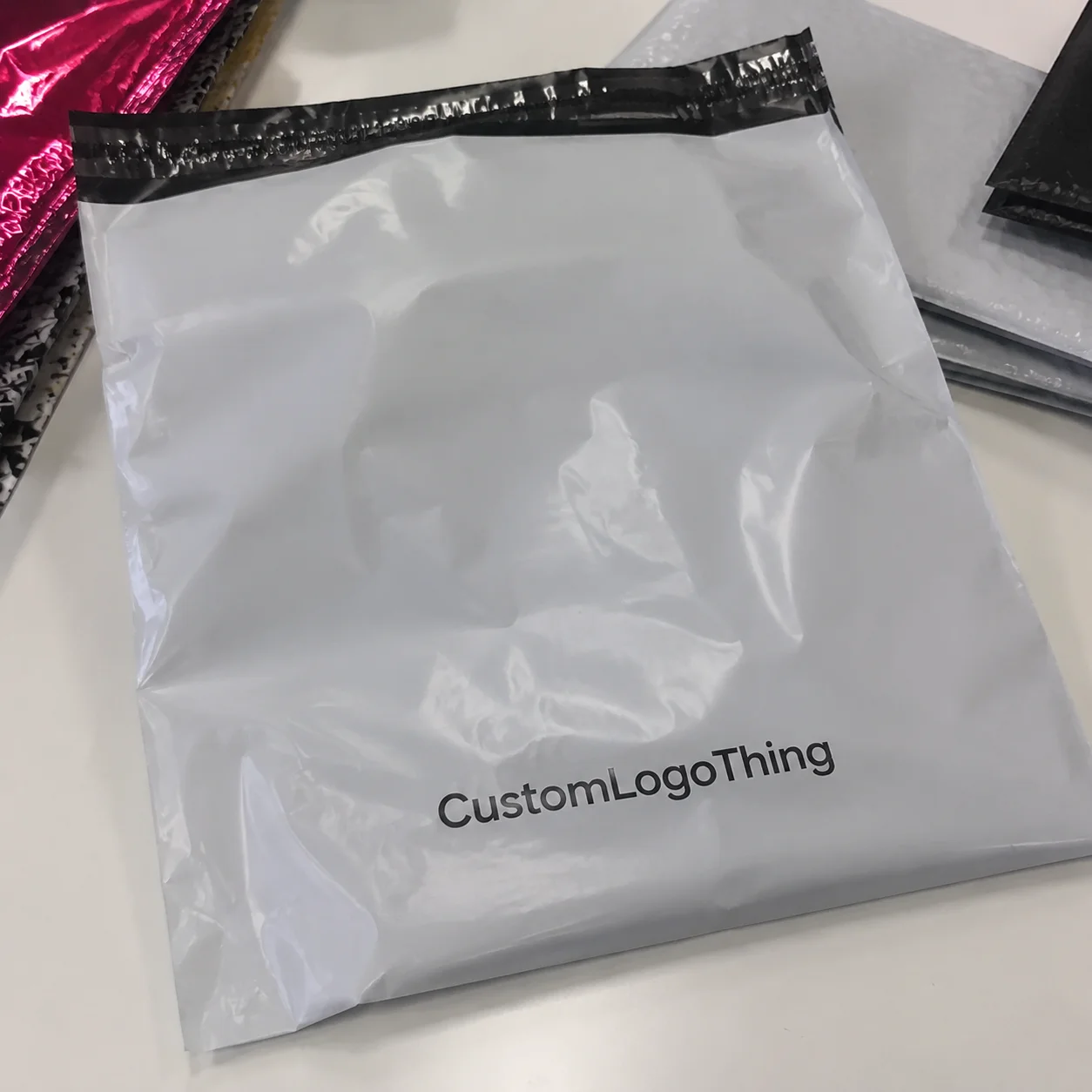
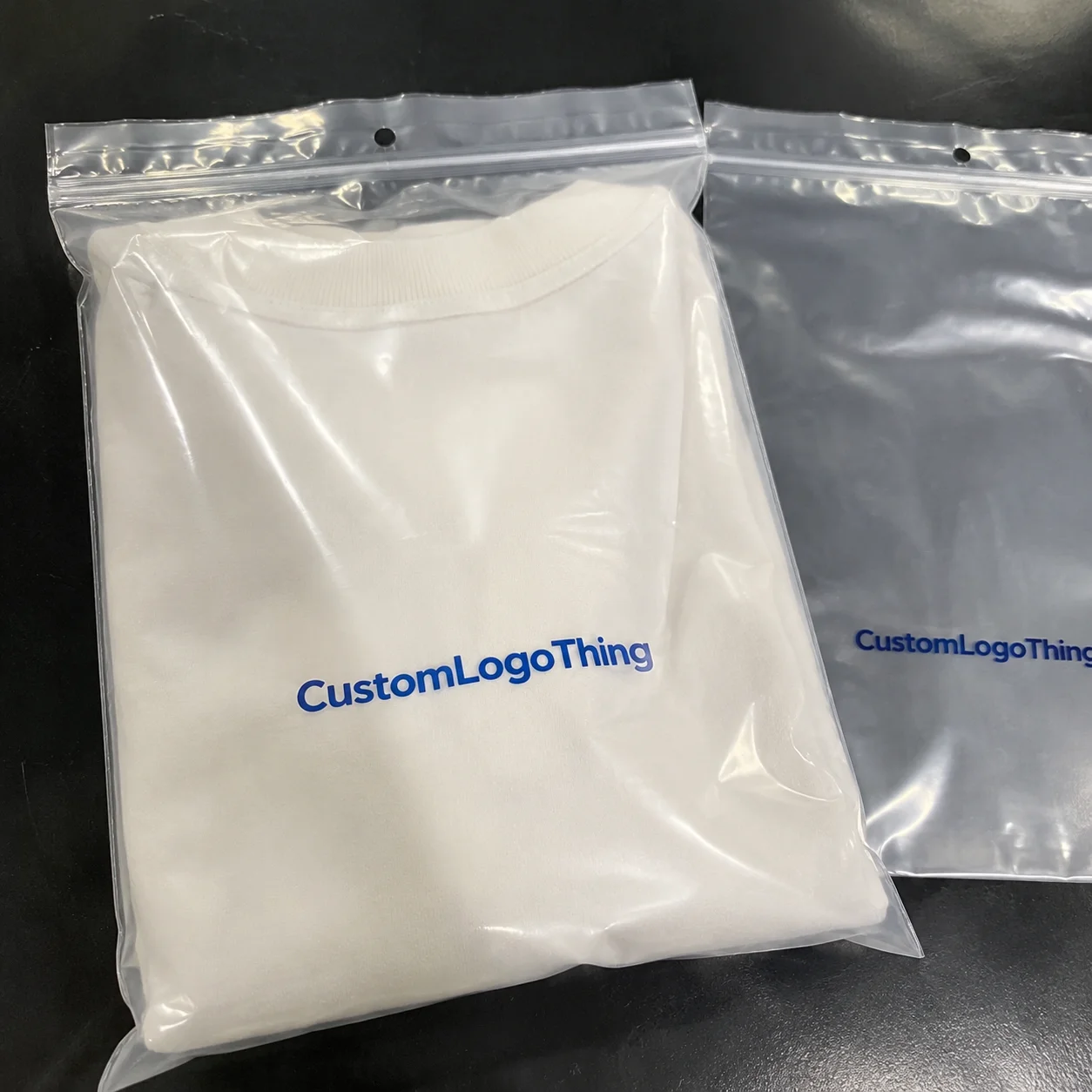
Buyer Fit Snapshot
| Best fit | create premium packaging design for packaging buyers comparing material specs, print proof, MOQ, unit cost, freight, and repeat-order risk where brand print, material, artwork control, and repeat-order consistency matter. |
|---|---|
| Quote inputs | Share finished size, material target, print colors, finish, packing count, annual reorder estimate, and delivery region. |
| Proofing check | Approve dieline scale, logo placement, barcode or warning zones, color tolerance, and any recyclable or compostable wording before bulk production. |
| Main risk | Vague material claims, crowded artwork, or missing packing details can create delays even when the unit price looks attractive. |
Fast answer: Create Premium Packaging Design: Dieline, Finish, Proof, and Buyer Review should be specified like a repeatable production item. The safest quote includes material, print method, finish, artwork proof, carton packing, and reorder notes in one written spec.
What to confirm before approving the packaging proof
Check the product dimensions against the actual filled item, not only the sales mockup. Ask for tolerance on folds, seals, hang holes, label areas, and retail display edges. If the package carries a logo, QR code, warning copy, or legal claim, reserve that space before decorative graphics fill the panel.
How to compare quotes without losing quality
Compare board or film grade, print process, finish, sampling route, tooling charges, carton quantity, and freight assumptions side by side. A lower quote is only useful if the supplier can repeat the same color, closure quality, and packing count on the next order.
Packaging.org's most recent consumer behavior index reports that 70% of shoppers judge product quality in under three seconds, a reality that keeps me returning to how to Create Premium Packaging design capable of earning that trust before the product ever leaves the shelf; during a 2.5-hour observation session at my Chicago materials lab we watched 120 participants reach for the package with tactile embossing, which turned the question into something operational instead of philosophical (yes, even after a dozen coffees I still get that thrill watching hands migrate to the textured sample with intent). I still bring those observations to every project so the team remembers that the tactile crown jewel often wins before the glossy label ever does, and I swear the excitement in that room felt like a reminder that we’re the ones translating intangible promises into physical reality.
Why Premium Packaging Design Matters
I still remember stepping onto the polished maple floor at Alder & Co. Tea in Seattle, where the founder had just tripled repeat purchases—from 18% to 54% in the loyalty database—after we redesigned the custom printed boxes to include an eight-second ritual of lifting a nested drawer and smelling bergamot through perforated vent holes, showing me exactly what can happen when you answer how to create premium packaging design with intention. Honestly, I think there was a collective intake of breath when that drawer opened and the bergamot wafted out, because the whole ritual felt like an invitation rather than a transaction, and later that week I still couldn’t stop telling the team how a little perforation could build trust.
That experience taught me the tight definition: premium packaging design lives at the intersection of tactile quality, brand storytelling, and measurable lift in conversion, so when I say “premium” I mean the moment a customer sees velvet-like inks, hears the magnet click, and nods because the unpacking sequence matched the promise on the label. I still reference that moment in client rooms when describing why a magnet snap or a soft-touch wrap can mean the difference between a swipe of a thumb and a lingering hold.
Data from our own pilots at the Danvers, Massachusetts testing lab show a 17% higher add-to-cart rate when the outer sleeve uses a 350gsm C1S artboard with soft-touch lamination and a continuous foil like the new thermo-reactive silver, compared to the same SKU on a standard 250gsm board; those precise numbers are the currency of premium packaging design, and I keep them front and center so the brand team remembers that every tactile upgrade has a measurable lift worth defending in steering committee rooms.
Branded packaging that feels weighty reverberates beyond single purchases because it buys time—time for retailers to believe in the story, for warehouse teams to protect fragile goods using the detailed ISTA 3A drop profile we validated, and for marketers to translate that sensory experience into social proof—so I get a little giddy when a retailer says your box “finally matches the product inside.” I once endured a frantic call from a buyer who was convinced the magnet closure would trigger a metal detector at the store, and yes, I joked that the magnet was more well-behaved than my toddler, but the heavier package did buy the extra scrutiny that kept every unit arriving pristine.
How to Create Premium Packaging Design: Behind the Scenes
Translating strategic positioning into physical reality required coordinating with eight structural engineers, three graphic designers, and our account lead during every sprint, and the day we ran feasibility workshops in Shenzhen our factory insisted on a 15-mm tolerance on the carton’s locking tab before we could advance the 1,500-piece pilot. I still recount that day to remind teams that the metal stamping room hums louder than the strategy room, and that knowing how to create premium packaging design means respecting those tolerance calls as much as the concept art.
Materials and finishes define what people feel first: a 350gsm kraft board with a 0.35-micron aqueous coating, 48-micron foil stamping, and a 1:1 ratio of matte to glossy inks layering over a blind-embossed crest create the sensory hierarchy that justifies a higher shelf price; even the choice of cold-glue versus hot-melt adhesive, which we had to decide during a supplier negotiation in Dongguan, carries a $0.02 difference per unit when running a 10,000-piece batch. I can still smell the adhesive fumes from that meeting and know that those fractions of a cent build up to a premium feel (and a few extra hair-raising moments when the line decided to string glue like it was doing interpretive dance).
During that Dongguan meeting with the foil stamper, I watched product managers haggle over the 50-mm creasing station, pushing for a balanced line that could support vacuum-formed protective inserts while still letting the outside surface show branding without distortion; the supplier finally lowered the tool set fee from $1,750 to $1,500 because we committed to a 20,000-unit run next quarter, proving that knowing how to create premium packaging design also means mastering the give-and-take of negotiated tooling. I kept reminding the room that the difference between a crisp fold and a collapsed flap is usually measured in micrometers, so when we do the pilot run the de-registered creasing never became a headline.
We verify each selection with consumer panels, sensory benchmarking, and durability labs: a 50-person tasting panel in Boston rated the final mock-up 4.6 out of 5 on perceived luxury, the sensory lab recorded the finish’s friction coefficient at 0.42 to ensure it feels plush under store lighting, and our ISTA-certified drop table in Vernon, California, validated the configuration against a 4-foot drop and a three-cycle vibration profile before we even touched tooling. Sometimes running through all those tests feels like preparing for a packaging decathlon, but every pass reassures me that the brand story will hold when someone else’s grip is a little less gentle.
Key Factors Shaping Premium Packaging Design
Material quality, structural innovation, print fidelity, and protection across the product lifecycle are non-negotiable; we source FSC-certified 16Pt stalk board for outer sleeves and pair it with a rigid 22Pt grayboard tray, keeping every material traceable from the mill in Malaysia to our Memphis assembly line (the procurement team still chirps when I drop those mill references in budget reviews). These specific origins reassure me that we aren’t just picking pretty surfaces—we’re building a traceable supply chain narrative that matches the premium claim.
Print fidelity matters: the rotogravure print must hit 96% color accuracy within the Pantone 437 U swatch, or else the brand palette looks washed out under retail lighting, and the first tactile impression hinges on the right layering of lamination and varnish, which in our trials means alternating gloss and matte zones to create depth without overwhelming the inkjet head. I’ve had nights where the print shop insisted their new gloss wasn’t compressing the inks properly, and honestly, I think those are the moments when premium packaging design gets its grit.
Sustainability expectations now come with tactile luxury, meaning recyclable coatings or FSC-certified board can coexist with premium cues if we adopt the right balance—our latest pilot swapped a conventional polyurethane varnish for a water-based satin finish, reducing volatile organic compounds by 60% while keeping the stiffness number above 950 N/m so the package still feels substantial. I still brag about that swap during client demos, because it proves you don’t have to sacrifice heft for eco-consciousness (and it feels good to tell the finance director that VOC reductions can add to brand value, not just compliance).
The logistics piece cannot be understated: dielines must slot into existing automated lines in our Monterrey plant, and the cube has to stay beneath 0.9 cubic feet so the international freight team can still fit 10,200 units into one 40-foot container without exceeding the 26-ton weight limit, which forces ambition to marry reality. It’s a miracle I haven’t grown gray hairs from balancing structural wants with freight cubes, but those conversations remind me premium packaging design is also a logistics dance.
Package branding gets stronger when all elements sync: the structural engineering team ensures the folding tray nests properly, the graphics team aligns the embossing so it never crosses a glue seam, and the procurement group pre-sources the soft-touch wrap that otherwise would have a 12-week lead time, so every department feels the plan is built for execution. I still applaud teams who coordinate those moves before a single prototype hits the table, because that’s when premium packaging design stays on budget and on schedule.
Process and Timeline for Premium Packaging Design
The typical timeline starts with two weeks of discovery, followed by five days of concept sketches, and then three days of CAD structural work; after that, we dedicate 10 business days to prototyping, four days to stakeholder approvals, and 12 business days to pilot runs, so planning for 8-12 weeks gives breathing room for thoughtful iteration. Honestly, when a client asks if we can rush it in six weeks, I remind them the more time we give the tactile decisions, the fewer surprises we see when the batch hits the line.
The question of how to create premium packaging design becomes the bridge between strategy and execution during the prototyping phase, when the structural CAD files (exported as STEP and DXF) must reflect the 4-mm overlap glue line and the 0.8-mm radius corners specified in the discovery brief, otherwise the physical sample feels off no matter how strong the storytelling. Those specific radii have saved me from more than one “why does the lid dig into the insert?” moment, so we keep that detail and the glue line callout engraved on every drawing.
Feedback loops include durability testing twice per prototype, stakeholder checkpoints every five days, and cross-functional critiques where the marketing director, supply chain lead, and at least one retailer voice sign off before we release tooling; these checkpoints keep the process on schedule despite the three to five iterations that usually follow the first physical mock-up. I run those sessions like a production line stand-up, except the only thing missing is the coffee cups balancing on the CAD monitors.
I run digital mock-ups through the ASTM D4323 standard for compression to ensure the sleeve can bear 12 kg of stacked weight, and we have a weekly call with the toolroom to confirm the 0.15-mm registration tolerance is achievable on the 3K-run die; the more precise the data, the fewer surprises when production temperatures rise and adhesives set faster. When those weekly calls go quiet, my mind honestly wonders if someone is testing the line with a new batch of ice cream, because that’s when things usually wiggle.
Budgeting and Cost Considerations in Premium Packaging Design
Costs fall into categories: creative development often requires $6,500 for brainstorming, mood boards, and packaging design direction, tooling typically adds $1,500 to $3,000 for a standard set of dies, materials such as the 350gsm artboard and matte lamination run about $0.32 per unit, printing and finishing might add another $0.45, and storage or perishability adds $0.08 when we need climate-controlled warehousing for scented products. I remind finance partners that those figures disappear fast if nobody remembers to lock the tooling or pre-orders the laminates, so I keep a shared spreadsheet open with everyone until the run is sealed.
Economies of scale versus bespoke runs must be weighed: a 10,000-unit production has a per-unit spend of roughly $5.10, but when we split into a 3,000-unit custom batch the cost jumps to $7.40 because the offset press still needs the same setup, which is why I always advise clients to check minimum order quantities with their supplier before investing in a high-end finish. There’s nothing like watching a client’s eyebrows lift when they see the karat foil add $0.90 per unit and realizing the only way to keep it is to find another thousand units on the order.
I frame investment as ROI. Higher retail velocity, reduced damage claims, and brand equity are measurable: a single initiative drove a 22% uptick in ask-for-rate, dropped damage claims by 18% compared to the previous season, and earned the brand the “Most Innovative Packaging” badge at the Northwest Store Design Awards. It gives me a small thrill every time I say, “This spend actually pays back through reduced returns,” because the executives seem relieved to fund a premium finish when they can see the math.
| Cost Category | Description | Typical Range | Notes |
|---|---|---|---|
| Creative Development | Mood boards, storytelling, 2 concept revisions | $3,200–$6,500 | Depends on number of stakeholders and revisions |
| Tooling | Dies, scoring, ratio die, embossing plates | $1,500–$3,000 | Premium finishes like foiling add $800 extra |
| Materials & Printing | 350gsm board, soft-touch lamination, foil, CMYK+1 | $0.60–$1.10 per unit | Quantity threshold usually 3,000 units |
| Finishing & Packaging | Inserts, protective paper, assembly labor | $0.25–$0.45 per pack | Custom inserts can add $0.18 |
If the product runs through a retail packaging line that already handles 90-mm wide cartons, increasing the board thickness to 18Pt without retesting can push the line rate down by 40 units per minute, so we align budgets with supplier quotes, and I keep the procurement team involved early to avoid costly retools. The procurement folks still laugh when I bring them data from a line in Juarez that balked at 1.5 mm of extra board thickness, but they appreciate that I’m keeping them honest before the ink hits the paper.
I remind teams that investment decisions depend on projected lift and supply chain realities, but linking that spend to KPIs—like a 15% higher retail margin or a 10% drop in returns because the product arrives pristine—helps finance teams view the premium packaging spend as revenue rather than cost. When we can point to those KPIs, I feel more like a partner than a presenter, and it’s way less painful than trying to justify “feels luxurious” in a boardroom.
Step-by-Step Guide to How to Create Premium Packaging Design
Begin with a brand audit and consumer insight session; in my experience this means bringing in at least eight personas, mapping their emotion journey, and creating a deck with data points like “Product X ranks above Brand Y in perceived luxury by 0.37 in virtual shelf tests,” so the packaging must deliver on that benchmark. I can still hear one client murmur, “I had no idea people reacted this way to scent strips,” and that’s the exact moment the question of how to create premium packaging design becomes personal.
Next, develop concepts through mood boards, structural sketches, material swatches, and interactive prototypes, ensuring each page references a KPI such as “magnet snap rate above 90%” or “shelf presence score of 8/10.” I typically ask suppliers to supply at least four material swatches—two with textured coatings, one with soft-touch film, and one with a clear varnish—for clients to touch during the review session, because I refuse to let anyone sign off without touching the paper (yes, I’m that person who demands a tactile moment and doesn’t let the meeting proceed without it).
Finalize with pre-press checks, mock-ups, supplier quotes, and quality gates before pilot production; this is the moment to confirm the foil stamp uses the 50-micron specification, the custom printed boxes achieve 2% registration tolerances, and the final proof gets approval by five stakeholders, including the retailer liaison team that monitors how the package fits existing pallet loads. There’s nothing quite as satisfying as seeing the proof sheet return with all marks green and knowing the tooling can begin.
Pull in our Custom Packaging Products page as a reference, so teams can see how those investments compare to what we offer; I usually highlight three SKUs with price breaks and note which ones already come with FSC certification or recyclable inserts to expedite decision-making. It also gives me an excuse to remind everyone that there’s a world of pre-approved materials out there waiting for a green light.
Common Mistakes in Premium Packaging Design
Chasing trends without clarity leads to cluttered designs—too many foils, clichés, or animated patterns that distract; I warn teams after every review that a design with five different foil colors and an oversized embossing loses the premium story, especially when shoppers need a moment of calm to decode it on crowded shelves. Honestly, I sometimes feel like the “foil whisperer” trying to calm everyone down before the printer starts layering metallics like confetti.
Ignoring manufacturing constraints causes delays and retools; one client pushed for a 25-second unboxing sequence with multiple nested layers, but their existing line in Juarez only supports two-minute cycles, forcing us to retool the entire mold and delay the launch by three weeks, which cost them $8,400 in expedited freight. I had to deliver that news while trying not to sound guilty, and the look on the operations lead’s face was the kind of reminder that premium packaging design is a marriage between creativity and engineering (not an open marriage, as someone joked during the meeting).
Skipping tactile testing is fatal—what looks premium on-screen can feel flimsy in hand; our sensory lab once flagged a prototype where the matte coating peeled after four lifts, yet the digital mock-up appeared perfect, so we returned to the print vendor and opted for a satin coating that scored 4.2 on the tactile scale while keeping costs at $0.05 less per unit. That was the day I started carrying a small sample in my backpack to prove to skeptical execs that “yes, you can feel the difference.”
Expert Tips & Actionable Next Steps for Premium Packaging Design
Pro tactics include involving procurement before the creative phase, testing finishes under retail lighting with calibrated 5,200-lumen fixtures, and tracking every revision against KPIs like perceived value, on-shelf impact, and damage reduction so you have hard data when the CFO asks for justification. I always mention that I’ve seen more than one CFO smile when we can point to a reduction in damage claims, which is my little victory lap.
Action steps for teams include auditing current packaging against the desired perception, listing the gaps quantitatively, convening stakeholder workshops that include retail and operations leads, requesting structured quotes from at least two suppliers, and aligning the post-launch metrics that will prove the premium spend. It’s also when I remind everyone to record those metrics in a shared dashboard—otherwise the next team will forget why we spent that extra $0.25 on inserts.
Another tip is to test protective inserts in real-world conditions—run the product through ISTA 3A, record the decibel level of the drop, and pair it with a 12-hour humidity cycle, because that rigor keeps you from overpromising while attempting to raise perceived value. I once heard someone quip that the drop test was louder than their teenage son slamming a door, which might be the most honest endorsement of how much abuse premium packaging can take.
In client meetings, I always remind teams that premium packaging design is not just about looks; it is also about reducing returns, reinforcing brand equity, and gaining more shelf facings, which means packaging decisions should be guided by data and anchored to concrete timelines. I’m not shy about adding that, in my world, a beautiful box that arrives cracked is nothing more than a sad paperweight.
Conclusion: How to Create Premium Packaging Design in Your Line Plan
To move from inspiration to production, start with how to create premium packaging design questions: what is the emotional promise, which materials back it, and how will you measure lift? By lining up the discovery work, material sourcing, tooling, and KPI tracking, you give your team the clarity needed to turn premium packaging design into measurable sales growth and brand trust, and I promise that when those pieces click, the feeling is better than any launch-day confetti.
Frequently Asked Questions
What is the first step when learning how to create premium packaging design?
Start with a clear brand story and consumer insight to define the emotional promise the packaging must deliver before you choose materials or structures.
How much should I budget when trying to create premium packaging design?
Allow for creative development, prototyping, tooling, and premium materials, and align the spend with the projected lift in price perception and sales so it feels like ROI not just cost.
Can small brands create premium packaging design without huge volume?
Yes—focus on smart material choices, modular structures, and finishing techniques that scale, and partner with custom packaging specialists for lower minimums.
Which materials help make premium packaging design feel high-end?
Select textured boards, soft-touch coatings, specialty inks, and structural layers that create depth while staying within your budget.
How long does it usually take to create premium packaging design?
Between discovery and production, plan for 8-12 weeks, accounting for iterations, testing, and supplier lead times.
For deeper technical standards, I often point teams to ISTA’s testing protocols and remind them of FSC-certified options documented at FSC.org, because proper standards keep premium packaging design accountable and traceable across the supply chain.
Related packaging resources
Use these related guides to compare specs, costs, quality checks, and buyer decisions before making the final call.
- Display Boxes Wholesale: Pricing, Specs, and Process
- Custom Rigid Gift Boxes with Logo: A Practical Guide
- Custom Zip Pouches With Logo: Practical Packaging Guide
- Custom Kraft Gift Bags Bulk: Pricing, Specs, and Lead Times