Buyer Fit Snapshot
| Best fit | design subscription box packaging buyer review for packaging buyers comparing material specs, print proof, MOQ, unit cost, freight, and repeat-order risk where brand print, material, artwork control, and repeat-order consistency matter. |
|---|---|
| Quote inputs | Share finished size, material target, print colors, finish, packing count, annual reorder estimate, and delivery region. |
| Proofing check | Approve dieline scale, logo placement, barcode or warning zones, color tolerance, and any recyclable or compostable wording before bulk production. |
| Main risk | Vague material claims, crowded artwork, or missing packing details can create delays even when the unit price looks attractive. |
Fast answer: Design Subscription Box Packaging Buyer Review: Dieline, Finish, Proof, and Buyer Review should be specified like a repeatable production item. The safest quote includes material, print method, finish, artwork proof, carton packing, and reorder notes in one written spec.
What to confirm before approving the packaging proof
Check the product dimensions against the actual filled item, not only the sales mockup. Ask for tolerance on folds, seals, hang holes, label areas, and retail display edges. If the package carries a logo, QR code, warning copy, or legal claim, reserve that space before decorative graphics fill the panel.
How to compare quotes without losing quality
Compare board or film grade, print process, finish, sampling route, tooling charges, carton quantity, and freight assumptions side by side. A lower quote is only useful if the supplier can repeat the same color, closure quality, and packing count on the next order.
Why Your Subscription Box Packaging Matters More Than Your Products
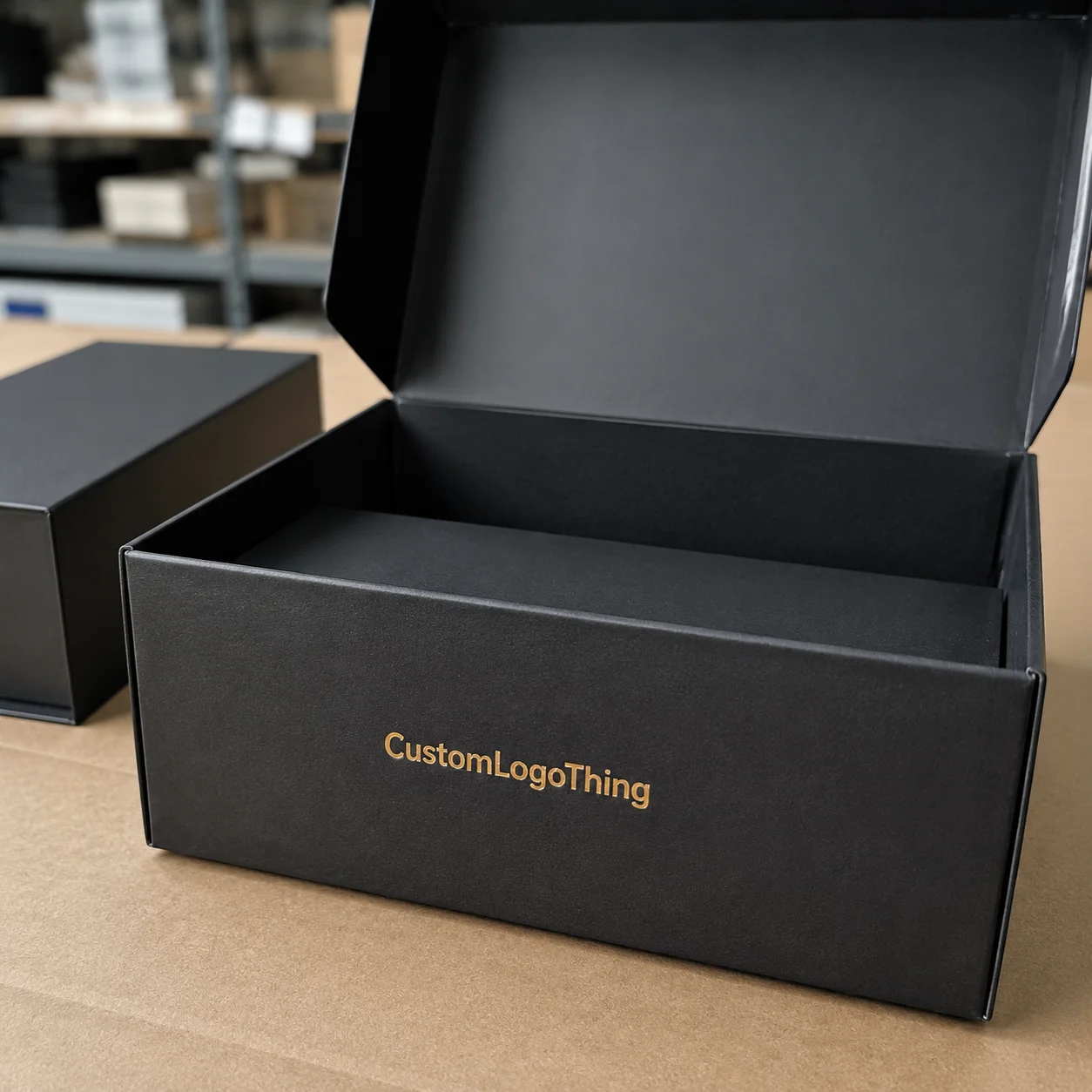
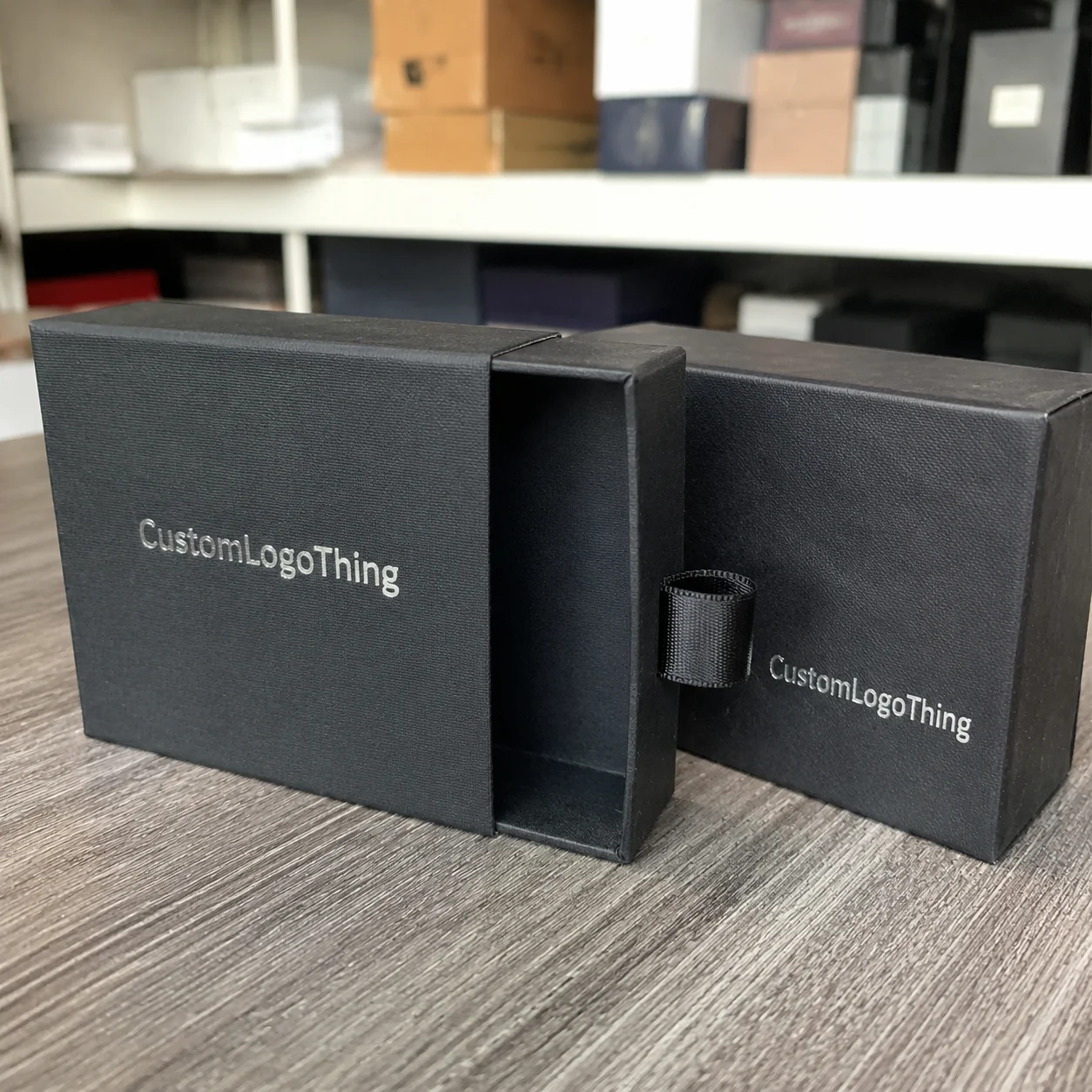
Here's what most people get wrong about subscription box businesses: they assume the products inside the box are the primary value proposition. In reality, your packaging serves as your brand's physical ambassador when your products sit on customers' doorsteps. Nobody sees your products except the person who ordered them. Your box, your tissue paper, your custom tape, your branded insert—that's what gets photographed, shared, and discussed in unboxing communities. I remember visiting a subscription razor company a few years ago. Their blades were fine, nothing special compared to competitors. But their packaging had been designed with such careful attention to the reveal sequence that customers genuinely looked forward to receiving it. They posted videos of the unboxing experience. The company didn't spend a dollar on influencer marketing. The packaging did it for them. This emotional connection through presentation creates subscription loyalty that product quality alone cannot sustain. Think about the last time you received a beautifully wrapped gift versus a plastic bag from a store. The emotional response is completely different, even if the contents are identical. Subscription commerce is fundamentally built on this principle. You're not just shipping products—you're delivering an experience that customers pay monthly to repeat. That experience begins the moment the box touches their hands, not when they finally open it. Differentiated packaging also reduces perceived cancellation rates by making customers feel their subscription is special. I've analyzed subscriber churn data for several subscription box clients, and the pattern is consistent: customers who describe their packaging as "premium" or "exciting to open" churn at roughly half the rate of those who describe it as "fine" or "ordinary." The product inside might be identical in both cases. But the feeling of receiving something special—something worth photographing and sharing—transforms a transactional purchase into an anticipated ritual. (And if you're anything like me, you definitely have at least one unboxing video saved on your phone. Don't pretend you don't.)Essential Elements of Effective Subscription Box Design
When I start working with a new client on custom packaging for their subscription service, the first thing we address is structural integrity. Your box needs to survive transit without collapsing, crushing, or letting moisture in. I've seen gorgeous printed boxes fail within weeks of launch because nobody considered how UPS handlers actually treat packages. The rule I give every client: design for the worst-case scenario in your shipping network, not the best. A box that looks perfect when hand-delivered by your cofounder is worthless if it arrives dented at 40% of your customers' homes. Branding consistency across all touchpoints matters enormously in the subscription model. Unlike retail packaging that sits among competitors on store shelves, your box exists in a vacuum. There's no adjacent product telling customers who you are. Every surface of your packaging needs to reinforce brand recognition. I've worked with subscription boxes that printed their logo on the inside of the lid where nobody would ever see it. That might make sense for luxury retail packaging, but for subscription commerce, visibility is currency. If customers don't immediately recognize your brand when their box arrives, you've wasted an impression. (And honestly, that inside-logo thing baffles me every time I see it. Who decided that was a good use of branding space?) The unboxing flow deserves more attention than it typically receives. Your box should create anticipation and reveal products in a deliberate sequence. I worked with a wine subscription company that finally figured this out after a year of disappointing engagement metrics. They redesigned their box interior so customers would lift a branded sleeve revealing their first bottle, then lift a tissue paper layer showing their second bottle, then finally reach a bottom compartment with their tasting notes and food pairing suggestions. The sequence transformed a random collection of bottles into a curated experience. Subscriber reviews changed almost overnight from "nice wines" to "feels like a private tasting every month." Material selection requires balancing protection, sustainability, and cost in ways that depend entirely on your specific products and customer base. There's no universal answer here. A subscription service sending fragile glass bottles needs fundamentally different materials than one sending soft goods like clothing or books. Sustainability has become a marketing advantage for some audiences and an expected baseline for others. I've noticed that the same material choices that feel premium to one demographic can feel wasteful to another. Know your customer before you make material decisions. First-layer packaging—meaning whatever contains your products inside the shipping box—needs as much consideration as the outer box itself. I visited a subscription candle company whose outer packaging looked stunning on Instagram but whose inner packaging was plain brown kraft paper. The moment customers opened the box, the magic disappeared. Every layer between your customer and your product is an opportunity to reinforce or undermine your brand positioning.How to Design Subscription Box Packaging: A Step-by-Step Process
Understanding how to design subscription box packaging that actually works requires a structured approach, not just creative inspiration. The process I walk clients through starts with defining your product dimensions and weight to establish hard constraints on packaging. You cannot intelligently design a box without knowing exactly what must fit inside it. Measure everything. The height of your tallest product, the width of your widest bottle, the weight of your heaviest item. These numbers drive every subsequent decision. (I cannot stress this enough. I've watched clients waste months because they were working with "approximately" measurements. Approximate will cost you money. Precisely will save it.) Research and material selection follows from those constraints. I typically compile three to five material options with corresponding pricing for each client. For a corrugated box, this might mean comparing 32ECT standard flute against 44ECT double-wall against a rigid setup. Each has different cost, protection, weight, and print capability implications. I once spent three weeks researching sustainable alternatives for a cosmetics subscription client before finding a recycled content corrugated that met their environmental commitments without sacrificing the compression strength their shipping conditions required. Three weeks! That's how long the right material search can take. But when you find it, everything clicks into place. Creating dielines or working with designers to develop custom structural layouts is where many subscription companies go wrong by trying to cut costs. Dielines are the blueprints that printers use to cut and fold your packaging. Generic dielines exist for common box sizes, but "common" doesn't mean optimal for your specific products. I worked with a meal kit company that was stuffing products into boxes 30% larger than necessary because they'd never invested in custom structural design. The dimensional weight charges they paid annually exceeded what a proper dieline would have cost to develop. They literally could have designed a better box and saved money. The irony still gets me. Artwork development requires proper bleed, safety margins, and print specifications that non-designers often underestimate. Bleed is the extra printed area that gets trimmed away—typically 0.125 inches on each side. Safety margins are the clear zones where critical design elements cannot approach edges. I receive calls every few months from panicked clients whose text got cut off because it was positioned 0.2 inches from the edge instead of the required 0.5 inches. These are fixable problems before production, catastrophic ones after. Work with a designer who has specific experience in packaging design rather than general graphic design. (General graphic designers make gorgeous work. Packaging designers know why your text got cut off.) Ordering prototypes and conducting drop tests verifies structural soundness before you commit to full production runs. A prototype isn't just a sample that looks pretty on your desk. It needs to be tested. I recommend at least three drops from 3 feet onto concrete for every prototype, simulating the roughest handling your shipping carriers might deliver. I've seen boxes pass visual inspection and fail catastrophically in drop testing. Better to discover that with a $200 prototype than after printing 5,000 units. Refining designs based on prototype feedback before mass production sounds obvious, but I cannot count how many times clients have pushed forward with known issues because they were already behind schedule. A delayed launch is recoverable. A launch where 15% of boxes arrive damaged is a reputation problem that can take years to overcome. And trust me, you'll hear about it. People love posting photos of damaged packages online.Understanding Subscription Box Packaging Costs
Here's where I have to be blunt with most clients: subscription box packaging costs are almost always higher than they expected, and the reason is usually incomplete accounting. Material costs typically range from $1.50 to $8.00 per unit depending on complexity, but that's only the beginning of what you should budget. Design and tooling expenses add $500 to $3,000 for custom structural work and $200 to $1,500 for print artwork. These are one-time costs that get amortized across your first production run, but they need to be accounted for from the start. Minimum order quantities often start at 500 to 1,000 units for custom packaging. Some suppliers have 2,500-unit minimums. Others will do 250 units but charge a 40% premium. Understanding your supplier landscape before committing to a design is critical because your MOQ affects everything downstream—your per-unit cost, your storage requirements, your cash flow. Bulk ordering reduces per-unit costs by 15 to 40% compared to smaller runs. This creates a tempting but dangerous incentive to over-order. I watched a subscription tea company tie up $80,000 in inventory for eight months because they'd ordered a two-year supply chasing the lowest per-unit price. When their brand direction shifted and they wanted new artwork, they were stuck with boxes they couldn't use. Eighty thousand dollars. Sitting in a warehouse. Collecting dust. I felt physically ill when I saw those boxes. The hidden costs that surprise most new subscription operators include shipping boxes for bulk storage, void fill materials, tape, labels, and assembly labor. Void fill alone can cost $0.15 to $0.40 per box depending on your approach—more than many operators budget for. Tissue paper, stickers, and branded tape add up faster than expected when you're fulfilling hundreds or thousands of boxes monthly.| Cost Category | Typical Range | Notes |
|---|---|---|
| Structural Design/Dieline | $500 – $3,000 | One-time cost; may increase for complex designs |
| Print Artwork | $200 – $1,500 | One-time cost; revisions add 25-50% |
| Material Cost (per unit) | $1.50 – $8.00 | Varies with size, materials, print complexity |
| Minimum Order Quantity | 500 – 2,500 units | Lower MOQ = higher per-unit cost |
| Bulk Discount | 15 – 40% reduction | Applies to orders 3x+ MOQ size |
| Assembly Labor (per unit) | $0.50 – $2.00 | If not using fulfillment center |
The Subscription Box Packaging Timeline: From Concept to Customer
The typical timeline for how to design subscription box packaging that reaches actual customers runs eight to sixteen weeks from initial concept to first shipment. That's longer than most entrepreneurs expect, and the delays that cause overruns are almost always predictable in hindsight. Breaking the process into distinct phases helps manage both timeline and expectations. Weeks one through three cover design concept development and material selection. This phase involves identifying two or three structural approaches, selecting materials, and agreeing on artwork direction. I find that clients who haven't done their product measurement homework before week one extend this phase by two weeks minimum. Get your product specifications ready before you start the packaging design conversation. Bring exact dimensions, weights, and fragility assessments to your first meeting with any supplier or designer. Weeks four through six handle artwork creation, dieline development, and prototype production. Artwork takes longer than most people anticipate because revisions accumulate. The first design concept rarely becomes the final approved artwork. I typically budget three to five rounds of revisions for clients with established brand guidelines, and more for those still defining their visual identity. Prototyping in week six means you're testing something physical that looks much closer to the final product than conceptual sketches. Weeks seven through ten involve testing, refinement, and supplier finalization. This is where the timeline becomes most unpredictable. I've had clients discover critical issues during drop testing that required structural redesigns pushing the timeline back three weeks. I've also had clients approve prototypes immediately and sail through to production. The difference usually comes down to how thoroughly product testing was anticipated during design. Build in realistic time for the discovery phase. (That discovery phase is where dreams go to die—or get reborn. Sometimes both in the same project.) Weeks eleven through sixteen cover mass production, quality control, and fulfillment setup. Production runs for custom printed boxes typically require three to six weeks depending on supplier capacity and order size. Quality control means inspecting samples from the production run, not just trusting that the supplier got it right. Fulfillment setup includes providing your supplier with warehouse address, establishing shipping accounts, and potentially training fulfillment staff on assembly procedures. Critical path items that cause the most launch delays include art revisions that extend past week five, supplier capacity constraints that become apparent only when you're ready to confirm production dates, and shipping delays for materials that affect prototype timelines. I always recommend building two-week buffer periods between major milestones. The project that looks like it will take twelve weeks usually takes fourteen.Common Subscription Box Packaging Mistakes and How to Avoid Them
After years of consulting with subscription box companies, I've seen the same mistakes repeat across different clients, different markets, and different budget ranges. Understanding these failure modes won't guarantee success, but it will help you avoid the most expensive pitfalls. Underestimating dimensional weight charges has killed more subscription box businesses than I can count with precision. Carriers charge based on whichever is higher: actual weight or dimensional weight, which is calculated as length times width times height divided by a factor that varies by carrier. I worked with a subscription clothing box that had optimized everything about their product offering without ever calculating their dimensional weight. Their box weighed just 1.2 pounds, but at 12×12×8 inches, the dimensional weight was 6.6 pounds using FedEx's divisor of 139. They were paying for 6.6 pounds of shipping on 1.2-pound boxes. Their profit margin was negative on every shipment, and they had no idea until I ran the numbers. Always calculate dimensional weight before finalizing your box dimensions. Choosing attractive but insufficient materials that fail during shipping represents another common failure. Glossy lamination on corrugated boxes looks beautiful in photographs but can reduce the box's ability to handle moisture and compression. Soft-touch coatings feel premium but mark easily during transit. I've seen beautiful packaging designs that failed because the material selections prioritized aesthetics over functionality. Your packaging must arrive intact. Nothing else matters if the box arrives crushed. Skipping prototype testing and discovering problems after full production runs are complete is the mistake I find most heartbreaking to witness. A client once called me three weeks after receiving their first 10,000-box production run. The embossed logo they'd approved on the prototype sample looked entirely different on the printed boxes at scale. The embossing vendor had used one technique for the sample and a different, cheaper technique for the bulk run. By the time they noticed, the boxes were already in distribution. They lost $40,000 and had to redesign under extreme time pressure. I was furious on their behalf. Actually furious. I spent a whole evening yelling about it to nobody in particular. Selecting suppliers without verifying production capacity for your timeline causes predictable delays. A supplier might quote competitive pricing and promise quality work but not mention that they're already running at maximum capacity for the next six weeks. I've seen launch delays traced directly to suppliers who had never disclosed their actual production schedule constraints. Get capacity confirmations in writing, not just verbal assurances. Ignoring international shipping requirements for global subscription services creates problems that are expensive to fix after production. Different countries have different regulations about materials, marking requirements, and import documentation. The United States, European Union, and United Kingdom all have specific requirements for packaging materials in international commerce. If you're shipping globally from day one or planning to expand internationally within six months, address these requirements during the design phase, not after. Failing to create assembly instructions for fulfillment team consistency is a mistake that seems minor until you have ten people assembling boxes and each person interprets the process slightly differently. Inconsistent assembly means unpredictable quality, which means your unboxing experience varies from box to box. Document the assembly process step by step, take photos at each stage, and train every team member using the same materials before you start fulfilling orders.Expert Tips for Standout Subscription Box Packaging
The advice I give clients goes beyond avoiding mistakes into positive strategies for packaging that actually differentiates their subscription offering. These aren't theoretical suggestions—they're techniques I've seen work across dozens of subscription box launches. Design with scalability as a core principle from the beginning. Packaging that works at 100 units per month should work identically at 10,000 units per month. I've watched companies design beautiful packaging that required hours of labor to assemble at small volume, then discover they couldn't scale without hiring a warehouse team specifically to handle assembly. The best subscription box packaging designs are assembly-efficient: they fold correctly without struggle, they require minimal tape, and they protect products without requiring intricate positioning. Treat your box like a gift, not like shipping container. This means adding tissue paper, custom stickers, personalized notes, or other elements that transform the experience from "receiving a shipment" to "receiving a gift." I worked with a subscription book box that started including a handwritten note on branded stationery with each shipment. The cost was negligible—a few cents per box—but customer feedback about the personal touch was overwhelming. People kept the notes. They photographed them. They shared them on social media. That kind of organic engagement cannot be bought. Consider sustainable materials as a marketing advantage rather than just a cost driver. The audience for subscription boxes skews toward consumers who care about environmental impact, and that audience is growing. I've seen companies successfully differentiate their packaging using recycled content, soy-based inks, and minimal designs that use less material without sacrificing protection. The sustainable choice can become a selling point rather than simply a budget concern. The Forest Stewardship Council offers certification that many consumers recognize and seek out. Building relationships with suppliers for priority scheduling and better pricing is something most subscription operators neglect until they're already in trouble. Suppliers remember clients who treat them professionally, pay on time, and communicate clearly. Those relationships translate into priority production slots when you're facing a tight deadline and into pricing flexibility when you're ready to reorder. I've seen the same supplier quote 25% higher prices to a new client and 15% below market rates to a known relationship. It's just how business works. Be the client suppliers want to work with. Testing with real shipping conditions rather than gentle handling reveals problems that only appear under stress. Find out which carriers you'll actually use and what those carriers' typical handling looks like. I recommend requesting sample shipments from your supplier to your own address using the carriers you'll actually use. Watch how the packages arrive. If possible, send samples to friends in different regions and ask them to photograph any damage. Nothing teaches like real-world feedback.Your Next Steps to Launching Exceptional Subscription Box Packaging
If you've read this far, you have the framework for understanding how to design subscription box packaging that actually works. But frameworks don't ship boxes. Action does. Here's what I recommend doing this week. Document your exact product dimensions and weight requirements today. Measure everything, write it down, and verify the measurements with someone who will challenge your assumptions. These numbers drive every packaging decision, and having them ready before you contact suppliers or designers will save weeks of back-and-forth. Set a realistic per-unit budget including all materials, labor, and shipping. Calculate the fully loaded cost using the formula I provided earlier. Decide what markup you need to maintain healthy margins at that cost. If the numbers don't work at your target price point, you need to either reduce packaging costs or increase subscription pricing—not ignore the problem. (Ignoring the problem never works. Trust me, I've tried to convince clients it would be fine. It wasn't fine.) Request quotes from at least three suppliers with identical specifications. Give each supplier the same product dimensions, quantity requirements, material preferences, and print specifications. Compare their responses not just on price but on lead times, payment terms, sample policies, and communication quality. A supplier who responds quickly and thoroughly during the quoting phase is almost always a better partner than one who offers low prices but communicates poorly. Define your unboxing sequence before you finalize designs. What should customers see first? Second? Third? How many layers of experience will they pass through before reaching your products? Write this sequence down and use it as a checklist when evaluating designs. A beautiful box that doesn't tell a story is just expensive cardboard. Create a quality checklist covering material specs, print colors, and structural requirements. Specify what "acceptable" means for each dimension of quality. Color matching should reference specific Pantone codes or CMYK values. Structural requirements should include compression strength, burst strength, and drop test performance. Without written specifications, you have no objective basis for approving or rejecting samples. Order your first prototype run and physically test it before committing to production. Drop test it, crush test it, ship it to yourself and open it as a customer would. The prototype phase is your last chance to catch problems before they become expensive. Use it.Whether you're launching a new subscription box or redesigning an existing offering, remember that your packaging is doing more marketing work than any advertisement you'll run. Invest accordingly, test thoroughly, and treat your unboxing experience as seriously as your product quality. The subscribers who eagerly anticipate their next box are the foundation of a sustainable subscription business, and that anticipation begins with what's on their doorstep.
What is the best material for subscription box packaging?
Corrugated cardboard offers the best balance of protection and cost for most subscription boxes and is the industry standard for transit packaging. Rigid boxes provide premium presentation with a luxurious feel but cost two to three times more and offer less structural protection for fragile items. Chipboard is lightweight and cost-effective for lighter products but lacks the compressive strength needed for heavy or fragile items. Sustainable options like recycled content corrugated, bamboo-based materials, and mycelium-based packaging are increasingly available and appeal to eco-conscious subscribers, though costs vary significantly by material type and supplier.
How long does it take to design and produce subscription box packaging?
The typical timeline from concept to first shipped box is eight to sixteen weeks. Design and prototyping requires four to six weeks depending on complexity, number of revisions, and supplier responsiveness. Production runs add three to eight weeks based on supplier capacity and order quantity. Rush options typically exist but add 30% to 50% to per-unit costs. Building buffer time into your schedule—especially around prototype testing and art revisions—prevents the stress of trying to recover from delays after they've already occurred.
What is a realistic budget for subscription box packaging design?
Design costs range from $500 to $3,000 for custom structural design and $200 to $1,500 for print artwork, depending on complexity and whether you're working with freelancers or full-service agencies. Per-unit material costs typically fall between $1.50 and $8.00 depending on materials, size, print complexity, and order volume. Your first production run should budget $3,000 to $12,000 for 500 to 1,000 units including all design, tooling, and material costs. When reordering identical specifications, expect 10% to 20% reduction in unit costs due to eliminated design and tooling expenses.
How do I calculate dimensional weight for subscription box shipping?
Dimensional weight, also known as DIM weight, is calculated using the formula: (Length × Width × Height) ÷ Dimensional Factor = Dimensional Weight. The dimensional factor varies by carrier: USPS uses a divisor of 166 for domestic Priority Mail, while FedEx and UPS use a divisor of 139 for standard ground shipping. Carriers charge based on whichever is higher: actual weight or dimensional weight. This means a lightweight box in a large shipment size can cost significantly more to ship than expected. Always calculate both actual and dimensional weight before finalizing your packaging dimensions.
What makes subscription box packaging different from retail packaging?
Subscription boxes must survive shipping without additional outer packaging, meaning the box customers receive is the same box that ships from your warehouse. Unlike retail packaging designed to grab attention on shelves, subscription packaging is designed to create anticipation during unboxing. It's designed for repeated monthly handling rather than one-time purchase decisions. Subscription packaging often includes internal structures to organize multiple products in a deliberate reveal sequence. Finally, subscription packaging requires consistency across thousands of identical packages, making quality control and supplier reliability more critical than for one-time retail packaging.
Related packaging resources
Use these related guides to compare specs, costs, quality checks, and buyer decisions before making the final call.
- Display Boxes Wholesale: Pricing, Specs, and Process
- Custom Rigid Gift Boxes with Logo: A Practical Guide
- Custom Zip Pouches With Logo: Practical Packaging Guide
- Custom Kraft Gift Bags Bulk: Pricing, Specs, and Lead Times